Who actually enjoys going to the dentist? Probably not you, and trust me—you’re not alone. Maybe you still cringe thinking about that giant needle from your early childhood dentist visits. You know, the one that was supposed to feel like a ‘slight pinch’? Yeah, right! But these days, dental visits are much smoother. Needles are thinner, and treatments are quicker—you’re in and out before you even know it.
Now, let’s talk about crowns. You’ve probably heard about them or seen a few pop up on your feed. But when you need one yourself, the big question is: how long do they last? After all, they aren’t cheap, and no one wants to pay for something that won’t go the distance. Let’s break it down—from the procedure to how long your crown will stick around.
Related Article: How Strong Are Porcelain Crowns?
When Do You Need a Crown?
Not sure if it’s time for a crown? Crowns are typically used when your entire tooth needs some extra protection or support. Here are a few common reasons why a crown might be the solution you need:

- Cracked or Broken Tooth: If your tooth enamel is cracked or you’ve got a broken tooth, a crown can help hold everything together and prevent further damage.
- After a Root Canal: Once you’ve had a root canal, your tooth is more fragile and often needs a crown to give it strength and protect the entire tooth.
- Weak Tooth: When a tooth becomes weak due to decay or excessive wear, a crown can strengthen the structure, preventing further problems and allowing you to keep your natural tooth.

- Large Filling: If a big cavity required a large filling, a crown can provide stability and keep the weak tooth secure.
- Discolored Tooth: Whether due to injury, decay, or just wear and tear, a crown can cover up an off-colored tooth and restore a natural, healthy appearance to your smile.
If any of these situations sound familiar, it might be worth chatting with your dentist about whether a crown is the right option for you.
Dental Crown Procedure: Step-by-Step
So, you need a crown. Here’s the lowdown on how it all goes down, one step at a time:
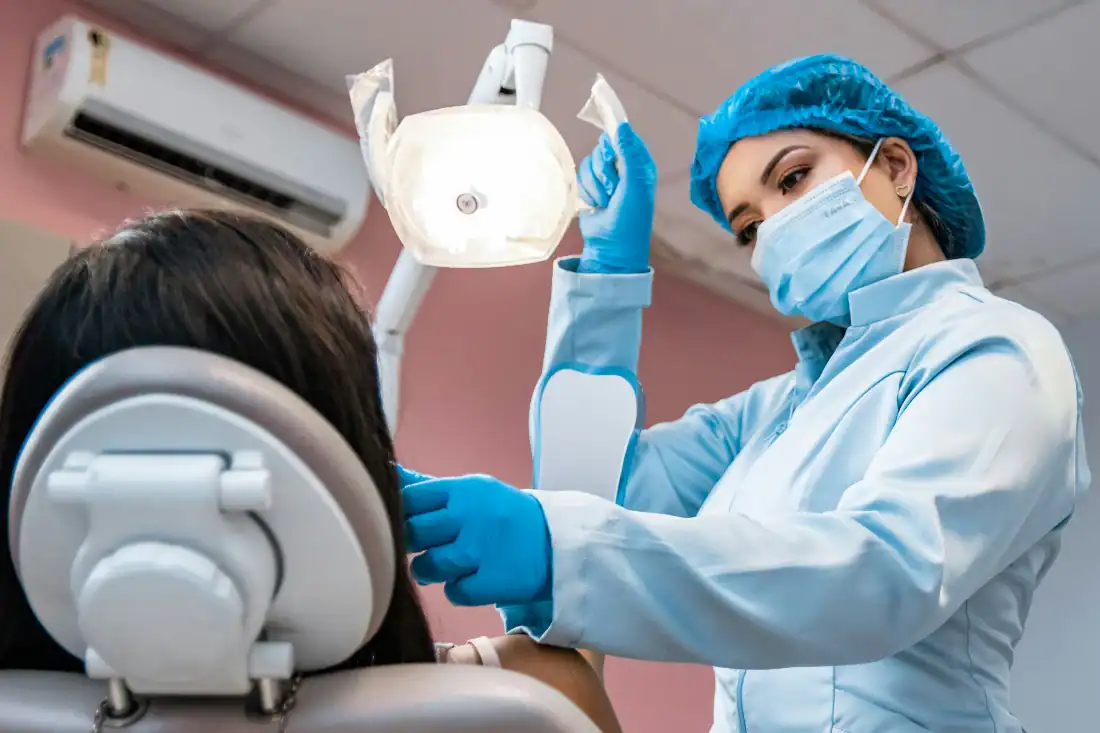
Step 1: Prepping the Tooth
First, your dentist will get the tooth ready. They’ll clean it, remove any damaged parts, and shape it so the crown fits perfectly. If the tooth is really worn down, they might need to add some material to build it up. Think of this as laying the groundwork for a solid crown.
Step 2: Taking an Impression
Next, your dentist will take an impression of the prepared tooth. This is like creating a mold that helps design a custom crown that matches your bite. While your permanent crown is being crafted in the lab, you’ll get a temporary one to hold you over.
Step 3: Waiting for the Custom Crown
During this phase, the lab works on creating your crown. It usually takes a couple of weeks, but don’t worry—you’ll still be able to eat, drink, and smile with your temporary crown in place.
Step 4: Dental Crown Placement
Once your crown is ready, you’ll return to the dentist. They’ll swap out the temporary one for the real deal, cementing it in place. After a little bite check to make sure everything fits just right, you’re all set!
Types of Dental Crowns and How Long They Last

Pressed Ceramic Crowns
Pressed ceramic crowns are favored for their durability and lifelike appearance. These crowns are created from a single block of ceramic, making them stronger than conventional porcelain crowns. With proper care, pressed ceramic crowns can last between 10 and 15 years, depending on factors like wear and tear, diet, and oral hygiene practices.
Benefits:
- Highly durable due to solid construction
- Natural, tooth-like appearance
- Ideal for front and back teeth
- Lifespan: 10-15 years
Ceramic or Porcelain Crowns
Ceramic or porcelain crowns are popular for front teeth because they look incredibly natural. While these crowns are less durable than metal-based options, they provide excellent aesthetic results and typically last 5 to 15 years with proper care and maintenance.

Benefits:
- Mimics the natural look and color of teeth
- Suitable for metal allergy patients
- Best for visible front teeth
- Lifespan: 5–15 years
Zirconia Crowns
Zirconia crowns are known for their exceptional strength and longevity, making them an excellent choice for molars or for those who grind their teeth. These crowns can last 10 to 20 years, making them one of the longest-lasting crown options available.
Benefits:
- Extremely strong and durable
- Resistant to chips and cracks
- Can be made to look natural while maintaining high strength
- Lifespan: 10–20 years
Metal Crowns
Metal crowns, typically made of gold or other metal alloys, are the most durable option, often lasting 20 to 30 years or more with proper care. Although their metallic appearance makes them less ideal for visible teeth, their strength and longevity make them a reliable option for molars.

Benefits:
- Extremely long-lasting and durable
- Minimal removal of tooth enamel required
- Metal crowns rarely chip or break, ideal for back teeth
- Lifespan: 20–30 years
Porcelain-Fused-to-Metal (PFM) Crowns
Porcelain-fused-to-metal (PFM) crowns combine the strength of a metal core with the aesthetics of porcelain. These crowns offer a good balance between durability and appearance and typically last 10 to 15 years before they may need replacement due to wear or porcelain chipping.
Benefits:
- Strong metal core for durability
- Porcelain exterior provides a natural look
- Can be used on both front and back teeth
- Lifespan: 10-15 years
By considering the type of crown you need and how long it typically lasts, you can make an informed decision about which option works best for you and your dental health
What Are Same-Day Crowns?
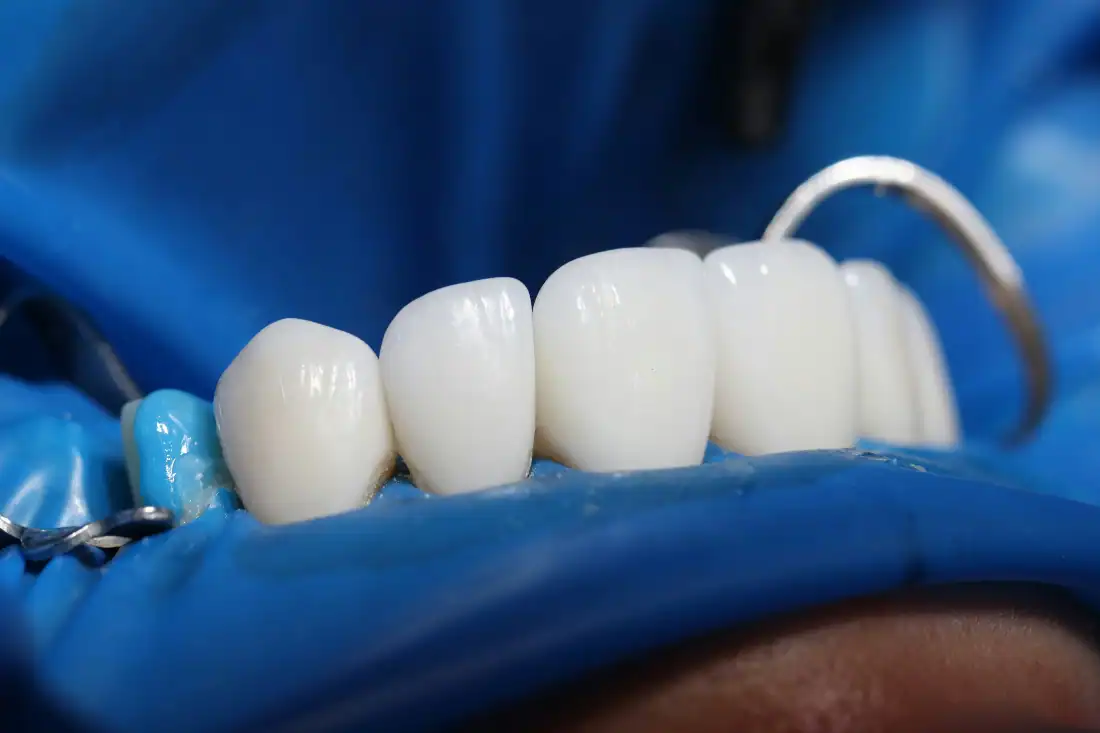
Same-day crowns are dental restorations that can be created and placed in one appointment. Dentists use CAD/CAM computer technology to design and fabricate crowns on-site, eliminating the need for a dental lab and multiple visits. You can find same-day crowns in Oklahoma City, OK, at several dental practices equipped with CAD/CAM technology.
What Should I Do If I Have a Loose Crown?
Loose crowns can occur due to wear, damage to the underlying tooth, or issues with the cement holding it in place. If your crown feels loose, avoid chewing on that side of your mouth and contact your dentist as soon as possible to prevent further damage or the risk of swallowing the crown. Your dentist will assess whether the crown can be re-cemented or if a new crown is necessary.
Dental Cap vs. Crown
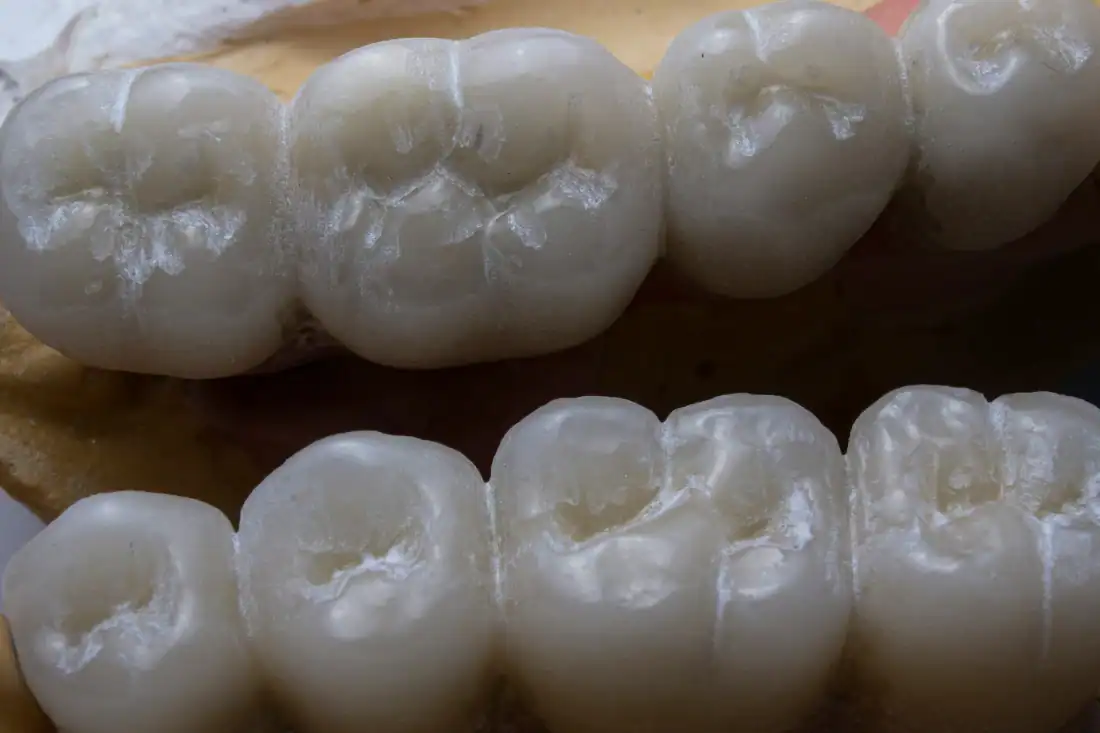
A dental cap and a crown are essentially the same thing. Both terms refer to the same procedure, where a tooth-shaped “cap” is placed over a tooth to restore its shape, size, strength, and appearance. Crowns are used to protect weak teeth, cover discolored teeth, or as part of dental implant treatments. The term “cap” is just a more informal way of describing a dental crown.
Caring for Your Crowns: Simple Tips for Long-lasting Results
Practice Good Oral Hygiene
Brush at least twice a day and floss daily, focusing on the area around the crown to prevent plaque and protect the tooth underneath.
Use Non-Abrasive Toothpaste
Choose non-abrasive toothpaste to avoid scratching the crown’s surface, preserving its appearance.
Avoid Hard Foods
Be cautious with hard foods like nuts and ice, as they can damage or dislodge your crown. Additionally, one of the disadvantages of dental crowns is that they can sometimes cause sensitivity as the tooth adjusts to the new crown. So, be mindful of the food and drinks you consume.
Regular Dental Checkups
Visit your dentist regularly for checkups and cleanings to ensure your crown and surrounding teeth remain healthy.
Watch for Changes
Monitor your crown for looseness, discomfort, or discoloration, and contact your dentist if needed.
Use a Nightguard
If you grind your teeth, a nightguard can help protect your crowns and natural teeth from wear.
Limit Staining Foods and Drinks
Cut back on coffee, tea, red wine, and berries to keep your crown bright. Rinse with water afterward if you indulge.
Following these tips will help keep your crowns in great shape and maintain a healthy smile for years.

Need a Dental Crown?
If you’re in the market for a dental crown, you’re making a smart choice for your oral health. Crowns not only protect weak or damaged teeth, but also offer an opportunity to improve the appearance of discolored teeth.
Remember, the benefits of dental crowns extend beyond just aesthetics. They provide crucial support and stability, helping you maintain proper function in your bite. While temporary crowns serve as a stopgap, it’s essential to transition to a permanent solution for long-lasting results.
At Dental Innovations in Oklahoma City, we’re committed to guiding you through your options and helping you understand the lifespan of a dental crown. If you have questions or are ready to take the next step, don’t hesitate to reach out. Let us help you achieve a beautiful, healthy smile that lasts for years to come!
This article is for educational purposes only and does not replace a dental exam or diagnosis. If you have pain, swelling, or other concerns, please contact a dentist or doctor. Contact us at 405-691-087 or email us at info@dentalinnovationsokc.com.