Porcelain crowns are like the royalty of dental restorations—sleek, sophisticated, and undeniably dazzling. They’re designed to blend seamlessly with your natural teeth, restoring not only your smile but your confidence too. But let’s address the big question: how strong are these regal restorations? In this blog, we’ll take a closer look at their durability and why they’re a top choice for patients at Dental Innovations in Oklahoma City. Spoiler alert: these crowns are more than just a pretty face!
Related Article: What Are CEREC 3-D Crowns and Why Are They So Popular?
Strength Meets Elegance
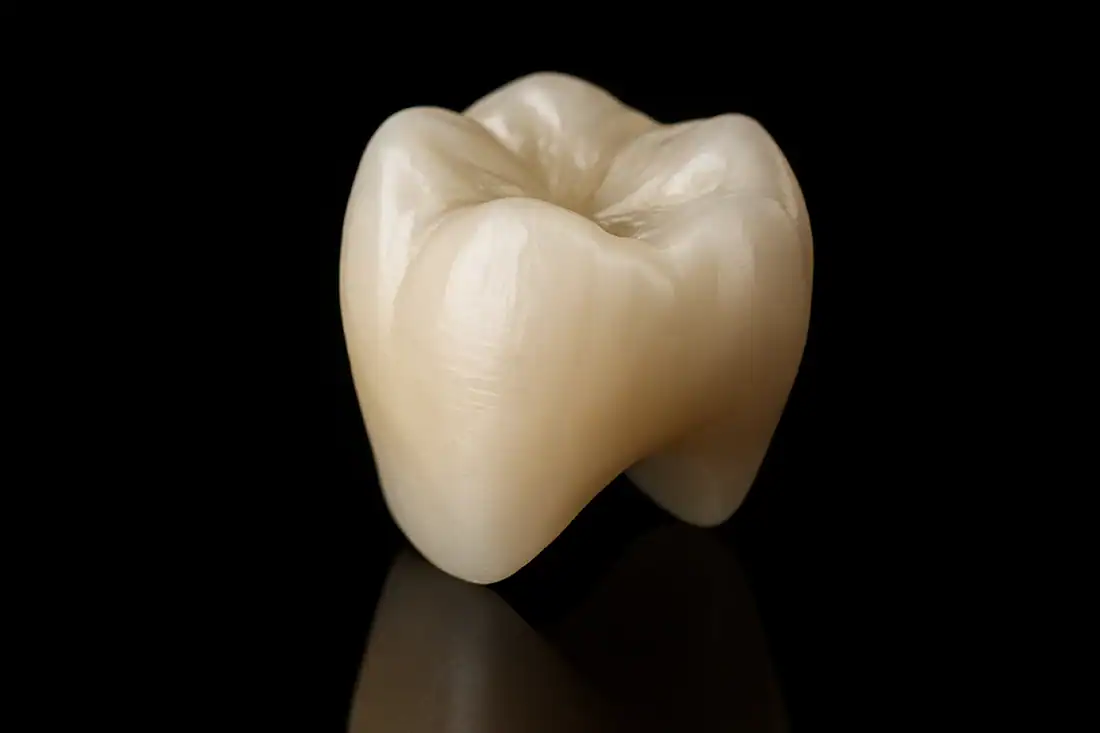
Porcelain dental crowns combine durability with a natural appearance, making them an ideal option for restoring damaged teeth. Crafted from high-quality materials, they can handle the daily tasks of biting, chewing, and speaking without losing their shine or strength. When properly maintained, porcelain crowns can last 10-15 years—or longer.
This longevity comes from their ability to resist wear while preserving the integrity of the underlying tooth structure. With proper care and regular dental visits, these crowns remain a dependable part of your smile for years.
What Are Porcelain Crowns and Why Should You Consider Them?
Porcelain crowns are protective coverings that encase the visible portion of a damaged or weakened tooth. They’re crafted from high-quality ceramic material designed to mimic the appearance and strength of natural teeth. Dentists often recommend crowns for teeth that are:
- Severely decayed or worn down
- Cracked, fractured, or weakened by large fillings
- Discolored or misshapen
- Treated with a root canal and need additional protection
The beauty of porcelain crowns lies in their ability to restore both form and function. In addition to their natural appearance, porcelain crowns are robust enough to withstand the daily rigors of biting and chewing.
Porcelain Crown Procedures: What to Expect
The journey to a healthier, more confident smile involves several key steps:

Step 1: Consultation and Examination
Your dentist begins by evaluating the affected tooth to determine if a dental crown is the best solution. This may include taking X-rays to assess the tooth’s structure and the surrounding area.
Step 2: Tooth Preparation
The damaged or decayed tooth is shaped to create space for the dental crown. This involves removing a small amount of enamel to ensure the dental crown fits snugly and aligns with your bite.
Step 3: Dental Impressions
After preparation, impressions of your tooth are taken, either with traditional molds or advanced digital scanners. Then, the impressions taken are sent to a laboratory. This is where your custom porcelain crown is made to match your actual teeth.
Step 4: Temporary Crown Placement
While your permanent crown is being made, a temporary crown is placed to protect the prepared tooth. This allows you to eat and speak normally in the interim.
Step 5: Fitting and Adjustments
Once the permanent crown is ready, your dentist will check its fit, color, and alignment. Adjustments may be made to ensure it feels comfortable and blends seamlessly with your smile.
Step 6: Crown Placement
The porcelain crown is permanently bonded to your tooth using dental cement. Your dentist will carefully position the dental crown and check your bite to make sure everything is perfect.
Step 7: Follow-Up Care
You’ll receive instructions on how to care for your porcelain crown. Regular brushing, flossing, and dental check-ups are important. Doing these will help keep your crowns in optimal condition for many years.
With careful attention to detail at every stage, porcelain crowns provide a strong, natural-looking solution for damaged teeth. At Dental Innovations in Oklahoma City, we make the process smooth and stress-free, giving you a smile you’ll love.
Making Your Porcelain Crowns Last
Porcelain crowns are extremely strong, but they still need care to maintain their integrity. Here are some tips for proper care:
Maintain Regular Brushing and Flossing
Use a soft-bristled toothbrush to clean around your dental crowns without causing unnecessary wear. Floss daily to prevent decay near the dental crown’s edges.
Stick to Regular Dental Visits
Routine check-ups help identify minor dental issues before they escalate, ensuring your crown stays in optimal condition.
Avoid Hard or Sticky Foods
Chewing ice, hard candies, or sticky foods can put undue stress on your dental crown, increasing the risk of damage.
Address Teeth Grinding
Bruxism can wear down dental crowns over time. If you grind your teeth, ask your dentist about a custom nightguard.
Protect Your Teeth During Activities
If you play contact sports, wearing a mouthguard can help protect your porcelain crown and natural teeth from impact.
Handling Common Issues With Porcelain Crowns
Like any dental solution, porcelain crowns may come with occasional challenges. Here’s how to address some common concerns:
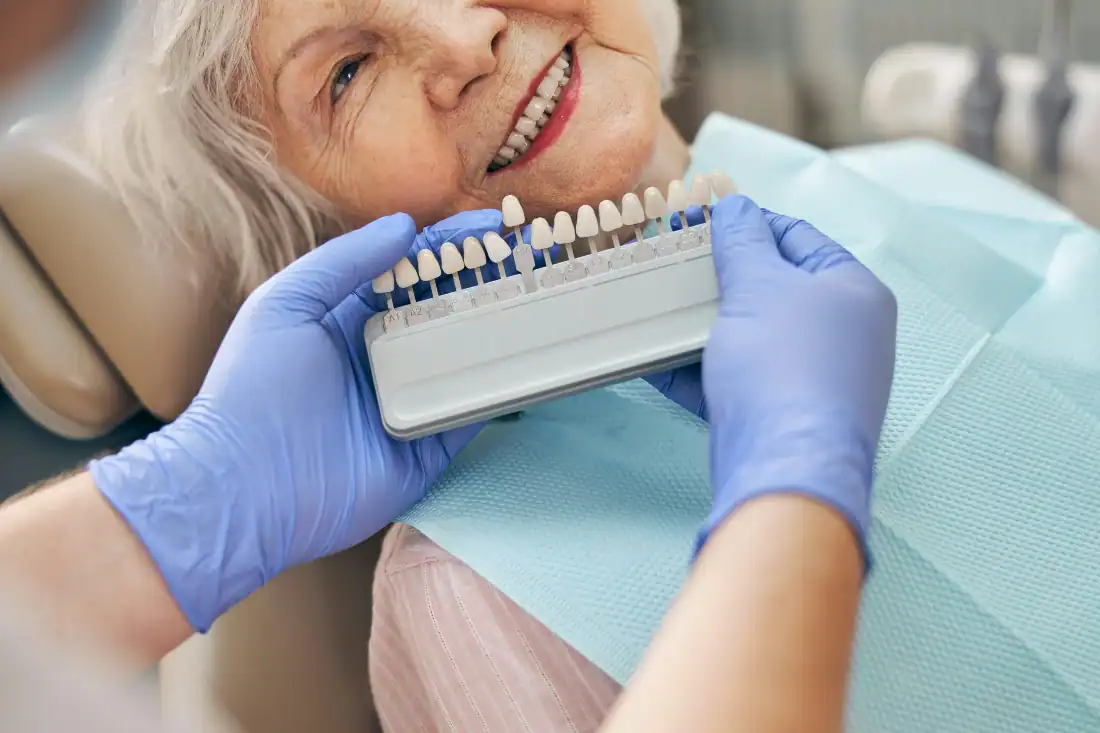
Sensitivity: It’s normal to experience mild sensitivity after crown placement. This usually subsides within a few days. If sensitivity persists, your dentist may recommend a special toothpaste or check for other issues.
Chipping: While porcelain crowns are strong, they’re not indestructible. Avoid biting on hard objects like ice or pens to reduce the risk of damage.
Loose Crown: If your crown feels loose, contact your dentist promptly. They can re-cement it to restore its stability.
Regular dental check-ups can help catch and resolve these issues early.
How Strong Are Porcelain Crowns Compared to Other Options?
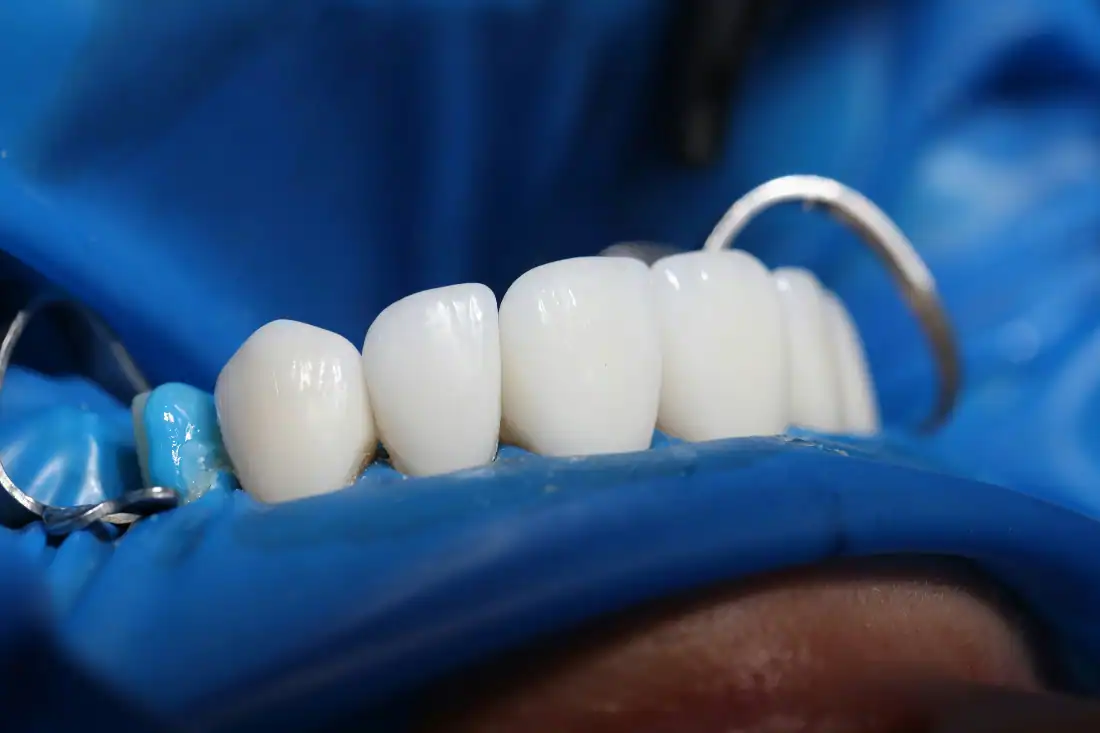
Porcelain crowns hold their own against other dental crown materials in terms of strength and appearance. Here’s how they stack up:
Metal Crowns
Known for their durability, metal crowns are often used on molars. However, they lack the natural appearance of porcelain crowns, making them less ideal for visible teeth.
PFM Crowns (Porcelain-Fused-to-Metal)
These combine a metal base with a porcelain coating for improved aesthetics. However, the metal underneath can sometimes show through at the gumline, which isn’t an issue with all-ceramic crowns.
Resin Dental Crowns
While more affordable, resin crowns are less durable and prone to wear. Porcelain crowns are a better long-term investment.
Ceramic Crowns
Similar to porcelain, ceramic crowns also offer a natural look but may not match porcelain’s durability in some cases.
Porcelain Crowns vs. Zirconia Crowns
When considering dental crown placement, you might wonder how porcelain compares to zirconia crowns. Zirconia is another popular material, known for its unmatched strength and resistance to fractures. While zirconia dental crowns are often used for back teeth due to their durability, porcelain crowns are preferred for front teeth because of their real-life look. Both options provide excellent functionality, but porcelain crowns offer a lifelike quality that’s hard to beat.
Additionally, porcelain is less likely to trigger adverse reactions in patients with metal allergies, unlike metal-based crowns. This biocompatibility ensures that porcelain crowns are safe and suitable for nearly everyone, even those with sensitive systems.
The Cost of Porcelain Crowns
Porcelain crowns cost more than some other options, but they offer unparalleled value for their durability and natural look. The price depends on factors like your dentist’s expertise, the complexity of the procedure, and whether dental insurance covers part of the expense.
Debunking Myths About Porcelain Crowns
Let’s set the record straight on some common misconceptions:
Myth: Porcelain crowns are fragile.
Fact: Porcelain crowns are designed to withstand the forces of biting and chewing. When properly cared for, they’re incredibly durable.
Myth: They look fake.
Fact: Modern porcelain crowns are crafted to mimic the natural appearance of teeth, making them virtually indistinguishable from the rest of your smile.
Myth: Crowns are only for older adults.
Fact: Crowns are suitable for people of all ages who need dental restoration.
The Relationship Between Dental Crowns and Implants
The relationship between dental implants and porcelain crowns is integral in modern restorative dentistry. Together, they provide a comprehensive solution for replacing missing teeth, combining the strength of implants with the aesthetic appeal of crowns. Here’s how they work together:
Dental Implants: The Foundation
A dental implant acts as the artificial root of a missing tooth. It’s a small titanium or zirconia post that is surgically placed into the jawbone, where it fuses with the bone in a process called osseointegration. This creates a stable and durable foundation for a replacement tooth. Dental implants are celebrated for their strength, longevity, and ability to preserve jawbone structure by stimulating bone growth, which prevents the bone loss often associated with missing teeth.
Porcelain Crowns: The Finishing Touch
Once the implant has fully integrated into the jawbone, a porcelain crown is placed on top of it to complete the restoration. The crown is custom-designed to match the color, size, and shape of the patient’s natural teeth, ensuring a seamless and lifelike look. Dental crowns are ideal for this purpose because of their durability, resistance to staining, and ability to mimic the translucence of natural enamel.
How They Work Together
The dental implant and porcelain crown work as a team: the implant serves as the foundation, integrating with the jawbone to provide structure and stability, while the crown replicates the appearance and function of a natural tooth. Together, they restore your smile’s aesthetics and functionality.
Structure and Stability
The implant acts like a tooth’s root, securely anchoring into the jawbone. This stability prevents neighboring teeth from shifting into the gap left by a missing tooth, preserving the alignment of your smile.
Durability and Functionality

Implants are designed to last for decades with proper care. The porcelain crown attached to the implant is both durable and lifelike, allowing you to eat, speak, and smile with confidence, just as you would with natural teeth.
Benefits of the Implant-Crown Combination
- Natural Look and Feel: The porcelain crown gives a lifelike appearance, while the implant anchors it securely, making it feel like a natural tooth.
- Long-Lasting Results: With proper care, dental implants and their porcelain crowns can last for decades.
- Preservation of Oral Health: Dental implants prevent bone loss and maintain the alignment of surrounding teeth, while porcelain crowns protect and complete the restoration.
- Customization: Each porcelain crown is tailored to match the unique features of the patient’s smile, ensuring a personalized fit and appearance.
In summary, the relationship between dental implants and porcelain crowns is symbiotic. The implant provides a strong and durable base, while the porcelain crown delivers a beautiful and functional finish, making this combination one of the most effective solutions for tooth replacement in modern dentistry.
Natural Teeth Letting You Down? A Dental Crown Might Be The Fit For You!
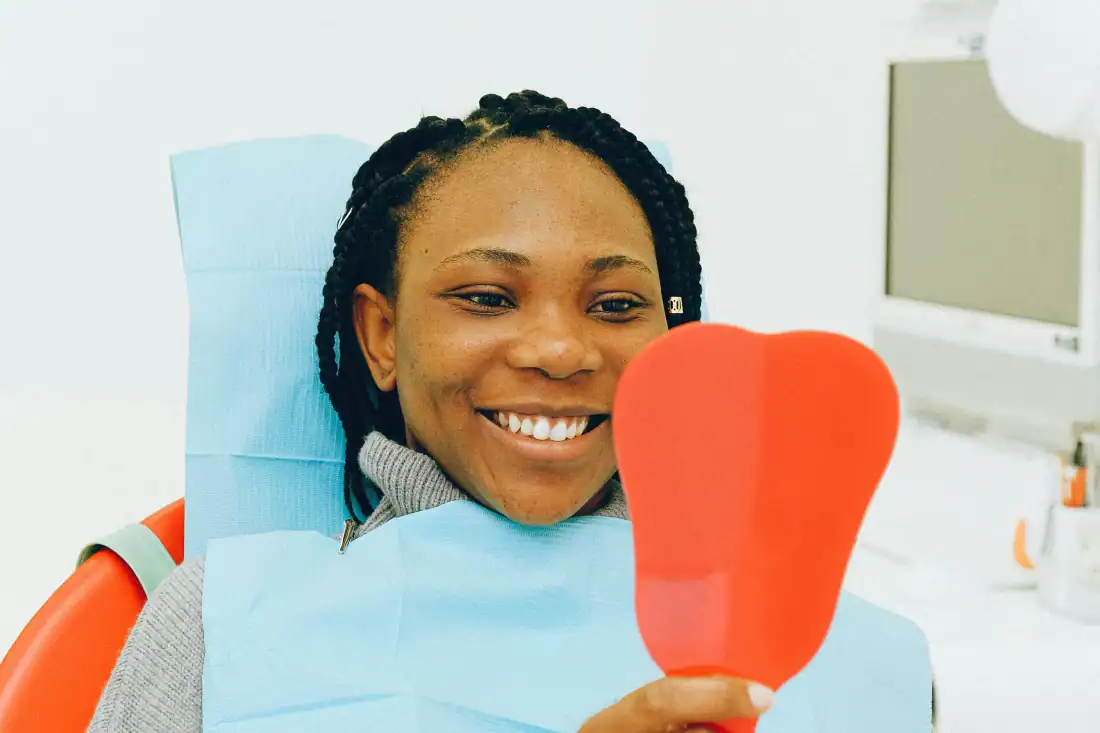
Porcelain crowns are a durable, natural-looking solution for a variety of dental issues. From their ability to mimic natural teeth to their strength and longevity, they remain one of the most popular choices for dental restorations.
At Dental Innovations in Oklahoma City, we specialize in crafting custom crowns that fit perfectly and look stunning. See how porcelain crowns can benefit you. Schedule a consultation today, and let’s create a smile you’ll love.
Give us a call at 405 691 0877 or send an email to info@dentalinnovationsokc.com for all your dental treatments.





1 comment
jazz tate
After cracking a filling last year, I got curious about how strong porcelain crowns really are. The points here match what my dentist explained during my consultation. It’s reassuring knowing modern crowns hold up well.