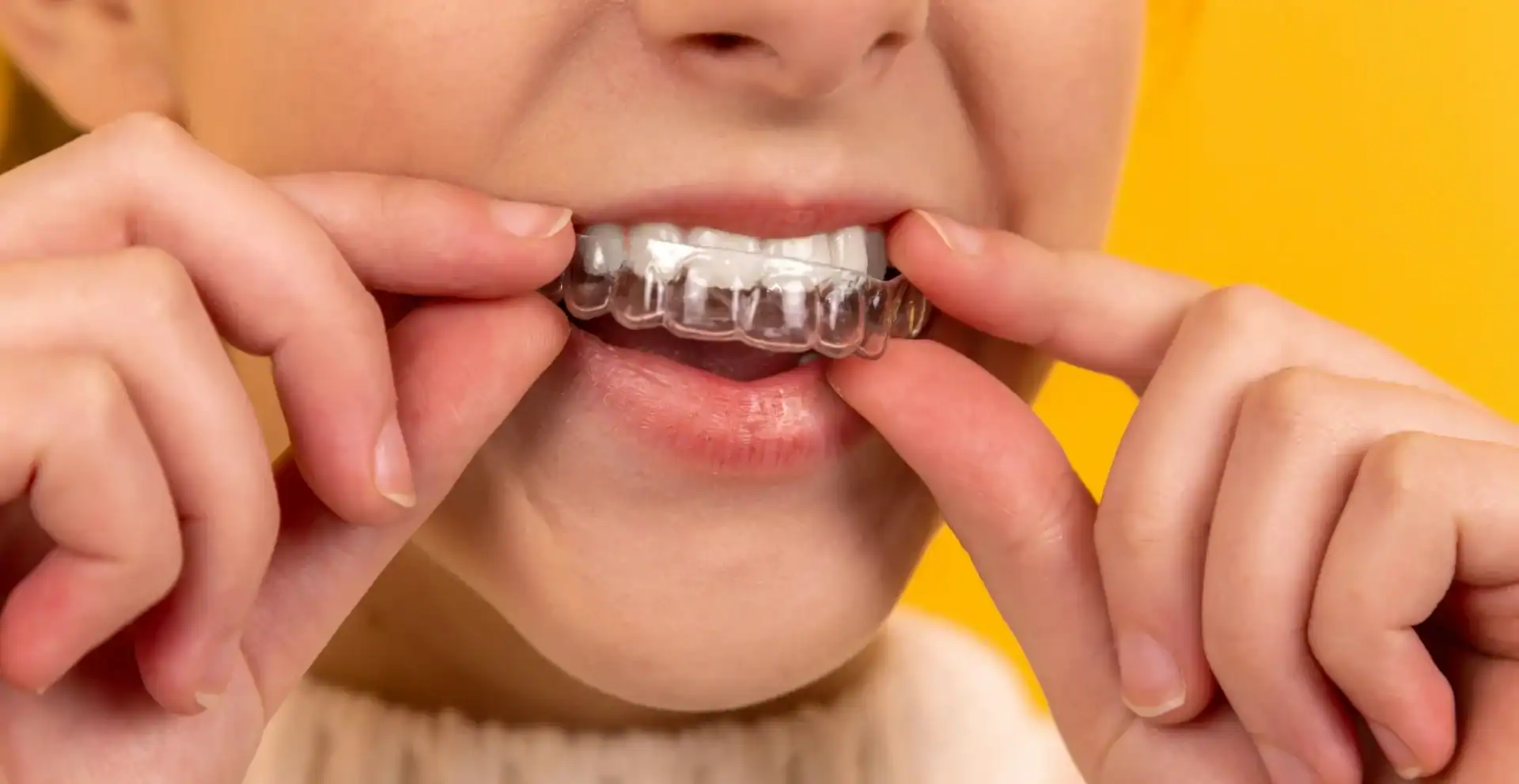
If you have bleeding gums or swollen gums, you are in good company. Gum disease is common and can harm overall oral health if left untreated. At Dental Innovations in Oklahoma City, we explain what is happening, why it occurs, and how a tailored treatment plan keeps teeth and gums on track.
Is Gum Disease Curable
The short answer depends on the stage. Gingivitis, the early stage of infection, often reverses with a professional cleaning, better oral hygiene, and regular dental checkups. Advanced periodontitis is different. Once attachment and bone loss occur, a full cure is unlikely. Still, with steady care, you can control inflammation, avoid tooth loss, and keep teeth healthy for years.
Gum Disease Basics: What Starts It and How to Stop It
Gum infection begins when plaque and tartar sit along the gumline. The sticky biofilm hardens into tartar buildup, irritating gum tissue and the underlying bone and creating deeper pockets.
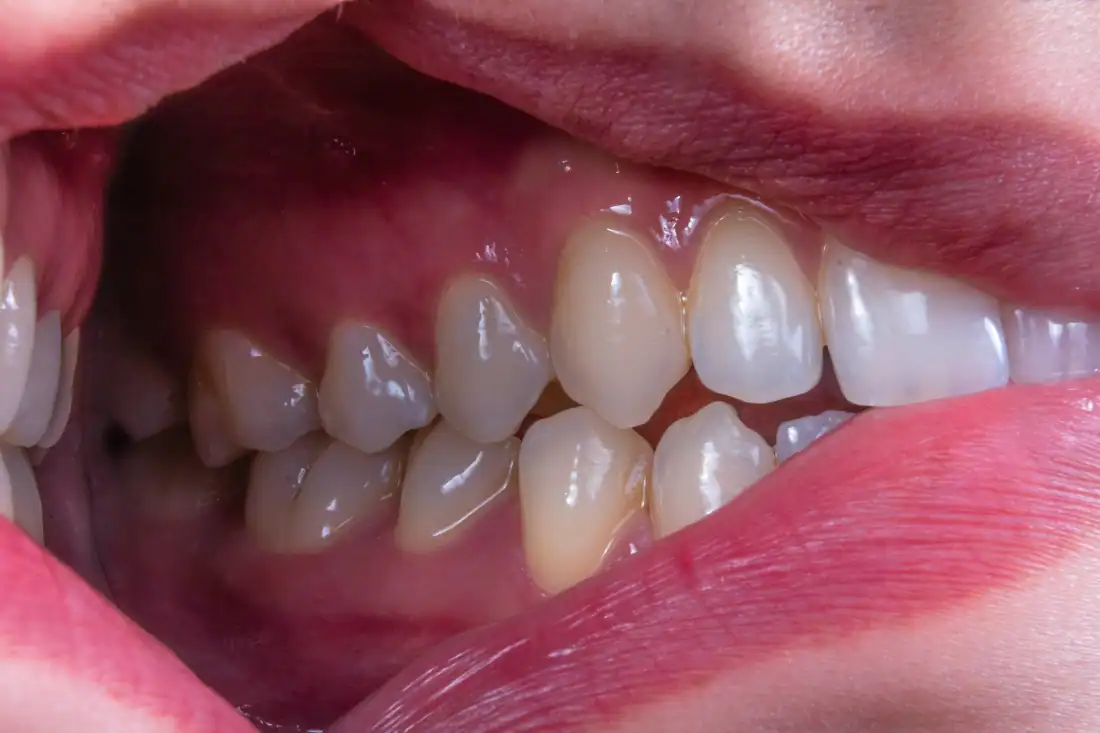
Warning signs of gum disease include:
- Bleeding gums when you brush your teeth or floss
- Bad breath that sticks around
- Sensitive teeth, loose or sensitive teeth, or painful chewing
- Gums pulling away from your teeth
Spotting these warning signs early helps prevent gum disease and protect a healthy mouth.
Periodontal Disease and Your Body: Why Early Action Matters
As infection advances, pockets deepen around teeth roots. During exams, your dental hygienist or dentist uses a tiny ruler called a periodontal probe to measure pocket depth. Without timely professional treatment, bacteria damage soft tissue and root surfaces, and teeth can loosen. Guidance from the American Dental Association and the National Institute of Dental and Craniofacial Research links gum infection with broader health problems, including diabetes complications, heart disease, and low birth weight.
Oral Health Habits That Protect Gums for the Long Haul
A stable mouth supports your overall well-being. Your medical history, daily habits, and health conditions all influence risk.
Key risk factors:
- Poor oral hygiene and missed maintenance visits
- Crooked teeth that trap debris on tooth surfaces
- Hormonal changes such as pregnancy or menopause
- Poor nutrition that undermines healing
- Tobacco, including chew tobacco
Reducing risks and keeping a realistic schedule for care make prevention easier.
Gum Disease Treatment
Your gum disease treatment plan is personalized. We start by lowering bacterial load, then keep results with habits you can maintain.
Core steps:
- In-office care to remove plaque, calculus, and irritants
- Home routines that reduce plaque and keep bacteria away from your teeth
- Recall intervals based on healing, pocket depth, and comfort
This stepwise approach simplifies decisions and supports long-term stability.
Oral Hygiene Playbook: Brush, Floss, Rinse, Repeat
Daily care protects your investment in treatment.
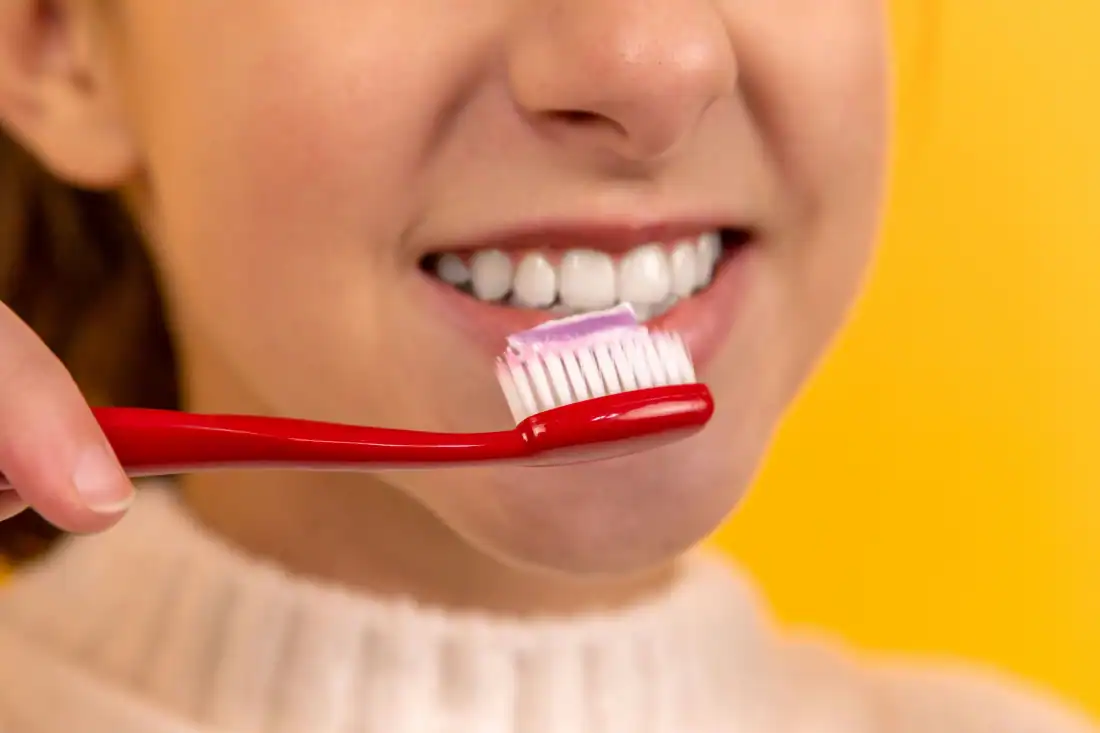
Essential practices:
- Brush your teeth twice a day with fluoride toothpaste
- Clean between teeth with floss or interdental brushes to disrupt plaque, tartar, and bacteria
- Use a mouth rinse if your clinician recommends it
These habits clear biofilm from tooth surfaces and root surfaces, helping results last between visits.
Nonsurgical Treatment First
Most patients begin with nonsurgical treatment. The cornerstone is scaling and root planing, a focused deep cleaning performed by a dentist or dental hygienist.
- Scaling removes tartar and biofilm below the gumline that brushing cannot reach.
- Root planing smooths the root so bacteria are less likely to reattach.
Many people see reduced bleeding, calmer tissues, and easier home care after this phase.
Pocket Reduction Surgery
When pockets remain too deep to clean, pocket reduction surgery creates better access for decontamination and repositions the gum so you can maintain the area at home. The goal is a cleanable architecture that lowers future calculus and protects the underlying bone.
When it helps:
- Persistent deeper pockets after initial therapy
- Areas where home care tools cannot reach
- Recurrent inflammation despite good routines
This procedure supports lasting results by making hygiene practical.
Bone Graft Basics: Rebuilding Support Around At-Risk Teeth
When defects are present, a bone graft can rebuild support and stabilize mobility. Your periodontist may use your own bone or a biocompatible material, depending on the site and goals. In the right cases, grafting can reduce the risk of loose teeth and help prevent further tooth loss.
Typical aims:
- Fill angular defects
- Improve tooth stability
- Create a foundation for future maintenance
Guided Tissue Regeneration
Guided tissue regeneration places a barrier membrane to guide new attachment in select defects. It is often paired with a bone graft when the defect shape is favorable. Your clinician will review candidacy based on anatomy, depth, and access.
What it can do:
- Encourage new ligament and bone where possible
- Reduce pocket depth in targeted areas
- Improve long-term maintainability
Antibiotic Therapy
Adjunct antibiotic therapy controls bacterial loads during healing. Options include locally delivered gels or chips placed into pockets or short systemic courses for acute infections. Antibiotics support care but never replace cleaning or strong oral hygiene.
Good candidates:
- Localized sites with persistent bleeding
- Acute abscess episodes
- Patients with systemic modifiers in their medical history
Flap Surgery
Flap surgery lifts the tissue for direct access to stubborn deposits around teeth roots, reshapes the area, and creates a smoother, easier-to-clean landscape. By improving access, it helps you maintain results with routine tools rather than struggling with hard-to-reach pockets.
Why it works:
- Full visibility of root anatomy
- Precise removal of plaque, tartar, and bacteria
- Tissue placement that supports home care
What To Expect At Dental Innovations

As your periodontics Oklahoma City team, your visit begins with a comprehensive periodontal charting using that tiny ruler called a probe, a review of plaque and tartar levels, and a discussion of risk factors, health conditions, and your habits. Based on findings, your plan may include scaling and root planing, targeted antibiotic therapy, and, when indicated, surgical treatments such as pocket reduction surgery, flap surgery, bone grafts, or guided tissue regeneration. We set maintenance on a schedule that fits healing, often every three to four months for periodontal patients, and we coach tools you will actually use.
Daily Care To Prevent Relapse
Small, consistent steps pay off.
At home:
- Keep good oral hygiene routines with fluoride toothpaste and interdental cleaning
- Consider a clinician-approved mouth rinse
- Watch for gum disease, including signals like bleeding or persistent odor
Lifestyle:
- Improve poor nutrition patterns with fiber-rich foods and water
- Discuss hormonal changes or medications with your healthcare team
- Quit tobacco, including chew tobacco, to support healing
In the chair:
- Stick to your maintenance visits for professional cleaning
- Ask about tools for tight spaces around crooked teeth
- Address concerns early rather than waiting
These moves keep bacteria away from your teeth and make long-term care simpler.
Schedule Your Periodontal Evaluation
If you notice bad breath, sensitive teeth, loose or sensitive teeth, or gums pulling away from your teeth, see a dentist. Call 405-691-0877 or email info@dentalinnovationsokc.com. We will assess pocket depths, tailor care from nonsurgical treatment to advanced procedures, and help you protect your oral health with a plan that fits your life and keeps results steady.