If you’ve ever experienced mouth ulcers, you know just how uncomfortable these painful lesions can be! These small open sores can make eating, drinking, and even talking a challenge. At Dental Innovations, Dr. Mark D. Shirley and our caring team understand how canker sores can disrupt your daily life, and we’re here to help you find relief. The good news? Choosing the right foods can make a big difference in soothing discomfort and supporting the healing process. And if diet changes aren’t enough, our canker sore treatment options can help ease pain and speed up healing.
Understanding Mouth Ulcers and Their Impact on Eating
Mouth ulcers, also called canker sores or mouth sores, are small, shallow lesions that develop on the soft tissues inside your mouth or at the base of your gums. Unlike cold sores, these open sores aren’t contagious and don’t occur on the surface of your lips. Canker sores can’t be passed on to other people. [1] They can appear white, yellow, or gray with a red border, and they typically cause a burning sensation or tingling feeling.
When it comes to eating, mouth ulcers can make meals miserable. The exposed nerve endings in the ulcer react to certain foods, especially those that are highly acidic, spicy, salty, or have rough textures. This reaction can cause severe pain that makes you want to avoid eating altogether. However, proper nutrition is essential for healing, so finding the right foods is crucial for your comfort and recovery.
The impact on eating goes beyond just pain. Many people with mouth sores find themselves skipping frequent meals or eating less than they should, which can slow down healing and lead to nutritional deficiencies. Emotional stress from dealing with constant discomfort can also trigger ulcers or make existing ones worse. That’s why understanding what to eat when you have mouth ulcers is so important; it helps you maintain good nutrition while minimizing further irritation.
Best Foods to Eat When You Have Mouth Ulcers
The key to eating comfortably with canker sores is choosing foods that are soft, bland, and non-acidic. These nutrient-rich foods won’t irritate the sensitive tissue and will help you get the essential nutrients you need without causing additional pain. Let’s explore the best foods that can help make your recovery more comfortable and accelerate healing.
Soft Fruits and Non-Acidic Fruits

When selecting produce, opt for naturally soft options that won’t cause a burning sensation or further irritation.
Bananas are an excellent choice; they’re naturally soft, easy to eat, and packed with vitamins that promote healing. Melons like watermelon and cantaloupe are also wonderful because they’re hydrating, gentle on open sores, and provide natural sweetness without being acidic. Avocados offer healthy fats and a creamy texture that’s easy to swallow and won’t irritate.
Avoid acidic fruits like citrus fruits (oranges, lemons, grapefruits) and pineapples that contain high levels of acid. Even strawberries and other acidic fruits can cause discomfort. Steer clear of apple juice and citrus juices as well; these highly acidic beverages can trigger intense pain. Instead, stick with non-acidic fruits that have a soothing effect on your mouth.
Cooked Vegetables and Soft Options
Raw vegetables can be problematic due to their crunchy texture, but cooked vegetables become tender and are perfect foods to eat when you have mouth sores.
Steamed or boiled carrots become tender and sweet, making them much easier to eat than raw ones. Cooked squash, whether it’s butternut, zucchini, or yellow squash, has a soft texture that’s perfect for sensitive mouths. Steamed spinach and other leafy greens are also great options; they’re nutrient-rich foods that become very soft when properly prepared.
Mashed potatoes are the ultimate comfort food and one of the easiest things to eat with canker sores. Make them extra creamy with milk and butter, and ensure there are no lumps that might irritate your sore. Sweet potato mash is equally soothing and adds extra vitamins to your diet. These foods provide essential nutrients while being gentle on your mouth.
Avoid raw vegetables like carrots, celery, and peppers that can scratch or poke the ulcer. Their crunchy texture can reopen a healing sore and cause severe pain.
Dairy Products and Protein Sources
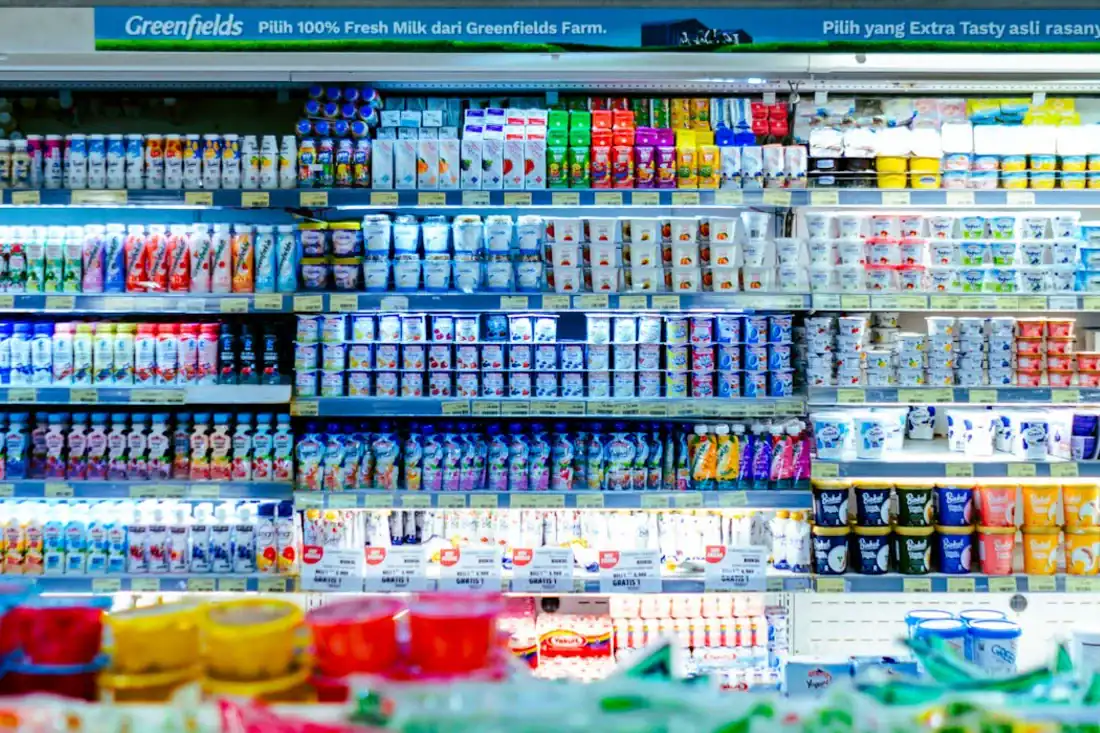
Protein is essential for tissue repair and healing, so it’s important to find gentle protein sources that won’t aggravate your mouth ulcers.
Plain yogurt is one of the best dairy options for mouth sores: it’s soft, cool, and easy to swallow. Plain milk, whether dairy or non-dairy alternatives, can also be comforting and provides calcium and protein. Cottage cheese is another excellent choice; its soft curds are easy to eat and packed with protein.
For additional protein, soft-scrambled or boiled eggs are perfect choices. Eggs are versatile, easy to prepare gently, and loaded with nutrients. Silken tofu can be blended into smoothies or eaten plain for a protein boost that requires no chewing.
These dairy products and protein sources help accelerate healing by providing the building blocks your body needs to repair tissue. They also have a soothing effect that can temporarily reduce inflammation and discomfort.
Whole Grains and Comfort Foods
Carbohydrates provide energy and can be very comforting when you’re dealing with mouth pain. The key is choosing soft grains that don’t have sharp edges.
Oatmeal is excellent; cook it with extra liquid to make it creamy and smooth. Soft rice, especially white rice cooked until it’s very tender, is another excellent option. Pancakes and waffles, when cut into small pieces and moistened with syrup or butter, can also be gentle enough to enjoy.
These foods to eat provide sustained energy while being kind to your sensitive mouth tissues.
Foods to Avoid with Mouth Ulcers

Knowing what not to eat is just as important as knowing what to eat when you have mouth ulcers. Certain foods and irritating foods can significantly increase pain and may even slow down healing by repeatedly causing further irritation.
Acidic Foods and Drinks
Acidic foods are the primary culprits. Citrus fruits like oranges, lemons, and grapefruits contain high levels of acid that can burn and sting canker sores. Tomatoes and tomato-based products like pasta sauce, ketchup, and salsa should also be avoided.
Citrus juices, apple juice, and carbonated drinks are highly acidic and will cause a burning sensation. Even vinegar-based dressings should be eliminated temporarily. These highly acidic items can trigger ulcers in some people and definitely make existing ones worse.
Spicy Foods and Hot Sauces
Avoid spicy foods completely while healing. Anything containing hot peppers, curry, hot sauces, or strong spices will likely cause intense burning and severe pain. Even mild seasonings can be problematic for some people with food sensitivities.
Salty Foods and High Sodium Foods
Salty foods can sting an open sore, and hard, crunchy snacks like chips, pretzels and salted nuts can scrape it. Skip them until the sore heals. [2]
Crunchy Foods and Hard Foods
Crunchy foods and hard foods should be off your menu until the ulcer heals. Toast, crackers, raw vegetables, hard fruits like apples, chips, nuts, and hard candies can all scratch or poke the ulcer, making it worse. Even the rough texture can reopen a healing sore and cause severe pain.
Other Foods to Avoid
Very hot foods and drinks can also irritate the sore, so let them cool first. [2]
Triggers differ from person to person. Beyond acidic and spicy foods, some people find that caffeine, eggs, cheese, peanuts or almonds set off their sores. [4] If a food seems to bring on ulcers, keep a simple food diary and mention it to your dentist.
Tips for Eating and Drinking with Mouth Ulcers

Beyond choosing the right foods, how you eat matters just as much. These expert advice tips can help minimize discomfort and promote healing.
Temperature and Preparation
Temperature control is essential. Let hot foods cool down to lukewarm before eating. Cool, soft foods and drinks are often the most comfortable, and sipping cool drinks through a straw can help. [2] Drink plenty of water through the day.
Eating Techniques
Practice gentle chewing and take smaller bites than usual. Eat foods slowly and on the opposite side of your mouth from the ulcer when possible. Consider having frequent meals with smaller portions rather than three large meals; this ensures you stay hydrated and nourished without overwhelming your sensitive mouth.
Hydration and Nutritious Drinks
Drink plenty of water throughout the day to keep your mouth clean and promote healing. A nutritious drink like smoothies made with non-acidic fruits, plain yogurt, and milk can provide essential nutrients when chewing is too painful. Use a straw if necessary to direct liquids away from the ulcer.
Stay hydrated—this is crucial for the healing process. Avoid carbonated drinks, alcohol, and highly acidic beverages.
Oral Hygiene
Brush gently with a soft-bristled toothbrush to clean your teeth without irritating the ulcer. Rinsing with warm salt water (about half a teaspoon of salt in a glass of warm water) and spitting it out can ease discomfort. [2][4] This simple home remedy can help keep the area clean, reduce inflammation, and accelerate healing.
If you have ill-fitting dental appliances like dentures or braces, they may be causing friction that triggers ulcers. Consult with our team to ensure proper fit.
Professional Dental Care and Oral Health
Maintaining good oral health is essential for preventing and healing mouth sores. At Dental Innovations, we can check for things that keep irritating the same spot, such as a sharp or broken tooth, a rough filling, or braces or dentures that don’t fit well. [2] If sores keep coming back, we can help find the cause.
Regular dental checkups can help identify potential causes of recurring canker sores, including nutritional deficiencies, food sensitivities, or issues with dental appliances. Dr. Shirley can provide professional advice tailored to your specific situation and recommend canker sore treatments that promote healing.
When to See a Healthcare Provider

Most canker sores heal on their own within one to two weeks. [1][3][4] Larger sores can take up to six weeks. [1]
Contact a dentist or doctor if a sore:
- lasts two weeks or longer [1][4]
- is larger than about a centimetre, or looks different from sores you’ve had before [2][4]
- keeps coming back [1][4]
- spreads onto your lips [1]
- bleeds, or becomes more painful and red [2]
- makes it hard to eat or drink, or the pain isn’t controlled [1][4]
- comes with a high fever [1]
If you experience recurring mouth sores frequently, this could indicate a vitamin deficiency, an immune system issue, or another health concern that deserves investigation. Low levels of vitamin B12, zinc, folate or iron have been linked to canker sores. [1][4] If yours keep coming back, ask your dentist or doctor whether testing makes sense before you start taking supplements.
At Dental Innovations, we’re here to help! If you’re experiencing persistent or severe mouth ulcers, learn more about our canker sore treatment in Oklahoma City, or contact us at 405.691.0877 or email us at info@dentalinnovationsokc.com. We’re conveniently located at 2441 SW 134th St. in Oklahoma City, OK 73170.
This article is for general information and isn’t a substitute for professional dental or medical advice. If you’re worried about a sore in your mouth, contact us or your healthcare provider.
Reviewed by Dr. Mark Shirley, DDS · Last reviewed: 10/05/2026
Sources