At Dental Innovations, we believe that understanding your child’s dental development is essential for fostering lifelong oral health. One of the most important stages in this journey involves the emergence and care of milk teeth, also known as baby teeth, primary teeth, or deciduous teeth. These temporary teeth play a crucial role in your child’s growth, from enabling them to chew and speak to guiding the proper alignment of their permanent teeth.
In this blog, we’ll explore everything you need to know about milk teeth, including their development, care, and eventual transition to adult teeth, ensuring your child’s smile stays healthy and strong.
Related Article: How Often Should a Child See a Dentist?
What Are Deciduous Teeth and Why Are They Called That?

Deciduous teeth or milk teeth are the first teeth to erupt in a child’s mouth. They are often called milk teeth because they typically begin to emerge during the period when babies are still on a milk-based diet. This term is more commonly used in Europe, whereas in the United States, ‘baby teeth’ is preferred. These teeth are smaller and whiter than adult teeth, and they eventually make way for the permanent ones.
When Do Milk Teeth Start Erupting?

Most children’s milk teeth start erupting around 6 months of age, although the exact timing can vary. By the time a child reaches their first birthday, it’s common for a few front teeth, or upper incisors, to have appeared.
The full set of 20 milk teeth usually erupts by the time the child is around 3 years of age. These teeth are evenly distributed across the upper and lower jaws, including 10 milk teeth in the lower jaw and 10 in the upper jaw:
- Central incisors
- Lateral incisors
- First molars
- Second molars
The Order of Tooth Development

Milk teeth tend to appear in a predictable sequence:
- Lower central incisors (bottom front teeth)
- Upper central incisors (top front teeth)
- Lateral incisors
- First molars
- Canines
- Second molars
This same order is typically followed during the eruption of permanent teeth.
Why Are Milk Teeth Important?

While milk teeth are temporary, they serve several critical functions. They are significant for a child’s oral and overall health, setting the foundation for lifelong good oral hygiene.
- Guiding Permanent Teeth: Milk teeth act as placeholders for the permanent teeth developing underneath. When a baby tooth falls, the permanent tooth underneath takes its place.
- Facilitating Proper Jaw Development: The alignment of milk teeth helps ensure that the upper and lower jaws develop properly, which is essential for chewing and speaking.
- Enabling Early Nutrition: Healthy milk teeth allow children to chew a variety of foods, contributing to their overall growth and development.
- Speech Development: A primary tooth is essential for helping children form sounds and learn to speak clearly.
How to Care for Milk Teeth

Early dental care for milk teeth is crucial for preventing tooth decay and ensuring the health of permanent teeth. Here are some tips for maintaining good oral hygiene for children:
- Start Early: It’s never too early to start. Even before your baby’s first tooth appears, you should already be cleaning your baby’s gums. We recommend using a clean, damp cloth for this.
- Brush and Floss Regularly: Once teeth start erupting, use a soft-bristled toothbrush and a smear of fluoride toothpaste to clean them twice a day.
- Visit a Dental Practitioner: Schedule the first dental visit by your child’s first birthday. Regular check-ups with a pediatric dentistry professional can help identify any potential issues early.
- Promote a Healthy Diet: Limit sugary snacks and drinks, which can lead to tooth decay. Encourage foods that promote healthy teeth, such as fruits, vegetables, and dairy products.
- Fluoride Treatments: Discuss fluoride treatments with your dentist to strengthen tooth enamel and protect against decay.
Managing Teething Pain

Teething pain can be a challenging experience for both children and parents. As the milk teeth erupt, the gums can become swollen and tender, causing discomfort and irritability in the child. Here are some effective ways to manage teething pain:
- Gently massage the gums: Use a clean finger or a soft, damp cloth to gently massage your child’s gums. This can help reduce swelling and ease the pain.
- Provide teething toys: Offer teething toys or objects that are safe for your child to chew on. This can help distract them from the pain and provide relief.
- Use cold compresses: Apply a cold, damp cloth to the affected area to help reduce swelling and numb the pain.
- Try over-the-counter pain relief: If the pain is severe, consult with your pediatrician about using over-the-counter pain relief medications, such as acetaminophen or ibuprofen.
- Maintain good oral hygiene: Continue to clean your child’s mouth and teeth regularly to prevent infection and promote healing.
By following these tips, you can help alleviate your child’s teething pain and ensure their milk teeth emerge healthy and strong.
Preventing Tooth Decay

Tooth decay is a common problem in milk teeth, but it can be prevented with good oral hygiene habits and a healthy diet. Here are some tips to prevent tooth decay:
- Brush regularly: Brush your child’s teeth at least twice a day with a soft-bristled toothbrush and fluoride toothpaste. This helps remove plaque and prevent cavities.
- Limit sugary snacks: Avoid giving your child sugary snacks and drinks, as they can contribute to tooth decay. Instead, offer healthier alternatives like fruits and vegetables.
- Encourage a healthy diet: Encourage your child to eat a balanced diet that includes fruits, vegetables, dairy products, and whole grains. These foods provide essential nutrients for healthy teeth.
- Visit the dentist regularly: Schedule regular dental check-ups to detect any oral health issues early and prevent further damage. Your dentist can also provide professional cleanings and fluoride treatments.
- Use fluoride treatments: Use fluoride toothpaste. This helps strengthen teeth and prevent tooth decay.
By implementing these practices, you can help prevent tooth decay and ensure your child’s milk teeth remain healthy and strong.
When Do Milk Teeth Fall Out?
Most children begin losing their milk teeth around the age of 6 years. This process continues until about 12 years of age, as the permanent teeth gradually replace the temporary teeth.
The first teeth to fall out are usually the central incisors, followed by the lateral incisors, first molars, and canines. The second molars are typically the last to go.
Common Issues with Milk Teeth: Tooth Decay
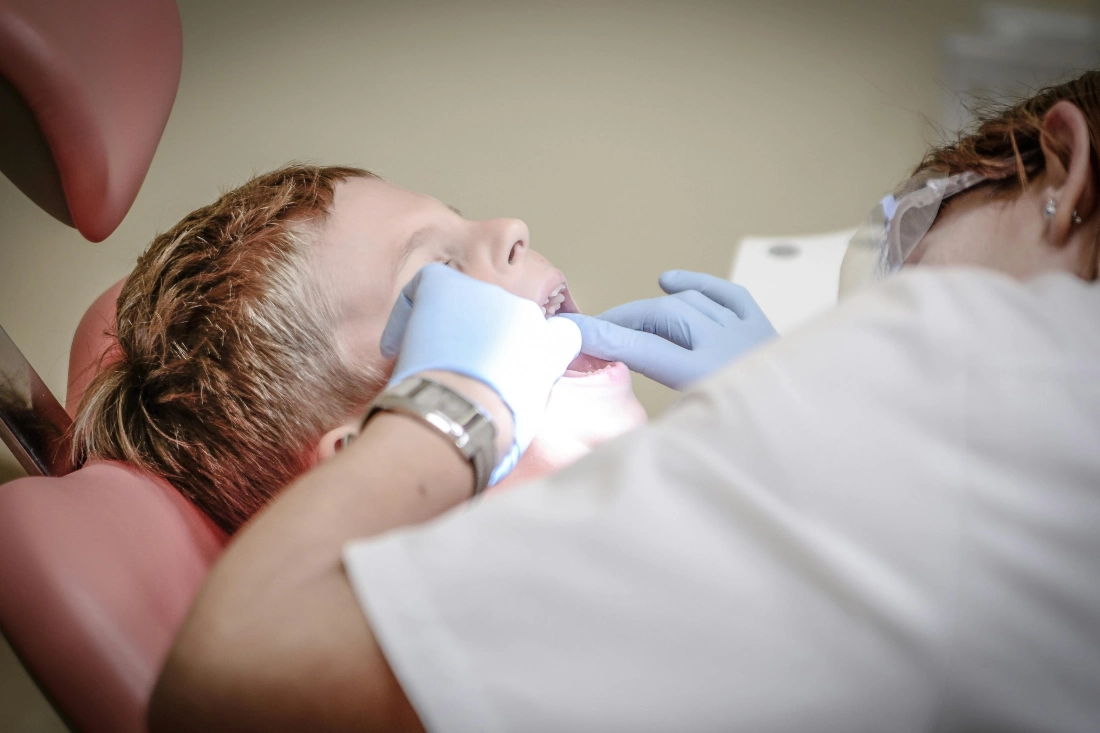
- Tooth Decay: Tooth decay, or cavities, is one of the most common problems affecting milk teeth. Regular brushing, flossing, and dental visits are key to preventing decay.
- Dental Injuries: Children are prone to accidents that can damage their teeth. If a milk tooth is knocked out or injured, consult a dental practitioner immediately.
- Tooth Sensitivity: Some children may experience discomfort or sensitivity in their milk teeth, particularly if decay is present.
Fun Facts About Milk Teeth

- The Tooth Fairy Tradition: Losing milk teeth is often celebrated with the tradition of the tooth fairy or, in some cultures, the tooth mouse, making the process exciting for children.
- Milk Teeth in Animals: Like humans, most mammals also have milk teeth that are replaced by permanent ones as they grow.
Transitioning to Permanent Teeth
As milk teeth fall out, the child’s permanent teeth begin to emerge. There are 32 permanent teeth, including the wisdom teeth, which typically erupt in late adolescence or early adulthood.
Proper care during this transition is vital to ensure the health and alignment of the adult teeth.
Maintaining Good Oral Hygiene at Every Stage
Teaching children the importance of good oral hygiene at a young age sets the foundation for a lifetime of healthy teeth. Encourage them to:
- Brush their teeth twice a day with fluoride toothpaste.
- Floss daily to remove plaque and food particles.
- Visit the dentist regularly for cleanings and check-ups.
Why Choose Dental Innovations?

At Dental Innovations, we’re committed to helping parents and children navigate the stages of tooth development. From caring for milk teeth to ensuring the health of permanent teeth, our team provides personalized guidance and expert care for your child’s oral health.
At Dental Innovations, we’re here to support you every step of the way. Contact us today and let us help you keep your child’s smile healthy and bright!