At Dental Innovations, we know that nothing beats the feeling of a bright, radiant smile after a teeth whitening procedure. Whether it’s for a special event or just to boost your confidence, teeth whitening treatments can work wonders for your appearance. However, once you’ve achieved those newly whitened teeth, you might wonder, “How long after teeth whitening can I eat normally?”
To avoid sensitivity and discomfort, it is important to consume room-temperature foods immediately after the procedure. Avoiding hot or cold items and sticking to plain, room-temperature foods can help mitigate any discomfort following treatment.
To maintain your results and avoid potential discomfort, it’s essential to pay attention to your diet and dental care in the days following your whitening treatment. In this blog, we’ll break down what to eat, what to avoid, and how to keep your teeth white and healthy for as long as possible.
Related Article: Why Do My Teeth Hurt After Whitening Strips?
Understanding the Teeth Whitening Procedure
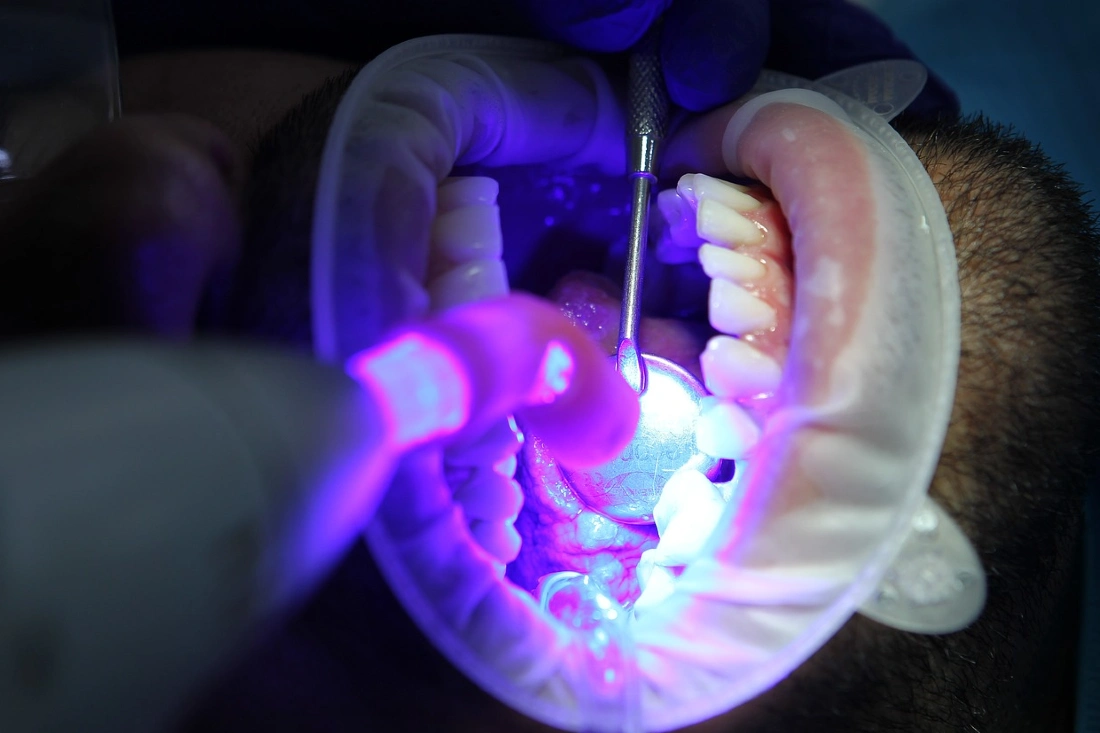
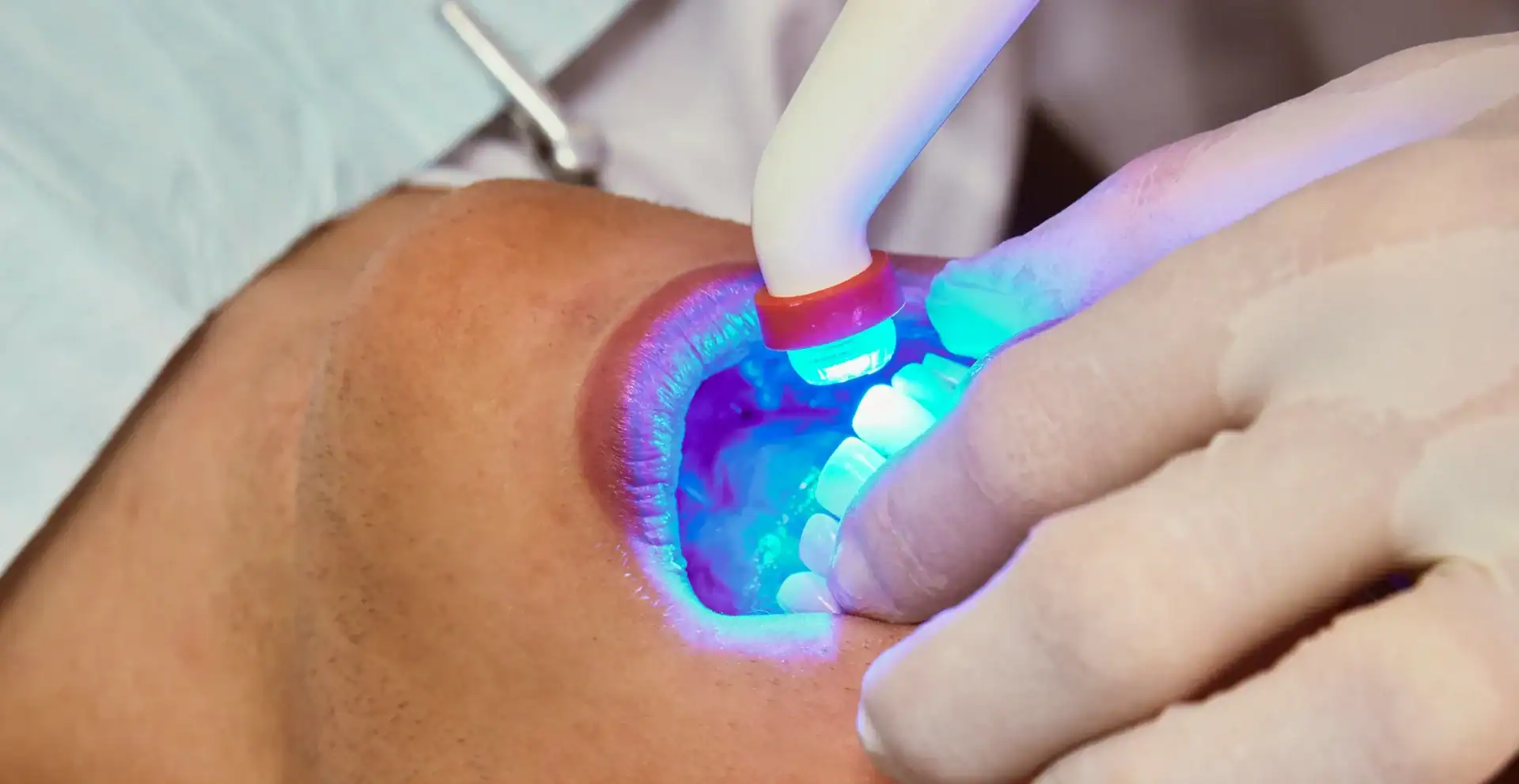
Teeth whitening removes stains and discoloration for a brighter smile. The process typically involves applying a bleaching agent, such as hydrogen peroxide or carbamide peroxide, to the teeth. This agent penetrates the tooth enamel and breaks down the stains, effectively whitening the teeth.
During the teeth whitening procedure, the tooth enamel temporarily expands to allow the bleaching agent to work its magic. This expansion can make your teeth more sensitive, particularly to hot and cold temperatures. However, this sensitivity is usually short-lived and can be managed with desensitizing toothpaste or other products recommended by your dentist. Understanding this process can help you better prepare for the temporary changes in your dental health and ensure you take the necessary steps to protect your newly whitened teeth.
The Science Behind Teeth Whitening
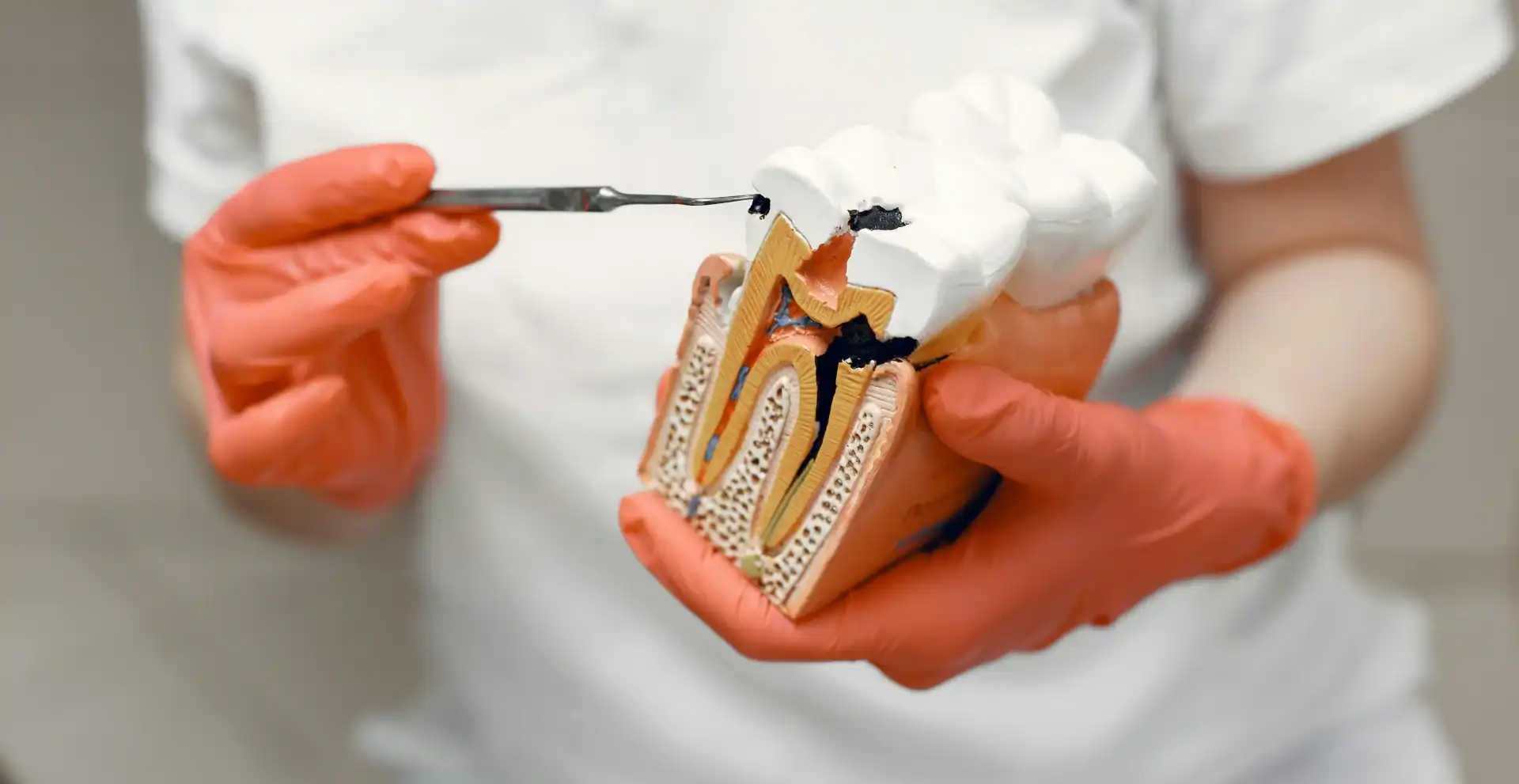
The teeth whitening procedure works by removing surface stains and discoloration using active ingredients like hydrogen peroxide or carbamide peroxide. While these treatments can give you a dazzling smile, they also temporarily weaken your tooth enamel, making your teeth more porous and sensitive.
This increased sensitivity means that certain foods and drinks can easily stain or irritate your teeth immediately after the procedure. The key is to give your teeth time to recover and settle before indulging in your favorite treats.
Professional Teeth Whitening Treatment

Typically performed in a dental office, this treatment involves applying a high-concentration bleaching agent to your teeth. One of the significant advantages of professional teeth whitening is the ability to customize the treatment to meet your specific needs, which can be particularly beneficial if you have stubborn stains or require a more intensive whitening process.
Professional teeth whitening treatments offer several benefits:
- Faster Results: Unlike at-home whitening kits, professional treatments can deliver noticeable results in just one session.
- Customized Treatment: Your dentist can tailor the treatment to your individual needs, ensuring optimal results. This customization can also include combining the whitening treatment with other cosmetic procedures like dental bonding or veneers.
- Safety and Effectiveness: When performed by a qualified dentist, professional teeth whitening is both safe and highly effective, minimizing the risk of adverse effects and ensuring a brighter smile.
By choosing a professional teeth whitening treatment, you can enjoy a more radiant smile with the confidence that comes from knowing your dental health is in expert hands.
What to Eat After Teeth Whitening
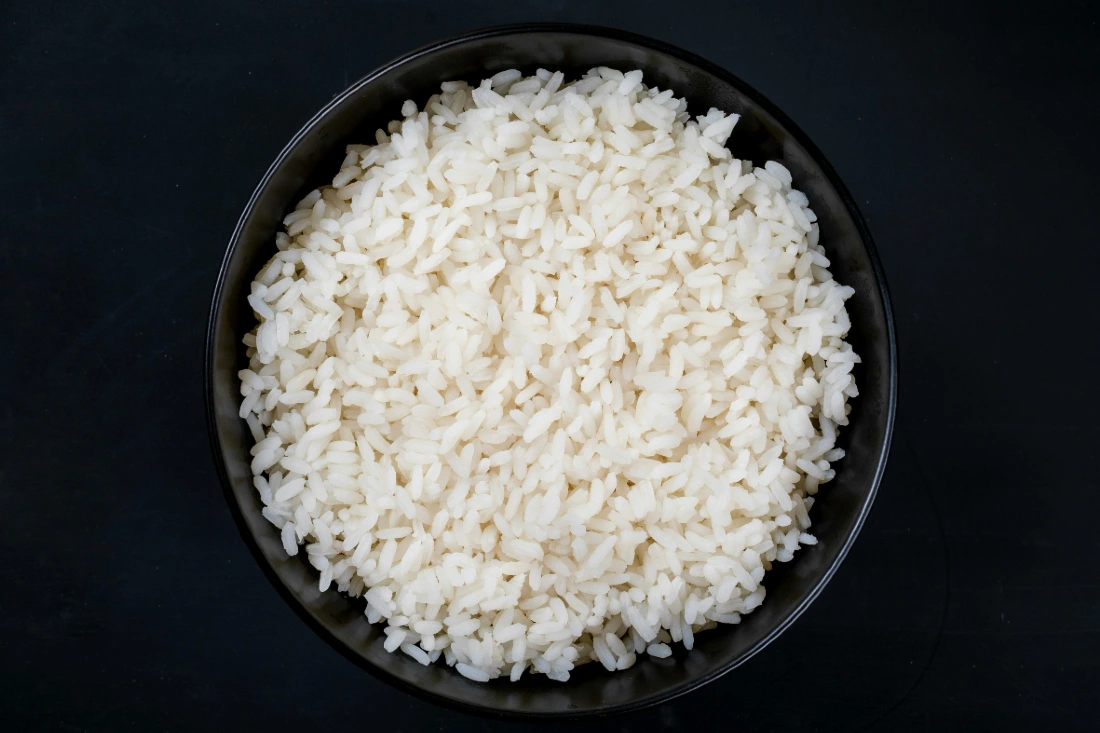
For the first 24 to 48 hours, it’s best to eat foods that are part of the white diet—foods that are light in color and gentle on your teeth, avoiding strongly pigmented foods. Here are some great options:
- White Foods
- White rice
- Peeled potatoes
- Whitefish
- Skinless turkey
- Egg whites
- Low-Fat Dairy
- Low-fat milk
- White cheeses
- Plain Foods
- Oatmeal
- Plain pasta
- Bread without crust
These relatively plain foods won’t stain your teeth or irritate sensitive teeth.
Foods and Drinks to Avoid

After a teeth whitening treatment, avoid the following to protect your newly whitened teeth:
Dark-Colored Foods and Drinks
- Coffee and tea
- Red wine
- Soy sauce
- Tomato sauce
- Balsamic vinegar
Acidic Foods
- Citrus fruits (like oranges and lemons)
- Fruit juices
- Pickled vegetables
Sugary Foods
- Candy
- Pastries
Stain-Causing Foods
- Chewing tobacco
- Foods with added colorants
Cold Foods
- Ice cream or frozen desserts can irritate sensitive teeth.
Why Avoid These Foods?
- Staining: Dark-colored foods and drinks can seep into the porous enamel, leaving behind stains.
- Tooth Irritation: Acidic foods can further weaken your enamel, leading to mild irritation.
- Discomfort: Cold foods can trigger discomfort in your sensitive teeth.
Tips for Maintaining Your Whiter Smile
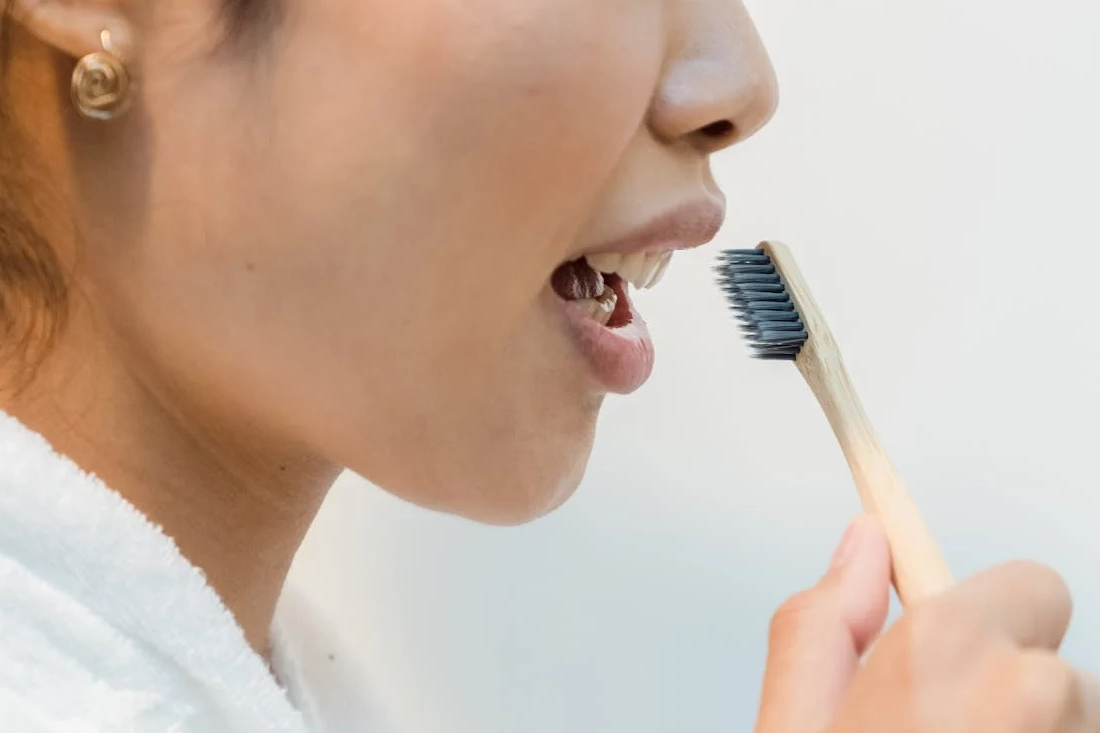
- Practice Good Oral Hygiene: Brush your teeth gently with fluoride toothpaste at least twice every day. This helps remove plaque and bacteria without harming your tooth enamel.
- Rinse After Eating: If you accidentally consume a staining food or drink, rinse your mouth with water immediately to minimize the risk of stains.
- Use a Straw: For drinks like coffee, tea, or wine, using a straw can help reduce contact with your teeth.
- Schedule Touch-Ups: Over time, your teeth may lose their brightness. Regular touch-ups can help maintain your results.
When Can You Eat Normally Again?

You can start reintroducing your regular diet after 48 hours, but it’s still a good idea to limit dark-colored foods, acidic foods, and sugary treats. Stick to a balanced diet that promotes a healthy dental life, including:
- Healthy foods like fresh vegetables and lean proteins
- Foods that stimulate adequate saliva production, such as crunchy fruits and veggies
Frequently Asked Questions
1. Can I Drink Coffee After Teeth Whitening?
It’s best to wait at least 48 hours before drinking coffee. Even then, use a straw and rinse your mouth afterward to reduce staining.
2. What About Red Wine?
Like coffee, red wine is highly staining. Avoid it for 48 hours, and consider switching to white wine if you can’t resist.
3. Is It Okay to Eat Spicy Foods?
Spicy foods aren’t necessarily harmful, but they can irritate your sensitive teeth. If you love spice, wait until your teeth feel normal again.
4. Why Is My Mouth Sensitive After Whitening?
The whitening procedure temporarily weakens your enamel, making your teeth more porous and sensitive. This is a normal side effect that usually subsides within a few days.
Keeping Your Smile Bright and Beautiful

A bright, white smile is a confidence booster, and with proper care, your results can last for months. By sticking to the right foods and avoiding stain-causing habits immediately after your teeth whitening procedure, you can keep your newly whitened teeth looking their best.
At Dental Innovations, we’re here to help you achieve and maintain a smile you’ll love with our expert general treatments and other dental services. If you have questions about teeth whitening treatments or need advice on maintaining your results, don’t hesitate to contact our team.