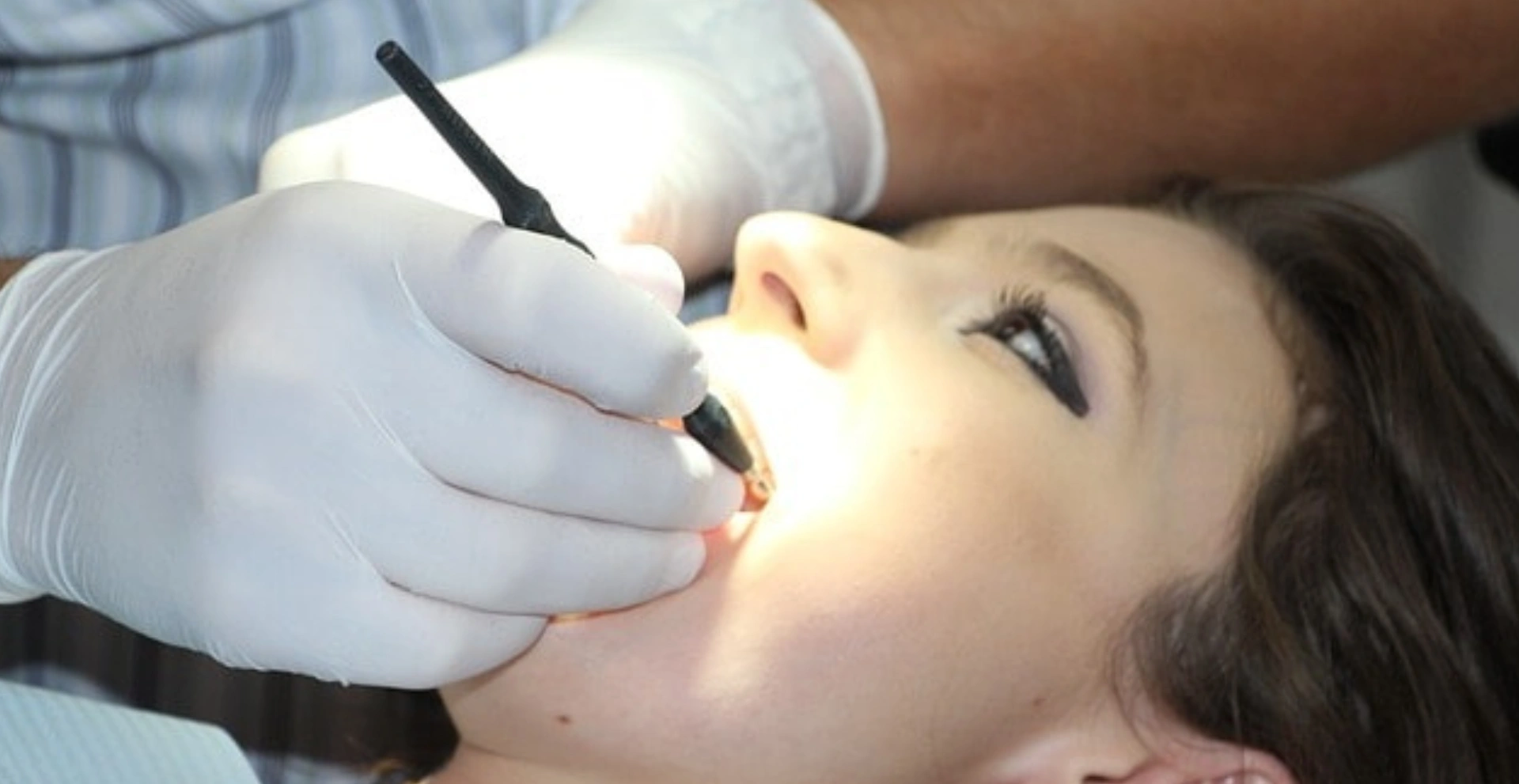
When it comes to replacing missing teeth, dental bridges literally bridge the gap, making them a popular and effective solution. They not only restore the function of your teeth but also revitalize your smile, improving both your oral health and your self-confidence. However, one common question that arises for many considering this option is, “How long do dental bridges last?”
At Dental Innovations in Oklahoma City, we understand the importance of making informed decisions about your dental care. In this blog, we’ll explore the longevity of dental bridges, the factors that influence their lifespan, and how to maximize their durability. Join us as we get into the details of dental bridges and how they can provide a lasting solution for your missing teeth.
Related Article: How Are Bridges Made?
What Are Dental Bridges?
Dental bridges are a common and effective solution for replacing missing teeth. A dental bridge consists of one or more artificial teeth, also known as pontics, rooted in place by dental crowns attached to adjacent implants or natural teeth. These supporting teeth, also called abutments, provide stability and guarantee that the bridge remains securely in place.
Dental bridges serve both functional and aesthetic purposes. These bridges help restore your ability to speak and chew properly, maintain your face shape, and keep your remaining teeth from shifting. At Dental Innovations in Oklahoma City, we offer a variety of dental bridge options tailored to meet your specific needs, including traditional dental bridges.
When To Get A Dental Bridge: Don’t Let Missing Teeth Get You Down

Missing teeth can significantly impact your daily life and your overall oral health. Here are some signs that it might be time to consider a dental bridge:
- Difficulty Chewing: Missing teeth can make it hard to chew certain foods, leading to a restricted diet and potential nutritional deficiencies.
- Speech Problems: Teeth play a crucial role in speech. Missing teeth can cause lisping or other speech impediments.
- Shifting Teeth: The gaps left behind by missing teeth can lead adjacent teeth to shift, causing bite issues and misalignment.
- Facial Structure Changes: Missing teeth can cause a sunken appearance in the face, making you look older.
- Self-Consciousness: Gaps in your smile can affect your confidence and willingness to smile or socialize.
Dental bridges fill these gaps, offering a reliable and aesthetically pleasing solution to these problems, which ultimately helps you regain function and confidence.
Let’s Talk About the Longevity of Dental Bridges
The longevity of dental bridges depends on several factors, including the type of bridge, the materials used, and how well you care for your oral health. On average, dental bridges have a lifespan of 5 to 15 years, though sometimes, they can last even longer with proper maintenance.
Factors Influencing Longevity

Oral Hygiene
Good oral hygiene is essential for the longevity of your dental bridge. Brushing twice a day, flossing daily, and using an antiseptic mouthwash can help prevent decay and gum disease that can compromise the bridge.
Regular Dental Visits
Routine check-ups and professional cleanings are essential for monitoring the health of your dental bridge and surrounding teeth. Your dentist regularly identifies and addresses any issues early on, making sure the bridge remains in good condition.
Diet and Habits
Avoiding hard foods and habits like chewing on ice or using your teeth to open packages can prevent damage to your dental bridge. Reducing the intake of sugary and acidic foods can also protect against decay.
Quality of Materials
High-quality materials like porcelain or metal alloys used in bridges tend to be more durable and long-lasting.
Proper Fitting
An expert dentist can significantly increase the lifespan and functionality of a dental bridge by crafting it with precision.
Steps of the Dental Bridge Procedure

Initial Consultation
Assessment and Planning
Your dentist will start with a comprehensive examination of your mouth, including X-rays and possibly impressions of your teeth. The condition of your remaining teeth, gums, and overall oral health will be assessed to determine if you are a good candidate for a dental bridge. You will discuss your dental history, any specific concerns, and your aesthetic goals.
Treatment Planning
Based on the assessment, your dentist will develop a personalized treatment plan. They will discuss the different types of bridges and recommend the best option for your needs.
- Traditional Bridges: Crowns on adjacent teeth support artificial teeth.
- Cantilever Bridges: Anchored to teeth on one side, extending over the gap.
- Maryland Bridges: Metal wings attached to the back of adjacent teeth support the pontic.
- Implant-Supported Bridges: Implants anchor artificial teeth.
Tooth Preparation
Preparing the Abutment Teeth
The existing teeth adjacent to the gap (abutment teeth) will be prepared to support the bridge. This means your dentist will reshape these teeth by removing a portion of the enamel to make space for the crowns that will keep the bridge in place. In some cases, if there are no natural teeth to serve as abutments, dental implants may be placed to support the bridge.
Impressions
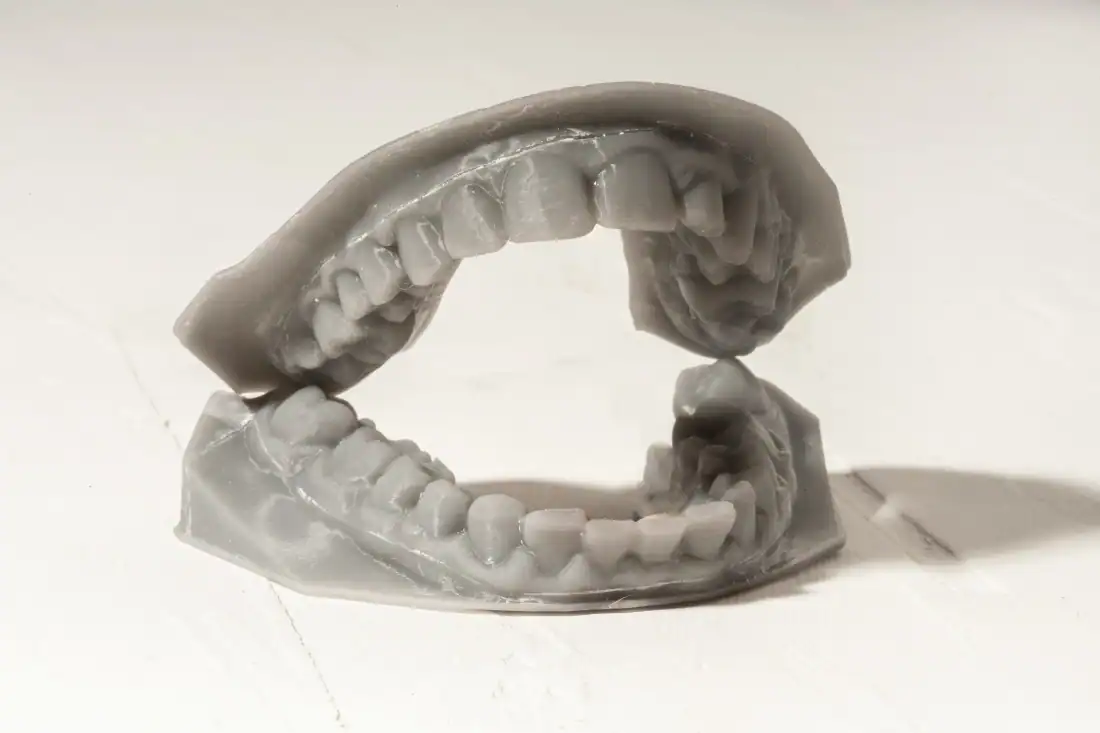
Taking Impressions
After the abutment teeth are prepared, your dentist will take impressions of your teeth. Afterward, these impressions are sent to a dental laboratory. This is where your custom bridge, crowns, and pontic (false tooth) will be made. The impressions guarantee that your bridge will fit precisely and comfortably.
Temporary Bridge
While your permanent bridge is being made in the dental laboratory, your dentist will place a temporary bridge to protect the exposed teeth and gums. This temporary bridge will help you function normally and maintain the appearance of your smile until the permanent one is ready.
Bridge Fitting

Returning for the Fitting
Once your permanent bridge is ready, you will return to the dentist for the fitting. The temporary bridge will be removed, and the new bridge will be placed and checked for fit and comfort. Adjustments will be made as necessary for a perfect fit.
Bonding
If everything fits well, the bridge will be permanently cemented into place. For implant-supported bridges, the bridge will be attached to the dental implants using special connectors.
Final Adjustments and Follow-Up
Final Adjustments
After the bridge is placed, your dentist will make any final adjustments to give you a comfortable bite and proper alignment. You will be given instructions on how to care for your new bridge.
Follow-Up Visits
A follow-up appointment may be scheduled to check the fit of the bridge and guarantee that it is functioning well. Your dentist will provide ongoing care and monitoring to maintain the health of your bridge and surrounding teeth.
Common Dental Bridge Problems
While dental bridges are a durable solution, they can encounter some common problems over time. These include:
- Decay in the Abutment Teeth: If the natural teeth supporting the bridge develop cavities, it can compromise the stability of the bridge.
- Gum Disease: Periodontal issues can affect the anchoring teeth and the overall success of the bridge.
- Loose Bridge: The bridge may become loose if the cement holding it in place deteriorates.
- Wear and Tear: Normal wear and tear can affect the appearance and function of the bridge.
Maintaining good oral hygiene and making regular visits to the dentist can help prevent these issues and extend the life of your dental bridge.
Dental Innovations: We Replace Missing Teeth With a Smile

At Dental Innovations OKC, we are committed to helping you restore your smile and improve your oral health. Our skilled team of professional dentists uses advanced technology and high-quality materials to create dental bridges that are both functional and aesthetically pleasing.
Whether you need a traditional bridge, a cantilever bridge, or an implant-supported bridge, we tailor our services to meet your unique needs and preferences. We understand that every patient’s situation is different, and we take the time to develop personalized treatment plans that promise the best possible outcomes. You can rely on us to make your dental experience a pleasant one, from your first visit to every follow-up.
This article is for educational purposes only and does not replace a dental exam or diagnosis. If you have pain, swelling, or other concerns, please contact a dentist or doctor.
Contact us at info@dentalinnovationsokc.com or give us a call at 405 691 0877 to make an appointment.