According to the CDC, about 42% of American adults over 30 have some form of periodontitis, yet many people don’t realize that choosing the right toothpaste can make a significant difference in their oral health. At Dental Innovations in Oklahoma City, we see patients every day who struggle with gum inflammation, bleeding gums, and periodontal disease—often without understanding how proper toothpaste selection fits into their treatment plan.
If you’re experiencing swollen gums, gum bleeding, or receding gums, you’re not alone. The good news? The best toothpaste for gum disease, combined with a proper oral hygiene routine and professional care, can help restore your gum health and prevent further damage.
In This Guide
- Understanding Gum Disease and Why Your Toothpaste Choice Matters
- Key Ingredients That Fight Gum Disease
- Top Toothpaste Recommendations for Gum Disease
- ADA Seal: A Simple Way to Choose Wisely
- How to Choose the Right Toothpaste for Your Needs
- Whitening Toothpaste: What You Need to Know
- Creating an Effective Oral Hygiene Routine
- Complementary Treatments for Gum Health
- When to Seek Professional Treatment
- Frequently Asked Questions
- Take Control of Your Gum Health Today
- Sources
Understanding Gum Disease and Why Your Toothpaste Choice Matters
Gum disease, also known as periodontal disease, develops when harmful plaque bacteria accumulate along the gum line, causing inflammation and infection. What starts as early gum disease (gingivitis) can progress to advanced gum disease (periodontitis) if left untreated, potentially leading to gum recession, tooth loss, and even systemic health problems.
Common Symptoms of Gum Disease
Recognizing the signs of gum health issues early is crucial for effective treatment. Watch for these warning signs:
- Bleeding gums during brushing or flossing
- Red, swollen gums that feel tender to the touch
- Persistent bad breath that doesn’t improve with brushing
- Receding gums that make your teeth appear longer
- Loose teeth or changes in your bite
- Inflamed gums that pull away from teeth
If you’re experiencing any of these symptoms, it’s time to schedule an appointment for gum disease treatment in Oklahoma City at Dental Innovations. Dr. Mark D. Shirley and our experienced team can evaluate your condition and recommend the most effective treatment approach.
Why Regular Toothpaste Isn’t Enough
Ordinary toothpaste is designed primarily to prevent tooth decay and maintain tooth enamel, but it often lacks the specialized ingredients needed to combat gum disease effectively. Therapeutic toothpaste formulated specifically to treat gum disease contains antibacterial agents that target harmful bacteria beneath the gum line, reduce plaque buildup, and promote healing of gum tissue.
Key Ingredients That Fight Gum Disease
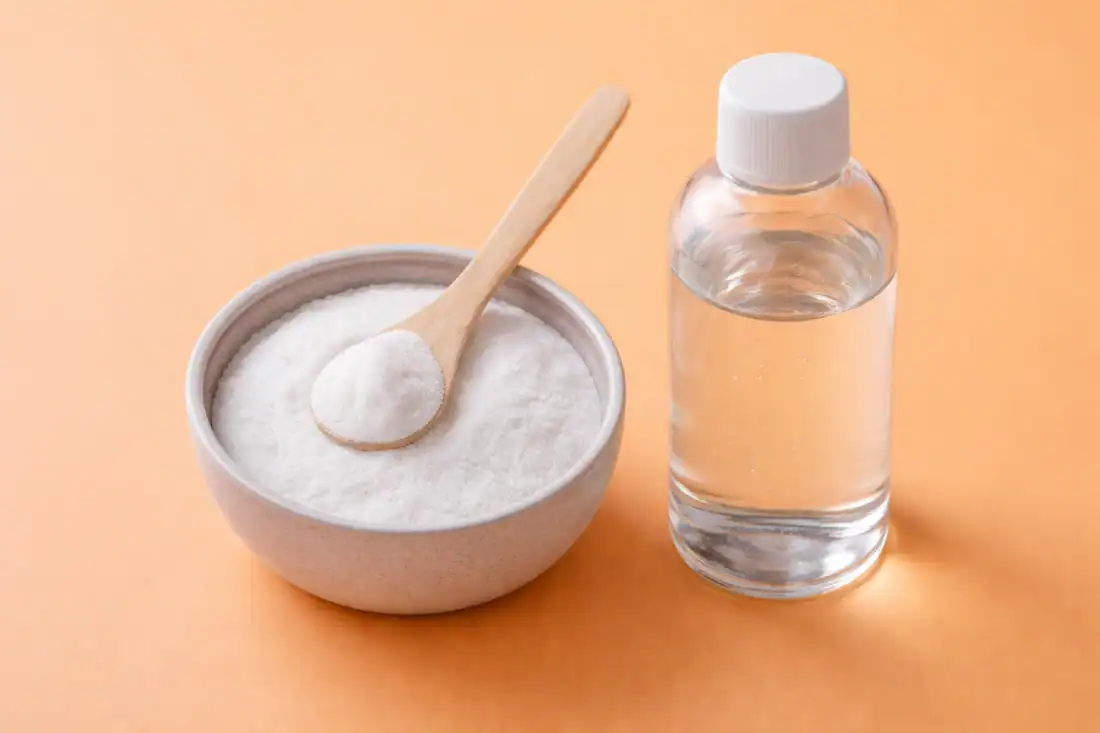
When searching the toothpaste aisle for products to support healthy gums, understanding the active ingredients is essential. The American Dental Association recommends looking for these clinically proven components:
Fluoride Toothpaste: The Gold Standard for Cavities
Fluoride is still the most important ingredient when it comes to cavity prevention and preventing tooth decay. It strengthens enamel, protects teeth from acid attacks, and helps repair early signs of enamel weakening before they turn into full-blown cavities.
If a toothpaste contains fluoride, you’re getting proven cavity protection backed by decades of research. That’s why dentists recommend fluoride for daily use, especially if you’re prone to cavities or drink things like hot coffee, soda, or acidic juices.
Bottom line: if cavities are a concern (and for most people, they are), fluoride toothpaste is still your go-to.
Stannous Fluoride
Stannous fluoride toothpaste offers dual benefits for patients with gum disease. Unlike sodium fluoride, which primarily prevents tooth decay, stannous fluoride also fights harmful plaque bacteria and reduces gum inflammation. This powerful ingredient strengthens tooth enamel while simultaneously addressing periodontal disease at its source.
Zinc and Stannous Fluoride Combinations
Many gum-health toothpastes now pair stannous fluoride with zinc compounds (such as zinc phosphate or zinc citrate). Zinc helps slow plaque from re-forming and reduces bad breath. You may still see older articles recommend triclosan, but it was removed from US toothpastes in 2019 and is no longer an option.
Essential Oils and Natural Ingredients
Some natural toothpaste options incorporate tea tree oil, aloe vera, and other essential oils known for their antibacterial and anti-inflammatory properties. While these ingredients can support healthy gums, they work best when combined with fluoride for comprehensive protection of both your teeth and gum tissue.
Hydrogen Peroxide and Baking Soda
Baking soda is a low-abrasion cleaner that helps loosen plaque and lift surface stains, and hydrogen peroxide adds mild antibacterial and whitening action. They can be a helpful part of a gum-friendly toothpaste, but they don’t treat infection below the gum line. That still requires professional cleaning.
Top Toothpaste Recommendations for Gum Disease

Based on clinical research and recommendations from dental professionals, here are the most effective options for treating and preventing gum disease:
Parodontax Complete Protection
Parodontax stands out as one of the best choices for patients with early gum disease or those at risk. Its unique formula is specifically designed to reduce plaque buildup and stop gum bleeding. It contains 0.454% stannous fluoride, and clinical studies show it reduces gum bleeding more than a regular sodium fluoride toothpaste.
Best for: Daily use to prevent gum disease and treat early stages of gingivitis
Crest Gum Detoxify
Crest Gum Detoxify uses stannous fluoride in a foaming formula designed to reach plaque along the gum line, where gingivitis starts. It’s a good choice if your gums bleed or look puffy and you want an ADA-accepted anti-gingivitis toothpaste.
Best for: Bleeding, puffy gums along the gum line
Colgate Total
Colgate Total’s current formula uses stannous fluoride with zinc phosphate to fight plaque bacteria, reduce gingivitis, and protect against cavities in one product. It’s a solid everyday option for people who want gum protection without buying a specialty brand.
Best for: All-in-one daily protection for teeth and gums
Sensodyne Sensitivity & Gum
For patients dealing with both sensitive teeth and gum health issues, this dual-action formula addresses both concerns simultaneously. In the US, it uses stannous fluoride, which both blocks the tiny channels in exposed dentin that cause sensitivity and fights the plaque that inflames gums.
Best for: Sensitive gums combined with tooth sensitivity
Natural Alternatives
Natural toothpaste brands incorporating tea tree oil, zinc citrate, and aloe vera offer gentler options for those preferring to avoid synthetic ingredients. However, it’s important to ensure these products still contain fluoride or clinically proven alternatives to effectively prevent tooth decay and treat periodontal disease.
That said, most fluoride-free toothpastes don’t offer the same level of cavity protection as fluoride formulas. They may freshen breath and help with plaque, but they’re not ideal if you’re cavity-prone.
One interesting alternative ingredient is nano hydroxyapatite, which helps remineralize enamel and reduce sensitivity. It’s a solid option for people who can’t use fluoride but still want enamel support.
ADA Seal: A Simple Way to Choose Wisely
If you’re overwhelmed by brands, one easy tip is to look for the ADA Seal. It means the toothpaste has been tested for safety and effectiveness and does what it claims—whether that’s cavity protection, sensitivity relief, or whitening.
It’s not flashy, but it’s reliable.
How to Choose the Right Toothpaste for Your Needs

Selecting the best toothpaste for gum disease depends on several factors specific to your oral health situation:
For Early Gum Disease
If you’re experiencing bleeding gums and mild gum inflammation but haven’t developed severe gum disease, look for an ADA-accepted toothpaste with stannous fluoride. Gingivitis is reversible, and the right toothpaste plus thorough brushing and flossing can help bring your gums back to health.
For Advanced Periodontitis
Once gum disease has progressed to periodontitis, no toothpaste can reach the bacteria deep in the pockets around your teeth. Treatment usually starts with scaling and root planing (a deep cleaning), sometimes alongside a prescription chlorhexidine rinse. At home, a stannous fluoride toothpaste helps protect your results.
For Sensitive Gums and Teeth
Choose formulas that combine desensitizing agents like potassium nitrate with antibacterial ingredients to address both tooth sensitivity and gum health issues simultaneously. Avoid whitening toothpaste if you have severe sensitivity, as these can sometimes irritate sensitive gums.
Prescription Toothpaste: When Extra Strength Is Needed
Some patients benefit from prescription toothpaste, especially those with:
- High cavity risk
- Severe sensitivity
- Early enamel breakdown
- Dry mouth
These formulas often contain higher fluoride levels and ingredients designed to strengthen enamel and reverse early decay. Products like Clinpro Tooth Crème or CariFree Pro Gel 5000 are often recommended by a dentist when store-bought options aren’t enough.
This isn’t about fear—it’s about prevention and avoiding bigger dental treatments down the road.
So… What Is the Best Toothpaste?
Here’s the real answer from us at Dental Innovations:
The best toothpaste is the one that:
- Matches your specific needs (cavities, sensitivity, whitening, gums)
- Contains fluoride unless you have a reason not to use it
- Feels good in your mouth and tastes okay
- Encourages consistent use, twice daily
- Protects enamel and fights plaque
- Supports good oral health long term
There is no single “perfect” toothpaste for everyone—and that’s okay.
Whitening Toothpaste: What You Need to Know

Whitening toothpaste is specifically designed to help remove surface stains caused by food, beverages, and lifestyle habits like smoking. While it won’t change the natural color of your teeth, it can help improve their appearance by brightening them over time.
Related Article: How Long After Teeth Whitening Can I Eat Normally?
Whitening Toothpastes: What They Can (and Can’t) Do
Let’s clear up a big misconception: whitening toothpastes don’t dramatically change the natural color of your teeth.
What they do excel at is removing surface stains caused by coffee, tea, red wine, or smoking. They use mild abrasives to scrub away stains while keeping enamel intact.
A good whitening toothpaste:
- Helps remove surface stains
- Supports fresh breath
- Keeps teeth healthy
- Avoids harsh abrasives that cause enamel wear
Charcoal toothpaste is popular, but be careful. While it may look trendy, some charcoal formulas are too abrasive and can damage enamel with daily use. If you go this route, look for gentle formulas and don’t overdo it.
For deeper whitening, professional treatments at Dental Innovations are far more effective and safer for your enamel. If your gums are currently inflamed, treat them first and whiten once they’re healthy.
Common Ingredients in Whitening Toothpaste
- Hydrogen Peroxide and Carbamide Peroxide: These powerful whitening agents are found in many teeth whitening products, including toothpaste. They work by breaking down stains on the surface of your teeth.
- Baking Soda: Known for its natural whitening properties, baking soda is a mild abrasive that can help gently polish away stains while being safe for your tooth enamel.
- Calcium Carbonate and Hydrated Silica: These mild abrasives help scrub away stubborn stains, leaving your teeth smoother and brighter.
- Fluoride: Found in most fluoride toothpaste, this ingredient strengthens tooth enamel and helps prevent tooth decay.
- Sodium Lauryl Sulfate (SLS): A common foaming agent that helps distribute the toothpaste evenly, though it may cause irritation for people with sensitive gums.
How Whitening Toothpastes Work
Whitening toothpastes employ a combination of mild abrasives and chemical agents to effectively remove surface stains and whiten teeth. Ingredients like baking soda and silica act as gentle abrasives, physically scrubbing away stains from the tooth surface. Meanwhile, chemicals such as hydrogen peroxide and carbamide peroxide work to break down and dissolve stains at a molecular level. This dual-action approach ensures that your teeth not only appear cleaner but also brighter and whiter, giving you a more radiant smile.
Popular Whitening Toothpaste Options
Here’s a look at some of the best whitening toothpaste available today:
1. Crest 3D White Brilliance
Known for its effectiveness, this toothpaste contains hydrated silica and sodium fluoride to brighten teeth and protect enamel.
2. Arm & Hammer Advance White
Featuring baking soda, this option is great for removing surface stains and promoting a brighter smile.
3. Colgate Optic White
Formulated with hydrogen peroxide, this toothpaste is highly rated for delivering a significant whitening effect over time.
4. Tom’s of Maine
A natural alternative that uses gentle abrasives and essential oils to help whiten teeth.
Whitening Toothpaste vs. Whitening Strips

While teeth whitening toothpaste is great for daily maintenance, it’s not as intensive as whitening treatments like strips or in-office procedures performed by a cosmetic dentist.
Advantages of Whitening Toothpaste
- Safe for daily use.
- Affordable and easily accessible.
- Helps prevent new stains from forming.
Limitations of Whitening Toothpaste
- Results take longer to appear.
- May not work effectively on deep or stubborn stains.
How to Maximize Whitening Results
- Combine Whitening Toothpaste with Professional Treatments: For faster and more noticeable results, pair your toothpaste with professional teeth whitening treatments offered by your dentist.
- Switch to Peroxide Toothpaste for Occasional Use: Toothpaste with hydrogen peroxide or carbamide peroxide can provide an extra boost when used periodically.
- Limit Staining Foods: Reduce consumption of red wine, coffee, and other colored foods to maintain your results.
- Stay Consistent: Use whitening toothpaste consistently for the best long-term results.
Creating an Effective Oral Hygiene Routine

Even the best toothpaste for gum disease won’t work miracles without proper brushing and flossing techniques:
- Brush twice daily for at least two minutes, using gentle circular motions along the gum line
- Use dental floss once daily to remove plaque bacteria between teeth where toothpaste can’t reach
- Include an antibacterial mouthwash (not just a cosmetic mouthwash) to provide additional protection against harmful bacteria
- Replace your toothbrush every three months or when bristles become frayed
- Keep up with professional cleanings: every six months for most people, or every three to four months if you’ve been treated for periodontitis
Common Mistakes to Avoid
Many patients unknowingly sabotage their efforts to maintain healthy gums:
- Brushing too hard: Aggressive brushing can damage tooth enamel and cause gum recession
- Skipping dental floss: Flossing is essential for removing plaque buildup between teeth
- Rinsing immediately after brushing: This washes away beneficial ingredients before they can work
- Using the wrong technique: Brush at a 45-degree angle to the gum line for optimal plaque removal
- Neglecting the back teeth: Tooth decay and gum disease often start in hard-to-reach areas
Complementary Treatments for Gum Health
While choosing the right toothpaste is crucial, treating gum disease often requires a comprehensive approach:
Professional Dental Treatments
At Dental Innovations in Oklahoma City, we offer advanced treatments for gum disease, including:
- Deep cleaning procedures (scaling and root planing)
- Laser dentistry for precise, comfortable periodontal treatment
- Periodontal maintenance cleanings to keep gum disease from returning
- Customized treatment plans based on your specific needs
Our state-of-the-art technology, including lasers and 3D imaging, allows for more accurate diagnosis and efficient treatment of periodontal disease.
Natural Supplements and Mouth Rinse
Consider adding these to your routine:
- Natural mouthwash with essential oils for additional antibacterial protection
- Therapeutic mouthwash prescribed by your dentist for severe cases
- Oil pulling, if you enjoy it, but know there’s limited evidence it helps gum disease, and it never replaces brushing and flossing
- Getting enough vitamin C and D through your diet; ask your doctor before starting supplements
Lifestyle Modifications
Supporting your gum health extends beyond your oral hygiene routine:
- Quit smoking, which significantly increases gum disease risk
- Maintain a balanced diet rich in vitamins and minerals
- Stay hydrated to combat dry mouth, which can worsen gum health issues
- Manage stress, as it can compromise your immune system’s ability to fight infection
When to Seek Professional Treatment
While the best toothpaste for gum disease can significantly improve gum health, some situations require professional intervention. Visit Dental Innovations for gum disease treatment in Oklahoma City if you experience:
- Persistent gum bleeding that doesn’t improve after two weeks of proper care
- Severe tooth sensitivity that interferes with eating or drinking
- Visible gum recession or loose teeth
- Chronic bad breath despite good oral hygiene
- Pus or abscesses around your gums
- Changes in your bite or tooth alignment
Dr. Mark D. Shirley and our team specialize in comprehensive periodontal care, offering both preventive and therapeutic solutions for maintaining healthy teeth and gums.
Frequently Asked Questions
Can toothpaste cure gum disease?
Toothpaste alone cannot cure established gum disease, but the right formula can help manage early gum disease and prevent progression when combined with proper dental care and regular dental checkups.
How long does it take to see results?
Most patients notice reduced gum bleeding and less gum inflammation within two to four weeks of using specialized toothpaste for gum disease consistently. Keep in mind that gum recession doesn’t grow back on its own. Toothpaste can help stop it from getting worse, but restoring lost gum tissue requires a gum graft.
Should I use whitening toothpaste if I have gum disease?
Whitening toothpaste can sometimes irritate inflamed gums. Focus first on treating your periodontal disease, then consider whitening options once your gums are healthy.
Can whitening toothpaste damage teeth?
When used as directed, most whitening toothpaste is safe. However, overuse of abrasive formulas can lead to enamel erosion and tooth sensitivity.
How long does whitening toothpaste take to work?
Results vary depending on the product and your habits. Most people notice a difference within a few weeks.
Is whitening toothpaste safe for sensitive teeth?
Yes, but choose one labeled for sensitive teeth, as these are specially formulated to minimize discomfort.
Is natural toothpaste effective for gum disease?
Natural toothpaste with proven antibacterial ingredients like tea tree oil can support healthy gums, but ensure it contains fluoride or clinically proven alternatives for preventing tooth decay.
Do I still need to floss if I use toothpaste for gum disease?
Absolutely. Dental floss removes plaque bacteria between teeth where toothpaste cannot reach, making it essential for preventing gum disease and maintaining healthy teeth.
Take Control of Your Gum Health Today
Choosing the best toothpaste for gum disease is an important step toward maintaining healthy gums and preventing serious oral health complications. Whether you’re dealing with early stages of gingivitis or managing advanced periodontal disease, the right combination of therapeutic toothpaste, proper oral hygiene routine, and professional dental care can restore your gum health.
At Dental Innovations in Oklahoma City, we’re committed to helping you achieve a smile you can be proud of. Our experienced team, led by Dr. Mark D. Shirley, provides personalized gum disease treatment in Oklahoma City. From routine cleanings to advanced laser dentistry and periodontic procedures, we offer comprehensive solutions for all your dental health needs.
Don’t let gum disease compromise your oral health and overall well-being. Contact Dental Innovations today at 405.691.0877 or visit us at 2441 SW 134th St. in Oklahoma City to schedule your appointment. Our friendly staff is ready to help you develop a customized treatment plan that addresses your specific needs and gets your gum health back on track.
Remember, maintaining healthy gums is a lifelong commitment that starts with the right tools and professional guidance. With the best toothpaste for gum disease, consistent oral hygiene practices, and regular visits to our office, you can protect your smile for years to come.
Sources
- Centers for Disease Control and Prevention – Periodontal Disease
- Eke PI, et al. “Periodontitis in US Adults: National Health and Nutrition Examination Survey 2009–2014.” Journal of the American Dental Association, 2018
- American Dental Association – Toothpastes (Oral Health Topics) and ADA Seal of Acceptance product list
- National Institute of Dental and Craniofacial Research – Gum Disease
- US Food and Drug Administration – 5 Things to Know About Triclosan