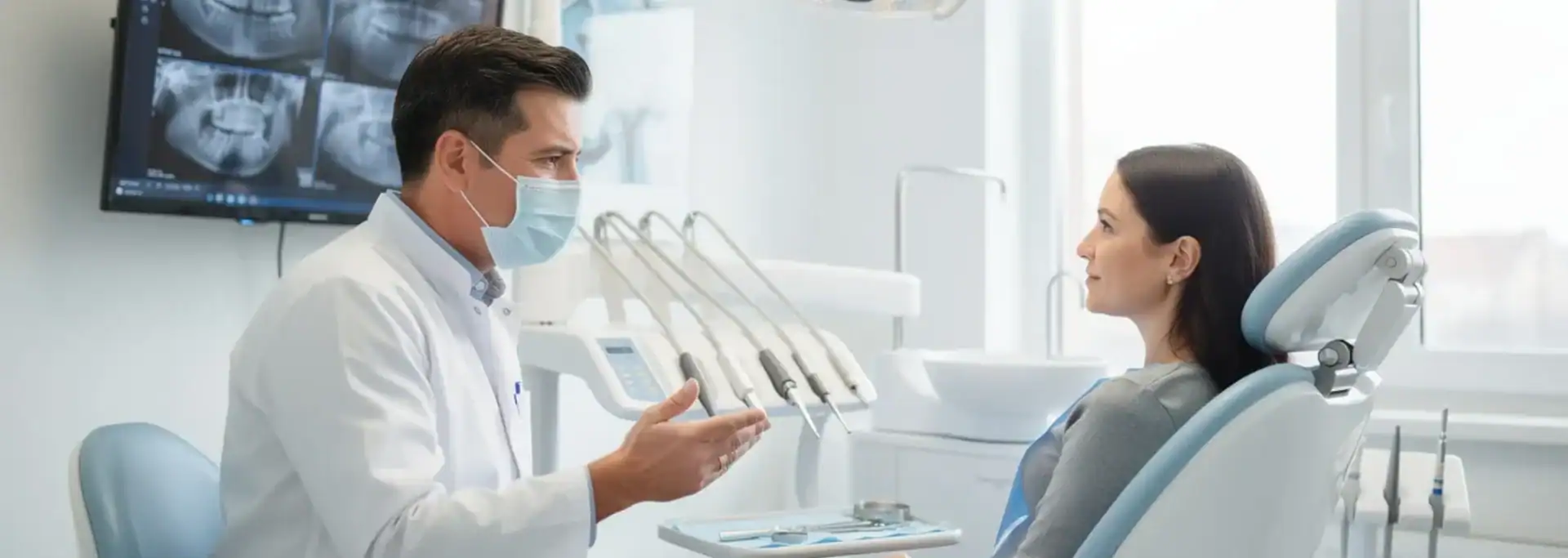
If you have ever looked in the mirror and wished you could fix a chipped tooth, close a small gap, or brighten a stubborn stain, you are not alone. Cosmetic dentistry offers several ways to improve your smile, and two of the most popular options are dental bonding and veneers. Both can transform the appearance of your teeth, but they differ in cost, durability, and the types of concerns they address best.
At Dental Innovations in Oklahoma City, we help patients compare cosmetic treatments every day. Whether you want a quick touch-up or a dramatic smile makeover, our team will walk you through the pros and cons of each option so you can choose the treatment that fits your goals, lifestyle, and budget. In this guide, we will break down the differences between teeth bonding and veneers and help you decide which cosmetic treatment is right for you.
What Is Cosmetic Dentistry and How Can It Enhance Your Smile?
Cosmetic dentistry focuses on improving the appearance of your teeth while supporting long-term dental health. Some of the most common cosmetic dentistry treatments include whitening, dental bonding, composite veneers, and porcelain veneers.
These cosmetic dental procedures can:
- Repair chipped teeth
- Close minor gaps
- Cover stains
- Reshape misshapen teeth
- Create more balanced front teeth
Whether you want an affordable fix for one small flaw or a dramatic smile makeover, cosmetic treatments can help you feel more confident every time you smile.
What Is Dental Bonding?
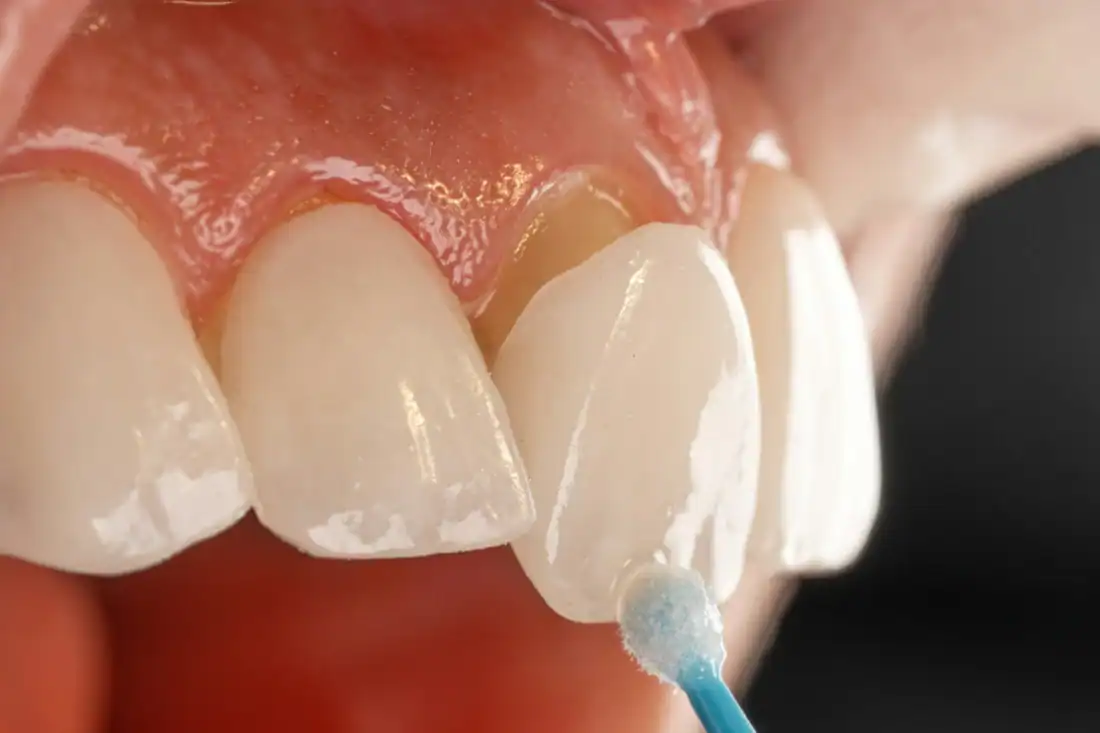
Dental bonding is a minimally invasive cosmetic procedure that uses tooth colored composite resin to improve the shape and appearance of a tooth.
The resin material is carefully applied to the tooth surface, sculpted by hand, and hardened with a curing light. Once polished, the bonded tooth blends naturally with the surrounding teeth.
How Composite Resin Repairs Chipped Teeth and Small Imperfections
Composite bonding is ideal for minor cosmetic concerns, including:
- Repair chips and cracks
- Minor gaps between teeth
- Small stains or discoloration
- Slightly uneven edges
- Teeth that appear too short or narrow
Because the material is placed directly onto your natural enamel, cosmetic bonding can often be completed in a single office visit.
Why Dental Bonding Is a Minimally Invasive Cosmetic Dental Option
One reason many patients choose the dental bonding procedure is that it preserves nearly all of the natural tooth enamel. Little to no enamel removal is typically needed.
That makes teeth bonding a cost-effective and conservative option for healthy teeth with small cosmetic flaws.
What Are Dental Veneers?
Dental veneers are thin shells that cover the front surface of the teeth to improve their color, shape, and alignment.
Traditional porcelain veneers are custom-made in a dental laboratory or dental lab and permanently bonded to the teeth. Veneers provide dramatic, long-lasting improvements and are often used in full smile makeovers.
How Dental Veneers Transform Front Teeth
Veneer placement can address a wide range of concerns, including:
- Deep discoloration that whitening cannot remove
- Multiple chipped or worn teeth
- Uneven spacing
- Misshapen teeth
- Teeth that appear too small or asymmetrical
Because custom veneers are designed specifically for your smile, they create a lifelike appearance that looks highly natural.
Composite Veneers vs Porcelain Veneers
There are two main veneer options.
Composite veneers are made from composite resin and can often be completed in one appointment.
Porcelain veneers are fabricated in a dental laboratory and offer superior stain resistance and durability.
Porcelain veneers offer several advantages:
- Highly stain-resistant, even for coffee and red wine
- Exceptionally natural-looking
- Strong and long-lasting
- Designed to mimic natural teeth
Dental Bonding vs Veneers: Key Differences at a Glance
When comparing veneers vs bonding and veneers, both can create beautiful results, but they are designed for different situations.
Appearance and Natural Looking Results
Both treatments can produce a natural-looking smile. Bonding depends heavily on your dentist’s skill, while porcelain veneers are crafted in a dental lab to achieve a very precise, natural appearance.
Durability and Lifespan
Dental bonding generally lasts several years with proper care. Veneers, especially traditional porcelain veneers, can last well over a decade.
Stain Resistance
Composite resin can absorb stains over time. Porcelain is far more stain-resistant and better suited for patients who regularly enjoy coffee, tea, or red wine.
Cost and Overall Value
Bonding is usually the more affordable fix upfront. Veneers cost more initially but may provide a more permanent solution for patients seeking significant cosmetic improvements.
When Dental Bonding Is the Better Choice
Dental bonding is often the best smile solution when you want subtle improvements without extensive preparation.
Best for Minor Cosmetic Concerns
Bonding works especially well for:
- Minor cosmetic concerns
- Small chips
- Minor gaps
- Small areas of discoloration
- Slight reshaping
If your dental health is strong and your goals are modest, composite bonding can be a highly effective and cost-effective treatment.

When Dental Veneers Make More Sense
Veneers are ideal when you want a bigger transformation across several front teeth.
Best for Dramatic Smile Makeovers
Dental veneers may be the better option if you want to:
- Cover stains that do not respond to whitening
- Correct multiple cosmetic flaws
- Create a more symmetrical smile
- Achieve a highly natural-looking result
For patients seeking dramatic smile makeovers, veneers can deliver a stunning, long-lasting result.
Bonding and Veneers: Which Treatment Is More Minimally Invasive?
Both options are considered minimally invasive compared with crowns, but there are important differences.
With dental bonding, almost no natural tooth structure is removed.
With porcelain veneers, your dentist removes a thin layer of natural enamel to create room for the restoration. Some minimal-prep veneers require less enamel removal and may preserve more natural tooth enamel.
Because veneers are bonded after enamel removal, the decision is generally irreversible.
What to Expect During the Process
Knowing what happens during treatment can make the decision feel much easier.
The Dental Bonding Procedure
The dental bonding procedure is usually completed in one office visit.
Your dentist:
- Selects a matching tooth colored resin
- Prepares the tooth surface
- Applies the composite resin
- Shapes and smooths the material
- Uses a curing light to harden it
- Polishes the tooth to a natural-looking finish
Patients can return to normal activities immediately.
Veneer Placement Step by Step
Getting traditional porcelain veneers typically takes two visits.
During the first appointment, the dentist removes a thin layer of enamel and takes impressions. Temporary veneers may be placed while your permanent restorations are crafted in the dental laboratory.
At the second appointment, the custom veneers are bonded to your teeth.
Caring for Your New Smile
Whether you choose bonding or veneers, good oral hygiene is essential.
Daily Habits That Protect Your Results
To keep your smile looking its best:
- Brush twice daily with fluoride toothpaste
- Floss every day
- Visit your dentist regularly
- Attend regular checkups
- Avoid damaging oral habits like nail biting and chewing ice
With proper care, both treatments can continue looking beautiful for years.
Can Bonding or Veneers Improve Dental Health?
These procedures are primarily cosmetic, but they can also support dental health by restoring worn or damaged areas and making teeth easier to clean.
Dental bonding can occasionally be used to fill small, visible cavities, while veneers help protect the front surfaces of weakened teeth.
How Dental Innovations Helps You Choose the Right Treatment Plan

Choosing between veneers and bonding and veneers is not just about cost. It depends on your goals, your natural teeth, and your long-term expectations.
At Dental Innovations, we evaluate:
- Your oral health
- The condition of your natural tooth structure
- The number of teeth involved
- Your budget
- The look you want to achieve
We then create a personalized treatment plan designed around your unique smile.
Friendly Cosmetic Dentistry in Oklahoma City
Whether you are dealing with chipped teeth, cosmetic flaws, or simply want to feel more confident when you smile, Dental Innovations is here to help.
Our team offers cosmetic dentistry solutions ranging from simple composite bonding to complete smile makeovers with porcelain veneers. We take time to explain every option and recommend the treatment that best fits your goals.
If you are ready to improve your smile with a natural-looking result, contact Dental Innovations in Oklahoma City today to schedule your consultation. We would love to help you create a smile that feels like your best one yet.