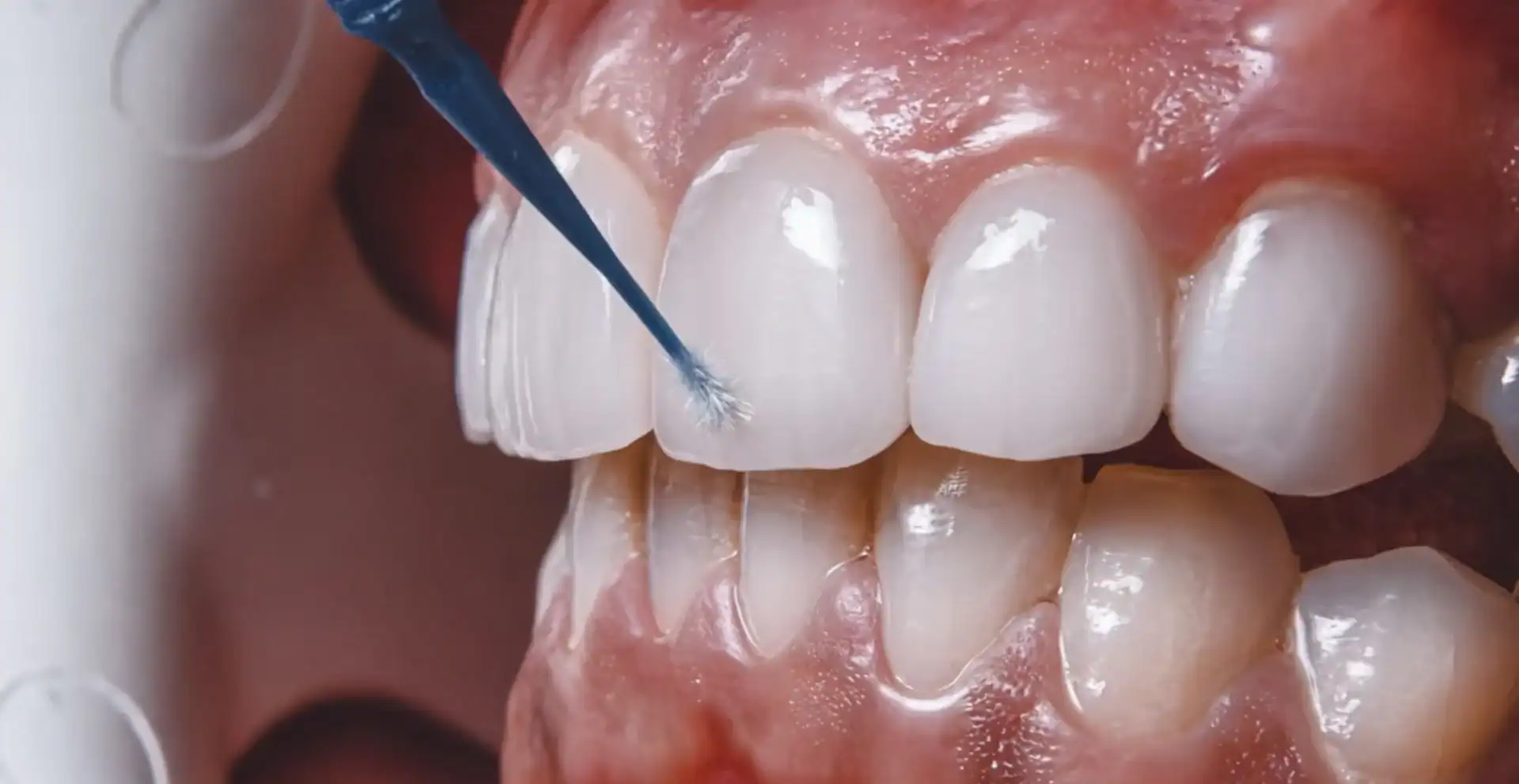
If you have been living with missing teeth, broken teeth, severely worn teeth, or a combination of dental problems that have quietly taken over your quality of life, you already know the weight that carries. Eating becomes a challenge. Smiling feels like something to avoid. And somewhere along the way, the idea of fixing everything at once starts to sound either impossibly exciting or overwhelmingly complicated. At Dental Innovations, we hear this from patients every day — and we understand that taking the first step toward a solution takes real courage.
Full mouth reconstruction is the answer for patients whose oral health has declined to the point where a single procedure simply will not be enough. It is a carefully coordinated series of restorative procedures designed to rebuild your teeth, restore your bite, protect your jaw, and give you back a functional, natural-looking smile. This guide walks you through what the full mouth reconstruction journey actually looks like, from your first consultation to your final result, so you can move forward with confidence and clarity.
What Is Full Mouth Reconstruction?
Full mouth reconstruction refers to a comprehensive treatment plan that addresses all of the teeth in your upper and lower jaws. Unlike a smile makeover, which focuses primarily on aesthetics, a full reconstruction prioritizes function first. The goal is to restore how your teeth work together before refining how they look.
The treatments involved can vary dramatically from one patient to the next. Some patients need dental implants to replace multiple missing teeth. Others need dental crowns to protect severely worn or damaged natural teeth. Some require a combination of a dental bridge, implant-supported dentures, bone grafts, and periodontal therapy before any cosmetic work even begins.
What sets full mouth reconstruction apart from individual dental procedures is the careful planning required. Every decision in your proposed treatment plan affects the others. Your dentist or prosthodontist must think about your bite, your jaw alignment, your temporomandibular joint, your bone volume, and the health of your gum tissue before placing a single restoration. This level of coordination is what makes full mouth reconstruction surgery genuinely complex and genuinely life-changing when done well.
Who Needs Full Mouth Reconstruction?

Not everyone who wants a better smile needs a full reconstruction. But for patients dealing with widespread dental issues, it is often the only real path forward. You may be a candidate if you have experienced any of the following.
Extensive tooth loss
When you have lost multiple teeth across both arches, individual implants or a bridge alone may not be enough. Damaged or missing teeth in several areas of the mouth require a coordinated implant treatment strategy that accounts for bone loss and the structural integrity of remaining natural teeth.
Severe decay or damage
Tooth decay that has reached an advanced stage, broken teeth from injury, or severe decay beneath prior dental work can compromise so many teeth at once that restoring them requires a phased, full-arch approach rather than isolated fillings or crowns.
Severely worn teeth
Patients who grind their teeth chronically, a condition known as bruxism, experience tooth wear that gradually reduces the height of their teeth and collapses the bite. Long-term acid erosion from acid reflux or frequent vomiting can produce the same result, leaving the front teeth and lower teeth thin, translucent, and structurally compromised.
Periodontal disease or gum disease
Untreated gum disease destroys the soft tissues and bone that anchor your teeth. Patients with periodontal disease often lose bone volume over time, which must be addressed before implant placement becomes possible. Skipping periodontal therapy and going straight to restorations is a mistake that leads to implant failure.
Bite problems and jaw pain
A misaligned bite puts uneven pressure on teeth and the temporomandibular joint, leading to headache pain, jaw fatigue, and accelerated tooth damage. Full mouth reconstruction allows your dentist to reset the bite to its correct vertical dimension while placing restorations that support proper jaw function.
Plaque build-up and oral hygiene challenges
In some cases, crowded, broken, or heavily restored teeth make it nearly impossible to clean effectively, leading to ongoing plaque buildup, tooth decay, and gum tissue inflammation that cycles continuously without a structural solution.
The Full Mouth Reconstruction Process: Step by Step

Step 1: Comprehensive Examination and Diagnosis
Every full mouth reconstruction begins with a thorough evaluation of your entire oral cavity. Your dentist will take full-mouth X-rays, often a CBCT (cone beam) scan, to assess bone volume, bone loss, and the condition of teeth and roots beneath the surface. Photographs, bite records, and impressions or digital scans give your team a complete picture of your starting point.
This is also when your dentist screens for oral cancer, evaluates the health of your gum tissue, assesses the temporomandibular joint, and reviews any prior dental work that may need to be replaced or built upon. Overall health matters here, too. Conditions like diabetes, osteoporosis, and acid reflux can affect healing, bone grafts, and long-term outcomes.
Step 2: Periodontal Therapy First
If gum disease is present, it must be treated before any restorative work begins. Periodontal therapy typically involves deep cleaning procedures such as scaling and root planing to remove plaque buildup and bacteria from beneath the gumline. In more advanced cases, oral surgery may be needed to reduce periodontal pockets or regenerate bone and gum tissue.
This phase is non-negotiable. Placing crowns or dental implants into a mouth with active periodontal disease guarantees failure over time. Stabilizing your gum health is the foundation on which everything else is built.
Step 3: Extractions and Oral Surgery
Teeth that are too damaged or decayed to be saved must be extracted. In many cases, bone grafts are placed at the time of extraction to preserve bone volume at the site, preparing it for implant placement later. This waiting period allows the bone to heal and integrate before surgery continues.
For patients who need significant oral surgery, whether that involves multiple extractions, bone grafting procedures, or sinus lifts to create adequate bone in the upper jaw, this phase can take several months. Patience here pays off with significantly better implant outcomes.
Step 4: Implant Placement
Dental implants are titanium posts surgically placed into the jawbone that serve as artificial tooth roots. They are the foundation for implant-supported dentures, individual implant crowns, and implant-retained bridges. Once placed, implants require a healing period called osseointegration, during which the bone fuses to the implant surface. This process typically takes three to six months.
During this healing phase, patients are often provided with temporary restorations so they are never without teeth. These temporaries also help your team evaluate how your bite looks and functions before the final restorations are made permanent.
Step 5: Restorative Procedures
This is where the visible transformation takes shape. Depending on your proposed treatment plan, restorative procedures may include any combination of the following.
Dental crowns are placed over damaged natural teeth or implants to restore their shape, strength, and appearance. Modern crowns made from zirconia or porcelain are remarkably durable and blend naturally with surrounding teeth.
A dental bridge replaces one or more missing teeth through anchoring artificial teeth to crowns placed on the adjacent natural teeth or implants. Bridges are a reliable option when implants are not possible due to bone volume limitations or other factors.
Implant-supported dentures replace an entire arch of teeth using four to six strategically placed implants as anchor points. They are far more stable than traditional removable dentures and preserve the jawbone over time.
Dental veneers and teeth whitening may be incorporated at this stage for patients whose treatment goals include a complete cosmetic refresh on top of their restorative work. Whitening is typically done before shade-matching veneers or crowns, since restorations do not respond to bleaching agents.
Step 6: Bite Adjustment and Occlusion Refinement
Once restorations are placed, your dentist carefully evaluates how your upper and lower jaws come together. Bite problems that went unaddressed for years are corrected through the new restorations, and fine adjustments ensure that no single tooth carries more force than it should. For patients with a history of tooth grinding, a custom nightguard is typically part of the final plan to protect the investment of your full reconstruction.
Step 7: Maintenance and Follow-Up
Full mouth reconstruction does not end when the final restoration is placed. Your dentist will schedule follow-up visits to monitor healing, check for any signs of complications, and assess how your restorations are wearing over time. Consistent oral hygiene at home is essential. Brushing twice daily, flossing, and attending regular cleanings protect your results and extend the life of every restoration.
How Long Does Full Mouth Reconstruction Take?
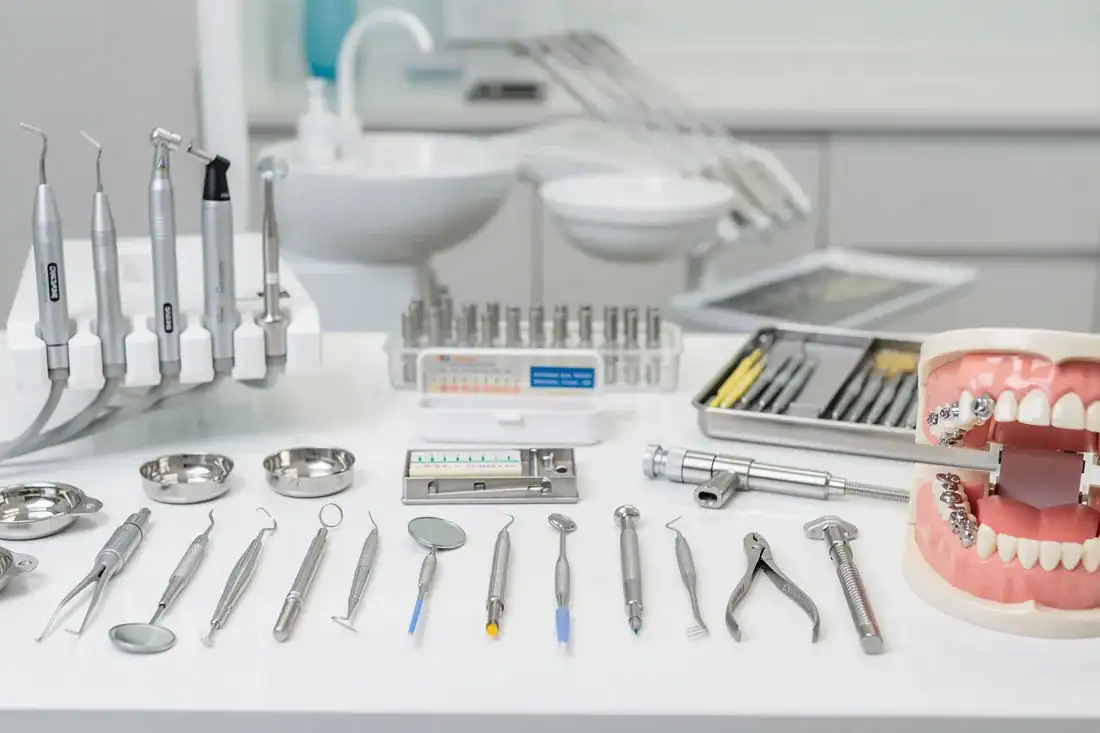
The honest answer is that it depends. A straightforward full reconstruction involving crowns and a few implants might be completed in six to nine months. A complex case involving bone grafts, multiple extractions, full-arch implants, and phased restorations can take 18 months to two years or longer.
This timeline can feel daunting. But it is worth remembering that the dental problems addressed in a full mouth reconstruction typically develop over years or even decades. The process is methodical by design, and rushing it would compromise the outcome.
Sedation and Patient Comfort
For patients with dental anxiety, a history of difficult experiences, or simply the practical challenge of sitting through several lengthy appointments, sedation options are an important part of the conversation. Nitrous oxide (laughing gas) is the most commonly used option for mild to moderate anxiety. It is safe, short-acting, and allows patients to drive home afterward. For more involved procedures or significant anxiety, oral sedation or IV sedation may be available depending on your provider’s qualifications and your treatment needs. Discuss patient comfort openly with your dental team during the planning phase so the right protocol can be included in your treatment plan from the start.
Comprehensive Cosmetic Dentistry and the Full Picture
Full mouth reconstruction sits at the intersection of restorative dentistry and comprehensive cosmetic dentistry. The structural work of replacing missing structures, addressing tooth decay, correcting bite problems, and treating periodontal disease creates the healthy, stable foundation that cosmetic enhancements require. Once that foundation is in place, the aesthetic refinements, whether through porcelain veneers, teeth whitening, or carefully shaped crowns, deliver the brand-new smile patients have been working toward.
Other patients come in wanting a cosmetic result and discover through examination that significant restorative work is needed first. In either direction, the outcome of a thoughtfully executed full reconstruction is the same: a mouth that functions correctly, feels comfortable, and looks completely natural.
Risks, Complications, and What to Watch For
Like any significant oral surgery, mouth reconstruction surgery carries some risk. Implant failure, though uncommon, can occur, particularly in patients who smoke, have uncontrolled diabetes, or have insufficient bone volume that was not identified before placement. Infection at surgical sites, sensitivity following crown placement, and minor bite discomfort during adjustment periods are among the more common experiences patients report.
Selecting a qualified and experienced dental team, following post-operative care instructions carefully, attending all follow-up appointments, and maintaining thorough oral hygiene significantly reduce the likelihood of complications. If you notice unusual swelling, pain, or a restoration that feels off, contact your dental team promptly rather than waiting for your next scheduled visit.
The Investment in Your Oral Health
Full mouth reconstruction is one of the most significant investments a patient can make in their overall health and quality of life. The cost varies based on the number and type of restorations involved, whether implants and bone grafts are needed, and the geographic location of the practice. Dental insurance may cover portions of the restorative work if the procedures are deemed medically necessary rather than purely cosmetic. Financing options through third-party providers are widely available and can make phased treatment more accessible.
What other patients consistently report after completing their full mouth reconstruction journey is that the investment was worth every step. Not just the result, but the process of working with a team that understood their dental problems, created a realistic treatment plan, and guided them from compromised oral health to a natural-looking smile that functions the way teeth are supposed to.
Starting Your Full Mouth Reconstruction Journey

If you have been living with tooth loss, tooth damage, gum disease, bite problems, or years of dental issues that have stacked up without resolution, full mouth reconstruction may be exactly the answer you have been looking for. The key is finding a provider who takes the time to thoroughly evaluate your oral cavity, build a comprehensive and realistic proposed treatment plan, and walk you through every phase with transparency.
A full reconstruction is not a quick fix. It is a deliberate, carefully sequenced process that addresses the underlying causes of your dental problems while building a result designed to last for decades. The path from damaged teeth to a stable, healthy, beautiful mouth is longer than a single appointment, but it is entirely achievable. And for the patients who complete it, life on the other side looks remarkably different.
If you are ready to take the first step, we invite you to reach out to us at Dental Innovations to schedule a comprehensive consultation. The sooner your current dental situation is assessed, the sooner we can put a plan in place to start changing it and start changing how you feel about your smile.