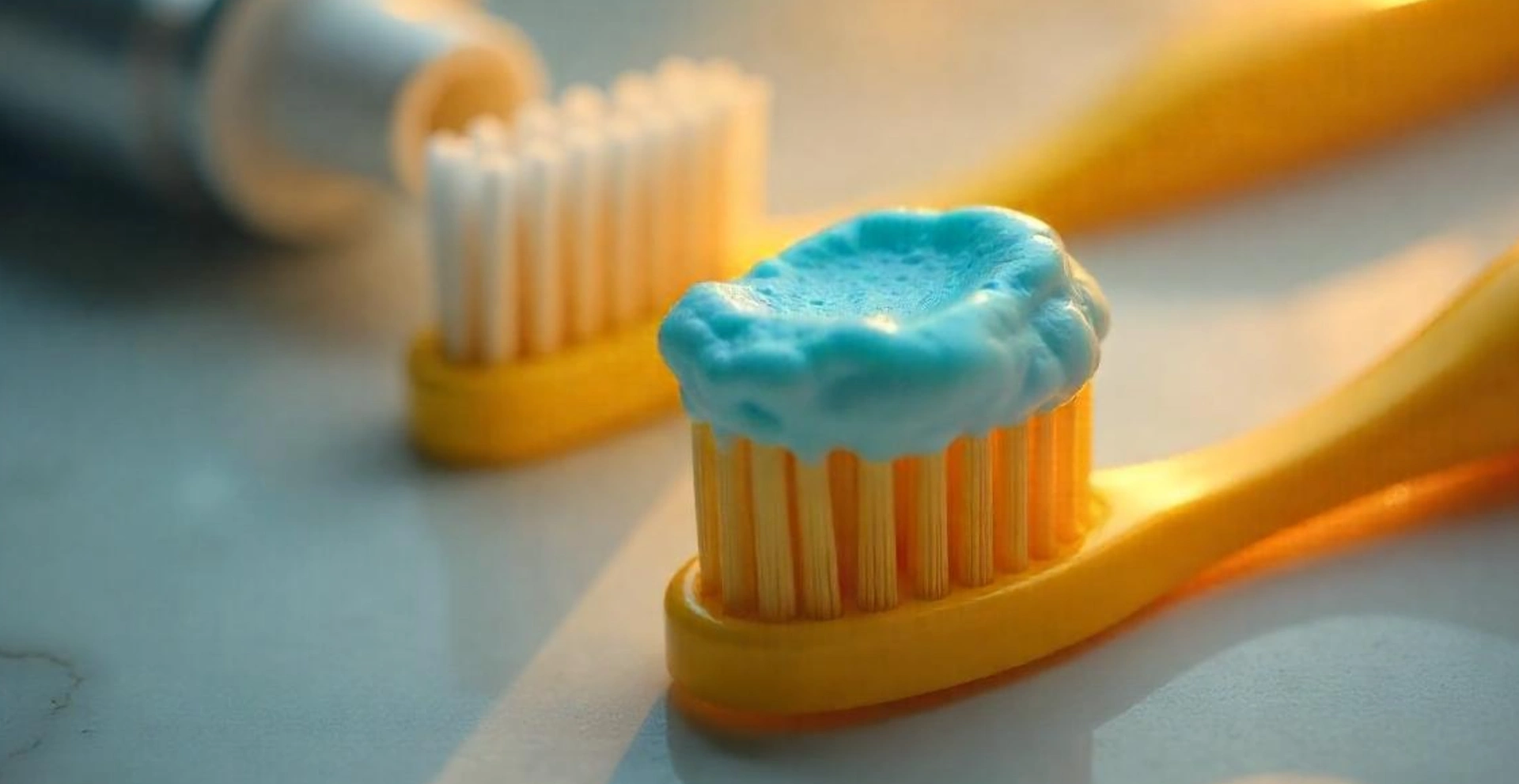
If you ask most people how to avoid a root canal, their first answer is simple: don’t go to the dentist. Funny, but not exactly effective. The truth is, root canals aren’t punishment for sitting in a dental chair. They usually happen when small dental issues are ignored, tooth pain goes untreated, or regular checkups are skipped. At Dental Innovations in Oklahoma, we’d much rather help you prevent problems early than have you wait until a major treatment is the only option.
Why Prevention Matters
The best way to keep root canals off your calendar is to stop problems before they start. Prevention means spotting early tooth decay, managing cavities, and treating infection before it spreads into the tooth’s pulp.
Protecting Your Natural Tooth
Dentists always want to save your natural tooth if possible. Once an infected tooth reaches the pulp, you may need a root canal, which is much more complicated than a simple filling. Preventive care helps avoid treatments that risk losing the tooth or needing it extracted.
Everyday Dental Care to Keep Teeth Healthy
Your daily habits are the frontline defense against deep decay and painful infections.

Practicing Good Oral Hygiene
- Brush twice daily with fluoride toothpaste
- Floss once a day to remove food between teeth
- Rinse with antibacterial mouthwash
- Schedule professional cleanings
Consistent habits like these improve dental care and prevent problems that lead to root canals.
Smart Lifestyle Choices
Sugary foods and drinks can feed bacteria that cause cavities. Using a mouthguard during sports prevents trauma to the mouth that could injure a tooth. Choices like these support good oral hygiene and help you avoid needing advanced treatment.
How Dental Visits Help Prevent Problems
Even the best brushing routine can’t always catch everything. Regular visits let your dentist find issues while they’re still small.
Professional Cleanings and Exams
Routine visits can spot cavities, cracks, or early signs of pulp damage. Early detection prevents infections from spreading into the connective tissue around the tooth.
When Fillings Can Save the Day
Catching a cavity early means it can be filled quickly. Sometimes a temporary filling protects the tooth until a permanent one is placed. These steps prevent damage that could otherwise lead to a root canal treatment.
What Happens If Prevention Fails
Sometimes an infection still develops, even with good habits. This is when the dreaded root canal procedure comes into play.
Signs You Might Need a Root Canal Treatment
- Severe or lingering pain
- Swelling in the gums
- Temperature sensitivity
- Visible decay or a deep cavity
- Infection spreading to other teeth
Ignoring these signs can cause bone loss and may eventually lead to the tooth being extracted.
What a Root Canal Procedure Looks Like
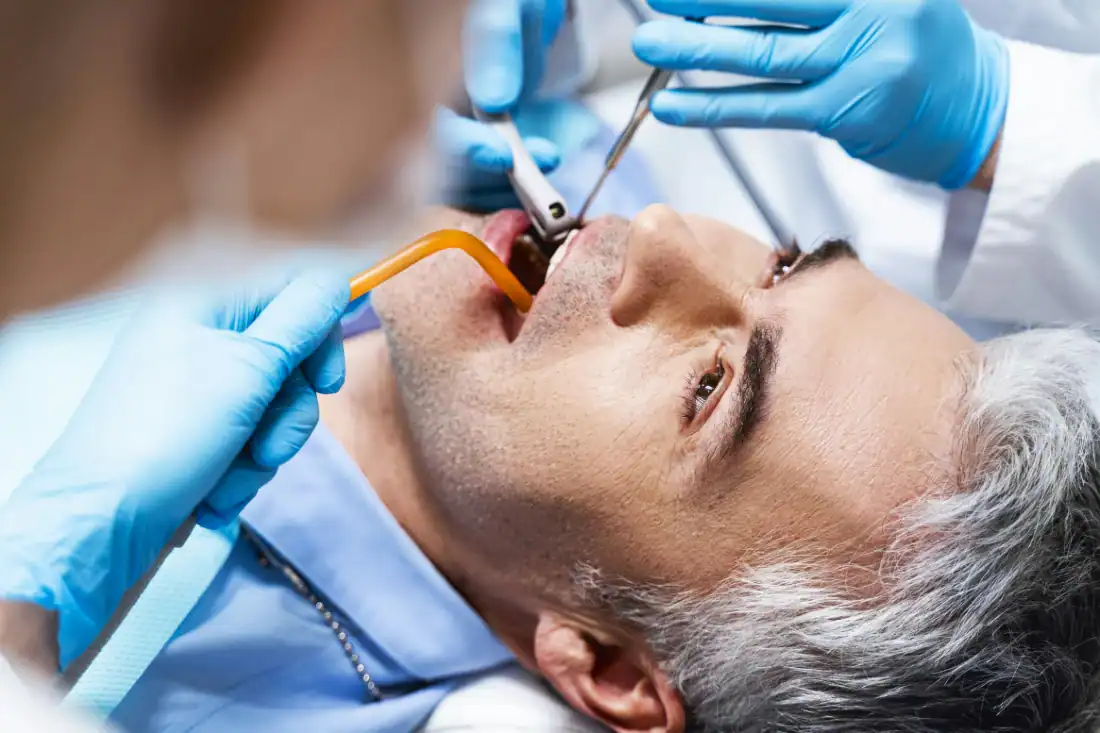
When prevention is no longer enough, a root canal is the next step to save a tooth. Here’s how the process typically works:
Step 1: Numbing the Tooth
The dentist or endodontist gives a local anesthetic to make the area comfortable before treatment begins.
Step 2: Isolating the Tooth
A dental dam (a thin protective sheet) is placed to keep the area clean and free from saliva while the procedure is performed.
Step 3: Removing the Infected Pulp
The endodontist removes the infected pulp from the pulp chamber and carefully cleans the canals using small instruments.
Step 4: Filling the Canals
Inside the tooth, the hollow space where the pulp extended and blood vessels once lived is sealed with gutta percha, a rubber-like material that prevents future infection.
Step 5: Restoring the Tooth
A crown is usually placed to strengthen and protect the treated tooth, allowing it to function for everyday chewing.
Step 6: Follow-Up and Healing
Most root canals are completed in one or two visits with the help of x-rays. Afterward, patients may need a short healing period but can return to using their mouth normally once the crown is in place.
Long-Term Dental Care After Treatment
Recovery is usually smooth, but caring for the treated tooth matters just as much as prevention.
Healing and Restoring the Tooth
The tooth may first be protected with a temporary filling before the final crown is placed. Patients should avoid biting hard foods on that side until healing is complete.
Keeping Your Smile Healthy
Following up with your general dentist for regular checkups helps prevent future issues. Practicing good oral hygiene and keeping up with dental visits will reduce the chances of repeat problems.
Recovery and Comfort Tips After a Root Canal
A root canal treatment in Oklahoma City may sound intimidating, but recovery is usually straightforward when you follow your dentist’s instructions. Here are some ways to stay comfortable and protect your treated tooth during healing:
- Take medications as directed: Your dentist or endodontist may prescribe pain relief or antibiotics to help with healing.
- Use a cold compress: This can ease swelling in your gums and reduce discomfort in the first day or two.
- Stick to soft foods: Choose soups, yogurt, or mashed potatoes until you feel ready to chew more normally.
- Avoid biting hard items: Give the crown and filling time to settle by avoiding crunchy or sticky foods.
- Maintain good oral hygiene: Continue to brush and floss carefully to keep your mouth clean and prevent bacteria from causing new problems.
- Schedule follow-ups: Check-ins with your general dentist ensure the tooth stays healthy and your recovery is on track.
Most patients are surprised at how quickly they can return to normal chewing and smiling after treatment. Following these simple steps protects your investment and helps avoid needing another root canal treatment in the future.
Healthy Habits, Happy Teeth

Root canals can save teeth, but the bigger goal is avoiding them altogether. By protecting your mouth, preventing cavity growth, and keeping up with dental visits, you can stop problems before they require advanced treatment.
At Dental Innovations in Oklahoma, we focus on prevention first. That means helping you avoid having a tooth extracted by addressing issues early and getting a simple cavity filled before it turns into something more serious. With regular checkups, cleanings, and strong daily habits, you’ll keep the smile you’ve always wanted without worrying about a root canal.
Your smile deserves attention, not avoidance. Book your next visit with us today, and let’s keep your teeth healthy, strong, and free from root canal drama.