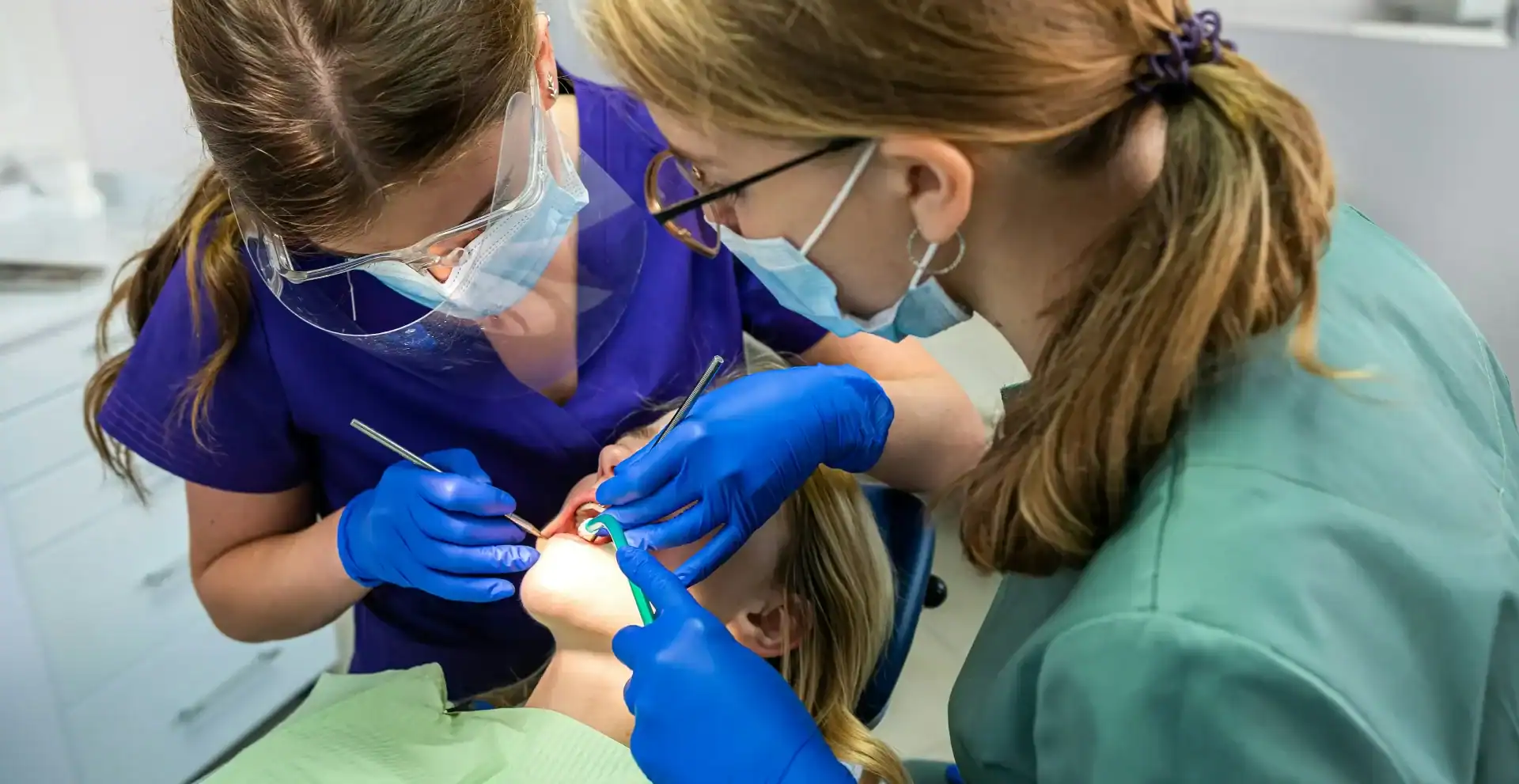
Gum disease affects millions of adults, and many do not realize they have it until symptoms become harder to ignore. Understanding how to reverse gum disease begins with early detection, the proper habits, and professional care from a trusted team. At Dental Innovations in Oklahoma City, we help patients understand gum disease symptoms, support healthier habits, and choose treatments designed to protect their smile. Whether you are experiencing bleeding gums, swollen gums, or early warning signs of discomfort, taking action now can make a meaningful difference in your long-term oral health.
Gum disease develops in stages, and each stage requires a different approach. When the condition is caught early, reversing gum disease is often very possible. When the disease progresses, professional treatment becomes essential to prevent tooth loss and protect the bone around the teeth. This guide explains what gum disease is, how to manage it at home, when to see a dentist, and what you can expect from treatment options at Dental Innovations.
Understanding Gum Disease and Its Causes

Gum disease begins when plaque buildup irritates the gum tissue. Plaque forms naturally on tooth surfaces, but poor oral hygiene allows it to harden into tartar and bacteria that trigger inflammation.
Over time, the gums begin to pull away from the teeth, creating spaces where bacteria grow more easily. These deeper pockets make it more difficult for your daily cleaning routine to reach and remove plaque. This progression can lead to more advanced problems if left untreated.
Several risk factors contribute to the development of gum disease. Smoking, hormonal changes, poor nutrition, and certain health conditions can increase the likelihood of inflammation or gum infection. Crooked teeth can also make cleaning harder because plaque tends to accumulate in hard-to-access areas. Understanding these factors helps guide you toward healthier habits that support your teeth and gums.
What Is Gingivitis?
Gingivitis is the earliest form of gum disease. It is common and often shows up as bleeding gums during brushing or flossing. Puffy gums, bad breath, and mild discomfort may also appear.
Gingivitis happens when plaque and tartar irritate the soft tissue around your teeth. The good news is that gingivitis responds well to improved oral hygiene and professional cleaning. When treated early, this stage can be reversed completely, restoring a healthier mouth.
What Is Periodontitis?
If gingivitis is left untreated, it can progress to periodontal disease. This advanced form of gum disease affects deeper structures, including the bone that supports the teeth.
As periodontal gum disease worsens, deeper pockets develop, making it easier for bacteria to grow. Bone loss can begin, and loose teeth or painful chewing may become noticeable.
Over time, gum recession and tooth loss become more likely if periodontitis is not treated. Because this form of gum disease, called periodontitis, affects the bones and tissues, it requires professional treatment to prevent further damage.
Can Gum Disease Be Reversed?
Whether gum disease can be reversed depends entirely on the stage of the condition. Reversing gum disease is possible during the early stages of gingivitis. With proper oral hygiene, regular dental visits, brushing and flossing, and consistent care, you can remove plaque, strengthen gum tissue, and support healthy teeth.
Many people catch gum disease at this stage and can restore their gum health by correcting their habits and following professional advice.
Once the disease progresses to periodontitis, reversal is no longer possible. The focus shifts to preventing further bone loss and maintaining a healthier mouth through professional treatment. Scaling and root planing, routine maintenance, and periodontal care help slow the disease and prevent additional complications.
Patients who see a dentist regularly are more likely to catch gum disease before it advances to a stage that requires complex treatment.
Effective At-Home Remedies to Reverse Gum Disease

Home care plays a major role in early-stage improvement. Consistent daily habits help control plaque buildup and reduce inflammation. While these steps cannot replace professional treatment, they are essential for preventing gum disease from progressing.
Key at-home steps include:
- Brushing your teeth twice a day using fluoride toothpaste
- Cleaning between teeth daily with floss or an interdental tool
- Using an antimicrobial rinse to reduce bacteria
- Paying attention to signs of irritation, such as puffy gums or sensitive teeth
- Reducing sugar intake to support overall oral health
A strong home routine makes professional treatment more effective and helps maintain results over time.
Brushing and Flossing Techniques
Proper brushing is essential for improving oral health during the early stages of gum disease. When you brush your teeth, angle the brush toward the gumline and use slow, gentle circles that remove plaque without irritating your soft tissue.
Proper brushing helps reduce plaque and supports good oral hygiene. Daily flossing reaches areas where your toothbrush cannot, protecting tooth surfaces and lowering your risk for gum infection. These small habits play a significant role in preventing deeper pockets from forming.
Use of Antimicrobial Mouthwash
An antimicrobial rinse helps reduce tartar and bacterial levels in your mouth. Mouthwash for gum disease works best when used after brushing and flossing because it can reach areas that toothbrushes and floss cannot.
Some rinses are explicitly designed to support nonsurgical treatment during gingivitis. Others help keep plaque and tartar under control as part of your routine. These rinses can be beneficial if you experience bad breath, bleeding gums, or mild inflammation.
Dietary Tips for Gum Health
Diet influences the strength of your gum tissue. Foods rich in vitamins and minerals support healing, while sugary or acidic snacks increase the risk of tooth decay.
Choosing whole foods, vegetables, fresh fruit, and lean proteins helps protect your teeth and gums from damage. Avoiding tobacco products is also essential, since people who chew tobacco face a higher risk for periodontal disease and painful chewing caused by inflammation.
A balanced diet creates a healthier environment for your gums.
Professional Treatments Available at Dental Innovations
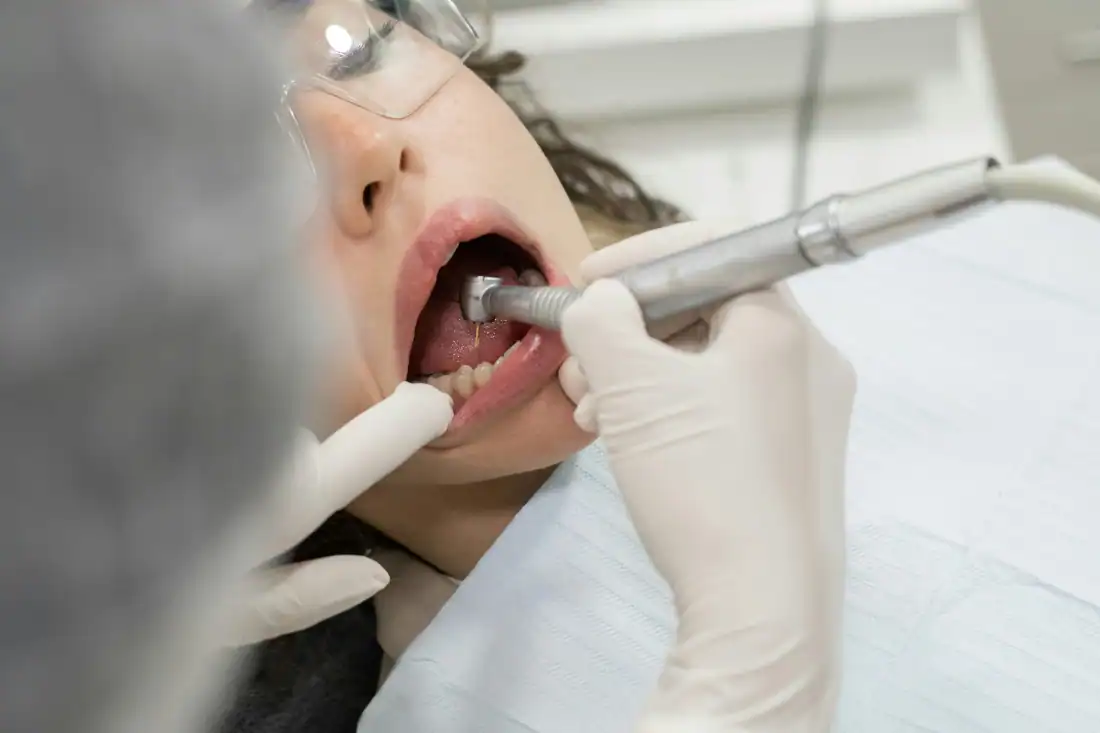
Professional gum care becomes essential when plaque buildup leads to deeper pockets or when patients begin to notice bleeding, swelling, or loose or sensitive teeth.
A dental hygienist at Dental Innovations performs a detailed evaluation, measures gum pockets, checks for bone loss, and identifies signs of gum recession. This evaluation helps determine the most effective treatment plan for your needs.
Professional gum disease treatment in OKC options include:
- Professional cleaning to remove plaque and tartar
- Scaling and root planing to clean root surfaces
- Antibiotic therapy to control gum infection
- Surgical options for more advanced cases
- Maintenance visits to support long-term oral health
Each step targets the bacteria that cause inflammation and helps stabilize the foundation that holds your teeth in place.
Deep Cleaning (Scaling and Root Planing)
Deep cleaning for gums is often the first step in treating periodontitis. Scaling and root planing removes plaque and tartar from deeper pockets and smooths root surfaces, reducing the number of places for bacteria to hide.
This nonsurgical treatment helps the gums reattach more tightly to the teeth, reducing deeper pockets and lowering the risk of further bone loss. Scaling and root planing treatment is performed with special tools and may require local anaesthesia for comfort.
Antibiotic Therapy
Antibiotics for gum disease may be used alongside deep cleaning to reduce bacteria in areas that are difficult to reach. These medications can be administered as topical gels, mouth rinses, or small capsules placed directly into deeper pockets.
Antibiotics help stop the spread of infection and support healing after scaling and root planing. Your provider will select the right option based on the severity of your periodontal disease.
Surgical Treatments
When advanced periodontitis affects the bone supporting the teeth, surgical treatment may be needed. Gum surgery options include pocket reduction surgery, bone graft procedures, and guided tissue regeneration.
Pocket reduction surgery helps remove infected tissue and reduces deeper pockets that trap bacteria. Bone graft procedures use either your own bone or a synthetic material to restore areas affected by bone loss.
Guided tissue regeneration supports regrowth in areas where bone and tissue need structural support. These treatments protect your roots and help stabilize loose teeth.
Preventing Gum Disease Recurrence

After treatment, prevention becomes essential for keeping your gums healthy. Even when symptoms improve, ongoing care helps protect your smile and reduce the chance of complications.
Daily routines combined with routine professional cleaning support long-term success and lower your risk of future infections.
Helpful prevention habits include:
- Maintaining proper oral hygiene at home
- Limiting sugary foods that contribute to plaque buildup
- Scheduling regular dental visits for evaluation
- Managing health conditions that increase risk factors
- Practising consistent brushing and flossing routines
These habits work together to support a healthier mouth and protect against recurring inflammation.
Regular Dental Checkups and Cleanings
Regular dental checkups allow your provider to monitor gum health and identify issues before they worsen. A regular dental cleaning removes plaque and tartar from areas you cannot reach at home.
Dental cleanings also help manage early signs of inflammation and allow the provider to adjust your care plan as needed. Visiting your provider for regular checkups enables you to maintain steady progress and avoid complications.
Lifestyle Changes for Healthy Gums
Your daily habits influence gum health more than you might expect. Smoking increases the likelihood of developing periodontal disease and slows healing after treatment.
Stress can weaken the immune system and make inflammation more challenging to control. Hydration supports saliva production, which naturally helps remove plaque.
Making healthy choices creates a supportive environment for your gums and protects your teeth from future problems.
Why Choose Dental Innovations in OKC for Your Gum Health?
Dental Innovations provides modern care backed by knowledge from leading sources, including systematic review findings, national institute guidelines, and ongoing craniofacial research. Our approach combines advanced technology, personalized treatment plans, and careful monitoring from a highly trained team.
Patients appreciate the supportive environment and the emphasis on long-term oral health. Whether you are experiencing early gum disease or need help managing advanced symptoms, our team is here to guide you through every step.
Our providers explain each stage of periodontal care, help you understand treatment options, and support you in maintaining healthy gums. You receive clear guidance based on reputable gum disease information, dental and craniofacial research, and years of clinical experience.
The American Dental Association supports evidence-based approaches to gum disease treatment, and our practice follows these established standards to deliver care you can trust.
Schedule Your Gum Disease Consultation in Oklahoma City
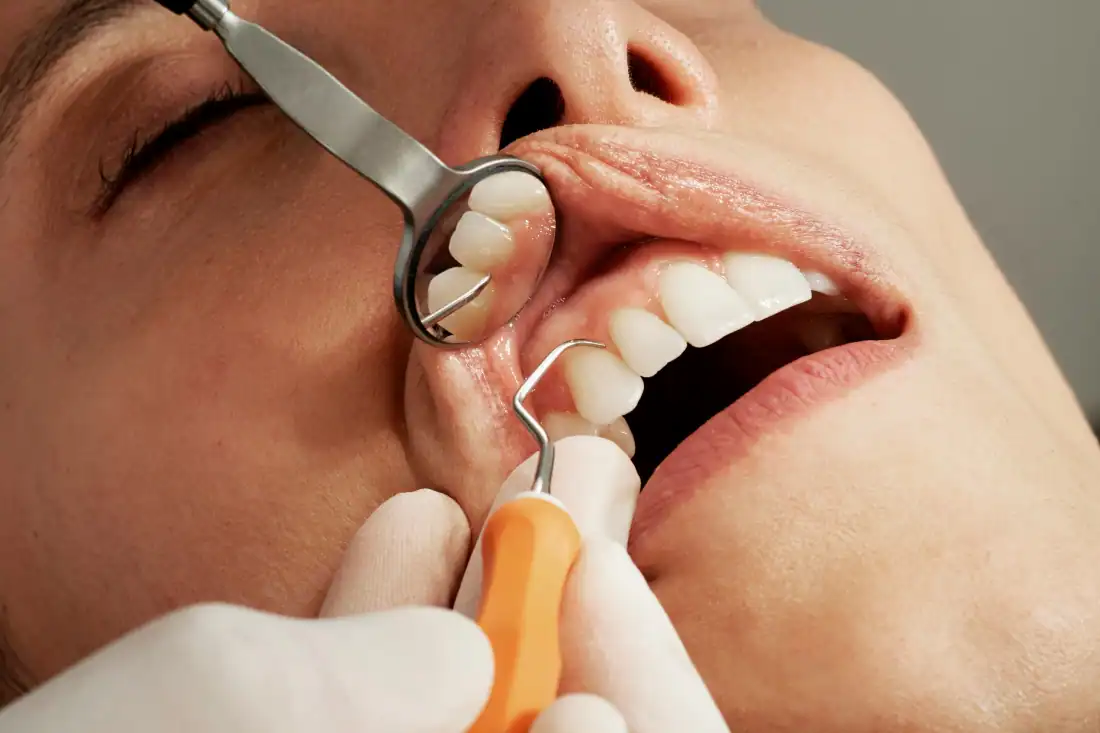
If you suspect gingivitis, swollen gums, loose teeth, or bleeding gums during your routine, now is the best time to see a dentist. Gum disease progresses silently, but if treated early, it can be controlled successfully.
Dental Innovations provides professional treatment designed to reverse gum disease in its early stages and protect your smile for years to come. Contact us to schedule your visit today and take the next step toward a healthier, stronger smile.