Healthy gums are the foundation of a beautiful smile and strong oral health. At Dental Innovations, our team is dedicated to helping patients protect their smiles through advanced, patient-focused dental care. If you’re experiencing bleeding gums, swelling, discomfort, or signs of infection, you may be facing gum disease—a common but serious condition that affects the surrounding tissues, bone, and overall health of your teeth. The good news is that with early treatment, professional care, and today’s advanced laser dentistry options, gum disease can often be controlled and even reversed.
In this comprehensive guide, we’ll explain how gum disease develops, what modern dentistry—including laser treatment—can do to stop it, and how you can restore long-term oral health with the right combination of professional care and daily habits.
Understanding Gum Disease and Its Impact on Oral Health

Gum disease, also known as periodontal disease, begins when bacteria in plaque build up along the gumline and trigger bacterial infections in the soft tissue. Early-stage gum disease (gingivitis) causes redness, swelling, and bleeding. If left untreated, it can progress into periodontitis, affecting the deeper tissue, the bone, and eventually leading to tooth loss.
Common signs include:
- Bleeding when brushing or flossing
- Swollen, tender gums
- Bad breath caused by bacteria
- Receding gums and exposed tooth roots
- Tooth sensitivity
- Loose teeth
Reversing gum disease depends on early detection, consistent professional dental treatment, and patient commitment to daily care.
What Is Laser Dentistry?
What is laser dentistry? It is a modern innovative tool in dentistry that uses highly concentrated beams of light energy to perform various dental procedures with exceptional precision. The term LASER stands for Light Amplification by Stimulated Emission of Radiation, referring to how laser energy is produced.
In dentistry, lasers deliver energy at a specific wavelength that allows dentists to treat, reshape, or remove soft tissue and hard tissue with greater control than traditional tools.
Laser dentistry can be used for cavity preparation and removal, providing an alternative to the traditional dental drill for certain procedures.
How Dental Lasers Work in Gum Disease Treatment

Dental lasers work by directing laser energy that is absorbed by targeted tissue. Different laser systems are used depending on whether the treatment involves soft tissue or hard tissue:
- Soft tissue lasers are used on the gums and surrounding tissue.
- Hard tissue lasers can work on teeth, cavities, and even bone. After removing decay from a cavity, fillings are typically used to restore the tooth, and lasers can assist in preparing the tooth for these fillings.
For gum disease, soft tissue lasers remove infected tissue while preserving healthy areas. The laser simultaneously reduces bacteria, controls bleeding, and promotes faster healing.
How Laser Dentistry Helps Reverse Gum Disease
Laser dentistry has transformed how gum disease treatment is delivered. Compared to traditional surgical procedures, laser therapy offers several advantages:
1. Precision and Less Pain
Lasers allow for extremely precise removal of infected tissue without damaging healthy areas. Patients often experience less pain, minimal discomfort, and reduced need for anesthesia.
2. Faster Healing Time
Because lasers seal blood vessels as they work, there is usually less bleeding, less swelling, and a shorter healing timecompared to traditional invasive methods.
3. Reduced Risk of Infection
The laser energy kills harmful bacteria, lowering the risk of further infection after the procedure.
4. Less Gum Shrinkage
Laser procedures are gentler on the gums, allowing tissue to reattach firmly to the teeth and reducing long-term recession.
Gum Disease Treatment in Oklahoma City
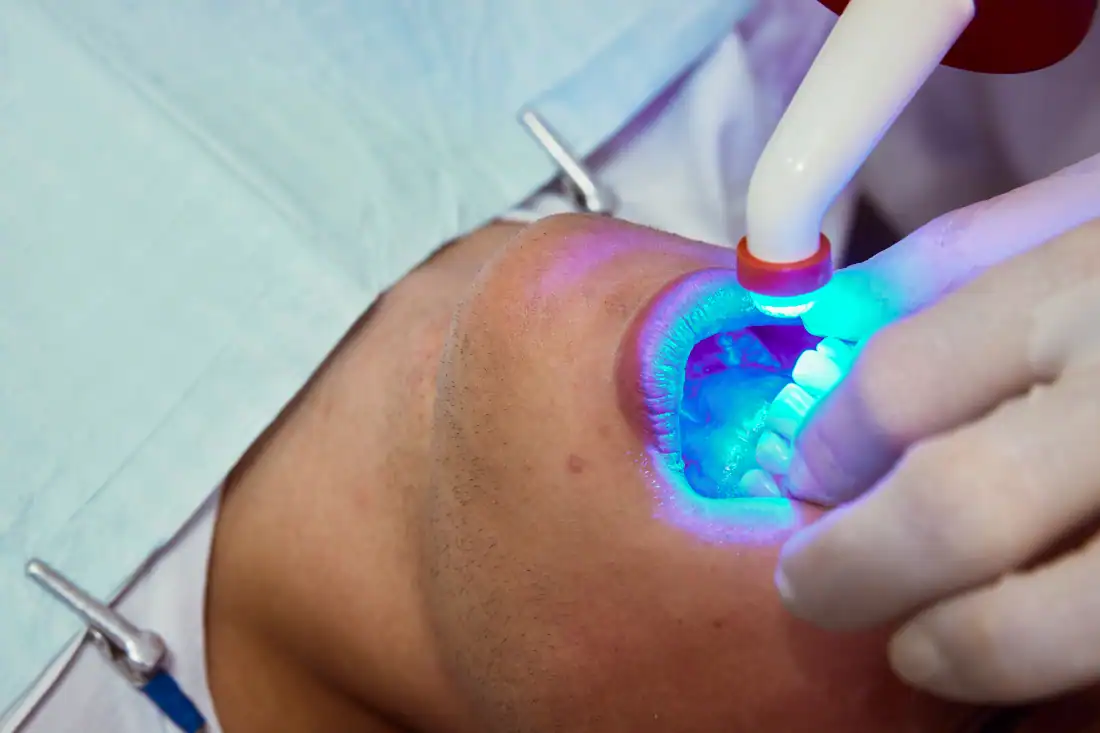
For patients seeking gum disease treatment Oklahoma City, advanced laser therapy is now available at Dental Innovations, where cutting-edge laser technology is used to deliver comfortable, highly effective periodontal care. Our experienced dentists carefully evaluate each patient to determine whether laser therapy, traditional scaling, or a combination approach is the best solution.
Laser Dentistry vs Traditional Dental Procedures
Traditional gum disease therapy often involves manual scaling and in some cases invasive surgical procedures using scalpels and dental drills. While effective, these methods may come with more pain, longer healing, and increased discomfort. Laser dentistry can also be used for other procedures beyond gum disease treatment, showcasing its versatility in modern dental care.
With laser dentistry, many dental procedures can now be performed without:
- Traditional incisions
- Sutures
- Excessive bleeding
- Extended recovery times
In certain procedures, lasers can replace the dental drill, offering a more comfortable experience for patients.
Unlike traditional drills, lasers can remove infected tissue and bacteria with minimal trauma—making them a powerful alternative for modern periodontal care.
Key Benefits of Laser Dentistry for Gum Disease
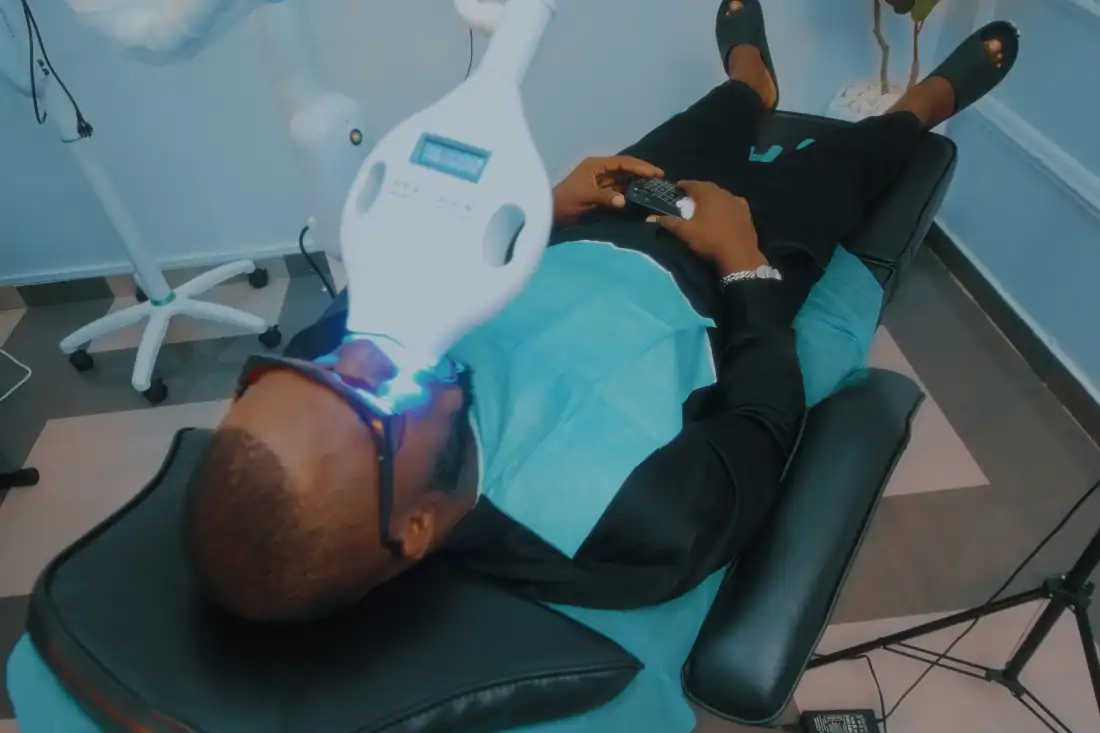
Some of the most important benefits include:
- Less pain and reduced need for anesthesia
- Minimal bleeding and swelling
- Faster healing time
- Fewer post-treatment complications
- Improved comfort for patients
- Lower risk of recurring infection
- Better preservation of healthy tissue
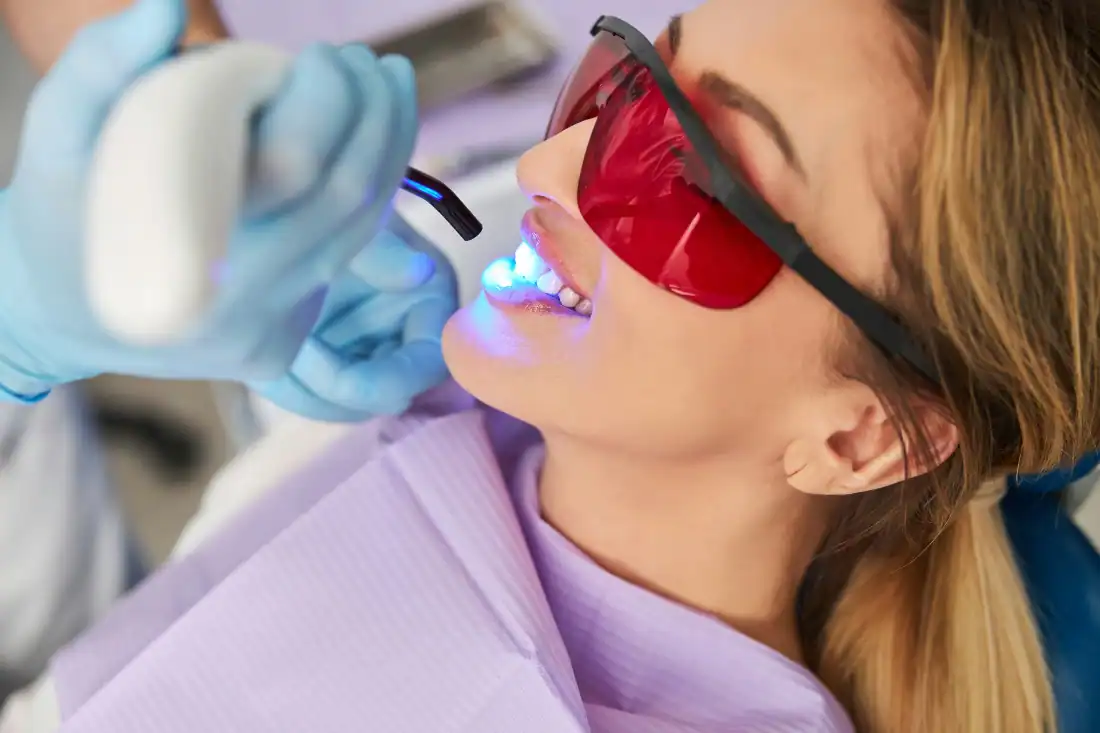
- Safe and effective treatment when proper safety measures and protective eyewear are used
Disadvantages and Considerations of Laser Treatment
While lasers offer many advantages, there are a few disadvantages to consider:
- Cost may be higher compared to traditional treatment
- Not all cases of gum disease are suitable for laser therapy
- Certain procedures may still require conventional tools
- Some hard tissue applications still require dental drills
- Proper training is essential for the doctor performing laser treatment
Your dentist will always explain your options, review certain precautions, and determine the best treatment for your specific condition.
Other Dental Procedures Using Laser Technology
Beyond periodontal therapy, laser dentistry is also used for crown lengthening, treating lesions, removing infected tissue, reshaping gums, treating cavities without drills, reducing tooth sensitivity, assisting with orthodontics, supporting crowns and restorations, treating painful oral conditions, and many other procedures.
Both soft and hard lasers can be used depending on the procedure.
The Science Behind Light and Laser Energy in Dentistry
Dental lasers operate using controlled light amplification through stimulated emission. This produces a highly focused beam of light that interacts with tissue at a specific wavelength. Once the energy is absorbed, it can cut, reshape, sterilize, or remove tissue with incredible precision.
Unlike medical radiation, dental laser energy is safe when proper safety measures and protective protocols are followed.
How To Reverse Gum Disease Naturally at Home (With Professional Care)
While professional gum disease treatment is essential, patients also play a critical role at home. Daily care helps stop further damage and supports complete recovery.
Essential Home Care Steps:
- Brush twice daily with soft bristles
- Floss to remove bacteria between teeth
- Use an antibacterial mouth rinse
- Maintain good oral health habits
- Avoid smoking
- Eat a balanced, nutrient-rich diet
These habits reduce plaque buildup, prevent further infection, and support gum tissue healing.
When Gum Disease Becomes Surgical
In advanced stages, gum disease may require more aggressive surgical care. This can include:
- Deep tissue cleaning
- Flap surgery to remove bacteria under the gums
- Bone grafting when bone is affected
- Regenerative procedures to restore lost tissue
Laser-assisted surgery can often reduce trauma and shorten recovery even in advanced periodontal cases.
Comparing Laser Treatment to Traditional Gum Surgery
| Feature | Laser Dentistry | Traditional Surgery |
|---|---|---|
| Pain | Less pain | Moderate to severe |
| Bleeding | Minimal | More bleeding |
| Healing Time | Faster | Slower |
| Anesthesia | Often reduced | Usually required |
| Risk of Infection | Lower | Higher |
| Precision | Extremely precise | Less precise |
Laser Dentistry Safety and Precautions
Although dental lasers are safe, certain precautions must always be followed:
- Use of protective eyewear
- Proper calibration of the laser system
- Accurate control of wavelength
- Strict infection-control protocols
When performed by trained dentists, laser therapy is one of the safest and most effective modern dental technologies.
Why Early Treatment is Essential
Untreated gum disease does not resolve on its own. As bacteria move deeper into the surrounding tissues, they can destroy the supportive bone, affect the tooth pulp, and cause irreversible damage.
Early dental treatment:
- Prevents tooth loss
- Preserves bone structure
- Reduces overall health risks
- Improves comfort and confidence
- Protects long-term oral wellness
Crown Lengthening and Advanced Gum Procedures
Crown lengthening is a specialized dental procedure designed to expose more of a tooth’s surface by carefully reshaping the gum tissue and, when necessary, the underlying bone. This treatment is often recommended when a tooth is damaged by decay, broken below the gumline, or appears too short for restorative work like crowns. Thanks to advancements in laser dentistry, crown lengthening and other advanced gum procedures have become far more comfortable and efficient for patients.
Soft tissue lasers, such as diode lasers, are frequently used to precisely remove excess gum tissue while simultaneously sealing blood vessels. This results in significantly less bleeding and discomfort during and after the procedure. For cases where bone reshaping is required, hard tissue lasers like Er:YAG lasers can gently sculpt the bone with remarkable accuracy, eliminating the need for traditional drills and reducing the overall invasiveness of the treatment.
By utilizing laser technology, dentists can perform crown lengthening and other gum procedures with less pain, minimal swelling, and a faster recovery time. Patients benefit from a more comfortable experience, less time in the dental chair, and improved outcomes for both the health and appearance of their teeth and gums. Whether you need crown lengthening for restorative or cosmetic reasons, laser-assisted dentistry offers a modern, less painful alternative to traditional surgical methods.
Finding a Qualified Dentist for Gum Disease Treatment
When it comes to treating gum disease, choosing the right dental professional is essential for achieving the best results and protecting your long-term oral health. Gum disease affects not only the gums but also the surrounding tissues that support your teeth, so it’s important to work with a dentist who has specialized experience in periodontal care and advanced technologies.
Look for a dentist who is trained in laser dentistry and has hands-on experience with soft tissue lasers and other innovative tools. A qualified provider will be able to diagnose the extent of your gum disease and recommend a personalized treatment plan that may include procedures such as scaling and root planing, gum grafting, or crown lengthening. Their expertise with lasers ensures that your treatment is as gentle and effective as possible, with minimal discomfort and optimal healing.
In addition to advanced treatment, a skilled dentist will educate you on preventive strategies to maintain healthy gums and prevent future infections. Don’t hesitate to ask about their experience with laser procedures, the types of lasers they use, and their approach to treating both the soft tissue and the surrounding structures of your mouth. By partnering with a knowledgeable and compassionate dental team, you can confidently address gum disease and safeguard your oral health for years to come.
Cost and Insurance Considerations for Gum Disease Treatment

Understanding the financial aspects of gum disease treatment is an important part of planning your care. The cost of treatment can vary widely depending on the severity of your gum disease, the specific procedures required, and whether advanced techniques like laser dentistry are used. While laser procedures may have a higher upfront cost compared to traditional methods, many patients find the investment worthwhile due to the benefits of less pain, reduced discomfort, and a lower risk of complications or repeat treatments.
Most dental insurance plans provide some coverage for gum disease treatment, including laser-assisted procedures, but the extent of coverage depends on your individual plan and the type of treatment needed. It’s essential to check with your insurance provider to understand what is included and to discuss any out-of-pocket expenses with your dental office. Many dentists also offer flexible payment plans or financing options to help make treatment more accessible.
Investing in professional gum disease treatment not only protects your teeth and gums but can also prevent more serious—and costly—health issues down the road. By prioritizing regular dental visits, maintaining good oral hygiene, and seeking timely care from experienced dentists, you can manage costs and enjoy better oral and overall health for the long term.
Why Choose Dental Innovations for Laser Gum Disease Treatment?
At Dental Innovations, we combine advanced laser technology, personalized treatment planning, and compassionate patient care to deliver the highest standard of periodontal treatment in Oklahoma City. Our skilled team carefully evaluates every patient’s needs and designs customized solutions that prioritize comfort, effectiveness, and long-term success.
We believe in progressive dentistry that blends innovation with patient-centered care—so you receive safe, gentle, and highly effective treatment.
Restoring Your Gums and Your Smile
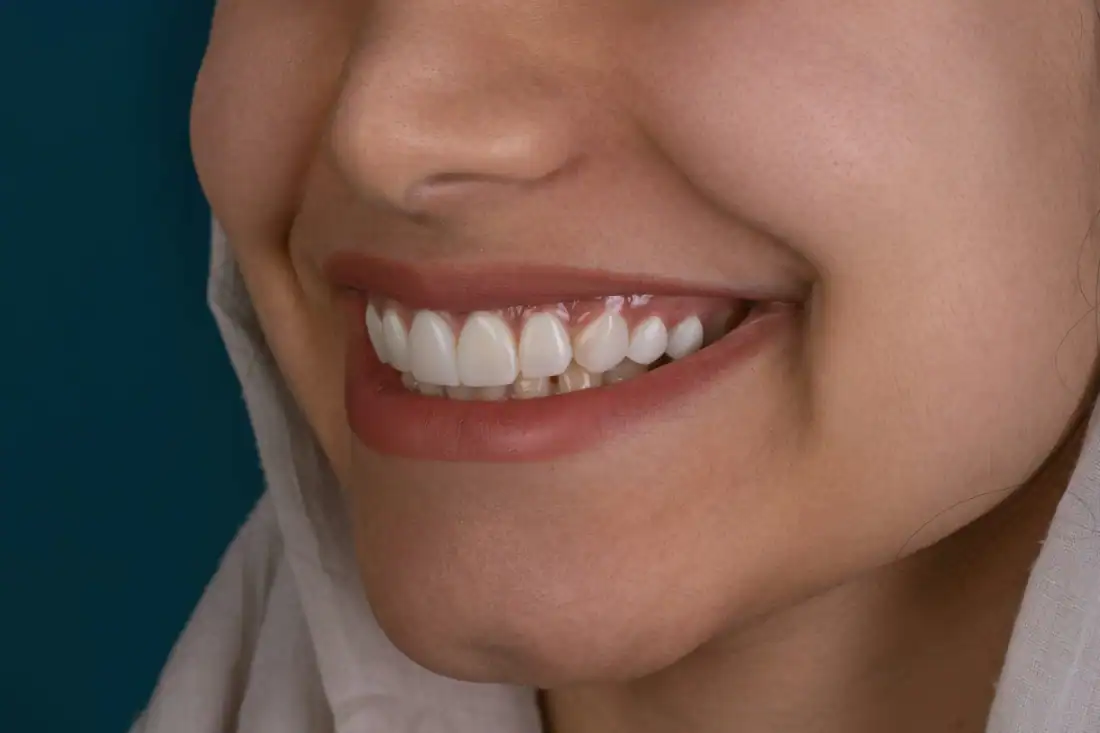
Reversing gum disease is possible with early diagnosis, consistent home care, and modern professional treatment. Today, Dental Laser in OKC has become one of the most effective solutions for treating periodontal issues with far less discomfort than traditional methods. Laser dentistry has transformed periodontal care by offering minimal pain, quicker healing, and highly precise treatment that targets infected tissue while preserving healthy gums. Compared to older techniques, laser-assisted therapy provides superior comfort, accuracy, and long-term oral health benefits.
If you’re experiencing swollen gums, bleeding, discomfort, or signs of infection, don’t wait for the condition to progress. Contact Dental Innovations today to schedule your consultation and learn how our advanced laser solutions can help restore your gum health, protect your teeth, and give you confidence in your smile once again.