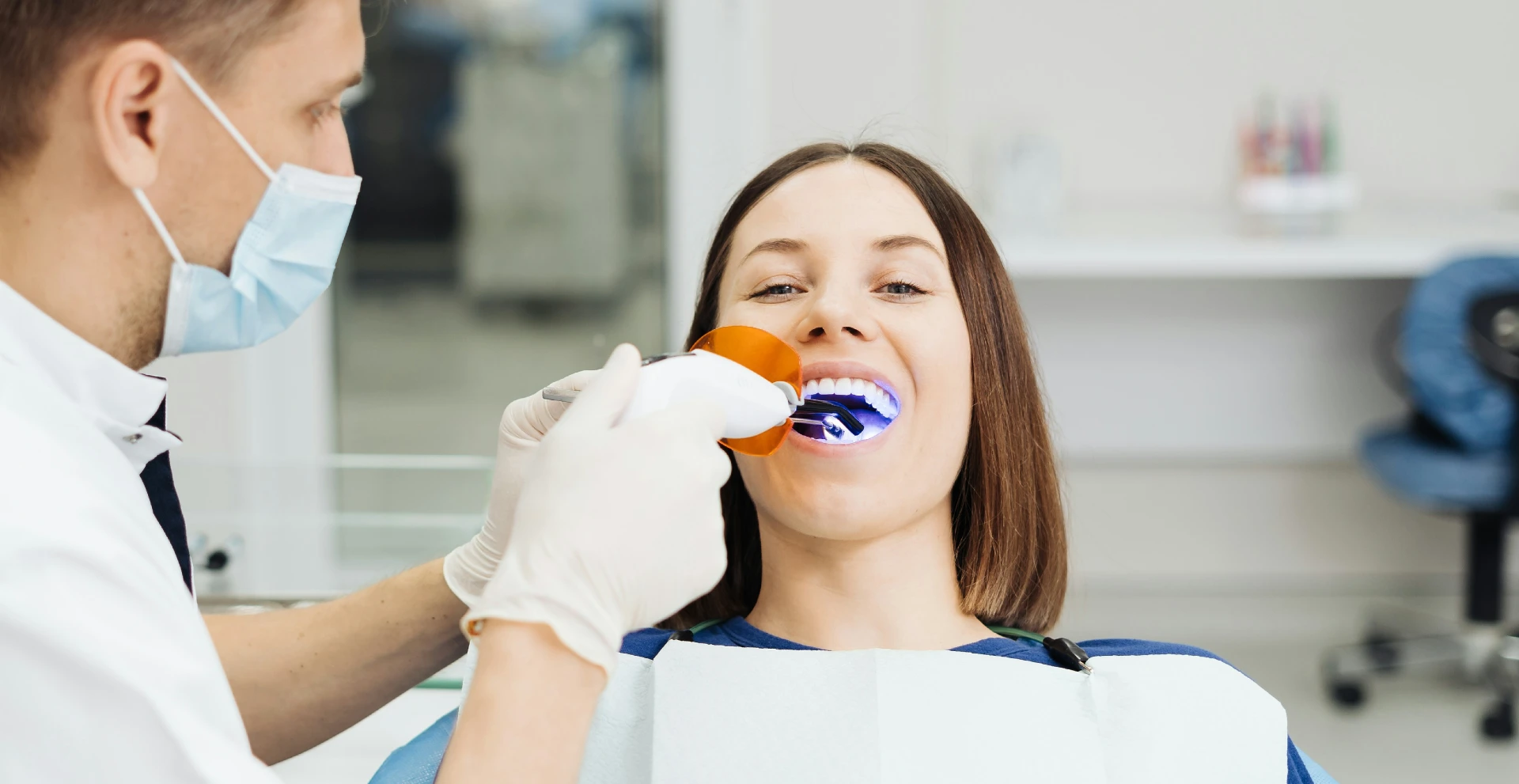
Veneers have revolutionized cosmetic dentistry, offering patients an effective solution for enhancing their smiles. But what exactly is a dental veneer, and how do these thin layers of material transform your smile so dramatically? Veneers are thin layers of material custom-made to fit over the surface of your natural teeth, concealing imperfections while giving your smile a natural, aesthetically pleasing appearance. Veneers can address various cosmetic concerns, such as chipped teeth, discoloration, or minor misalignments, but the material they’re made from can significantly impact the final result.
At Dental Innovations, we take pride in providing personalized cosmetic dental treatment to help patients achieve their dream smiles. In this blog, we’ll explore the different types of veneer materials, how they interact with natural teeth, and why they’re so effective at improving a patient’s smile.
Related Article: How To Whiten Veneers
What Are Dental Veneers

Dental veneers are a popular cosmetic dental treatment used to enhance the appearance of teeth. These thin, tooth-colored shells are custom-made to fit each individual’s teeth perfectly, offering a tailored solution for a variety of cosmetic issues. Whether you’re dealing with cracked or chipped teeth, teeth gaps, or discoloration, veneers can improve your smile. They are an excellent option for individuals who want to achieve a more aesthetically pleasing smile without undergoing extensive dental work. With dental veneers, you can enjoy a natural-looking, beautiful smile that boosts your confidence and overall appearance.
What Are the Different Types of Veneers Made Of?
Veneers can be made from several materials, each offering its own set of advantages. Tooth bonding, a procedure that uses composite resin similar to composite veneers, is another method for improving the appearance of teeth. The most common types of veneers are porcelain veneers and composite resin veneers, though other materials, such as ceramic veneers, may be used in some cases. Each material has its unique properties, but all veneers share one common purpose: to enhance the appearance of your natural teeth and improve your oral health. Let’s explore these materials in detail.
1. Porcelain Veneers
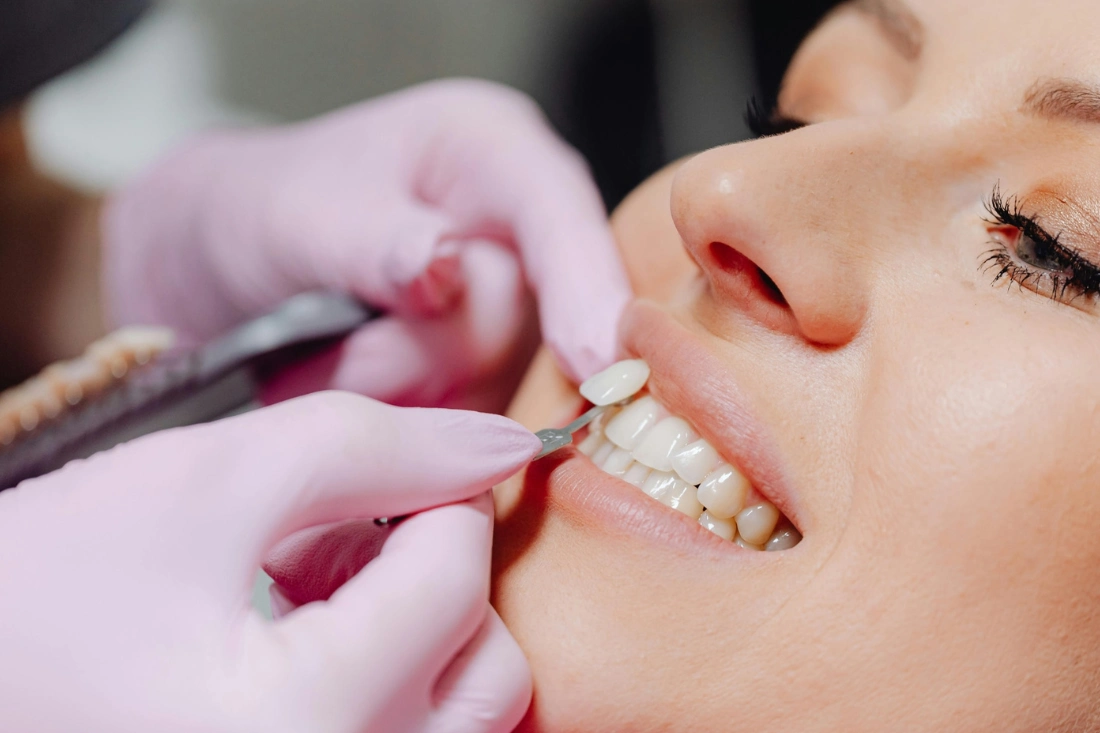
Porcelain veneers are one of the most popular choices for patients seeking a durable and natural-looking cosmetic solution. Porcelain is a high-quality material that mimics the translucency of natural tooth enamel, providing a natural appearance that blends seamlessly with your existing teeth. The porcelain material is extremely durable and resistant to staining, making it an excellent option for those concerned about consuming colored foods or drinks like red wine.
Benefits of Porcelain Veneers:
- Durability: Porcelain is highly resistant to wear, making these veneers a long-lasting solution for cosmetic enhancements.
- Stain Resistance: Porcelain veneers are less prone to discoloration compared to other materials, maintaining their brilliance over time.
- Natural Appearance: The translucent quality of porcelain allows it to closely resemble the natural enamel of teeth, creating a natural look.
- Custom Made: Each veneer is custom-made in a dental laboratory to fit the patient’s tooth surface perfectly.
The dentist will take an impression of your teeth, and the veneers are custom-made to match the color, shape, and size of your existing teeth. Once created, the dentist applies the veneers to your teeth, and with proper care, they can last up to 15 years or more.
2. Composite Veneers

Composite resin veneers are another popular option for patients looking for a more cost-effective alternative to porcelain veneers. Composite veneers can also be an appropriate option for patients who have already received dental implants, as they can provide a reliable aesthetic solution that complements existing dental work. These veneers are made from resin composite material, a durable, tooth-colored substance that can be applied directly to the tooth surface. Composite veneers are often completed in a single visit, making them a convenient option for those seeking faster results.
Benefits of Composite Veneers:
- Affordability: Composite veneers typically cost less than porcelain veneers, making them more accessible for patients on a budget.
- Quick Application: The procedure for composite veneers can often be completed in one day, as the dentist applies and shapes the material directly onto the teeth.
- Easy Repairs: If a composite veneer chips or becomes damaged, it can usually be repaired more easily than porcelain veneers.
While composite veneers are not as resistant to staining as porcelain, they still offer a natural look and can effectively hide imperfections. These veneers usually last 5-7 years with proper care.
3. No-Prep Veneers

In some cases, patients may be candidates for no-prep veneers. These are ultra-thin veneers that require little to no removal of the tooth enamel before application. This makes the procedure less invasive compared to traditional veneers. No-prep veneers are usually made of porcelain or other thin tooth-colored materials.
Advantages of No-Prep Veneers:
- Less Invasive: Because there is minimal removal of natural tooth structure, this procedure is less invasive than traditional veneers.
- Quick Procedure: Since the preparation process is simplified, the application of no-prep veneers is usually faster.
However, not every patient is a candidate for no-prep veneers, so it’s important to consult with a qualified cosmetic dentist to determine if they are suitable for your specific needs.
Veneer Fabrication and Placement
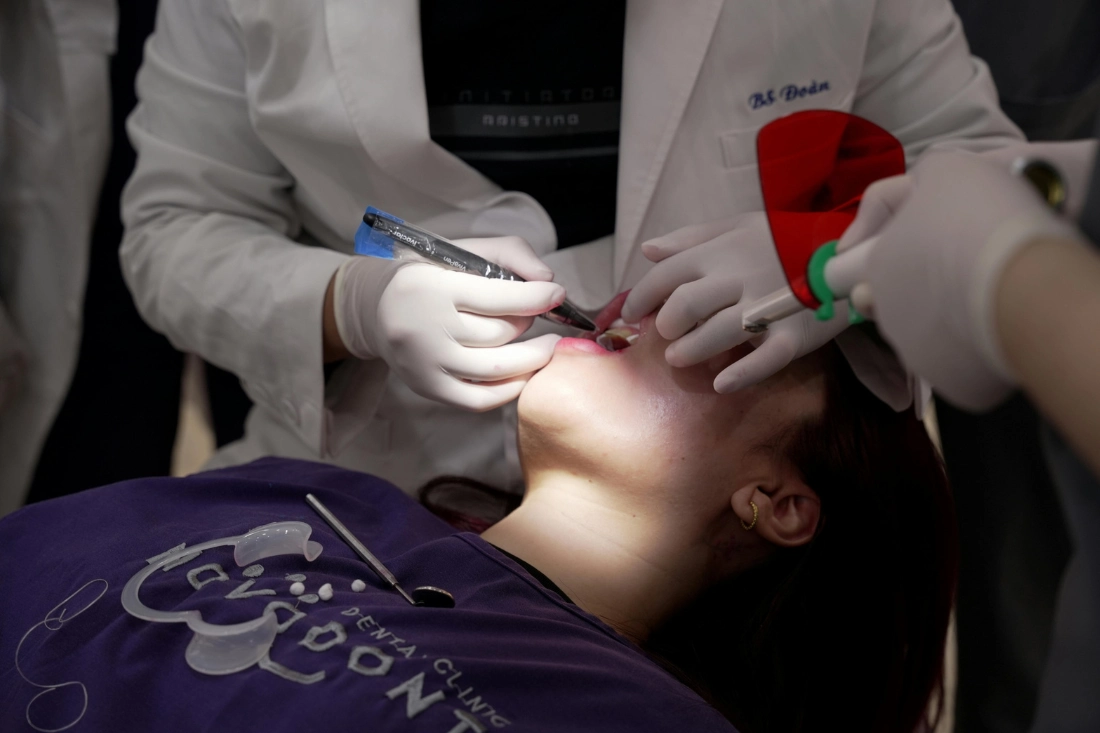
The process of fabricating and placing dental veneers typically involves several meticulous steps to ensure a perfect fit and natural look. Initially, the dentist will prepare the tooth surface by removing a small amount of enamel. This step is crucial to ensure that the veneer fits properly and does not feel bulky once applied. Following this, the dentist will take an impression of the tooth, which is then sent to a dental laboratory. Here, skilled technicians craft the veneer to match the exact specifications of your tooth.
Once the custom veneer is ready, the dentist will place it on the tooth to check its fit and color, making any necessary adjustments. Finally, the veneer is cemented to the tooth using a special adhesive, ensuring a strong bond. This careful process ensures that the veneer not only enhances the appearance of your tooth but also functions seamlessly with your natural teeth.
The Tooth Preparation Process

When it comes to traditional veneers, a small amount of your tooth’s enamel must be removed to ensure the veneers fit comfortably and adhere properly. This is particularly true for porcelain veneers, where a thin layer of the tooth surface is removed to make room for the veneer. This process ensures that the veneers cover the entire front surface of the tooth while maintaining a natural appearance.
For composite veneers, less tooth preparation is required, as the material is applied directly to the teeth without needing to remove as much enamel. Regardless of the type of veneer, the goal is to maintain as much of your natural tooth structure as possible while providing a beautiful, stunning smile.
The Role of Dental Innovations
At Dental Innovations, our experienced team of cosmetic dentists is here to help you choose the best type of veneer material for your needs. Whether you’re interested in porcelain veneers for their durability or composite veneers for their cost-effectiveness, we provide personalized care to ensure you get the results you’re looking for. Our state-of-the-art dental laboratory allows us to create custom-made veneers that perfectly match your natural teeth, giving you a natural-looking smile that lasts for years.
Veneers and Oral Health
Maintaining good oral hygiene is crucial when you have veneers. While veneers can protect your teeth from discoloration and minor imperfections, the underlying natural teeth are still vulnerable to decay, gum disease, and other oral health issues if not properly cared for. Here are some key tips for maintaining your oral health with veneers:
- Brush and Floss Regularly: Use a soft-bristled toothbrush to avoid damaging your veneers, and floss to remove plaque from between your teeth.
- Avoid Hard Foods: Biting down on hard foods can damage veneers, particularly composite veneers, so be cautious.
- Regular Dental Check-Ups: Visit your dentist regularly. Doing so helps ensure your veneers and natural teeth remain in good condition.
Veneers Cost and Longevity
The cost of veneers can vary depending on the material used, the complexity of the procedure, and the number of teeth being treated. Porcelain veneers tend to be more expensive than composite veneers due to their durability and longevity. However, both types of veneers offer patients a long-lasting solution to cosmetic concerns, with porcelain typically lasting up to 15 years and composite veneers lasting around 5-7 years.
When considering the cost of veneers, it’s also important to factor in the benefits they provide. Veneers can correct a range of cosmetic imperfections, from chipped teeth to discoloration, giving you a beautiful smile that boosts your confidence.
Choosing the Right Veneer Material
When it comes to selecting the right veneer material, there are several options, each with its own unique characteristics and benefits. Porcelain veneers are a popular choice due to their exceptional durability and natural appearance. Made from a high-quality ceramic material, porcelain veneers are resistant to stains and can last for many years, making them an excellent long-term investment for your smile.
On the other hand, composite veneers are made from a resin composite material and offer a more affordable alternative. These veneers are less invasive than porcelain veneers and can often be completed in a single visit, providing a quick and effective solution for cosmetic dental issues. While they may not be as durable as porcelain, composite veneers still offer a natural look and can be easily repaired if damaged.
Ultimately, the choice of veneer material will depend on your specific needs and preferences. Factors such as durability, appearance, cost, and the extent of the cosmetic issues being addressed will all play a role in determining the best option for you. Consulting with a qualified cosmetic dentist can help you make an informed decision and achieve the beautiful smile you desire.
Achieving a Beautiful Smile with Veneers

Veneers are a versatile cosmetic dental treatment that can transform your smile by addressing imperfections and improving the appearance of your natural teeth. Whether you choose porcelain or composite resin veneers, both materials offer a natural look that blends seamlessly with your existing teeth.
At Dental Innovations, we’re committed to helping our patients achieve their dream smiles with high-quality veneers. From the initial consultation to the final result, our team of experts will guide you through every step of the process, ensuring you receive the personalized care you deserve.
This article is for educational purposes only and does not replace a dental exam or diagnosis. If you have pain, swelling, or other concerns, please contact a dentist or doctor.
To learn more about what veneers are made of and how they can improve your smile, contact Dental Innovations today to schedule your consultation. Let us help you achieve the stunning smile you’ve always wanted!