When it comes to transforming your smile, dental veneers are one of the most popular cosmetic solutions available today. At Dental Innovations, our team of cosmetic dentists is dedicated to helping you achieve your dream smile. We assess your suitability for veneers and guide you through the procedure, ensuring you have all the information you need for a successful treatment.
Many people wonder, “What do teeth look like under veneers?” Before deciding to get porcelain veneers or composite veneers, it’s important to understand how veneers interact with your natural teeth, the role they play in creating a radiant smile, and how to maintain your oral health with them.
In this blog, we’ll cover what veneers are, the tooth preparation process, and how natural teeth are affected beneath them, ensuring you have the knowledge to make an informed decision.
Related Article: What Are Veneers Made Of?
What Are Dental Veneers?

Dental veneers are thin coverings of tooth-colored materials. They’re meant to be placed on the front surface of your teeth. They are custom-made to fit your teeth and improve their appearance by addressing dental imperfections like discoloration, chips, gaps, or minor misalignments. Depending on your needs, you can choose between porcelain veneers or composite resin veneers, both of which offer a natural-looking and long-lasting solution.
- Porcelain veneers: These are made of high-quality porcelain and are known for their durability and stain resistance. They are custom-made in a dental laboratory to match the natural appearance of your teeth.
- Composite veneers: These are created from composite resin and can be applied in a single visit. While they are generally more affordable than porcelain, they may not last as long or resist stains as effectively.
The Process of Applying Veneers

The journey to a stunning smile with veneers involves several meticulous steps. Initially, your cosmetic dentist will evaluate your oral health and discuss your desired outcomes. This stage often includes taking X-rays or making impressions of your mouth to get a clear picture of your dental structure.
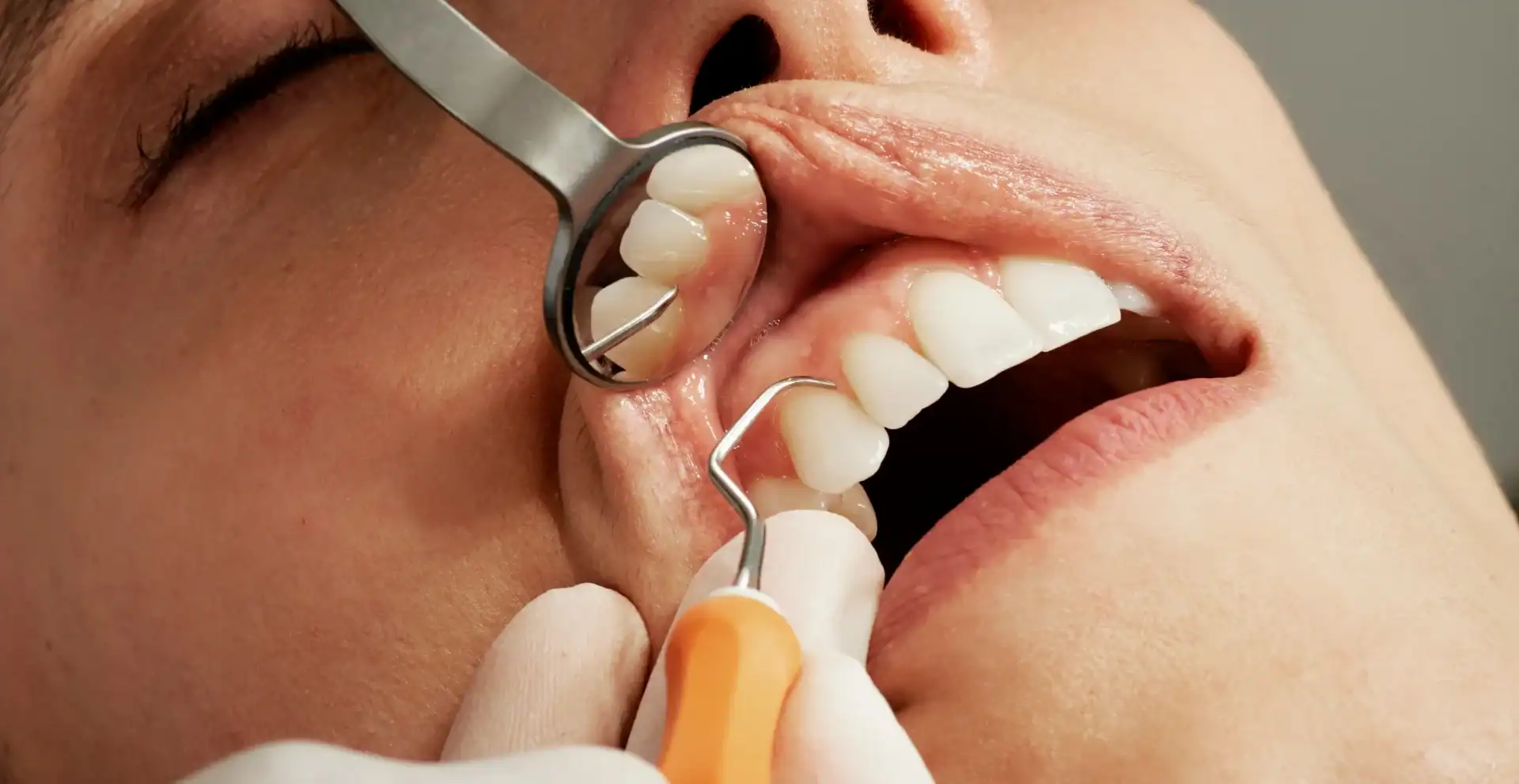
To prepare your teeth for the veneers, the dentist will remove a small amount of tooth enamel from the surface. This ensures that the veneers will fit snugly. Local anesthesia may be administered to numb the area and keep any discomfort as minimal as possible.
After the enamel is removed, the dentist will take an impression of the prepared teeth. This impression is sent to a dental lab where your custom veneers are crafted. In the meantime, temporary veneers may be placed to protect your teeth.
When the permanent veneers are ready, the dentist will check their color and how well they fit. If changes are needed, this is the time to make adjustments. The tooth’s surface is then cleaned, polished, and etched to create a strong bonding surface. A special cement is applied to the veneer, which is then placed on the tooth. A special light beam is used to harden the cement, securing the veneer in place. After bonding, final adjustments may be made to ensure comfort and aesthetics. A follow-up visit is usually recommended to check on the placement and comfort of the veneers.
What Do Teeth Look Like Under Veneers?
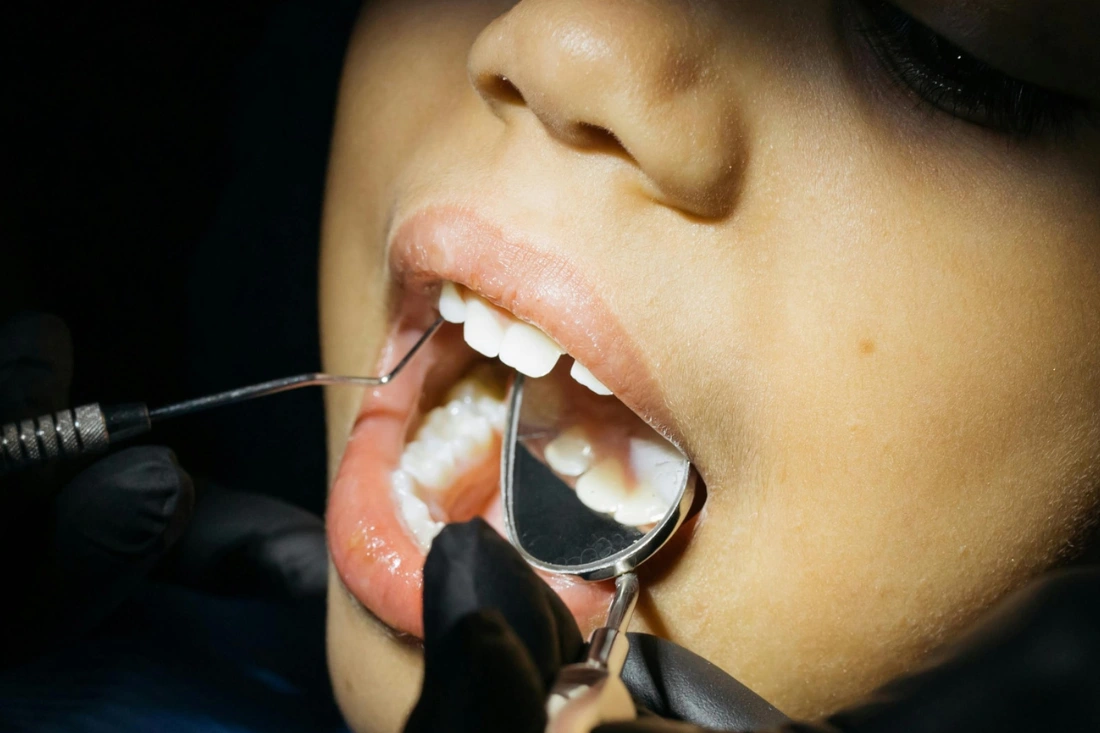
The teeth underneath dental veneers go through a process of preparation to ensure the veneers fit comfortably and look natural. The appearance of teeth under veneers depends on how much tooth structure is altered during this preparation.
Typically, your cosmetic dentist will remove a thin layer of your tooth’s enamel—usually around 0.5mm—to make room for the veneer. This allows the veneers to fit seamlessly over your teeth without adding bulk and ensures a harmonious blend with your natural tooth structure.
Underneath the veneers, your teeth may look slightly thinner, but the changes to your tooth’s surface are minimal. This process preserves the integrity of your natural teeth while improving their appearance. However, because the tooth’s enamel is removed, veneers are considered an irreversible procedure. For this reason, it’s essential to consult with a qualified cosmetic dentist before making the decision.
Porcelain Veneers: A Popular Choice
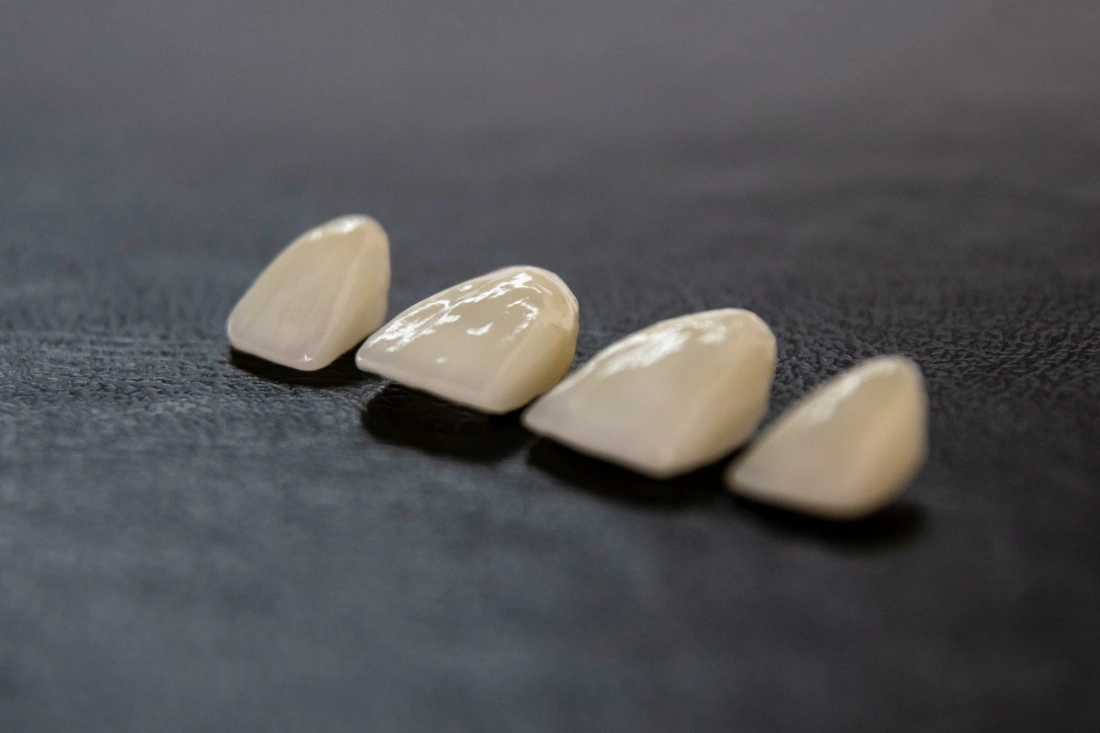
Porcelain veneers are a favorite among patients seeking a durable and aesthetically pleasing solution for dental imperfections. Made from high-quality porcelain, these veneers are known for their translucency, allowing light to pass through similarly to natural tooth enamel. This quality gives them a remarkably natural appearance, contributing to a beautiful smile.
One of the significant advantages of porcelain veneers is their resistance to stains, making them a long-lasting option for maintaining a bright smile. However, it’s important to note that porcelain veneers are not invincible. If they are damaged or need to be removed, the teeth underneath may appear slightly rough or textured due to the etching process used during application. Additionally, the bonding material, which is often tooth-colored, can sometimes leave a residue that affects the color perception of the underlying teeth.
Despite these potential drawbacks, porcelain veneers remain a popular choice for those looking to enhance their smile with a durable and natural-looking solution.
Tooth Sensitivity and Health After Veneers
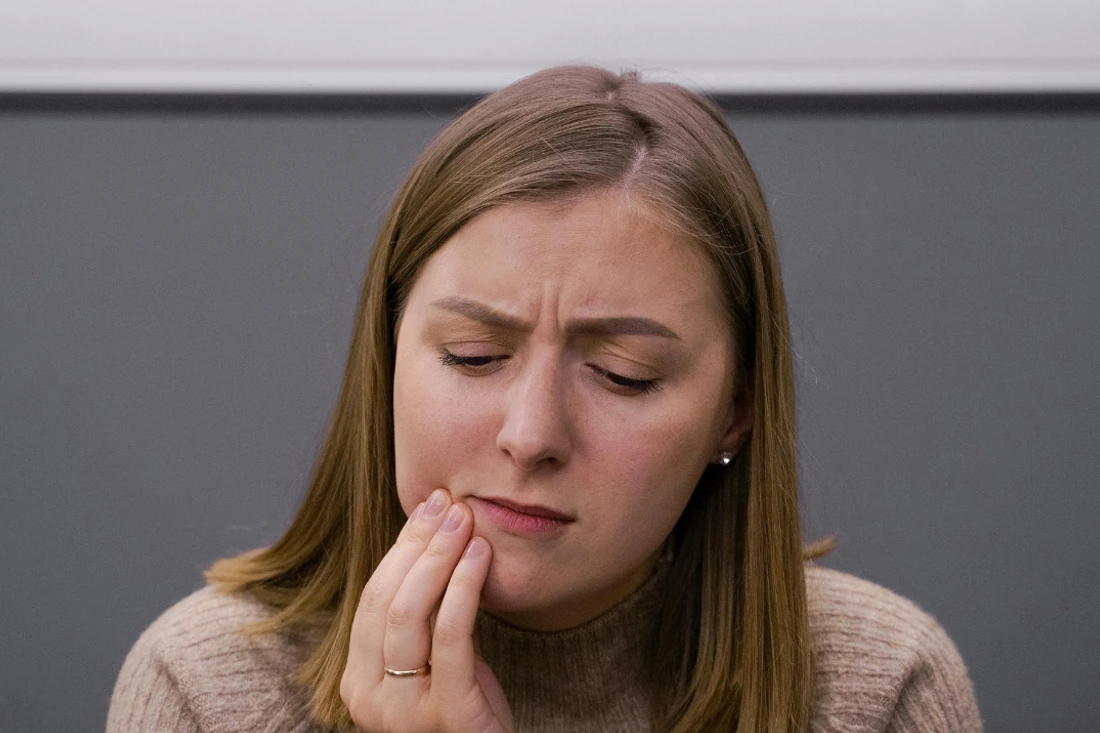
After applying veneers, some patients may experience temporary tooth sensitivity. This is because the tooth enamel has been slightly reduced, and your teeth may be more sensitive to hot and cold foods for a short period. However, this discomfort usually subsides once your teeth adjust to the veneers.
To maintain good oral health after getting veneers, it’s crucial to follow good oral hygiene practices such as:
- Brushing twice a day with a soft-bristled toothbrush to avoid damaging the veneers or gum tissue.
- Flossing daily to prevent plaque buildup and maintain healthy gums.
- Visiting your dentist regularly for check-ups and cleanings to ensure your veneers remain in good condition and your underlying teeth stay healthy.
Veneers can cover and protect the visible portion of the tooth, but the teeth underneath still require proper care. If you’re diligent about good oral hygiene, your veneers can last 10-15 years or more.
Tooth Preparation for Veneers
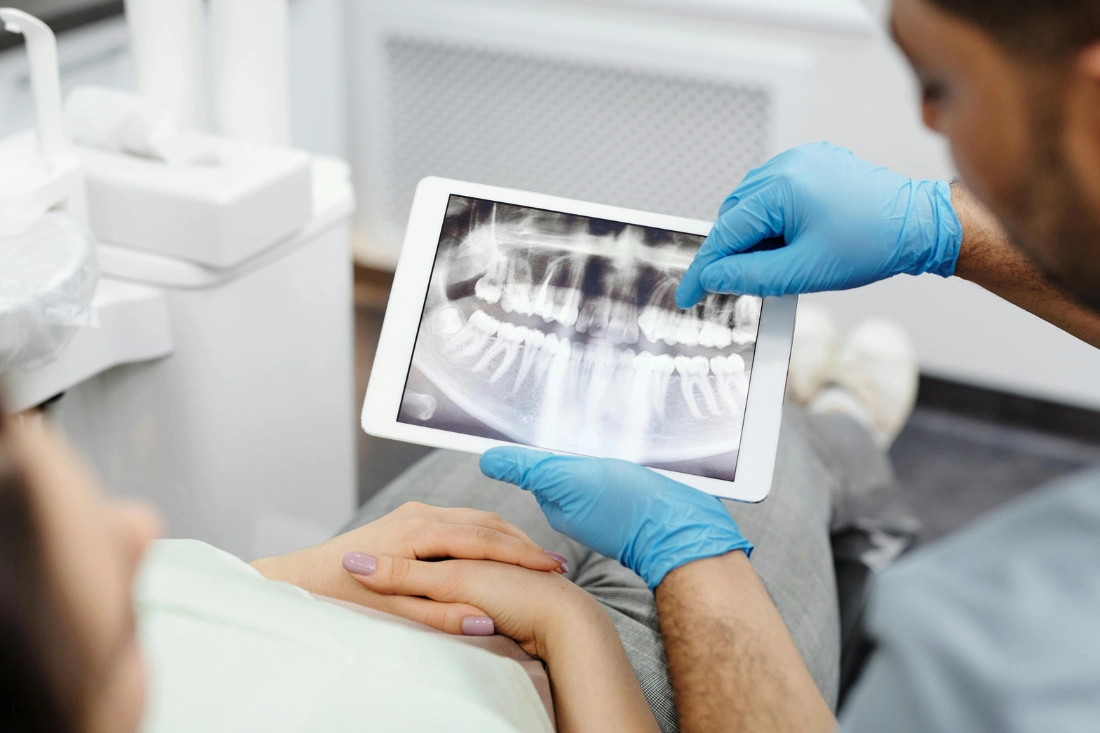
One of the key steps in the veneer process is tooth preparation. When you decide to get veneers, your dentist will begin by taking impressions of your natural teeth and creating a mold to ensure the veneers fit comfortably. A local anesthetic may be applied to reduce any discomfort during this process.
Next, the dentist will carefully remove a thin layer of your tooth’s enamel to make space for the veneer. This preparation is necessary to ensure the veneer sits flush with your other teeth, creating a natural-looking smile.
After your teeth are prepped, temporary veneers may be placed while your custom-made veneers are being created in a dental lab. Once your permanent veneers are ready, they will be bonded to your natural teeth with special cement, and any necessary adjustments will be made to ensure they are comfortable and aesthetically pleasing.
Effects of Veneers on Gums and Surrounding Teeth

When properly designed and applied, veneers should not harm your gums. However, the fit of the veneers along the gum line and how well they are maintained can impact gum health. Correctly fitted veneers should not irritate or damage the gum tissue. If veneers extend too far beneath the gum line or are not aligned with the natural gum contours, there may be an increased risk of gum recession. This can expose the roots of the teeth, leading to sensitivity and a higher risk of decay.
Maintaining good oral hygiene is crucial to prevent plaque buildup around the veneers, which can cause gum inflammation and potentially lead to gum disease. Regular brushing and flossing, as well as consistent general dental treatment, are important to keep your veneers as well as your natural teeth healthy.
The process of preparing and applying veneers generally focuses on the teeth being treated, with minimal direct impact on adjacent teeth. However, maintaining the health of surrounding teeth is important for the overall success and longevity of the veneers. By practicing good oral hygiene and visiting your dentist regularly, you can ensure that your veneers and the natural teeth underneath remain in excellent condition.
Do Veneers Affect Oral Health?
One of the biggest concerns patients have when considering veneers is whether their oral health will be compromised. In fact, when done by a qualified cosmetic dentist, veneers can actually enhance your oral health in certain ways. For example, veneers can help protect the surface of your teeth from tooth decay and can cover up areas of gum recession, offering added protection against gum disease. However, it’s essential to maintain good oral hygiene practices after getting veneers to ensure both your veneers and natural teeth stay healthy.
What Happens to Your Teeth Over Time with Veneers?
Over time, veneers can offer a long-lasting solution for a beautiful smile. However, your natural teeth underneath will still age and change. While veneers typically do a great job of protecting your teeth, issues like gum disease or tooth decay can still affect the underlying teeth if you don’t take care of them properly.
It’s also important to note that the veneers themselves may need to be replaced eventually due to wear and tear. The lifespan of veneers can vary depending on the material used (porcelain or composite resin) and how well they are cared for, but with good oral hygiene and regular dental visits, you can enjoy your veneers for many years.
How to Take Care of Veneers for Long-Term Success

If you’ve invested in veneers to improve your smile, you’ll want to take steps to ensure they last as long as possible. Here are a few tips for caring for your veneers and the natural teeth underneath:
- Brush with a soft-bristled toothbrush: Avoid abrasive toothpaste and hard-bristled brushes, as they can scratch the surface of the veneers.
- Floss daily: Keeping your gums healthy is key to maintaining a stunning smile with veneers. Plaque buildup can lead to gum disease, which can impact both your veneers and your natural teeth.
- Avoid acidic and staining foods: While porcelain veneers are resistant to stains, composite veneers can discolor over time. Reducing your intake of acidic and staining foods like coffee, red wine, and citrus fruits can help protect both your veneers and your tooth’s enamel.
- Regular dental check-ups: Schedule regular visits to your dentist. Doing so helps you monitor the health of your veneers and the teeth underneath. Professional cleanings and exams can catch any potential issues before they become serious problems.
A Perfect Smile with Proper Care
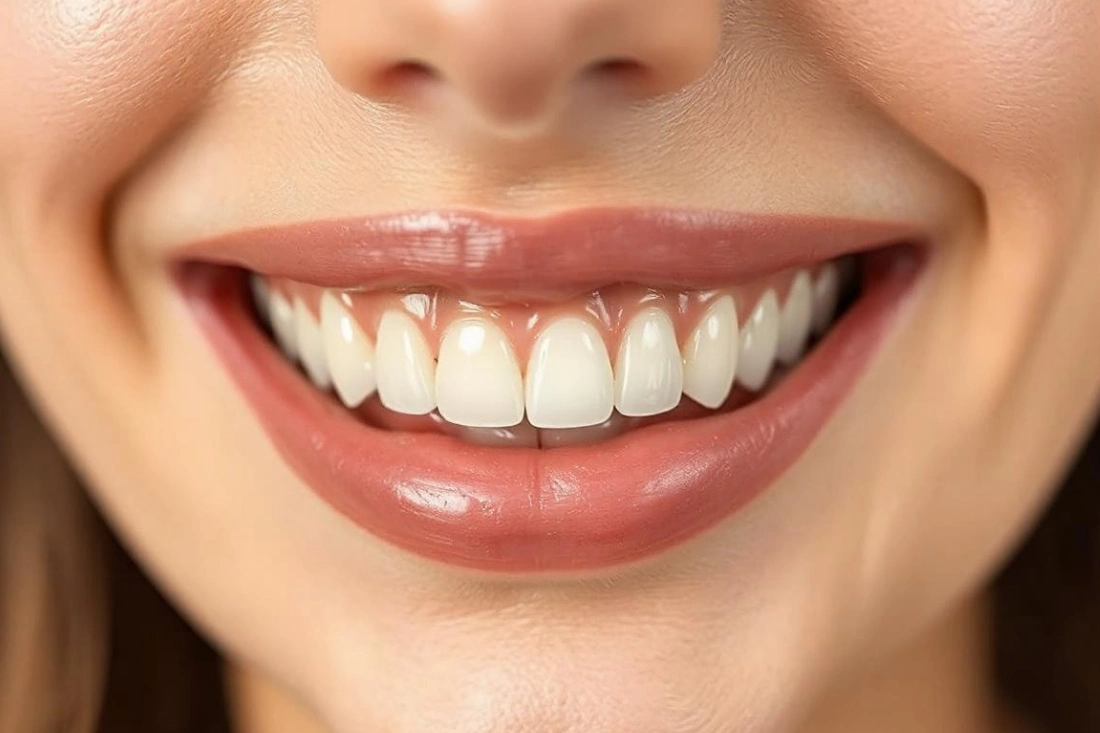
Veneers offer a fantastic solution for improving your smile, but it’s important to know what your teeth look like under veneers and how to care for them properly. By maintaining good oral hygiene practices and working with a qualified dental team, you can enjoy a natural-looking smile that lasts for years.
If you’re considering veneers or need expert advice on cosmetic dentistry, Dental Innovations is here to help. Our team specializes in creating beautiful smiles with porcelain and composite veneers and can guide you through every step of the process.
This article is for educational purposes only and does not replace a dental exam or diagnosis. If you have pain, swelling, or other concerns, please contact a dentist or doctor. Call 405-691-0877 or email us at info@dentalinnovationsokc.com to schedule your consultation today!