For some people, a trip to the dentist is no big deal. For others, even a routine appointment can come with a few nerves. If that sounds familiar, nitrous oxide, better known as laughing gas, may help make your visit a lot more comfortable. Used safely in dental offices for generations, nitrous oxide helps patients relax during treatment while remaining awake and able to communicate with their dental team. At Dental Innovations, we offer this sedation option to help make dental care a more positive experience. In this guide, we will explain what nitrous oxide is, what it feels like, and what you can expect before, during, and after your appointment
What Is Nitrous Oxide?
Nitrous oxide is a mild sedative gas used to keep patients calm and comfortable during dental treatments. It is often called nitrous oxide, laughing gas, or just gas.
Unlike deeper forms of sedation, nitrous oxide sedation allows you to stay awake and responsive throughout treatment. You can still answer questions, follow instructions, and communicate with your dentist.
For many dental patients, it provides the perfect balance between relaxation and control.
Why It Is Called Laughing Gas
The name comes from the relaxed and sometimes euphoric feeling that some people experience while receiving treatment.
Patients describe the sensation differently. Some feel pleasantly light, while others simply notice that they are less worried about what is happening around them. Many patients say they feel calmer and more comfortable than they expected.
You may also notice a sweet smell when the nitrous oxide begins flowing through the mask.
How Nitrous Oxide Sedation Works
Nitrous oxide works by affecting the central nervous system. Once inhaled, it reaches the brain quickly and helps reduce feelings of anxiety and stress.
One of the reasons nitrous oxide use remains so popular is its rapid onset. Unlike some sedation options that require significant preparation, nitrous oxide begins working within minutes.
What Happens in Your Brain and Body
As the gas takes effect, you may notice a warm, relaxed sensation throughout your body. Some patients experience tingling in their hands or feet, while others feel pleasantly light or floaty.
The gas helps reduce anxiety while providing a degree of pain relief. It also makes it easier for many people to sit comfortably through treatment.
Importantly, you remain awake and aware during the entire process.
Why Dental Patients Choose Laughing Gas Sedation
Not everyone who chooses laughing gas sedation is afraid of the dentist. Some patients simply want a more comfortable experience.
Others choose nitrous oxide because it helps them complete dental work they may otherwise postpone.
Common Reasons Patients Request Nitrous Oxide
Patients may benefit from nitrous oxide for many reasons, including:
- Dental anxiety
- A strong gag reflex
- Difficulty sitting still for long appointments
- Sensitive teeth
- Previous negative dental experiences
- Lengthy treatment visits
For people with a busy schedule, nitrous oxide can be especially appealing because the effects wear off quickly after treatment.
What Happens Before Your Dental Appointment?
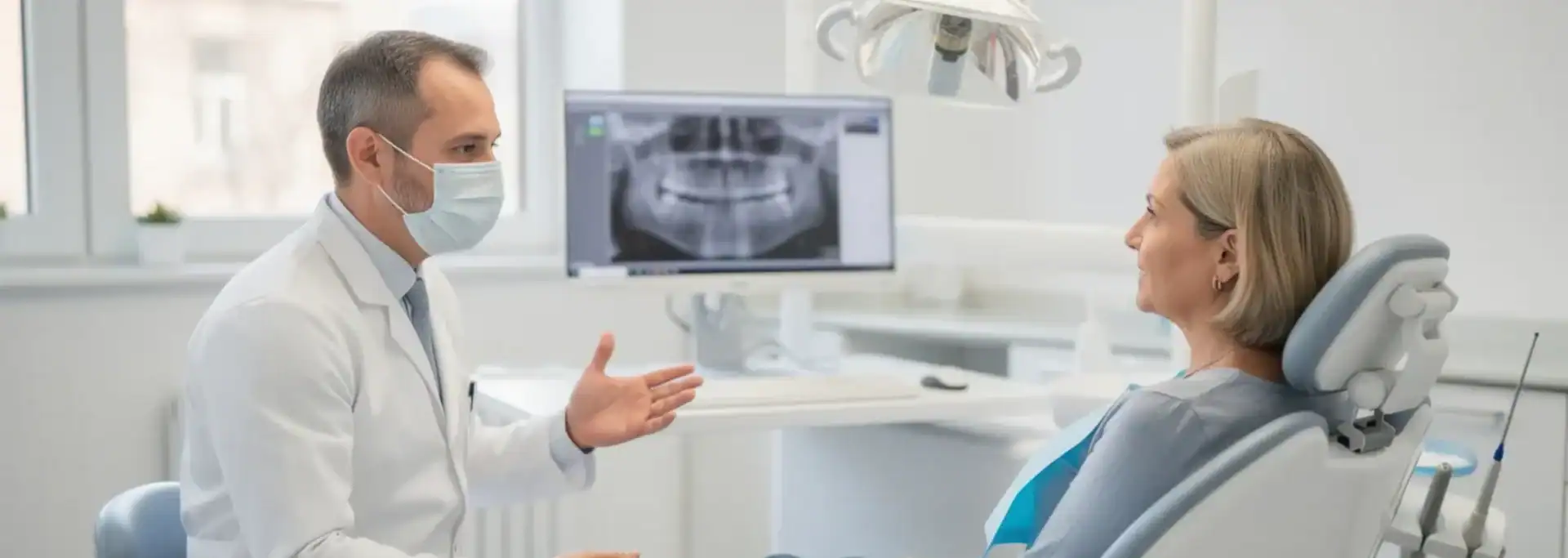
Before recommending nitrous oxide, your dentist will review your medical history and discuss your treatment goals.
This conversation helps determine whether nitrous oxide is the best option for your situation.

Reviewing Your Medical History and Preparing for Your Visit
Your dentist will ask questions about your medical history, current medications, and any medical conditions that may affect treatment.
Be sure to mention:
- Respiratory issues
- Certain medications
- Previous sedation experiences
- Allergies
- Any concerns you have about treatment
Open communication helps your dental team provide the safest care possible.
You may also be asked to complete a consent form before treatment begins.
Most patients can eat a light meal before their appointment, although your dentist may provide specific instructions based on your treatment plan.
Administering Nitrous Oxide During Treatment
Many people are surprised by how simple administering nitrous oxide actually is.
There are no IVs, injections, or complicated preparations involved.
What the Nasal Hood Feels Like
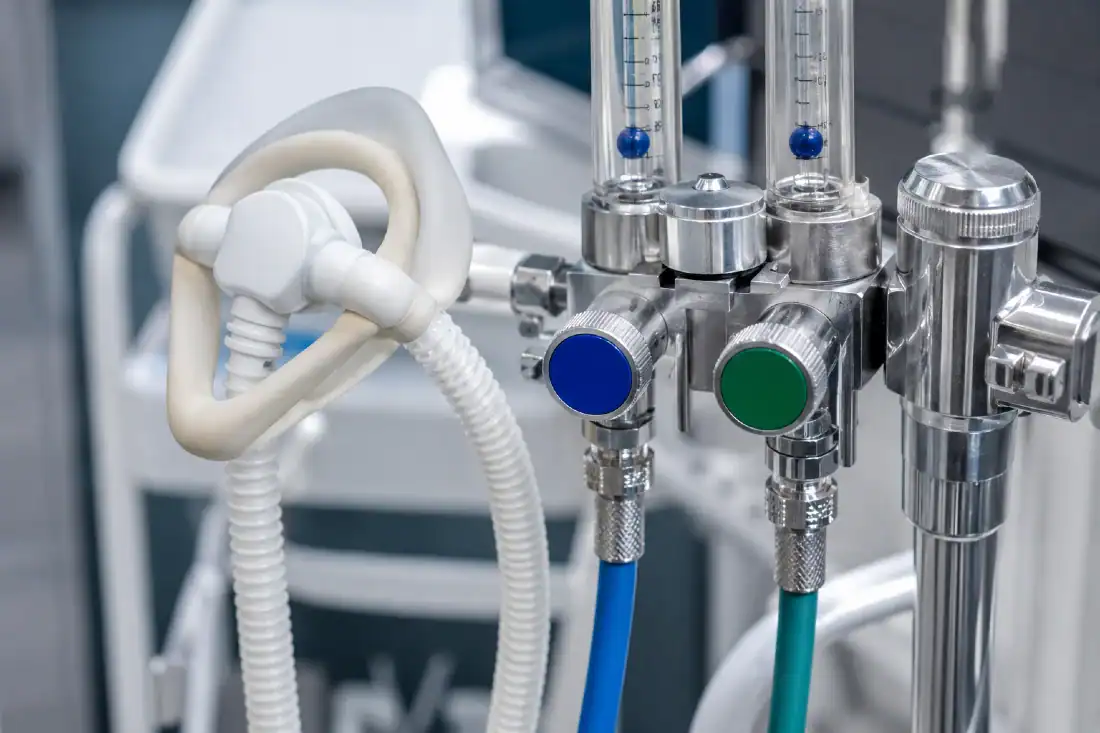
Nitrous oxide is administered through a soft nasal mask, sometimes called a nasal hood, that fits comfortably over your nose.
Once the mask is in place, you simply breathe normally.
Your dentist begins with pure oxygen before introducing nitrous oxide. The amount can be adjusted throughout treatment to maintain optimal comfort.
Most patients adapt to the mask within a few moments and barely notice it afterward.
Can You Still Talk During Dental Procedures?
Yes. One of the biggest advantages of nitrous oxide sedation is that you remain conscious and responsive.
You can still:
- Answer questions
- Let your dentist know if you need a break
- Communicate with the dental team
- Understand instructions
Many patients appreciate feeling relaxed without losing awareness of what is happening around them.
What Does Nitrous Oxide Laughing Gas Feel Like?
If you have never experienced nitrous oxide before, you may be wondering exactly what it feels like.
Will You Be Awake and Aware?
Yes. Most patients remain fully awake throughout treatment.
Within two to three minutes, the gas usually begins creating a feeling of relaxation. Patients often describe a sense of calm, lightness, or overall well-being.
Some people feel slightly warm. Others feel pleasantly detached from the sights and sounds of the dental office.
The goal is not to put you to sleep. The goal is to help you feel comfortable during treatment.
Nitrous Oxide and Local Anesthesia
Nitrous oxide is frequently used alongside local anesthesia.
While nitrous oxide helps reduce anxiety and promote relaxation, local anesthesia numbs the treatment area itself.
Together, they create a comfortable experience during dental procedures ranging from fillings to more extensive treatment.
For many patients, this combination makes necessary procedures feel much more manageable.
Benefits of Nitrous Oxide Sedation
There are several reasons nitrous oxide remains one of the most popular sedation options in dentistry.

Comfort During Routine and Complex Treatment
Benefits may include:
- Reduced anxiety
- Greater relaxation
- Additional pain relief support
- Faster recovery than many other forms of sedation
- Improved comfort during treatment
Whether you need a routine cleaning or more involved dental services, nitrous oxide can help make your experience more positive.
Is Laughing Gas Safe?
Nitrous oxide has been used safely in dentistry for decades and remains one of the most trusted sedation options available.
The American Dental Association considers nitrous oxide a safe and effective choice when given by trained professionals.
Who May Need Additional Evaluation
Although most patients are good candidates, some situations may require additional discussion before treatment.
Patients with certain medical conditions, respiratory issues, or concerns involving certain medications should speak with their dentist before receiving sedation.
Your dentist will determine whether nitrous oxide is appropriate for your individual needs.
Possible Side Effects
Most patients tolerate nitrous oxide very well.
However, side effects can occasionally include:
- Mild dizziness
- Temporary nausea
- Lightheadedness
These effects are generally short-lived and resolve quickly once treatment ends and oxygen is administered.
Understanding Recreational Nitrous Oxide Use
It is important to distinguish between professional nitrous oxide sedation and recreational nitrous oxide use.
In a dental office, nitrous oxide is carefully monitored and delivered using professional equipment. The amount is controlled throughout treatment, and patients are supervised by trained professionals.
Recreational nitrous oxide use is very different.
Public health organizations and the European Monitoring Centre have reported concerns regarding recreational drug use involving products such as whipped cream chargers and other non-medical sources.
Repeated misuse can create an increased risk of serious complications, including vitamin B12 deficiency, nerve damage, spinal cord damage, and other neurological problems.
Additional risks may include:
- Cold burns
- Injuries from faulty gas dispensers
- Combining nitrous oxide with other drugs
- Increased risk of long-term health complications
Young adults and young people are often the focus of public health education efforts because recreational nitrous oxide has become more common at music festivals and social gatherings.
If you have concerns about substance use, drug addiction, or recreational drug use, seeking free and confidential advice from qualified healthcare professionals is recommended. Reliable sources can provide evidence-based information, harm reduction information, and confidential advice tailored to your situation.
What Happens After Treatment?
One of the biggest advantages of nitrous oxide is how quickly recovery occurs.

How Quickly the Effects Wear Off
At the end of treatment, the nitrous oxide is discontinued and replaced with pure oxygen for several minutes.
This helps clear the remaining gas from your system and allows the effects to wear off quickly.
Most patients begin feeling normal almost immediately.
Returning to Normal Activities
Unlike some other forms of sedation, nitrous oxide does not typically leave patients feeling groggy for hours afterward.
Most patients can:
- Drive themselves home
- Return to work
- Attend school
- Resume normal activities
Many people feel alert and ready to continue their day shortly after treatment.
Full recovery typically occurs within minutes.
Frequently Asked Questions About Nitrous Oxide
Patients often have a few questions before trying nitrous oxide for the first time.
Can I be unconscious while using nitrous oxide?
No. Nitrous oxide is designed to help you relax while remaining awake and responsive. While you are receiving nitrous oxide, you can still communicate with your dentist and the dental team throughout treatment.
Will I remember my appointment?
Most patients remember their appointment normally.
Can children receive nitrous oxide?
Yes. It has been safely used for children and adults for many years.
Can I use nitrous oxide at every visit?
Many patients choose nitrous oxide for multiple appointments, while others only use it for specific treatments. Your dentist can help determine whether regular use or occasional use is the best approach for your needs.
What if I am nervous about trying it?
Your dentist can explain the process and answer any questions before treatment begins.
Is nitrous oxide safe for everyone?
While nitrous oxide is safe for most patients, some medical conditions or medications may create a higher risk of complications. That is why your dentist reviews your medical history before recommending sedation options.
Comfortable Dental Care at Dental Innovations

For many patients, nitrous oxide transforms a stressful dental visit into a much more comfortable experience. Whether you feel nervous about treatment, struggle with a strong gag reflex, or simply want additional comfort during dental care, nitrous oxide may be a helpful option.
At Dental Innovations, we believe patients deserve to feel comfortable, informed, and supported throughout treatment. We take the time to discuss your sedation options, answer your questions, and help you determine the best approach for your needs.
If you are interested in learning more about nitrous oxide or scheduling your next appointment, contact Dental Innovations today. We look forward to helping you enjoy a more relaxed dental experience.