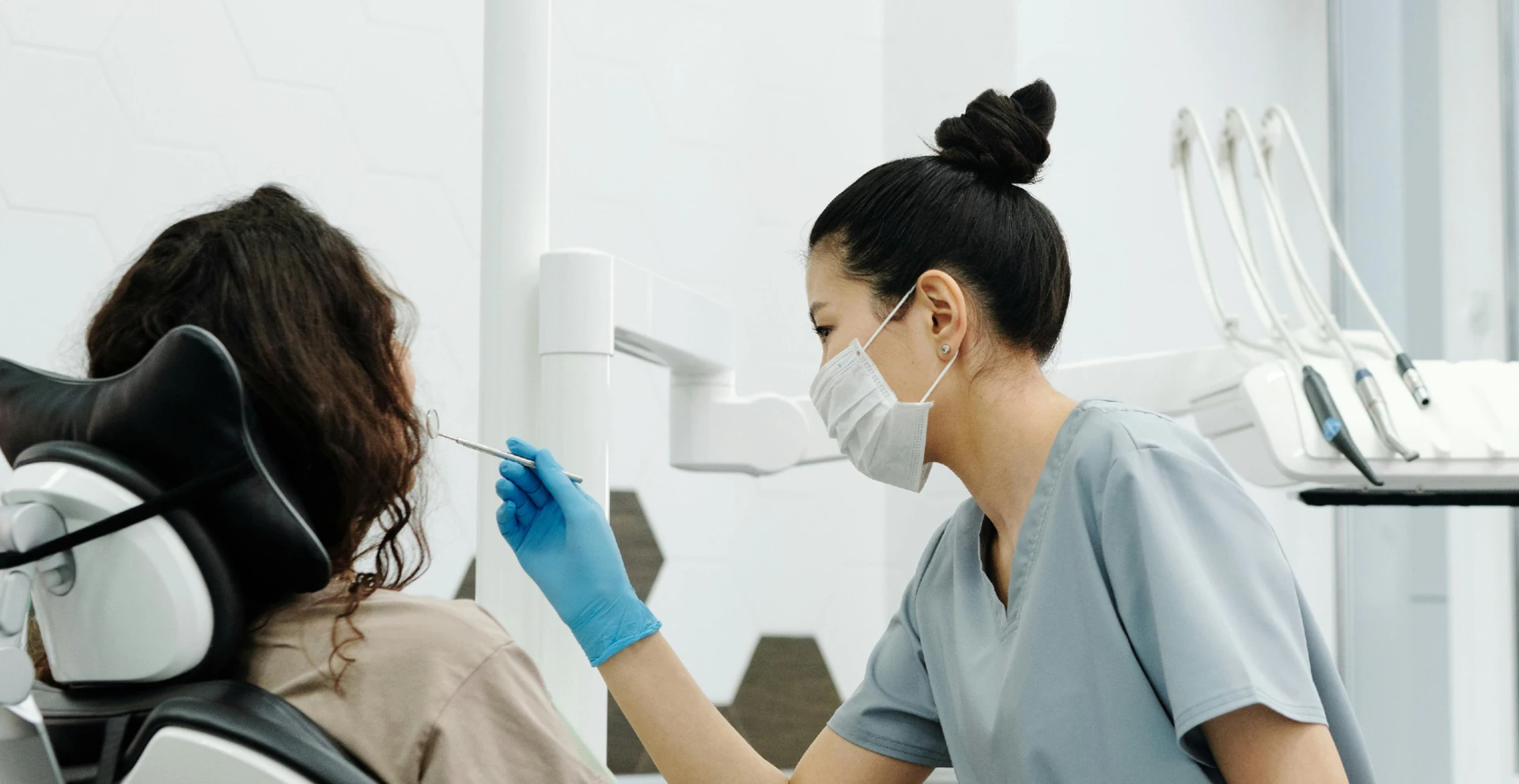
If the thought of sitting in the dental chair makes you nervous, you’re not alone. Dental anxiety is incredibly common, and for some patients, it can become a barrier to receiving regular dental care. Fortunately, modern sedation dentistry offers several ways to help patients feel more relaxed and comfortable throughout their appointments.
IV sedation dentistry is one of the most effective options for patients with severe dental anxiety, a strong gag reflex, or those undergoing longer or more complex procedures. Understanding how it works and whether it is right for you can help you feel more confident about your next visit.
At Dental Innovations, our goal is simple: help you receive the care you need in a comfortable, stress-free environment.
So, IV sedation dentistry, is it right for your dental procedure? Let’s have a look.
What Is Dental Anxiety?

Dental anxiety goes far beyond feeling a little nervous before an appointment. For many patients, it can cause significant worry before, during, and even weeks leading up to a visit.
Dental anxiety may stem from:
- Previous negative experiences
- Fear of pain or discomfort
- Sensitive teeth
- A strong gag reflex
- Fear of needles
- Embarrassment about oral health concerns
When anxiety becomes severe, some patients avoid the dentist altogether, which can allow small problems to become larger ones over time.
The good news is that sedation helps patients feel more relaxed and can make dental visits much easier to manage.
What Is Conscious Sedation Dentistry?

Conscious sedation dentistry uses medication to help patients relax during dental treatment while remaining responsive. It reduces anxiety, helping many patients feel calmer throughout their appointment.
Unlike general anesthesia, conscious sedation does not usually make patients completely unconscious.
Many patients remember very little about the procedure afterward, which can make future visits less intimidating.
Conscious sedation dentistry is commonly recommended for:
- Severe dental anxiety
- Longer procedures
- Multiple procedures during one appointment
- Extensive dental work
- Patients with a strong gag reflex
- Patients who have difficulty sitting still
When Is Sedation Recommended for Dental Treatment?
Not every appointment requires dental sedation, but it can be helpful in certain situations. For the right patient, sedation offers several benefits, including greater comfort, reduced stress, and the ability to complete multiple procedures in fewer visits.
A sedation dentist may recommend it if you are having:
- Oral surgery
- Root canal treatment
- Dental implant placement
- Extensive restorative work
- Multiple procedures are completed at once
- Complex procedures that require several hours
Combining treatments into fewer appointments can also save time and reduce stress for many patients.
Understanding the Different Levels of Sedation
Sedation is not a one-size-fits-all solution. There are several levels available depending on your needs, comfort level, and the type of procedure being performed.

Minimal Sedation
Minimal sedation is the lightest form of relaxation. Patients stay awake throughout the procedure but feel calmer and more at ease.
This type of sedation is often used for mild dental anxiety and routine procedures.
Conscious Sedation
Moderate sedation, often referred to as conscious sedation, allows patients to remain in a semi-awake state while feeling deeply relaxed.
You may be able to respond to questions and follow instructions, but many patients remember very little afterward.
Deep Sedation
Deep sedation places patients in a deeper state of relaxation. While patients are not completely asleep, they are much less aware of their surroundings and may only respond to repeated stimulation.
Deep sedation is often used for longer procedures or patients with severe dental anxiety.
General Anesthesia
General anesthesia causes patients to become completely unconscious throughout the procedure.
This level of sedation is generally reserved for certain oral and maxillofacial surgery cases, complex surgeries, or specialized treatment settings.
IV sedation dentistry differs in that most patients are not completely asleep, even though they may feel as if they slept through the entire appointment.
Dental Innovations’ Sedation Options for Comfortable Dental Care
At Dental Innovations, we believe everyone deserves access to comfortable dental care. That is why we offer multiple sedation options based on your individual needs.

Nitrous Oxide
Nitrous oxide, also known as laughing gas, is one of the gentlest forms of sedation available.
Patients breathe it in through a small mask and begin to relax within minutes. Once the procedure is complete, the sedation wears off quickly, allowing most patients to resume normal activities.
Oral Conscious Sedation
Oral conscious sedation involves taking prescribed medication before your appointment.
Patients remain awake but often feel very relaxed and drowsy throughout treatment. Since the effects can last for several hours, a responsible adult will need to drive you home afterward.
IV Sedation
IV sedation is administered through a vein, allowing the dental team to adjust the level of sedation throughout the procedure.
Because it works quickly and can be carefully controlled, it is often recommended for patients with severe anxiety, longer procedures, or extensive dental work.
Is IV Sedation Right for Your Procedure?
IV sedation may be a good choice if you:
- Experience severe dental anxiety
- Have a strong gag reflex
- Need multiple procedures completed
- Are undergoing longer procedures
- Have difficulty sitting comfortably for extended periods
- Have had negative dental experiences in the past
Your dentist will review your needs and discuss whether this type of sedation is appropriate for your situation.
Should You Be Concerned About Allergic Reactions?
Allergic reactions to sedative drugs are uncommon, but patient safety is always a priority.
Before recommending any sedation options, your dentist will review your:
- Medical history
- Current medications
- Existing health conditions
- Previous reactions to anesthesia or sedation
- Blood pressure and overall well-being
Providing accurate information helps your dental team create the safest possible treatment plan.
Is Sedation Dentistry Safe?
Many patients ask if dental sedation is safe, and the answer is yes when administered by trained professionals.
Throughout the procedure, patients are closely monitored at all times.
The dental team will monitor:
- Blood pressure
- Heart rate
- Oxygen levels
- Vital signs
- Overall comfort
Patients are closely monitored before, during, and after treatment to help provide a safe and comfortable experience.
What Happens During an IV Sedation Appointment?
Your appointment will begin with a review of your medical history and treatment plan.
Once the IV sedation is administered, you will gradually begin to feel relaxed and sleepy. Although most patients stay awake, many feel as though they fall asleep because they remember very little afterward.
Throughout the procedure, your vital signs will be monitored while your dentist completes your treatment.
The goal is to keep you comfortable from start to finish.
Recovery Tips After IV Sedation
Recovery is usually straightforward, but it is important to plan ahead.
After your appointment:
- Arrange for a responsible adult to drive you home
- Rest for the remainder of the day
- Avoid strenuous activity
- Drink plenty of water
- Follow any instructions provided by your dentist
- Continue taking medications as directed
Although some effects wear off within a few hours, certain sedative drugs may continue to cause drowsiness for several hours.
Talk to Dental Innovations About Your Sedation Options
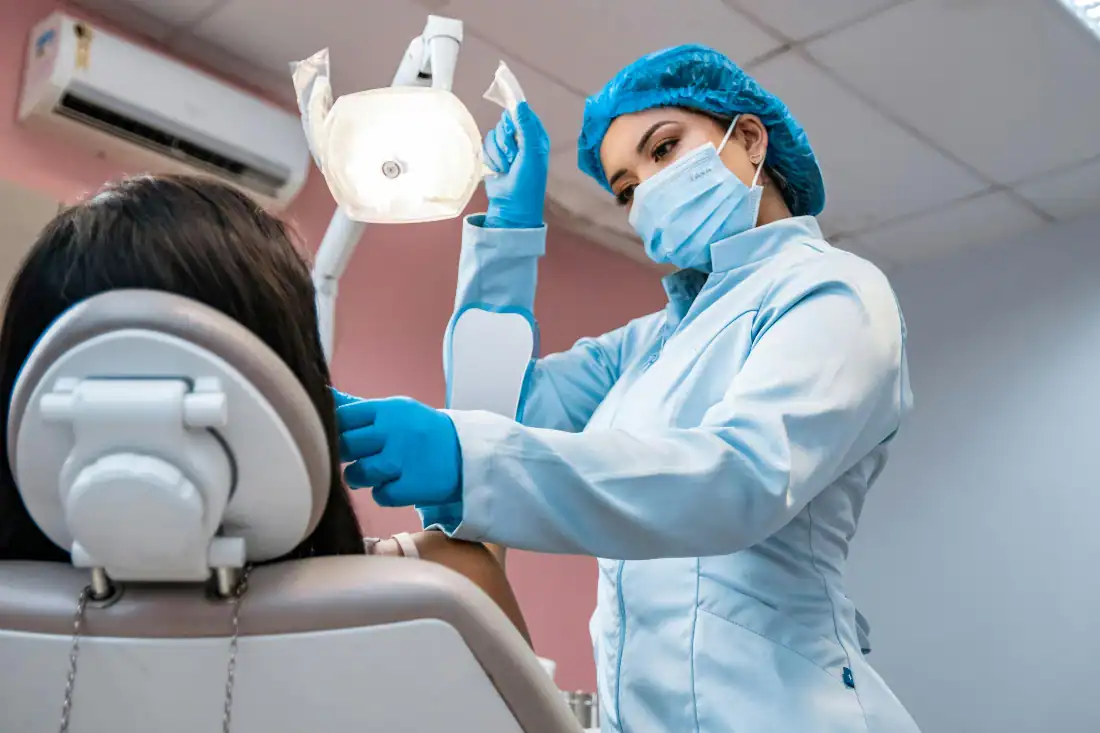
No one should avoid the dentist because of fear or anxiety.
Whether you need help managing mild nervousness or require additional support for extensive dental work, Dental Innovations offers sedation options designed to help you feel comfortable every step of the way.
Contact us if you have questions about IV sedation dentistry, oral sedation, nitrous oxide, or which option may be best for you. Our team is here to help you make an informed decision so you can receive the care you deserve with confidence.