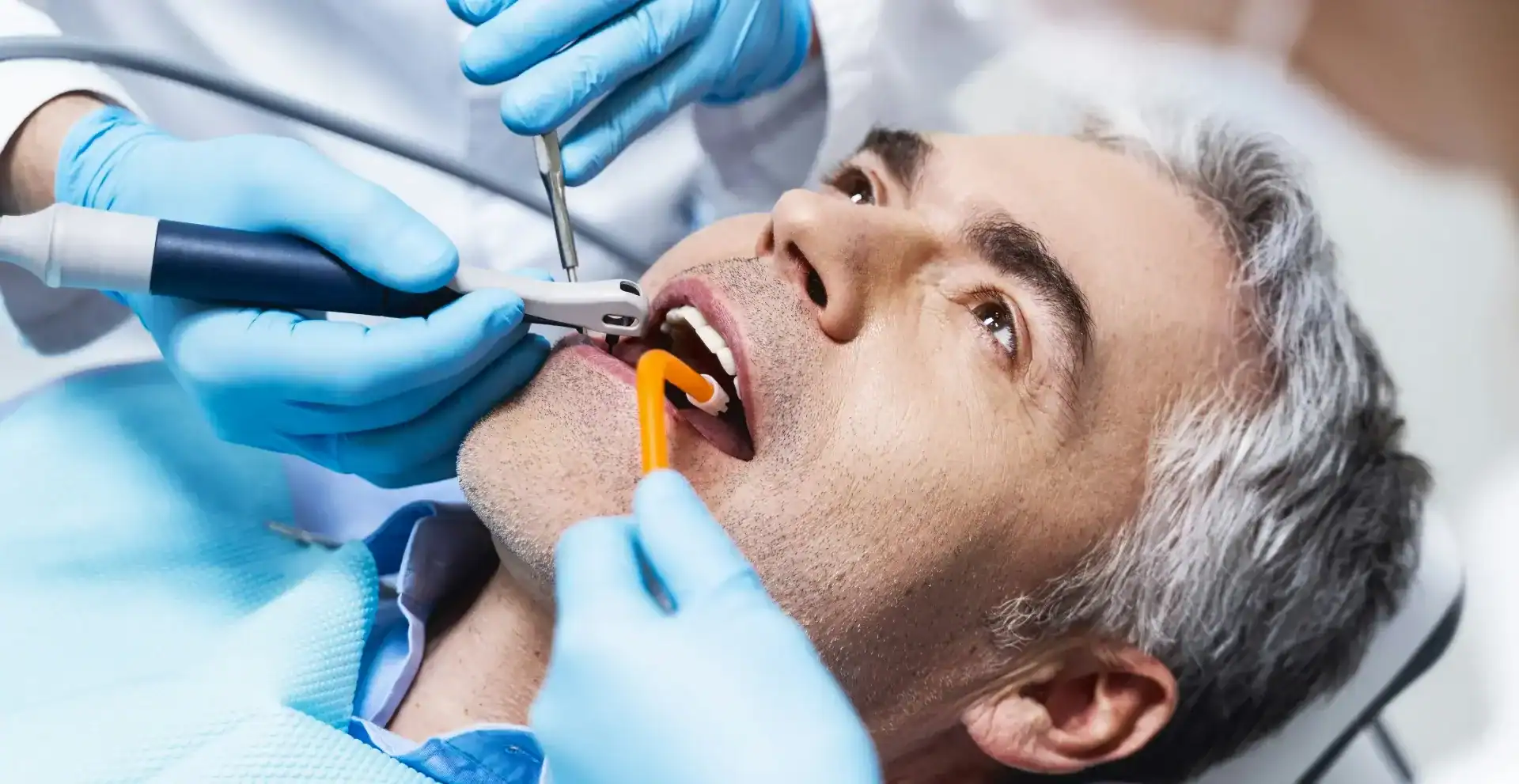
At Dental Innovations in Oklahoma, we often hear patients ask about dental crown procedures. Whether you’re considering a crown for a weakened tooth or after receiving a dental implant, understanding the timeline can help ease your concerns. Fortunately, thanks to advancements in dental technology, what used to be a lengthy procedure can now be completed more efficiently. This means you can walk out with a fully restored smile in far less time—one that will last for years with proper care.
When it comes to choosing a crown, many patients opt for ceramic or porcelain crowns, known for their natural appearance and strength. These materials mimic the translucence of natural tooth enamel, making them an excellent choice for visible front teeth while also providing durability for back teeth.
Related Article: How Long Do Crowns Last? Lifespan, Application, & Care Tips
The benefits of dental crowns extend beyond aesthetics; they also restore the function of damaged teeth, protect weak or decayed teeth, and can even be used over dental implants. In this blog, we’ll guide you through the dental crown process, explain how technology has streamlined the procedure, and help you recognize signs indicating that you may need one.
Signs You Need a Dental Crown
Not sure if you need a crown? Here are some common signs that might indicate it’s time for one:
- Significant Tooth Decay: When a cavity is too large for a filling, a crown can restore your tooth’s structure and function.
- Cracked or Broken Tooth: A crown can strengthen and protect a tooth that has undergone trauma or wear.
- Weak Tooth: Teeth weakened by grinding, wear, or previous treatments (like root canals) may require crowns for added support.
- Post-Root Canal Treatment: After a root canal, a tooth often needs the additional protection that a crown provides.
- Dental Implants: Crowns are placed on top of dental implants to complete the restoration and give you a fully functional tooth.
- Severe Sensitivity: Crowns can offer relief if you experience significant sensitivity to hot or cold temperatures.
- Tooth Discoloration or Cosmetic Concerns: Crowns can improve the appearance of severely discolored or misshapen teeth.
- Persistent Pain: If a specific tooth is causing you ongoing discomfort, a crown may help alleviate the problem.
If you notice any of these signs, consulting with your dentist is the best way to determine whether a crown is the right solution for you.
Dental Cap vs. Crown: Understanding the Differences

A dental cap and a dental crown essentially refer to the same type of dental restoration. However, “dental cap” is often used informally or as a layman’s term, while “crown” is the more technical and widely accepted term in dentistry.
Steps of the Dental Crown Procedure
At Dental Innovations, we are committed to providing our patients with high-quality care and the latest aesthetic dental innovations. A dental crown is a crucial solution for restoring the function and appearance of damaged or decayed teeth. Understanding the steps involved in the crown procedure can help you feel more at ease as you navigate your treatment journey.
Below, we’ve outlined the essential steps to guarantee that you receive a custom-made crown that meets your dental needs.
Initial Consultation
The process begins with a consultation, during which your dentist will carefully examine your tooth and take X-rays to assess any damage or decay. If a crown is recommended, your dentist will discuss the benefits and any potential alternatives.

Tooth Preparation
To prepare your tooth for the crown, local anesthesia is administered to keep you comfortable. Our dentist will then reshape your tooth by removing a portion of its outer structure. This step creates enough space for the crown to fit snugly over your tooth.
Making Impressions
After reshaping the tooth, an impression of your teeth will be taken to create a custom-made crown. This impression guarantees that the new crown fits perfectly with your existing teeth. The impression is sent to a dental lab, where the crown will be fabricated, typically taking one to two weeks.

Placing Temporary Crowns
While waiting for the custom crown, a temporary crown made from acrylic resin is fitted onto your prepared tooth. This temporary crown protects the tooth and maintains the overall appearance until the permanent crown is ready.
Applying the Custom Crown
When the custom-made crown arrives from the lab, your dentist will remove the temporary crown and fit the new crown onto your tooth. Adjustments may be made to ensure a precise fit and proper alignment, especially with opposing teeth.
Cementing the Crown
Once the crown has been properly adjusted for look and fit, the dentist will cement it into place permanently. This final step guarantees that the crown is securely attached and functions effectively as part of your oral health.

Follow-Up Care
This dental crown procedure generally consists of a minimum of two to three visits over a three to four-week period. After the procedure is completed, maintaining proper dental hygiene, including daily brushing and flossing, is essential to keeping your teeth, gums, and crowns healthy and bacteria-free. This diligent care helps prevent gum disease. With proper maintenance, your crowns can last a lifetime.
Types of Dental Crowns
Dental crowns come in several types, each made from various materials and designed for specific needs. Here are some of the most common types of dental crowns:
1. Porcelain Crowns
- Material: Made entirely of porcelain or ceramic.
- Characteristics: Strong, durable, and highly aesthetic, mimicking the appearance of natural teeth.
- Uses: Ideal for front teeth where appearance is crucial, as they can be matched to the shade of your existing teeth.
2. Porcelain-Fused-to-Metal (PFM) Crowns
- Material: Combination of porcelain and a metal base (usually gold or a non-precious metal).
- Characteristics: Offers both the strength of metal and the aesthetic appeal of porcelain.
- Uses: Suitable for both front and back teeth, providing good durability with a more natural appearance than all-metal crowns.
3. Gold Crowns
- Material: Made from a gold alloy or other metal.
- Characteristics: Highly durable and resistant to wear, making them ideal for biting and chewing.
- Uses: Often used for back teeth due to their strength, although they are not as aesthetically pleasing as other options.
4. Base Metal Alloys
- Material: Made from non-precious metals such as nickel or chromium.
- Characteristics: Highly resistant to corrosion and very strong, requiring less tooth structure to be removed for placement.
- Uses: Commonly used for posterior teeth where strength is more important than appearance.
5. Zirconia Crowns
- Material: Made from zirconium dioxide, a very strong ceramic material.
- Characteristics: Highly durable, biocompatible, and can offer a natural appearance. They can be milled in the dental office for a same-day crown.
- Uses: Suitable for both anterior and posterior teeth, offering good aesthetics and strength.
6. Resin Crowns
- Material: Made from composite resin.
- Characteristics: Less expensive than other crowns, they can be matched to the color of natural teeth.
- Uses: Often used as a temporary solution but can be used in certain situations for permanent restorations.
7. Pressed Ceramic Crowns
- Material: Made from high-strength ceramics, often lithium disilicate.
- Characteristics: Offers excellent aesthetics and durability through a pressing technique.
- Uses: Ideal for anterior teeth, providing a natural appearance and strength.
8. Temporary Crowns
- Material: Made from acrylic or other materials.
- Characteristics: Used as a short-term solution to protect a tooth while the permanent crown is being made.
- Uses: Typically used during the interim period between tooth preparation and placement of a final crown.
The location of the tooth, the extent of damage, aesthetic preferences, and budget all play a role in determining the type of dental crown that is appropriate. It’s essential to discuss this with your dentist to determine the most suitable option for your needs and to get the best outcome for your dental health.
How Long Do I Need to Wear a Temporary Crown Before Getting a Permanent Crown?
After preparing your tooth for a crown, your dentist will place a temporary crown to protect the tooth and keep it in shape while the permanent crown is being created in a dental lab. Temporary crown placement typically lasts for two to three weeks. During this time, it’s important to avoid sticky foods like taffy to prevent damaging the temporary crown. Once the permanent crown is ready and fits properly, you’ll return to your dentist’s office for crown placement.
What Should You Do If Your Crown Is Loose?
If you notice a loose crown, it’s essential to contact your dentist’s office immediately. A loose crown can expose the underlying tooth to decay and other complications. Depending on the situation, your dentist may re-cement the crown, repair the underlying tooth, or fabricate a new crown if there is significant damage. Regular check-ups can help prevent issues leading to a crown loosening, making sure your dental crowns remain stable for years with proper care.
How Durable Are Metal Crowns?
Metal crowns are known for their durability and strength, as they are designed to withstand biting and chewing forces. In fact, metal crowns rarely chip, making them a reliable option for both front and back teeth, including out-of-sight molars. Their robust nature means they can effectively protect the entire tooth structure from further damage and serve well against the wear and tear caused by opposing teeth. If you prioritize longevity and strength in your dental restoration, metal crowns may be a suitable choice.
What Are the Disadvantages of Dental Crowns?

Dental crowns, while beneficial for restoring damaged teeth, do come with some disadvantages. They can be costly, and the procedure often requires significant reshaping of the natural tooth, which may weaken it. Some patients experience temporary sensitivity following placement, and crowns made from materials like porcelain can chip or crack under pressure.
Additionally, crowns have a finite lifespan and may need replacement over time. There’s also a risk of metal allergies when certain crowns are used. Proper oral hygiene is essential, as decay can develop underneath a poorly maintained crown, leading to further complications.
Restore Your Smile With Dental Crowns

Understanding the process of getting a dental crown and knowing when you might need one can help ease any concerns you may have. If you think a crown could be the solution for your dental needs, our team at Dental Innovations is here to guide you every step of the way. With modern technology and expert care, we can restore your smile efficiently and beautifully.
This article is for educational purposes only and does not replace a dental exam or diagnosis. If you have pain, swelling, or other concerns, please contact a dentist or doctor.
Contact us today to schedule your crown consultation and take the first step toward a healthier, brighter smile!