Most people worry about tooth decay or cavities, but what about your gums? Gum recession is one of those oral health problems that sneaks up on people. One day, your gum line looks normal, and the next, you notice more of your teeth showing than before. At Dental Innovations, we see this often, and the good news is that there are real ways to treat and prevent further gum damage.
If you’ve been wondering how to stop receding gums from getting worse, you’re in the right place. From early gum recession warning signs to proper treatment options like gum graft surgery, we’ll walk you through what you need to know. Let’s talk about why gums recede, what you can do to stop receding gums, and how to keep your gums healthy for a lifetime.
What Exactly Are Receding Gums?

Receding gums happen when gum tissue pulls back from your tooth roots, leaving more of the tooth exposed. This can create exposed roots, sensitivity, and even increase your risk of tooth loss. Gum recession isn’t just about looks—it’s a serious oral health concern that can affect both your teeth and your gums.
Common gum recession warning signs include:
- Tooth root exposure or longer-looking teeth
- Gum inflammation and tenderness
- Sensitivity when drinking cold or hot beverages
- Exposed tooth root pain
- Receding gum lines that look uneven
The earlier you notice these signs of gum recession, the easier it is to stop receding gums from progressing.
What Causes Gum Recession?

There are several reasons gums recede, and often it’s a combination of factors. Some of the main culprits include:
- Gum disease (periodontal disease): The most common cause. Harmful bacteria build up in periodontal pockets and weaken gum tissue.
- Aggressive brushing: Using a hard toothbrush or brushing teeth aggressively can wear down gums.
- Poor oral hygiene: Food particles and plaque left behind can lead to gum problems.
- Crooked teeth or orthodontic issues: Misalignment creates extra stress on gum margins.
- Tobacco use: Chewing tobacco increases the risk of gingival recession.
- Tongue piercing: Jewelry constantly rubbing against the gum line can cause damage.
- Genetics: Some people are just more prone to gum recession.
Knowing the cause helps a dental professional recommend proper treatment and prevent further gum recession.
How To Stop Receding Gums From Getting Worse

The number one question patients ask is: “Can you stop gum recession?” The answer is yes, but it depends on the stage. If caught early, simple changes can make a big difference.
1. Improve Oral Hygiene
- Brush gently with a soft-bristle toothbrush.
- Use fluoride toothpaste and avoid abrasive products.
- Don’t skip brushing and flossing, but avoid aggressive brushing.
- Consider antimicrobial mouth rinses or an antimicrobial mouthwash to fight harmful bacteria.
2. Schedule Regular Dental Cleanings
Seeing your dental hygienist for routine dental cleanings and deep dental cleaning if needed can prevent gum disease from advancing.
3. Scaling and Root Planing
This is a non-surgical gum recession treatment where a dental professional removes plaque and tartar below the gum line. Root planing smooths the teeth roots so gum tissue can reattach.
4. Gum Surgery Options
When missing gum tissue needs to be replaced, gum grafting procedures may be recommended. In a gum graft, tissue is taken from the roof of your mouth or sterilized human donor tissue and attached to areas of recession.
5. Treat Periodontal Disease
Periodontal treatment is essential for preventing receding gums from worsening. Treatments like scaling, root planing, and even gum recession surgery are sometimes needed for severe gum problems.
6. Healthy Lifestyle Choices
- Stop chewing tobacco.
- Choose a balanced diet that supports gum health.
- Avoid teeth grinding, which puts pressure on the gum line.
7. Natural Remedies (Supportive, Not a Cure)
Some people look for ways to reverse receding gums naturally. While gums don’t grow back once lost, habits like oil pulling, using white vinegar rinses, and maintaining good oral hygiene can support gum health and prevent receding gums from getting worse.
When Gums Recede Too Far

Sometimes, despite good oral hygiene, gum recession progresses to the point where gum surgery or gum graft surgery is necessary. These gum grafting procedures can fix receding gums by covering exposed roots with tooth-colored composite resin or donor tissue.
For some patients, gum recession surgery is combined with other orthodontic treatments or dental bonding to restore a natural look and protect the teeth. The goal is to stop gum recession, protect the tooth root, and restore a healthy smile.
Why Treating Receding Gums is Critical
If gum recession is ignored, problems only get worse:
- Tooth decay near exposed roots
- Tooth root exposure is causing pain and sensitivity
- Further gum recession leading to tooth loss
- Risk of oral health problems like infection or abscess
In short, treating receding gums and preventing further damage is about more than just appearances. It’s about protecting your long-term oral health.
Professional Treatments That Work
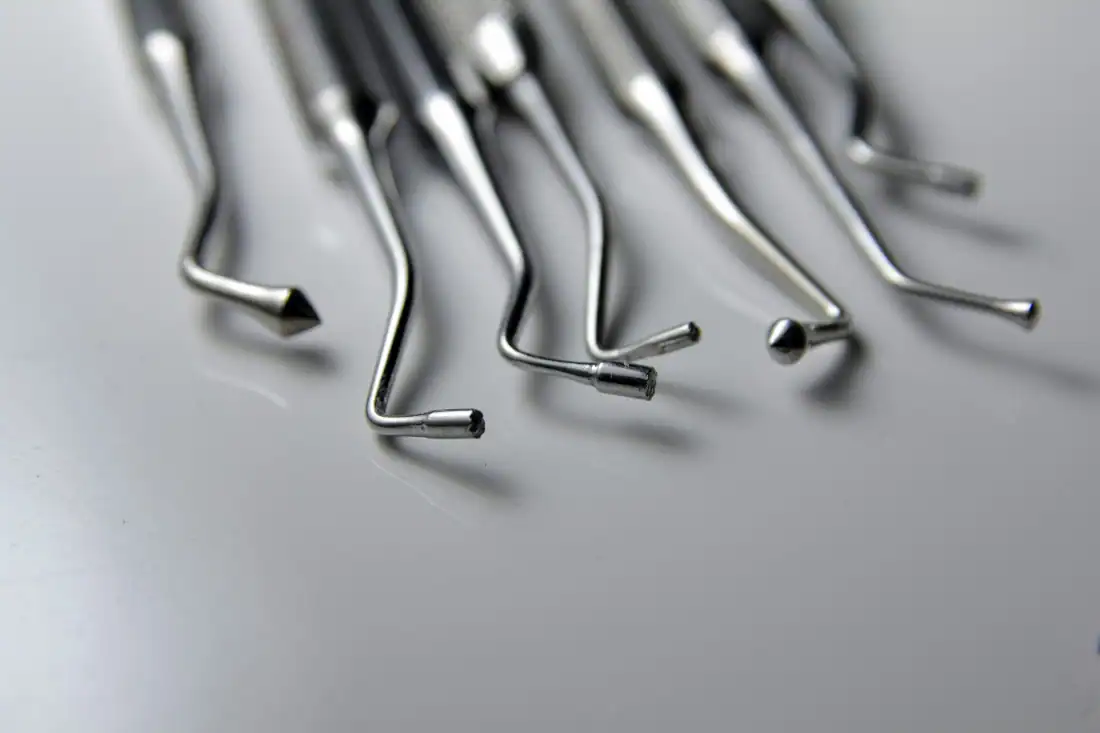
Here are the most common professional gum recession treatments we use at Dental Innovations:
- Scaling and Root Planing: Deep cleaning that removes harmful bacteria.
- Gum Grafting Procedures: Fix receding gums by covering exposed roots.
- Dental Bonding: Using tooth-colored composite resin to cover exposed tooth root areas.
- Orthodontic Treatment: Straightening crooked teeth to reduce gum line stress.
- Periodontics in Oklahoma City: Our gum specialists are skilled at treating advanced gum problems, including periodontal disease, gum surgery, and grafting procedures.
Preventing Gum Recession Moving Forward
You can’t always reverse receding gums, but you can prevent gum recession from getting worse:
- Brush gently with soft bristles; never scrub your teeth aggressively.
- Use antimicrobial mouth rinses or mouthwash as recommended by your dentist.
- Visit your dentist immediately if you notice signs of gum recession.
- Stick to good oral hygiene with brushing and flossing every day.
- Avoid bad habits like chewing tobacco or using your teeth aggressively.
- Keep up with professional cleanings to keep gum problems in check.
When to See a Dentist Immediately

Don’t wait if you notice:
- Gum inflammation that doesn’t go away
- Exposed roots or tooth root exposure
- Gum margin changes or uneven gum line
- Gum pockets are forming around your teeth
- Any pain near the gum line
These are all signs of gum recession that need proper treatment. Only a gum specialist or dental professional can recommend the right solution for your unique case.
Stronger Gums, Healthier Smile

Gum recession can feel scary, but you have options. With the right habits and treatments, you can stop receding gums from getting worse and protect your oral health. From professional deep cleaning to gum grafting procedures, the path forward depends on your specific needs and how much gum tissue has been lost.
At Dental Innovations, we focus on proper treatment, long-term gum health, and keeping every smile healthy and confident. If you’ve noticed signs of gum recession or want to learn more about preventing gum recession, our team is here to help.
Contact Dental Innovations today to schedule an appointment and find the right gum recession treatment for you.