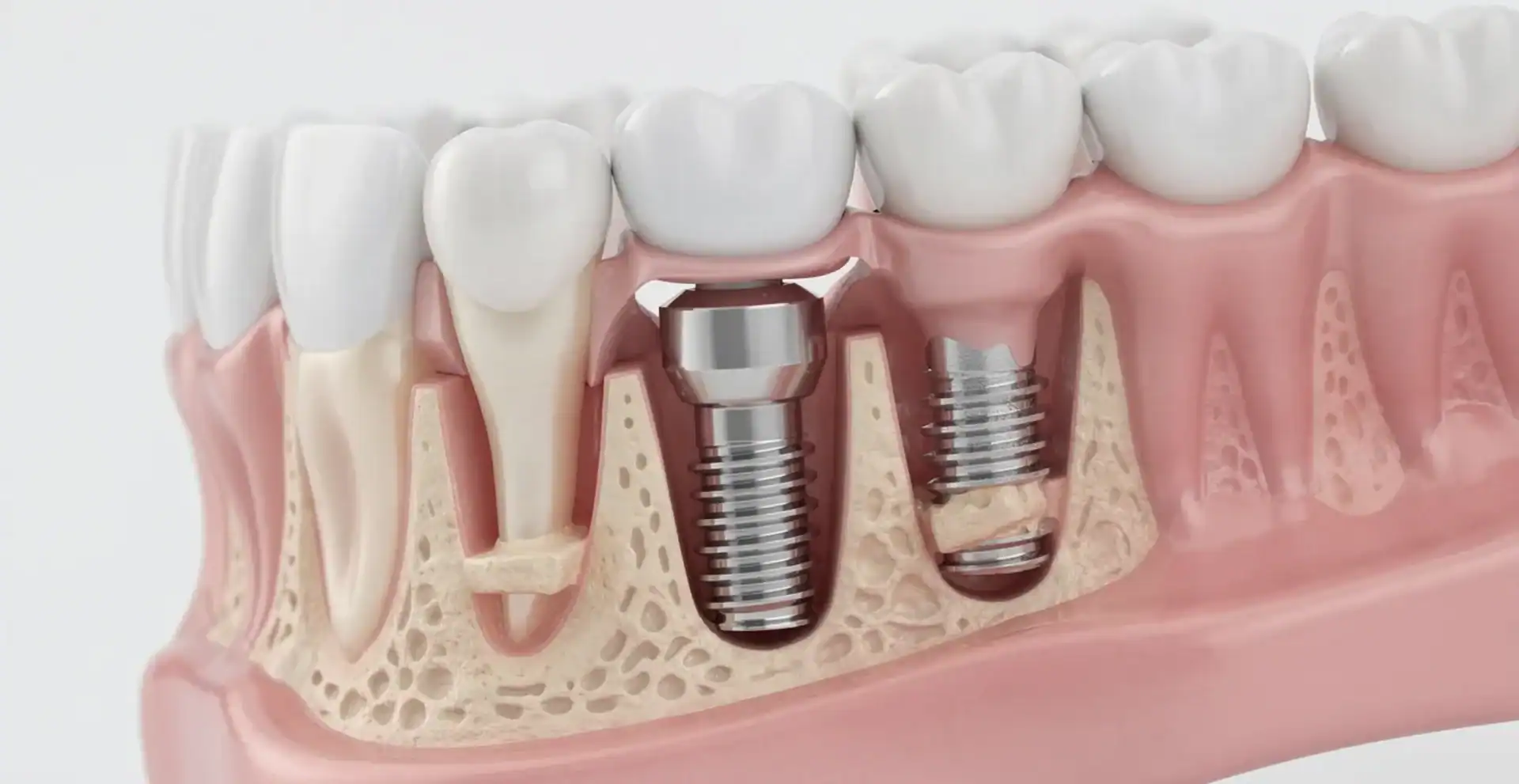
Treating dental issues like gum disease (periodontal disease) requires more than regular dental cleanings. Instead, your dentist or dental hygienist will typically perform a deep cleaning, which is also known as scaling and root planing. Unlike regular cleanings that solve surface-level plaque buildup on and in between the teeth, deep cleaning teeth is the recommended procedure for those showing signs of gum disease. These signs include swollen or bleeding gums and deep pockets between teeth and gums.
Deep cleaning may require two appointments or more and usually utilizes local anesthesia during the treatment. It focuses on eliminating bacteria and issues beyond the gum line, helping treat gum disease and prevent it from worsening.
Related Article: How Long Does A Teeth Cleaning Take?
Benefits of Dental Deep Cleaning
Deep dental cleaning can improve your overall oral health by helping address certain issues and offering several benefits:
Prevent Gum Disease
Deep cleaning helps prevent gum disease by getting rid of plaque and tartar buildup below the gum line. Doing so can prevent gingivitis (the earliest stage of gum disease) from progressing and leading to more complicated dental issues. Additionally, deep dental cleanings remove bacterial deposits, reduce inflammation, and help maintain good oral hygiene.
Prevent Tooth Loss
When gum disease is left untreated, it can advance to periodontitis. This is a severe form of periodontal disease that causes inflammation and bacterial infection in the soft gum tissue around teeth. Deep cleaning prevents eventual damage to the periodontal ligaments, alveolar bone (the bone supporting the tooth), and gum tissues, which can then lead to loose teeth, bone loss, and tooth loss.
Promote Healthy Gums
Deep dental cleaning helps keep gums healthy and promotes better oral health. Dentists completely remove tartar and plaque buildup from hard-to-reach areas such as below the gum line, which in turn leads to healthier gums and prevents gum recession.
Promote Fresh Breath
Bad breath is caused by bacteria in the mouth and poor oral hygiene. During deep cleanings, your dentist effectively removes plaque and tartar buildup that causes mouth odor. While preventing bad breath can also be achieved with regular cleaning, deep cleaning does a better job of reaching hidden and inaccessible areas in the mouth.
Achieve an Improved Smile
Besides treating gum disease, deep cleaning teeth can also give you a better smile. The procedure eliminates bacteria and plaque buildup, prevents gum recession, and reinforces the overall integrity and appearance of your teeth and gums. This, in turn, contributes to a healthier and more beautiful smile.
Avoid Risk of Other Health Problems
Deep cleaning teeth works wonders in eliminating harmful bacteria, plaque, and tartar in the mouth. It helps treat gum disease, which consequently lowers the risk of associated health problems including respiratory infections, diabetes, and cardiovascular disease.
When Should You Get a Deep Cleaning?

Keep an eye out for common signs of gum disease including red, swollen gums, bleeding gums, deeper pockets between teeth and gums, and tartar below the gum line. However, note that there are times when the signs of gum disease don’t manifest in visible symptoms or pain. If you notice any of these warning signs or if your dentist discovers issues during your regular cleanings, you should consider a deep cleaning. Additionally, if your dentist recommends a deep clean after you’ve been diagnosed with gingivitis or periodontitis, it’s best to get a deep cleaning as soon as possible to treat the condition.
The Process of Deep Teeth Cleaning
1. Examination
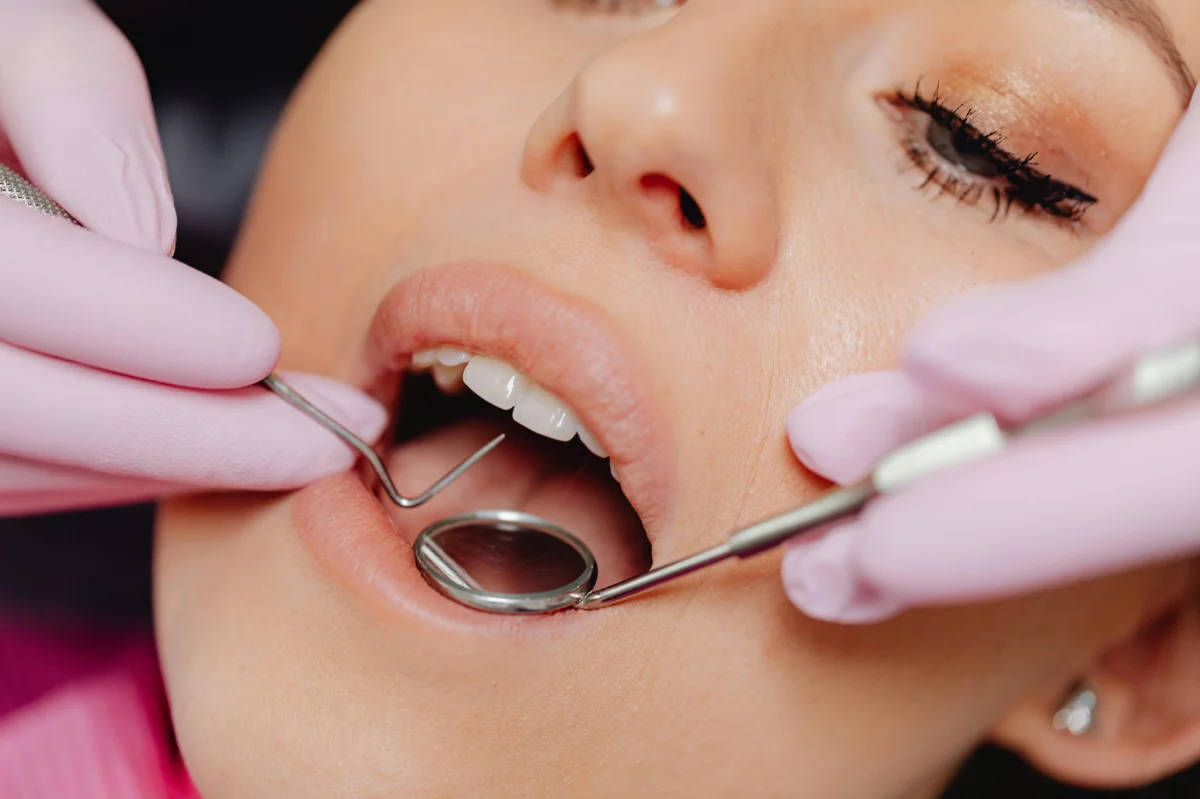
The first step of the deep cleaning process involves your dentist evaluating the state of your teeth and gums. Aside from taking X-rays, your dentist may also measure how deep your periodontal pockets are. Based on their observations and findings, your dentist may recommend deep teeth cleaning.
2. Local Anesthetic Administration
Deep teeth cleaning can sometimes cause discomfort and minimal pain. Depending on the severity of your dental issues, your dentist may administer local anesthetic to numb the gums and tooth roots.
3. Scaling and Root Planing
Deep cleaning is also known as scaling and root planing as these are the the two main steps involved in the procedure. Scaling and root planing are often performed back-to-back. Here’s what you can expect during the process:
Scaling
During scaling, your dentist removes plaque and tartar along the tooth roots and below the gum line. Your dentist will likely use a water spray and an ultrasonic scaler (a dental instrument with a vibrating metal tip) that helps efficiently remove plaque and bacteria buildup.
Root Planing
Deep teeth cleaning also involves root planing which comes right after scaling. Root planing aims to smoothen rough teeth surfaces. This helps remove bacteria and toxins and prevent future buildup.
4. Antimicrobial Treatment
When you get deep cleanings, your dentist may apply antimicrobial agents such as an antibiotic gel to the gum pockets. This helps reduce inflammation.
5. Follow-Up Appointment
Most patients can complete their treatment in two sessions, but it’s also completely normal to have more than two appointments for a deep clean. This usually depends on your dentist and the severity of the issues you’re addressing.
Aftercare Following Your Deep Cleaning Appointment
After deep cleanings, dentists usually provide instructions for aftercare to promote healing and maintain overall oral health. Dentists may instruct you to:
- Only eat soft foods and avoid eating crunchy or sticky foods for a few days.
- Avoid smoking.
- Gently brush and floss as hard brushing can make your gums bleed.
- Take the prescribed medication.
Oral Health Maintenance Tips

After deep cleanings (or scaling and root planing), you still have to ensure that your gums are healing properly. To keep your teeth and gums healthy and to prevent tartar and plaque buildup, keep these maintenance tips in mind:
- Brush your teeth with a soft-bristled toothbrush at least twice a day with fluoride toothpaste. Make each brushing session last for at least two minutes.
- Floss daily to remove bacteria and leftover food in between your teeth
- Use mouthwash to eliminate bacteria in your mouth.
- Keep yourself hydrated and drink lots of water throughout the day.
- Visit your dentist regularly for dental cleanings and contact your dentist for any dental concerns as soon as possible.
Dental Innovations for Your Dental Care Needs in Oklahoma City
Taking care of your teeth is an important aspect of your overall well-being. At Dental Innovations, our team of dental professionals has the expertise to treat whatever dental problems you may be dealing with. Whether you need deep cleanings or more complicated procedures, we’ll be happy to assist you.
Contact us at 405-691-0877 and info@dentalinnovationsokc.com to start your innovative dental journey today!
This article is for educational purposes only and does not replace a dental exam or diagnosis. If you have pain, swelling, or other concerns, please contact a dentist or doctor.