A healthy, complete smile can boost confidence and improve overall oral health. If you’ve lost one or more teeth, you may have considered getting dental implants as a long-term solution. But before committing, you might wonder: How long do dental implants last? Understanding the factors that contribute to the longevity of a new dental implant can help you make an informed decision.
At Dental Innovations, we specialize in providing high-quality dental implants in Oklahoma City, helping patients restore their smiles with durable, natural-looking replacements. In this guide, we’ll explore the lifespan of dental implants, factors that affect their longevity, and how to properly care for them.
What Are Dental Implants?
A dental implant is an artificial tooth root made of titanium or zirconia that is surgically placed into the jawbone. The implant then fuses with the bone (osseointegration) and serves as a foundation for artificial teeth like bridges and dental crowns.
Related Article: The Dental Implant Process: What to Expect from Start to Finish
This makes dental implants one of the most reliable tooth replacement options available today.
Unlike dentures or dental bridges, implants function just like natural teeth, allowing you to chew food comfortably and maintain good oral hygiene with regular brushing and flossing.
The Dental Implant Procedure

The dental implant procedure is a multi-step process that involves several stages, from initial consultation to final restoration. Here’s an overview of what you can expect:
- Initial Consultation: During your first visit, your dentist or oral surgeon will assess your overall oral health, discuss your treatment options, and determine if dental implants are right for you.
- X-rays and 3D Imaging: To evaluate the density and quality of your jawbone, your dentist may take X-rays or use 3D imaging technology to create a detailed map of your mouth.
- Surgical Placement: The dental implant is surgically placed into the jawbone, where it will serve as an artificial tooth root.
- Healing and Osseointegration: The implant is left to heal and integrate with the surrounding bone tissue, a process that can take several months.
- Abutment Placement: Once the implant has fully integrated, an abutment is attached to the implant, which will connect the crown or prosthetic tooth.
- Crown or Prosthetic Tooth Attachment: The final stage involves attaching the crown or prosthetic tooth to the abutment, restoring your smile and functionality.
Benefits of Dental Implants

Dental implants offer numerous benefits over traditional tooth replacement options, including:
- Improved Oral Health: Dental implants don’t require adjacent teeth to be altered, preserving your natural teeth and promoting better oral health.
- Enhanced Chewing and Speaking: Dental implants allow for natural chewing and speaking, improving your overall quality of life.
- Boosted Self-Esteem: A restored smile can greatly impact your self-esteem and confidence, allowing you to live life to the fullest.
How Long Do Dental Implants Last?
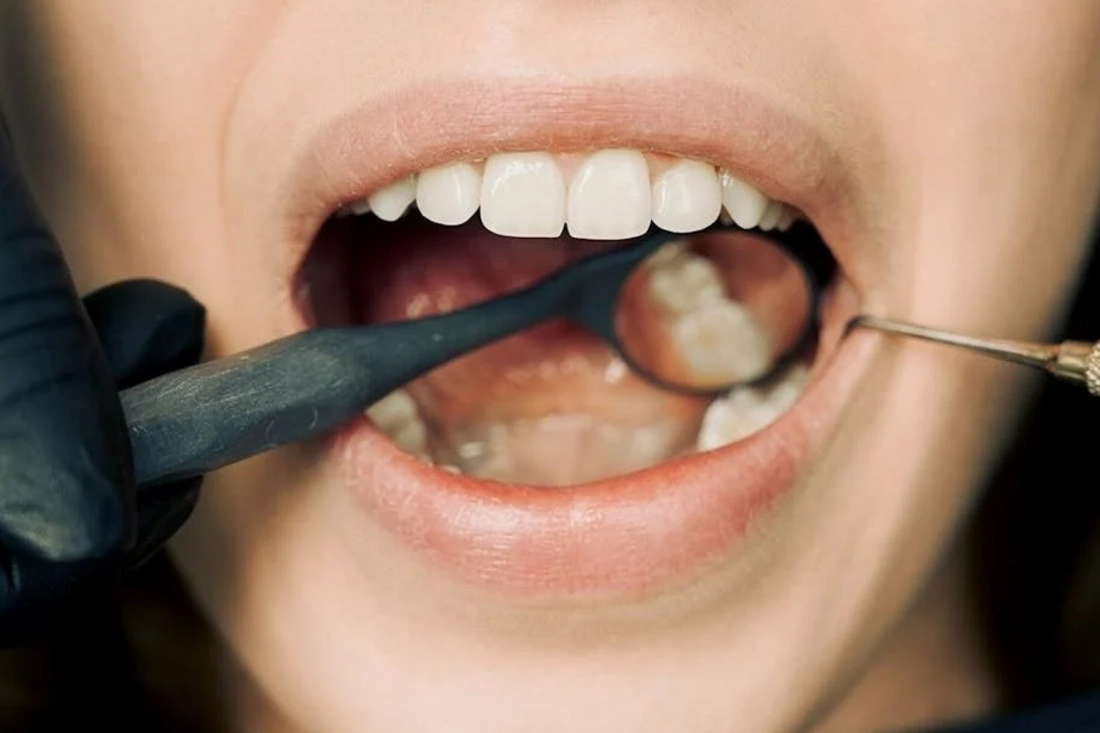
Generally, dental implants can last a lifetime as long as you take proper care of them. The dental crown attached to the implant, on the other hand, needs to be replaced after around 10-15 years to make sure it remains in optimal condition.
These affect the life expectancy of an implant:
- Dental hygiene habits – Brushing, flossing, and routine dental visits are crucial for maintaining good dental hygiene and keeping implants in great shape.
- Gum health – Conditions like periodontal disease can affect the surrounding area, leading to implant failure if left untreated. Seeking dental implants in Oklahoma City early can help protect your implants and overall oral health.
- Bone density – Enough jawbone is necessary to support the implant properly. If the bone weakens, a bone graft may be needed.
- Medical conditions – Health issues like diabetes and osteoporosis may impact the healing process and increase the risk of implant failure.
- Lifestyle habits – Smoking, excessive alcohol consumption, and teeth grinding can negatively impact the longevity of dental implants.
Average Lifespan of Dental Implants

On average, dental implants can last:
- 10-15 Years: The crown or prosthetic tooth may need to be replaced due to wear and tear.
- 20-30 Years: With proper care, the implant itself can last for several decades.
- Lifetime: In some cases, dental implants can last a lifetime, making them a permanent solution for missing teeth.
What Causes Dental Implant Failure?
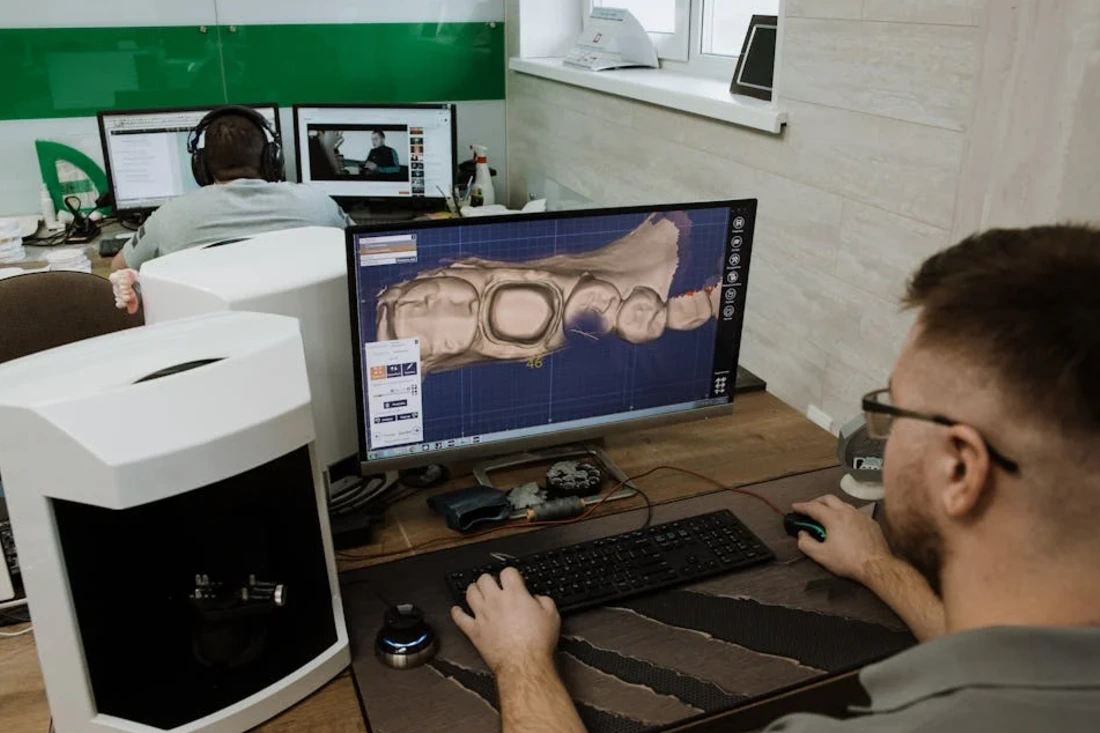
Although dental implants have a high success rate, they can sometimes fail due to various reasons. Early-stage failure may occur if the implant placement doesn’t integrate properly with the bone, while late-stage failure can result from long-term issues such as:
- Peri-implant disease – A condition similar to gum disease, leading to inflammation and bone loss around the implant.
- Poor oral hygiene – Neglecting daily brushing and flossing can lead to plaque buildup, increasing the risk of infection.
- Inexperienced surgeon – Choosing a skilled dentist is crucial to avoid tiny movements or incorrect placement that can compromise the implant’s stability.
- Allergic reactions – Although rare, some individuals may have a sensitivity to titanium, requiring zirconia dental implants instead.
- Trauma or pressure – Chewing on hard candy or grinding your teeth can put stress on the implant, potentially causing damage.
- Alternative Solutions – If a dental implant fails, a dental bridge or conventional dentures might be considered as a viable replacement option.
Signs of Implant Failure

While rare, dental implant failure can occur due to various reasons. Be aware of the following signs of implant failure:
- Pain or Discomfort: Persistent pain or discomfort around the implant site.
- Swollen or Red Gums: Inflammation or redness around the implant site.
- Loose Implant: The implant feels loose or unstable.
- Bleeding or Discharge: Unusual bleeding or discharge around the implant site.
- Changes in Bite: Noticeable changes in your bite or chewing ability.
If you experience any of these symptoms, consult your dentist or oral surgeon promptly to address any potential issues.
How to Extend the Life of Your Dental Implants

Want your dental implants to last for decades? Follow these tips to ensure long-term success:
- Practice good oral hygiene – Brush at least twice a day, floss daily, and use an antibacterial mouthwash to keep bacteria at bay, just as you would with a natural tooth.
- Visit your dentist regularly – Routine checkups allow your dentist to monitor the health of your implant and surrounding teeth.
- Avoid smoking – Smoking reduces blood flow to the gums, increasing the risk of implant failure and slowing down the healing process.
- Wear a nightguard – If you grind your teeth, a custom nightguard can protect both your natural teeth and implants from damage.
- Eat a balanced diet – Nutritious foods support overall oral health and help maintain strong jawbone structure.
- Be mindful of what you eat – Avoid sticky, hard, or excessively acidic foods that could put stress on the artificial tooth or surrounding tissues.
Are Dental Implants Worth It?
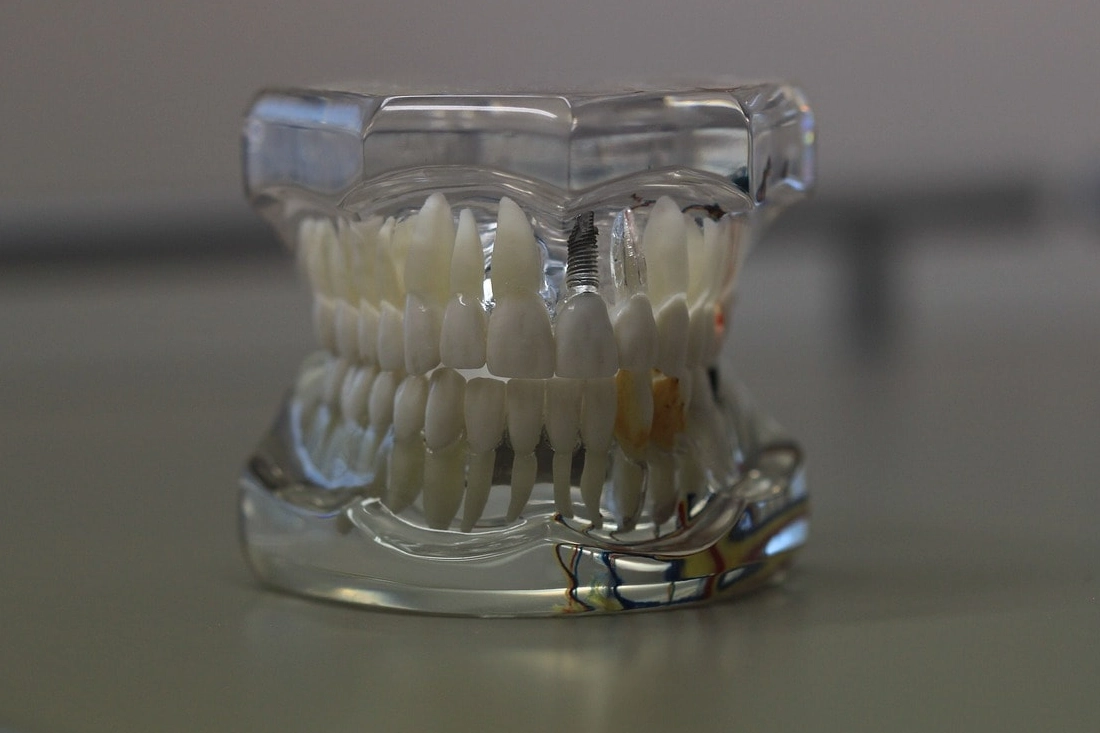
Many people find that dental implants are the best long-term solution for missing teeth. They offer several advantages over other tooth replacement options, including:
- Durability – With the right care, implants can last a lifetime.
- Natural appearance – They blend seamlessly with your neighboring teeth, providing artificial teeth that look and feel like your own for a confident smile.
- Improved function – Unlike dentures, implants allow you to eat all your favorite foods without worry.
- Preserved jawbone – Implants prevent bone loss and maintain facial structure.
While dental implants cost more upfront than dentures or bridges, they provide unmatched stability, longevity, and comfort—making them a worthwhile investment for many patients.
Get Long-Lasting Dental Implants in Oklahoma City

If you’re considering dental implants in Oklahoma City, our team at Dental Innovations is here to help. We provide expert dental implant surgery using state-of-the-art technology to ensure long-term success.
Book a consultation today to find out if dental implants are the right tooth replacement option for you. A lasting, healthy smile is just one visit away!