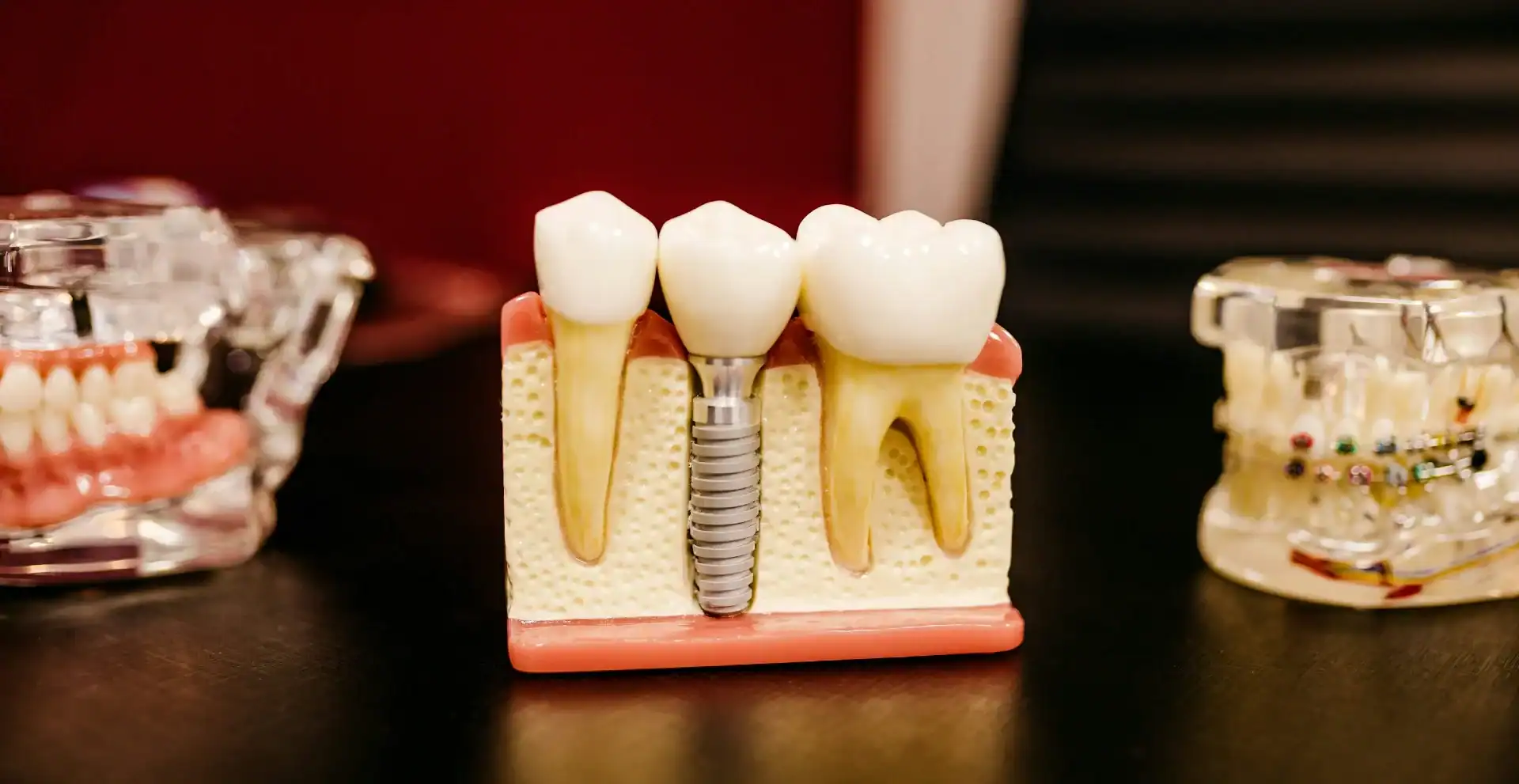
Gum disease isn’t just a nuisance; it can really throw a wrench into your smile and overall well-being. But here’s some exciting news: a modern twist on treatment is shaking up the dental world. At Dental Innovations in OKC, our laser periodontal therapy is transforming the way we address gum disease, making treatments more comfortable, quicker, and surprisingly effective. Say goodbye to the days of traditional scalpels and long recovery times, and welcome to a brighter, healthier smile!
Related Article: Is Laser Dentistry Right for You? Here’s What You Need to Know
Understanding Gum Disease: Causes and Risks
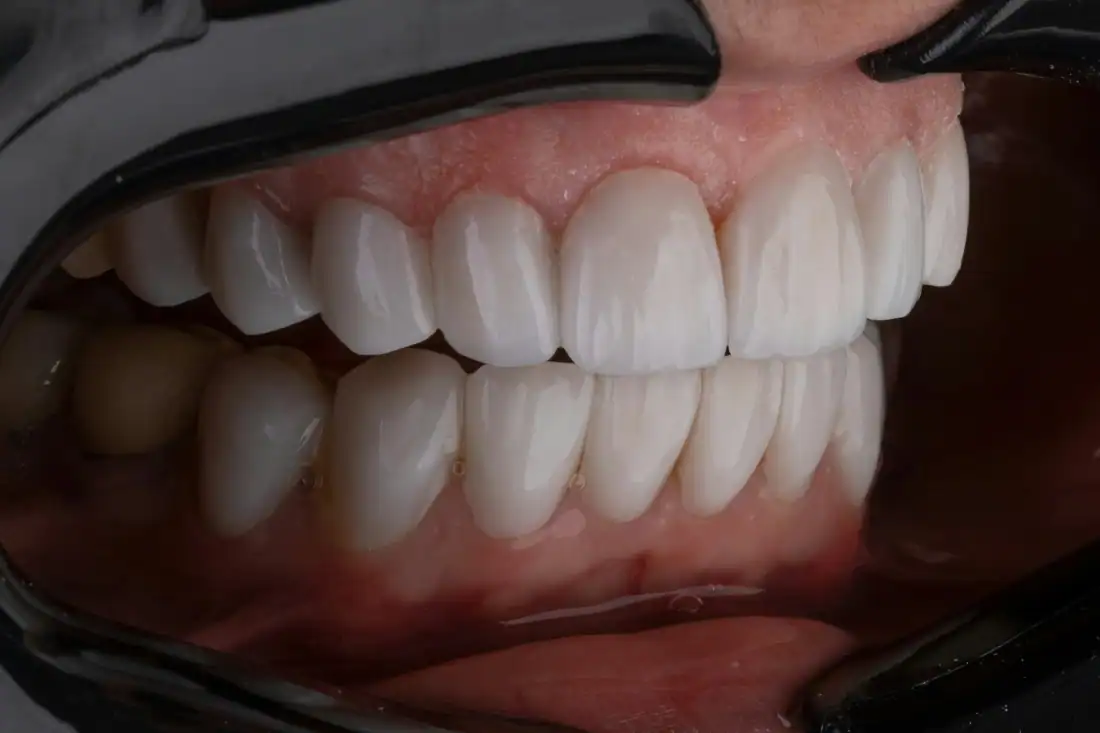
Periodontal disease begins when plaque—a sticky film of bacteria—accumulates along the gum line. If not removed, it hardens into tartar, irritating the gums and causing inflammation. Untreated gum disease progresses in stages:
- Gingivitis: Early signs include puffy gums, bleeding, and redness.
- Periodontitis: Gums pull away from teeth, forming pockets that trap bacteria.
- Advanced Periodontitis: Bone loss occurs, leading to loose teeth or tooth loss.
Early intervention is critical. When treated early, nonsurgical methods like deep cleanings may suffice. Advanced cases require specialized periodontal treatment options, such as laser surgery or guided tissue regeneration.
Traditional vs. Laser Periodontal Treatment Options
Traditional Methods

- Gum flap surgery: Involves cutting and lifting gums to clean infected roots.
- Scaling and root planing: Manual scraping of plaque below the gum line.
- Guided tissue regeneration: Placing membranes to regrow bone and tissue.
These other dental procedures often require stitches, anesthesia, and weeks of recovery.
Laser Periodontal Therapy
This nonsurgical treatment option uses focused light energy to:
- Remove diseased gum tissue and bacteria.
- Stimulate guided tissue regeneration for natural healing.
- Preserve healthy teeth and gums with minimal discomfort.
Step-by-Step: How Laser Gum Surgery Works
Let’s go through laser periodontal therapy as a gum disease solution:
1. Consultation and Diagnosis

Your dental professional examines your gums, measures pocket depth, and reviews your medical history. X-rays check for bone loss or infection in the jawbone.
2. Preparing the Treatment Area
A local anesthetic numbs the gums (if needed). Most patients feel only slight pressure.
3. Removing Diseased Tissue
The laser targets infected tissue and bacteria in periodontal pockets. Healthy tissue remains untouched, reducing damage to soft tissue.
4. Deep Cleaning and Sterilization

The laser vaporizes plaque and tartar below the gum line while sterilizing the area.
5. Promoting Tissue Regeneration
The laser’s energy stimulates blood flow, accelerating the healing process and encouraging gum reattachment.
6. Aftercare Guidance
Patients receive instructions to maintain healthy gums, including gentle brushing and avoiding smoking. Most sessions take 1–2 hours, depending on severity.
The Benefits of Laser Periodontal Therapy
Laser periodontal therapy comes with a host of benefits that make it a standout option for treating gum disease:

Virtually Painless Treatment
Many patients report minimal discomfort during and after the procedure compared to traditional and other dental procedures.
Quick Recovery
Without the need for incisions or stitches, your healing process is often faster, meaning you can get back to your daily routine sooner.
Reduced Postoperative Bleeding
The laser cauterizes as it works, which dramatically cuts down on postoperative bleeding and makes for a smoother recovery.
Minimally Invasive
There’s no need for invasive surgical cuts. The laser targets only the diseased tissue, leaving the healthy tissue and soft tissue untouched.
Targeted Bacteria Elimination
By directly attacking harmful bacteria, laser therapy helps lower the risk of reinfection, making it easier to maintain oral health.
Less Downtime
Because the treatment is so precise, many patients find that they experience less discomfort and fewer complications after the procedure.
Whether you’re dealing with loose teeth, bad breath, or an unpleasant taste due to gum infection, this modern treatment offers a path forward without the extensive recovery period typically associated with traditional methods.
Spotting the Warning Signs of Gum Disease
The sooner you catch gum disease, the better your chances of avoiding more serious complications. Keep an eye out for these common warning signs:

Puffy or Swollen Gums
Your gums may appear swollen or puffy, especially near the gum line.
Bleeding Gums
If your gums bleed while brushing or flossing, it’s a sign that something might be off.
Persistent Bad Breath
A continuous, unpleasant odor can be a red flag for an underlying gum infection.
Loose or Shifting Teeth
If you notice that your teeth are moving or feeling loose, it could indicate damage to the supporting underlying jawbone.
Unpleasant Taste
A lingering bad taste in your mouth may be caused by diseased gum tissue or infection.
Gum Infection or Inflammation
Red, tender, or painful gums can be an early indicator of periodontal disease.
If any of these symptoms sound familiar, it’s wise to visit a dental professional right away. Early intervention with periodontal therapy can prevent the spread of the infection and help preserve your healthy teeth and gum tissue.
Preventing Gum Disease: Protect Your Healthy Teeth and Gums

- Brush twice daily with fluoride toothpaste to remove plaque.
- Floss daily to clean between teeth and along the gum line.
- Regular dental checkups catch early signs like puffy gums or inflammation.
- Avoid smoking, which slows the healing process.
- Manage health conditions like diabetes that increase gum disease risk.
Is Laser Gum Surgery Right for You?

Laser gum surgery might sound like something out of a sci-fi movie, but it’s very real—and it could be the perfect fit for you. This laser-assisted procedure is designed to treat periodontal disease with minimal discomfort and maximum efficiency. It’s particularly suitable for patients who are keen on a minimally invasive option, especially when traditional treatments like scaling and root planing or gum surgery seem too harsh.
Every patient is unique, and what works for one person might not be ideal for another. That’s why a consultation with a knowledgeable dental professional at Dental Innovations in OKC is so valuable. To determine the best course of action, they will look over your medical history, assess your gum tissue, and talk about your concerns, including whether you have loose teeth, inflamed gum tissue, or even bone loss.
Gum Tissue Issues? We’re Ready to Tackle All Dental Needs
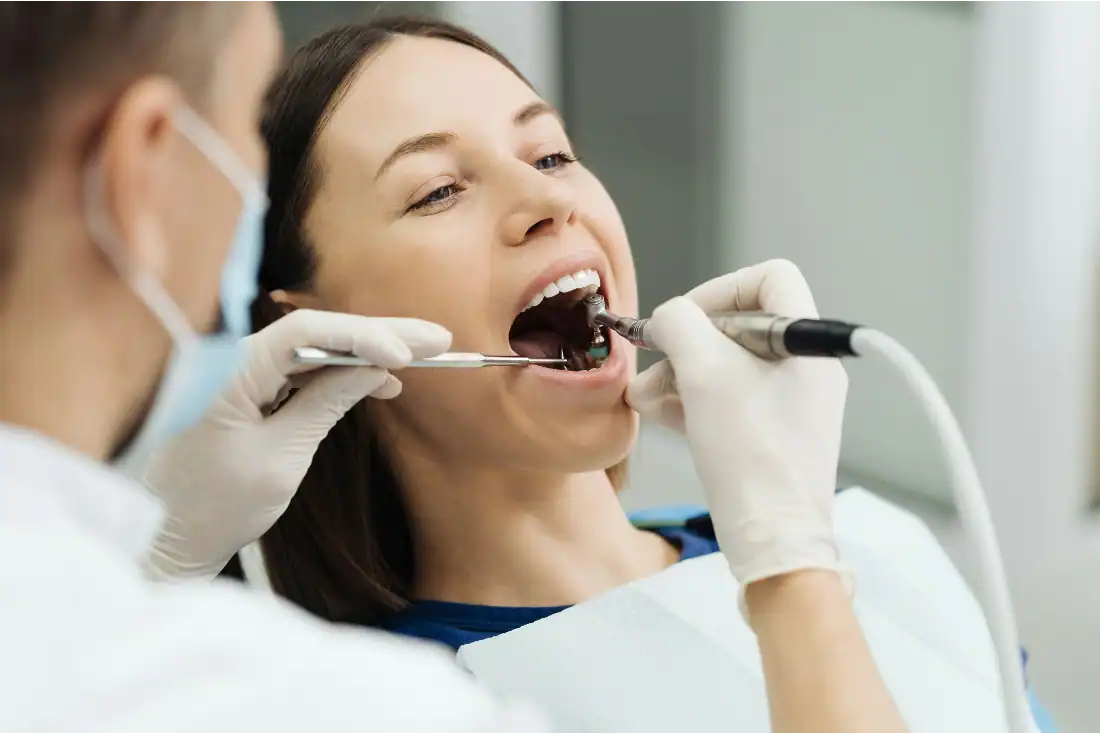
Laser periodontal therapy is more than just a new technique; it’s a revolution in the way we treat gum disease. With its minimally invasive approach and focus on preserving healthy gum tissue, laser treatment offers a faster recovery, reduced discomfort, and a brighter outlook for your overall oral health. Whether you’re concerned about infected tissue, bleeding gums, or the risk of tooth loss, laser gum surgery brings a fresh perspective to dental care that aligns with modern lifestyles and expectations.
Don’t let untreated gum disease compromise your smile or overall health. At Dental Innovations in OKC, our laser periodontal therapy offers a faster, gentler way to treat gum disease—without scalpels or lengthy downtime.
Call us today to schedule your consultation and explore treatment options tailored to your needs.