Dental X-rays are a normal part of many visits, but they can still raise questions. Why do you need them? Are dental X-rays safe? What do X-rays show that a dentist cannot see by looking? At Dental Innovations in Oklahoma City, we use dental radiographs to support clearer answers, earlier diagnosis, and more comfortable dental care in the dentist’s office.
A dental X-ray does not replace a conversation or visual examination. It works with a thorough clinical examination so we can understand your teeth, gums, roots, jawbone, and overall oral health. When used thoughtfully, dental radiography can help us catch small concerns before they become larger dental problems.
Why Dental X-Rays Help Protect Your Oral Health
Even a careful dentist cannot see everything inside the mouth. Dental X-rays show areas between teeth, beneath old fillings, around roots, and inside the jaw. They can help a dentist find tooth decay, gum disease, bone loss, impacted teeth, extra teeth, jaw problems, jaw fractures, and certain bone abnormalities.
For a new patient, dental radiographic examinations may help us review past dental work, check the entire mouth, and compare current findings with images from other providers. For children, X-ray images may show baby teeth, developing adult teeth, spacing, and wisdom teeth. For adults, they may help us plan treatment for dental disease, crowns, endodontics, periodontics, Invisalign, or dental implants.
At Dental Innovations, we explain why we recommend X-rays before we take them. If something is not visible during the exam, imaging can help us make a more confident diagnosis.
Types of Dental X-Rays You Can Expect
There are several types of dental X-rays, and each image answers a different question. Some are taken inside the mouth, while others capture a wider view from outside the mouth.
- Intraoral X-rays: Intraoral X-rays are taken with a small sensor or X-ray film inside the mouth. These images help us look closely at specific teeth, roots, and surrounding bone.
- Extraoral X-rays: Extraoral X-rays are taken from outside the mouth and capture images of a wider area, such as the jaws, facial bones, and the entire mouth.
- Bitewing X-rays: Bitewing X-rays are often used during checkups. They show the back teeth and the areas where the upper and lower teeth meet, which helps us spot tooth decay between teeth and changes in bone level.
- Periapical X-rays: Periapical X-rays give your dentist a closer look at one entire tooth, including the visible crown, root, and nearby bone. If you have tooth pain, a deep cavity, swelling, or possible infection, this image can show whether the root or bone is involved.
- Occlusal X-ray Images: Occlusal X-ray images may help evaluate larger areas of the mouth, especially with developing teeth, impacted teeth, or extra teeth.
- Panoramic X-rays: A panoramic X-ray gives a broad view of the entire mouth in one image. With a panoramic X-ray machine, we can see the jaws, lower teeth, upper teeth, wisdom teeth, jaw disorders, and structures that smaller images may miss. This panoramic film image can be useful before oral surgery, orthodontic treatment, or dental implant planning.
- Cone Beam Computed Tomography: For more detailed cases, cone beam computed tomography may be recommended. Cone beam imaging creates a 3D view and can help with dental implants, complex jaw problems, and other procedures that need more detail. Because cone beam imaging provides more detailed information and may involve more radiation than routine digital X-rays, we recommend it only when that extra detail supports better care.
Each type of image gives your dentist a different view of the teeth, roots, jaw, or surrounding bone. After reviewing your X-ray images alongside your exam, our team at Dental Innovations can explain what we see, answer your questions, and help you understand the next best step for your oral health.
Are Dental X-Rays Safe?

For most patients, dental X-rays are safe when used appropriately. Modern dental offices use careful techniques to limit radiation exposure, and digital radiography allows us to capture images efficiently. Digital X-rays usually require less radiation than conventional film and are easier to review with you right away.
Our goal is to avoid unnecessary radiation exposure while gathering the information needed to protect your dental health. The American Dental Association recommends that X-rays be based on each patient’s needs, not just a fixed schedule. Your dentist considers symptoms, oral disease risk, previous images, health history, and exam findings.
Some patients ask about a lead apron or thyroid collar. With modern dental X-ray equipment, the American Dental Association no longer recommends routine lead abdominal aprons or thyroid collars for dental X-rays, although requirements and office protocols may vary. What matters most is that the X-ray beam is carefully aimed and that images are taken only when they are needed for diagnosis or treatment planning. There is no special preparation for most dental X-rays, but please tell us if you are pregnant, may be pregnant, or have recently had X-rays taken at another office.
What Happens During Dental X-Rays?
The process is usually quick. For intraoral X-rays, we place a small sensor inside your mouth while the X-ray machine captures images. Some patients feel mild pressure, especially near the back teeth, but it should not hurt. For a panoramic X-ray, you stand or sit still while the machine moves around your head and captures one image of the entire mouth.
Afterward, your dentist reviews the images with your exam. X-rays do not replace looking at your gums, teeth, bite, or soft tissues. They give us information we cannot always confirm by looking in the mouth alone. At Dental Innovations, we use the images to explain what we see, whether that means monitoring an early spot, treating tooth decay, checking bone loss, evaluating wisdom teeth, or discussing dental implants.
How Often Do You Need X-rays?
There is no single schedule for dental X-rays. The timing depends on your oral health, symptoms, dental history, risk for tooth decay or gum disease, and the type of care being planned. Some patients need X-rays more often because they have active tooth decay, gum disease, ongoing pain, a history of dental disease, or upcoming treatment. Others may need them less often when their dental health is stable.
Children may need images because their teeth and jaws are still developing. A new dentist may also recommend updated images if previous records are unavailable or outdated. Many dentists use them to understand where things are today, not just where they were years ago.
At Dental Innovations, we recommend X-rays only when they can help us diagnose a concern, monitor a condition, or plan treatment safely. We want to avoid unnecessary radiation exposure while also making sure we do not miss a problem that could affect your comfort or long-term oral health.
Dental Technology That Supports Better Care
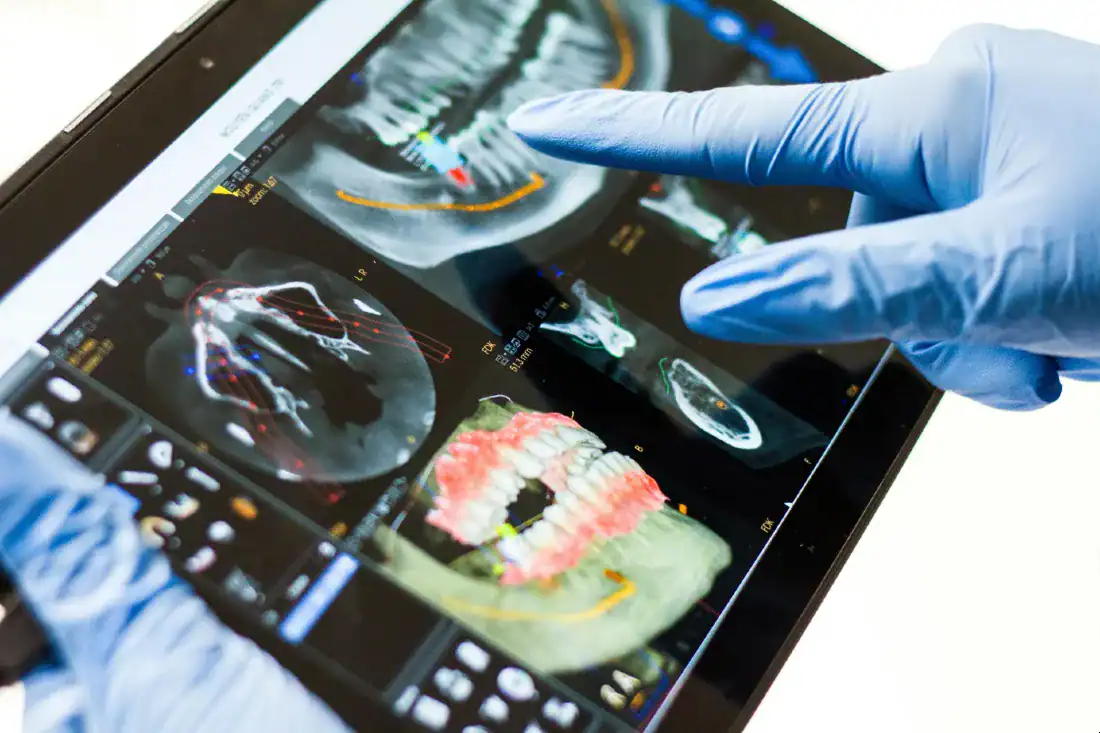
Dental technology is an integral part of how we provide more informed care at Dental Innovations. Digital radiography and cone beam imaging, when appropriate, help our team evaluate concerns more clearly and support preventive, restorative, cosmetic, and emergency dental care with greater confidence.
Whether you visit Dental Innovations for a routine cleaning, dental exam, tooth pain, CEREC restoration, Invisalign, periodontics, endodontics, sedation dentistry, laser dentistry, or dental implants, X-ray images may play a helpful role in your care.
Have Questions About Dental X-Rays?
If it has been a while since your last visit, or if you are worried about a specific tooth, we are happy to help you understand what images may be needed and why. At Dental Innovations, our goal is to make every visit feel comfortable, clear, and personal.
Dental X-rays give us more than a picture of your teeth. They help us protect your smile, find problems earlier, and guide treatment with care. If you have questions about X-rays, radiation, or your next dental exam, just contact us at (405) 691-0877. We will walk you through it so you can feel confident about your dental care.