Tooth decay, also known as dental caries, is a common issue that many people face. However, did you know that it’s possible to heal cavities naturally without fillings? Understanding the process of tooth decay and how to reverse it can lead to healthier teeth and a brighter smile. Let’s dive into how to heal a cavity without fillings and explore some natural solutions to tooth decay. Exciting new treatments from Dental Innovations are emerging as alternatives to traditional fillings, particularly beneficial for children, special needs patients, and those who are fearful of dental treatment.
Discover the latest from Dental Innovations and learn how you can naturally protect your teeth by reading on!
Related Article: How Long Do Fillings Take: A Guide to Cavity Fillings
Understanding Tooth Decay
Tooth decay is a common dental problem that affects people of all ages. It occurs when the enamel, the outer layer of the tooth, is damaged by acids produced by bacteria. Dental plaque—a sticky film of bacteria—contributes to tooth decay by producing acids when it comes into contact with sugars and starches. These acids can erode the enamel, leading to cavities.
Identifying and managing early decay is crucial to prevent the need for fillings. Early decay can often be reversed if detected in its initial stages, allowing for non-invasive treatments. Regular dental check-ups and good oral hygiene practices can help in detecting early decay and maintaining healthy teeth.
What Happens Inside Our Mouths?
Our mouths are home to hundreds of bacteria, some of which are beneficial, while others can be harmful. Tooth decay is primarily caused by harmful bacteria that use sugars in our food to produce acids. These bacteria form dental plaque which leads to acid production. These acids attack the tooth enamel, leading to cavities over time. Our saliva and fluoride from toothpaste act as natural defenses, but maintaining oral health requires more than just brushing.
The Role of Harmful Bacteria in Tooth Decay
Harmful bacteria thrive on sugars and starches, producing acids that damage the tooth’s enamel. Over time, these acids create cavities, leading to more serious dental issues if left untreated. Early decay can be detected and managed without fillings, preventing the need for surgical intervention. Understanding the causes of tooth decay is crucial to reversing it and promoting oral health.
Diet and Nutrition for Healthy Teeth

A balanced diet rich in vitamins and minerals is essential for maintaining good oral health. Foods high in calcium, such as dairy products, help strengthen teeth, while vitamin D aids in calcium absorption. Additionally, using fluoride mouth rinses can help prevent cavities by increasing fluoride levels in the body. Avoiding sugary snacks and drinks can also reduce the risk of dental caries.
Change Up Your Diet to Prevent Tooth Decay
A simple diet switch can help reverse the tooth decay process. Consuming foods rich in calcium, such as greens and dairy, strengthens your teeth and gives the enamel a head start. Reducing sugar intake is essential to prevent excessive plaque buildup. Incorporating more fluoride into your routine through professional fluoride treatments and fluoride mouth rinses can also help prevent cavities.
Increase Vitamin D Intake for Healthy Teeth
Vitamin D is vital for absorbing calcium and phosphate from food, which are essential for strong teeth. Studies show that a diet high in vitamin D and calcium, like yogurt, can reduce cavities in young children. Vitamin D helps in the prevention of dental caries by aiding in the absorption of calcium and phosphate. You can get vitamin D from dairy products, like milk and yogurt, or from sunlight.
Natural Remedies for Oral Health

In recent years, there has been a growing interest in natural remedies for dental care. These remedies are often sought after for their minimal side effects and holistic approach to oral health. Additionally, new cavity treatments like silver diamine fluoride (SDF) have emerged, offering benefits for young children, special needs/medically compromised patients, and individuals fearful of dental treatment.
Oil Pulling for Oral Health
Oil pulling involves swishing oil, like coconut oil, in your mouth for about 20 minutes before spitting it out. This ancient practice can reduce plaque, gingivitis, and harmful bacteria, helping to prevent tooth decay. Additionally, oil pulling can help reduce plaque and gingivitis in permanent teeth.
Licorice Root for Cavity Prevention
Extracts from the Chinese licorice plant combat the bacteria responsible for dental cavities. Studies have shown that licorice extract can significantly reduce harmful bacteria in the mouth and prevent cavities. Additionally, licorice root can help prevent cavities in permanent teeth, making it a valuable tool in preventive dental care for children and teens.
Hydrogen Peroxide Rinse for Tooth Remineralization
Mix equal parts of water and food-grade hydrogen peroxide to create a mouthwash. Swish the mixture around your mouth for 30 seconds to a minute to kill bacteria and reduce inflammation, aiding in the remineralization of tooth enamel. This rinse can also help manage early decay by killing bacteria and aiding in remineralization, potentially halting decay in its initial phase before it requires fillings.
Effective Oral Care Routine
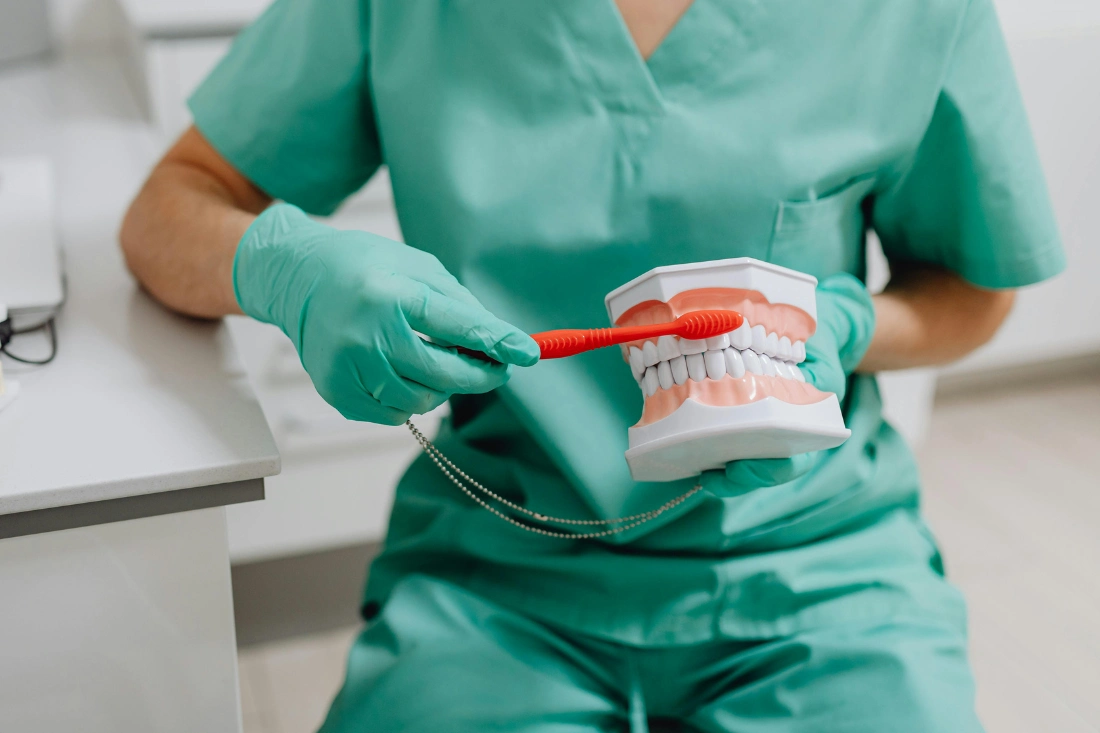
An effective oral care routine is essential for maintaining good oral health and can help prevent dental caries. This routine should include brushing twice a day, flossing daily, and regular dental check-ups.
Additionally, incorporating fluoride mouth rinses into your oral care routine can further aid in preventing cavities and maintaining oral health. Fluoride can be found in mouthwashes, which helps increase the amount of fluoride in the body, providing extra protection against tooth decay.
Brush with Fluoride Toothpaste for Healthy Teeth
Brushing your teeth at least twice a day with fluoride toothpaste is crucial to preventing tooth decay and cavities. Brushing with fluoride toothpaste helps prevent dental caries by strengthening the enamel and making it more resistant to acids produced by bacteria. Be gentle while brushing to avoid damaging your enamel. Fluoride plays a significant role in preventing cavities and remineralizing enamel.
Step Up Your Oral Care Routine to Prevent Tooth Decay
Floss daily to remove food particles and plaque between your teeth. Proper oral hygiene is essential for a healthy mouth, teeth, and gums. Regular brushing with fluoride toothpaste has been shown to prevent cavities and keep your teeth healthy. Additionally, incorporating fluoride mouth rinses into your oral care routine can help prevent cavities and maintain oral health.
Reversing Tooth Decay Naturally
How to Reverse Tooth Decay Without Fillings
Early tooth decay can be treated without fillings, and it’s a reversible process if detected in its early stages. Early decay can be managed without fillings if identified promptly. Modern dentistry provides tools to identify and manage decay early, allowing for non-surgical treatment.
Natural Alternatives to Fillings
Decay occurs when bacteria produce acid, causing tooth loss and demineralization. However, with proper intervention, teeth can recalcify, and decay can be halted. New cavity treatments like silver diamine fluoride (SDF) offer an alternative to fillings, especially beneficial for young children, special needs/medically compromised patients, and individuals fearful of dental treatment. Regular checkups can find cavities and prevent more serious dental issues.
Maintaining Good Oral Hygiene and Prevention

Maintaining good oral hygiene is essential for overall health. Brushing and flossing regularly can help prevent various dental issues. Additionally, maintaining good oral hygiene can help prevent dental caries, which occur when acids produced by bacteria erode the enamel of the teeth, leading to cavities.
Incorporating fluoride into your oral hygiene routine is also beneficial. Fluoride can be found in toothpaste and mouthwashes. Using fluoride mouth rinses can help increase the amount of fluoride in the body, aiding in preventing cavities and maintaining oral health.
Tips for Maintaining Good Oral Hygiene
Visit your dentist regularly for early detection and treatment of cavities. Maintaining good oral hygiene can help prevent dental caries, which occurs when acids produced by bacteria erode the enamel of the teeth, leading to cavities. A healthy diet and regular brushing with fluoride toothpaste can also help prevent cavities. Dental sealants can be applied to the chewing surfaces of back teeth to prevent food and bacteria from getting trapped.
Preventing Tooth Decay in the Long Run
Here are some easy ways to either prevent or reverse the destructive effects of tooth decay:
- Use Natural Probiotics: Incorporate fermented foods into your diet to promote a healthy balance of oral bacteria.
- Chew Sugar-Free Gum: This can help increase saliva flow, which neutralizes acids and helps prevent cavities.
- Limit Sugary Foods and Drinks: Reduce your sugar intake to avoid feeding harmful bacteria.
- Get More Fluoride: Use fluoride treatments like fluoride gel or professional fluoride treatments to strengthen your enamel. Incorporate fluoride mouth rinses into your routine to help prevent cavities.
- Add Vitamins: Taking supplements like vitamin D can support overall dental health.
By building these healthy habits, you can save your teeth from tooth decay and prevent the need for fillings.
Tooth decay doesn’t have to lead to fillings and other invasive treatments. By understanding the causes of tooth decay and incorporating natural remedies and good oral hygiene practices, you can heal cavities naturally. Remember to visit your dentist regularly for early diagnosis and general treatment, and maintain a diet and oral care routine that promotes healthy teeth. With these tips, you can achieve a healthy, cavity-free smile.
Ready to take control of your dental health naturally? Contact us today to schedule your appointment and be one step closer to achieving a cavity-free smile!