Tooth Decay Treatment, Causes, Symptoms, and Prevention
Tooth decay, also known as dental cavities, is an oral disease that occurs when your tooth enamel begins to weaken due to the acids and bacteria in your mouth. As a result, you may end up with a cavity or tooth abscess, and in worse-case scenarios, tooth loss.
Over time, tooth decay progresses deeper into the tooth, affecting the inner layers and eventually reaching the pulp. When this happens, the tooth’s blood vessels and nerves located in the pulp are left vulnerable to infection. That’s why it’s essential to treat tooth decay in its early stages to prevent further damage.
We at Dental Innovations OKC are experts in all aspects of oral care, so we’ve seen and treated numerous patients with tooth decay over the years. To help you achieve optimal oral health, we’ve put together everything you need to know about tooth decay, including a detailed explanation of its common causes, symptoms, solutions, and tips to prevent it.
Prevention and Early Treatment to Prevent Tooth Decay or Dental Caries
As they say: Prevention is better than cure. When you practice preventative measures and prioritize early treatment, you can effectively mitigate tooth decay. This will not only keep you from experiencing any painful symptoms, but it will also save you from expensive dental problems down the line.
Some of the approaches that can help prevent tooth decay include the following:
- Maintaining a good oral hygiene routine
- Avoiding acidic and sugary foods and drinks
- Eating balanced meals and nutritious food
- Using fluoride toothpaste and mouthwash
- Arranging regular dental visits
- Considering dental sealants and fluoride treatments
Causes and Risk Factors
It’s essential to be aware of the various causes and risk factors of tooth decay. Knowledge of the factors leading to tooth decay is the first step to preventing or treating it. We’ve put together a list of the most common causes that lead to tooth decay:
Bacteria and Acid Production
Bacteria in your mouth can transform leftover sugar and starches on your teeth into acids. In turn, these acids can damage the protective layer of your teeth called the enamel, and lead to enamel decay and other issues like cavities or dental caries.
Poor Oral Hygiene and Diet
When you fail to brush your teeth at least twice a day and floss your teeth daily, dental plaque bacteria can build up on your teeth over time and increase the risk of tooth decay.
Inadequate Fluoride Exposure
Fluoride strengthens the tooth enamel by promoting remineralization, which helps replenish lost calcium and phosphate in your teeth. It can also prevent decay-causing bacteria present in your mouth from producing acids, thus reducing the risk of tooth decay. Lastly, fluoride can strengthen saliva, which plays a role in protecting your tooth enamel. If you’re not using fluoride toothpaste or rarely receive a fluoride treatment, your teeth are at a higher risk of damage and tooth decay.
Age and Genetics
When you get older, your oral health may change or deteriorate. This leaves your teeth susceptible to dental problems such as receding gums and tooth decay. Additionally, with age, it may be harder to maintain good oral health habits which leads to dental neglect.
Genetics can also influence your dental health and speed up the tooth decay process. For instance, it’s possible to inherit certain conditions or illnesses that increase the risk of damage to your teeth. Genetics can also affect your saliva composition and enamel structure; variations in these factors can contribute to tooth decay.
Inadequate Dental Care
Most dentists recommend having regular check-ups done at least every six months. However, when you have urgent or pressing dental problems, you should visit your dentist as soon as possible and attend any follow-up sessions. People who don’t prioritize their dental care and maintenance face a higher risk of developing tooth decay, among other issues.
Medical Conditions and Medications
Medical conditions such as a dry mouth (xerostomia), diabetes, cardiovascular disease, immune disorders, eating disorders, and acid reflux or GERD can all contribute to tooth decay. Similarly, specific medication can also affect your oral health and leave you vulnerable to the disease.
Symptoms of Tooth Decay
Let’s go over the common signs and indicators that may point toward the presence of dental decay:

Tooth Sensitivity and Pain
When tooth decay advances deeper into your tooth’s surface, it can lead to the exposure of the dentin or pulp, which results in tooth sensitivity. As a result, your teeth become sensitive whenever you have hot or cold foods and drinks. The deeper the decay goes, the more painful the symptoms will be.
Holes or Discoloration
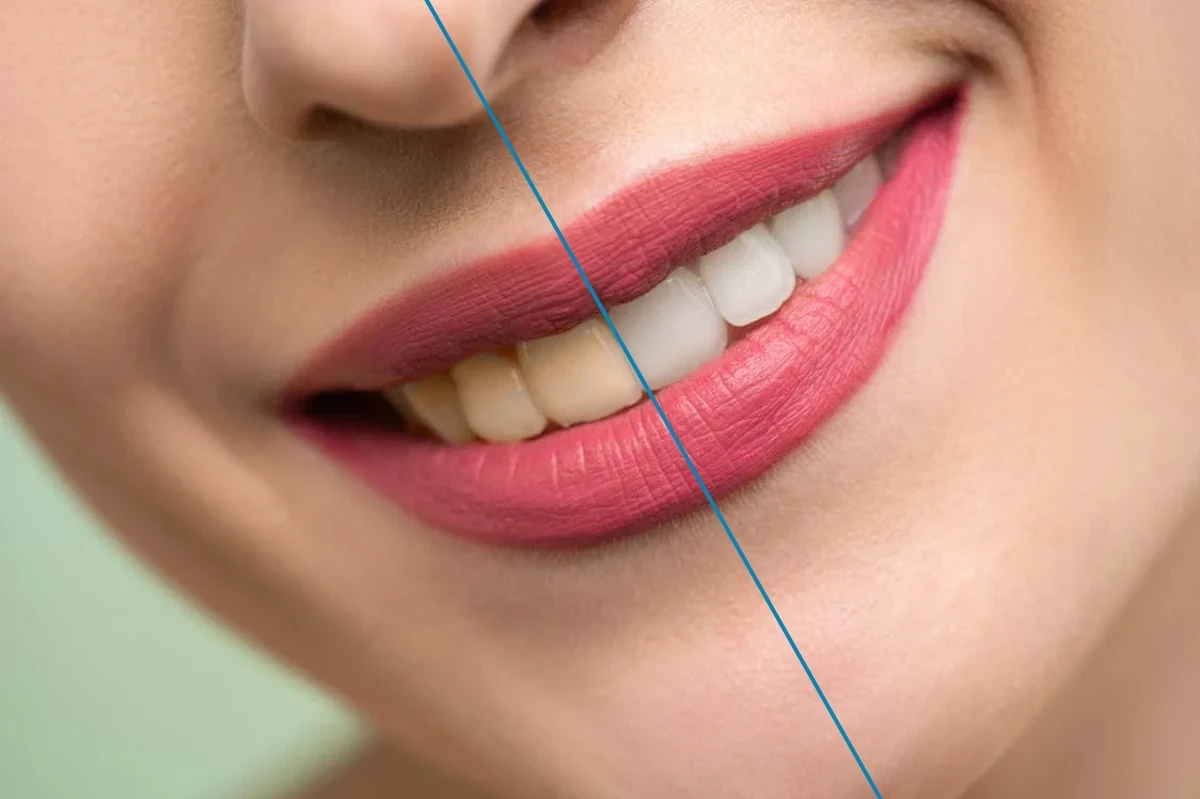
Depending on the position of your affected tooth, it can be easy to find visible holes or discoloration in your teeth that indicate tooth decay. Tooth decay can result in changes in tooth color, ranging from black, grey, or brown to white discoloration. Keep an eye out for these signs on the front teeth, back teeth, and other chewing surfaces where plaque is more likely to accumulate.

Bad Breath and Taste
If you notice persistent bad breath and an unpleasant taste in your mouth, consider the possibility of decay. During the tooth decay process, bacteria in the mouth can create gases that lead to bad breath. The decay itself and the decayed tooth tissue can also leave a noticeable bad taste that won’t go away even after brushing your teeth.

Facial Swelling
Dental procedures can be challenging depending on the issue that needs to be addressed, but you can rest assured that your dental needs are in capable hands with the Dental Innovations team. We pride ourselves in delivering exceptional care, from routine check-ups to urgent treatments. When it comes to reliable and effective oral health and dental care services, we’ve got you covered!
Stages of Tooth Decay
The longer tooth decay stays untreated, the more it can progress and lead to further deterioration of your dental health. Here are the stages of the tooth decay process and their potential consequences:

1. Initial Demineralization
Early tooth decay is characterized by the demineralization of enamel, where decay-causing bacteria produce acid, making the enamel more susceptible to damage. Early tooth decay can set in as early as infancy and childhood. This stage, often referred to as “early childhood caries,” encompasses conditions like baby bottle tooth decay which occur when sugary drinks like milk, juice, or formula are left in baby teeth for a long period.
As this is the earliest phase of decay, adults can still reverse the damage by brushing with fluoride toothpaste, flossing, and administering fluoride treatment or professional cleanings. If left unaddressed, it can lead to further decay.
2. Enamel and Dentin Decay
During this stage, the decay reaches the deeper layers of the tooth. This process can occur on any tooth surface, but hard-to-reach areas like the grooves of the back teeth are more vulnerable as they may not receive sufficient cleaning. This can manifest in visible holes or cavities and can lead to increased tooth sensitivity.
3. Pulp Damage
Fluoride strengthens the tooth enamel by promoting remineralization, which helps replenish lost calcium and phosphate in your teeth. It can also prevent decay-causing bacteria present in your mouth from producing acids, thus reducing the risk of tooth decay. Lastly, fluoride can strengthen saliva, which plays a role in protecting your tooth enamel. If you’re not using fluoride toothpaste or rarely receive a fluoride treatment, your teeth are at a higher risk of damage and tooth decay.
4. Abscess
The most severe case of tooth decay is when an abscess is formed. An abscess results from infection spreading deep into the tissues, creating a pus-filled sac. This can cause severe toothaches, redness, swelling, fever, and general malaise. Unaddressed, the abscess can worsen as the infection spreads to other parts of the body. Antibiotics and root canal therapy may be required to remove the infected pocket. Depending on the severity of the infection, tooth extraction may also be necessary.
Effective Treatment Options
Here are some important tips to remember to prevent tooth decay:
Good Oral Hygiene with Fluoride Toothpaste
You can’t go wrong with good oral hygiene. Regularly brush your teeth with fluoride toothpaste and don’t forget to floss every day. Sticking to these habits can be the difference between a healthy smile and an expensive visit to the dentist’s office.
Healthy Diet and Nutrition
Avoiding foods and drinks with a lot of sugar is an easy way to lessen the risks of decay. Opt for a healthier and more nutritious diet that won’t put your teeth at risk of damage. And of course—drink lots of water!
Regular Dental Check-ups and Cleanings
Ultimately, the best and most foolproof way to prevent cavities and decay is to arrange regular check-ups and cleanings with your dentist. This will help you maintain clean, healthy teeth. Your dentist can also quickly catch any issues early on and address them before they progress.
Reach out to reliable dental clinics in your area like Dental Innovations OKC for high-quality dental services!