So, you just had a root canal—congrats! You’re on your way to saving your affected tooth and getting rid of that awful pain. But now comes the big question: What to eat after a root canal without making things worse?
At Dental Innovations, we know that post-treatment care is just as important as the root canal procedure itself. And let’s be honest—nobody wants to deal with extra discomfort (or an emergency dental visit) just because they picked the wrong snack.
So, let’s talk about the best foods to eat, what to avoid eating, how long recovery takes, how to ease throbbing pain, and how to help your healing process go as smoothly as possible. Avoid chewy foods and focus on eating soft foods to prevent irritation and ensure proper healing.
Related Article: How Long Does a Root Canal Take?
- What Is Root Canal Treatment?
- How Long Does It Take to Recover from a Root Canal?
- Foods to Eat After a Root Canal
- Foods to Avoid After a Root Canal
- Eating After a Root Canal: Tips and Precautions
- How to Stop Throbbing Pain After a Root Canal
- Root Canal Treatment in Oklahoma City
- Other Tips for a Smooth Recovery
- Follow-Up Appointments and Complete Healing
- When to Call Your Dentist
- Maintaining Good Oral Health After a Root Canal
- Eat Smart, and Heal Fast!
- Sources
What Is Root Canal Treatment?
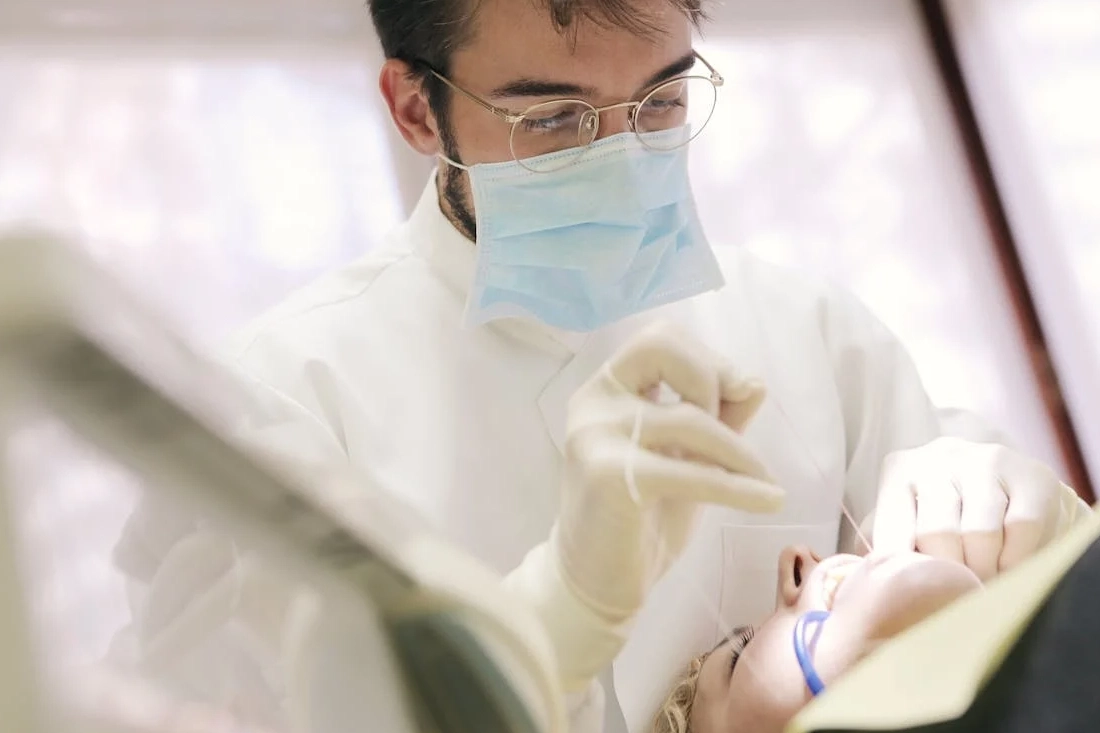
A root canal treatment is a dental procedure designed to treat infection or damage within the tooth’s pulp—the innermost part of the tooth that contains nerves and blood vessels. When the pulp becomes infected or damaged, it can cause severe pain and lead to further dental issues if left untreated. During a root canal treatment, your dentist will remove the infected or damaged pulp, thoroughly clean and disinfect the inner chambers of the tooth, and then fill and seal the space to prevent future infections. The tooth is then protected with a temporary filling or, later on, a permanent crown to restore function and appearance.
This procedure is essential for saving a damaged or infected tooth and restoring your oral health. Understanding the root canal treatment process can help you appreciate the importance of proper aftercare and ensure a smooth recovery.
How Long Does It Take to Recover from a Root Canal?

The short answer: most people feel significantly better within a few days, but full root canal recovery can take a little longer, depending on the individual. Many patients experience immediate relief from pain following a root canal procedure, with a quick onset of comfort being one of the key benefits of this treatment.
Right after your root canal treatment, it’s completely normal to experience moderate tenderness around the treated tooth. You might notice slight swelling in the soft tissue or sensitivity when chewing—again, totally expected. The average recovery period for most patients is around 2 to 5 days.
The First 24–48 Hours
You’ll likely experience some mild discomfort or tenderness around the affected tooth. Stick to soft foods like mashed potatoes, yogurt, or scrambled eggs. Avoid hard or crunchy foods and chewy foods that could put pressure on the tooth or dislodge the temporary filling.
The Next Few Days
As the healing process progresses, you should start to feel much better. Most root canals result in faster recovery when patients rest and follow their dentist’s advice. If you experience persistent pain or swelling after several days, contact your dental professional immediately.
Long-Term Healing
Once the permanent crown is placed, your treated tooth should feel just like your natural tooth again. The permanent restoration not only strengthens the tooth but also protects it from future damage or further infection.
Factors That Influence Healing Time
There’s no one-size-fits-all answer to how long your root canal recovery will take, but here are a few things that can affect it:
- Severity of the infection – A more severe infection or an inflamed pulp can slow down healing slightly.
- Extent of the procedure – If multiple roots were involved, healing time might be longer.
- Your overall health – A strong immune system supports faster recovery.
- Post-procedure care – Following your post-treatment instructions closely helps your tooth heal properly.
- Restoration type – A permanent crown placement completes the process and prevents further infection or damage.
Foods to Eat After a Root Canal

Your treated tooth and temporary filling are a little sensitive right now, so the goal is to stick to soft foods that are gentle on your mouth. Eating soft foods can aid in recovery and avoid aggravating any pain or sensitivity. Here are some of the best options:
1. Mashed Potatoes
Soft, warm, and easy to eat, mashed potatoes are a great choice for your recovery process. Bonus points if you add a little butter for extra comfort.
2. Scrambled Eggs
Packed with protein and super easy to chew, scrambled eggs are a go-to meal when your mouth is healing. They’re soft, filling, and won’t irritate your treated area.
3. Cooked Vegetables
Raw veggies? Nope. But steamed or roasted vegetables like carrots, squash, or zucchini? Absolutely. They’re easy on your teeth and full of nutrients to help your overall health.
4. Cottage Cheese & Soft Cheese
Dairy products like cottage cheese and soft cheese are gentle on your treated tooth while giving you a protein boost. Plus, they won’t mess with your temporary filling.
5. Soft Bread
Craving some carbs? Soft bread is safe to eat as long as you don’t go for the crusty, toasted kind. Just take small bites and chew on the opposite side of your treated area.
6. Dairy Products like Yogurt
Cool, creamy, and full of probiotics—yogurt is a perfect post-root canal therapy snack. Just avoid ones with fruit chunks, as those can be a little too chewy.
7. Warm Soup
Not too hot, not too cold—just right! Soups are a fantastic choice, especially broth-based or pureed soups like potato or butternut squash. Just let them cool a little before eating to avoid extreme temperatures.
Foods to Avoid After a Root Canal

Some foods are a big no-no after a root canal treatment because they can cause irritation, slow down your healing process, or even damage your temporary filling. Here’s what you should avoid eating:
1. Hard Foods
Anything that requires a lot of force to bite into—like nuts, popcorn, raw carrots, or ice—can be rough on your treated tooth. Avoid chewing these until you get your permanent crown.
2. Sticky and Chewy Foods
That means no hard candies, gum, caramel, chewy foods, or chewy bagels. These can pull at your temporary filling or get stuck around your treated area, causing unnecessary discomfort.
3. Crunchy Foods
Chips, pretzels, and even crunchy granola bars can be tough on your treated tooth. Stick to softer snacks instead.
4. Spicy Foods
We get it—some of us love spice. But after a root canal procedure, anything super spicy can cause irritation and discomfort. Save the hot sauce for later.
5. Acidic Foods
Citrus fruits, tomatoes, and anything highly acidic can be too harsh for your treated area, leading to extra sensitivity and discomfort.
6. Extreme Temperatures (Hot or Cold Foods)
The tissues around your treated tooth are still healing after your dental procedure, so anything too hot or cold can be uncomfortable. Try to keep your food at a mild, comfortable temperature.
7. Eagerly Rushed Bites
Okay, this isn’t a specific food, but it’s an important tip: Take it slow. Small bites and gentle chewing on the opposite side of your treated tooth will help prevent unnecessary discomfort.
Eating After a Root Canal: Tips and Precautions

Avoid Eating on the Treated Side
After undergoing a root canal procedure, it’s crucial to avoid eating on the treated side of your mouth. The temporary filling placed on your tooth may be sensitive, and chewing on that side can cause discomfort or even dislodge the filling.
To minimize pressure on the treated tooth and reduce the risk of complications, make a conscious effort to chew on the opposite side of your mouth. This simple precaution can significantly contribute to a smoother recovery and help you avoid unnecessary discomfort.
Choose Room Temperature Foods
When it comes to eating after a root canal, opting for room-temperature foods is a wise choice. Hot or cold foods can irritate the treated area, so it’s best to avoid them.
Instead, go for soft, room-temperature foods like scrambled eggs, mashed potatoes, and cooked vegetables. These foods are gentle on your mouth and can help alleviate any discomfort you might experience. By choosing the right foods, you can support your healing process and enjoy your meals without added pain.
Eat Slowly and Carefully
Taking your time while eating is essential after a root canal procedure. Avoid rushing through your meals, as this can put unnecessary pressure on the treated tooth and lead to discomfort. Instead, take small bites and chew slowly, making sure to avoid biting or chewing on the treated side. This mindful approach to eating will help prevent irritation and promote a smooth recovery.
Additionally, be selective with your food choices and steer clear of hard, sticky, or crunchy foods that could aggravate the treated area. By eating slowly and carefully, you can enjoy your meals while supporting your healing process.
How to Stop Throbbing Pain After a Root Canal

Many patients go through some level of pain after a root canal, ranging from mild discomfort to more persistent pain. While the procedure itself is done under local anesthesia, it’s common to experience some pain afterward. However, intense pain is not expected and should be monitored, as it may signal underlying issues that need prompt attention.
Why Does a Root Canal Cause Pain?
- Inflammation in the Surrounding Tissues – During a root canal, the tooth pulp, which contains nerves and blood vessels, is removed. This can cause irritation in the surrounding tissues, leading to throbbing discomfort.
- Post-Procedure Swelling – Your body’s natural healing process may cause swelling around the treated tooth, which can contribute to mild to moderate pain.
- Residual Infection – If there was a severe infection before the procedure, it may take some time for the affected area to heal completely.
- High Bite or Pressure on the Tooth – If the filling or crown placed after the root canal is slightly high, it can put extra pressure on the tooth, causing discomfort. Your dentist can adjust it in a quick visit.
1. Take Prescribed and Over-the-Counter Medications
Your dentist may recommend pain medications to manage post-procedure pain. Over-the-counter medications like ibuprofen or acetaminophen can help reduce pain and inflammation. If the pain persists, prescribed medications may be necessary. Take any medication exactly as directed.
2. Apply a Cold Compress
Using cold compresses, such as an ice pack on the outside of your cheek near the treated area for 15-20 minutes at a time, can help reduce swelling and relieve pain, especially during the first day or two. Be sure to wrap the ice pack in a towel to prevent direct contact with your skin.
3. Use Warm Salt Water Rinses
Rinsing with warm salt water (½ teaspoon of salt in a cup of warm water) helps reduce swelling, soothe irritation, and keep the area clean. Swish it gently in your mouth for about half a minute.
4. Keep Your Head Elevated
Lying flat can increase blood flow to the affected tooth, leading to more significant pain. Keeping your head elevated while resting or sleeping can help minimize discomfort.
5. Maintain Good Oral Hygiene
Remember to keep your mouth clean with good oral hygiene. Brush gently with a soft-bristled toothbrush and use a mild mouthwash to avoid further irritation.
6. Watch for Signs of Infection
If you experience persistent bad breath, worsening pain, swelling, or fever, it could be a sign of infection. Contact your dentist promptly to avoid further complications.
Root Canal Treatment in Oklahoma City

If you’re looking for expert root canal treatment in the Oklahoma City OK area, Dental Innovations is here to help. Our team makes sure you’re comfortable every step of the way, from the root canal procedure to your smooth recovery. Proper nutrition and eating habits are crucial for aftercare following root canals, as they can aid in recovery and enhance comfort during the healing process.
Other Tips for a Smooth Recovery
Besides eating the right foods, here are a few extra tips to keep your dental health on track after root canal therapy:
- Rinse with Warm Water: A gentle rinse with warm water (or salt water) can help keep your treated area clean and free from bacteria.
- Maintain Good Oral Hygiene: Keep up with brushing and flossing, but be gentle around your temporary filling.
- Avoid Chewing on the Treated Tooth: Give it a break until you get your permanent crown to prevent any damage.
- Rest Up: Give your body the downtime it needs for a faster recovery, and avoid strenuous activities for the first day or so.
- Keep Up with Your Checkups: Follow-up appointments and routine dental check-ups are important for monitoring your healing and preventing future issues.
- Follow Your Dentist’s Advice: Your dentist knows best—follow their aftercare instructions for the best results.
Follow-Up Appointments and Complete Healing

Attending follow-up appointments is a key step in ensuring your root canal recovery stays on track. After your root canal procedure, your dentist will schedule follow-up visits to monitor the healing progress of your treated tooth and the surrounding tissues. These appointments may include X-rays to check that the tissues surrounding the tooth are healing properly and that there are no signs of lingering infection.
While day-to-day soreness usually fades within a week or two, complete healing of the bone and tissues around the root can take several weeks to a few months, depending on the complexity of your root canal and your overall health. During this recovery process, it’s important to practice good oral hygiene by brushing and flossing gently, and to avoid hard or chewy foods that could stress the treated area. By keeping up with your follow-up appointments and following your dentist’s aftercare instructions, you’ll help ensure a smoother recovery process and support the complete healing of your tooth.
When to Call Your Dentist

While mild pain after a root canal is normal, prolonged pain or severe discomfort may indicate an issue that needs professional attention. Contact your dentist if you experience:
- Severe pain that doesn’t improve with medication
- Pain that persists for more than a few days or gets worse instead of better
- Swelling that continues to worsen, or persistent bleeding
- Signs of infection, such as pus, fever, or a foul taste in your mouth
- A loose or lost temporary filling
- A bite that feels high or uneven
- Tooth sensitivity that lingers
In some cases, a root canal fails due to persistent infection or improper healing, and additional treatment such as retreatment, or extraction and a dental implant, may be necessary. Your dental professional will help determine whether you need additional treatment, like an adjustment or another follow-up appointment.
Maintaining Good Oral Health After a Root Canal

Once your tooth has healed, maintaining proper oral hygiene is key to preventing future infections or dental issues. Brush twice daily with a soft-bristled toothbrush, floss carefully around the gum line, and use antimicrobial mouthwash to keep bacteria in check.
Avoid biting down on hard or crunchy foods like ice or nuts, as this could damage your new crown. Stick to routine dental cleanings and regular dental checkups to keep your smile strong and prevent future problems.
Remember, a root canal doesn’t just treat the infected tooth—it’s a way to restore your oral health and protect your natural teeth for years to come.
Eat Smart, and Heal Fast!
Recovering from a root canal doesn’t mean you have to starve—there are plenty of delicious soft foods you can enjoy while letting your treated tooth heal. Stick to the right foods to eat, and avoid foods that could cause trouble, and your recovery process will be a breeze.
And if you ever need expert root canal therapy or any other dental procedure, Dental Innovations has your back. Schedule your appointment today—we’ll keep your dental health in top shape!
This article is for educational purposes only and does not replace a dental exam or diagnosis. If you have pain, swelling, or other concerns, please contact a dentist or doctor.
Sources
- American Association of Endodontists – Root Canal Treatment
- American Association of Endodontists – Caring for Your Teeth After Endodontic Treatment
- American Dental Association – Root Canals (MouthHealthy)