Missing teeth can compromise more than just your smile—they can impact your ability to speak, chew, and feel confident. That’s where dental bridges come in. These custom restorations fill the gaps, restoring both function and appearance to your smile. But how are bridges made, and what options are available? From traditional styles to implant-supported bridges, crafting the perfect fit is a detailed process that only a dentist can expertly handle. At Dental Innovations in Oklahoma City, we’re here to guide you through the process, ensuring your new bridge feels natural, comfortable, and built to last. Let’s explore how these incredible restorations come to life!
Related Article: How Long Do Dental Bridges Last?
Types of Dental Bridges
When it comes to replacing missing teeth, dental bridges offer versatile options to restore your smile and maintain proper oral function. The type of bridge you need depends on factors like the number of missing teeth, the condition of your surrounding teeth, and your overall dental health. Let’s explore the various types of dental bridges, what they’re made of, and how they work to close the gap.
Traditional Dental Bridges
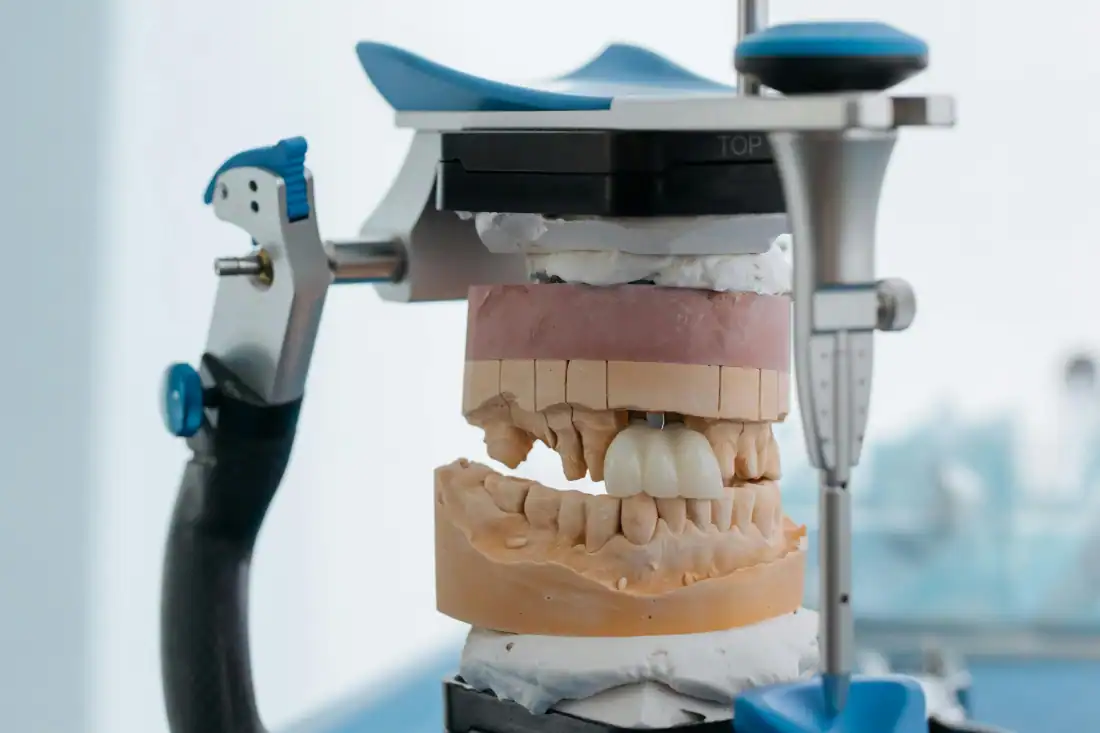
These are the most common type of dental bridges. They consist of a false tooth (or teeth) made of ceramic, porcelain fused to metal, or metal, held in place by dental crowns attached to the natural teeth on either side of the gap. A traditional dental bridge is durable and works well when there are healthy teeth available to anchor it.
Cantilever Dental Bridge
Cantilever bridges are similar to traditional bridges but are supported by a single adjacent tooth rather than two. The false tooth is typically made of ceramic or porcelain fused to metal for a natural look and reliable strength. These are less common and typically used when only one natural tooth is available for support.
Maryland Dental Bridge
Maryland bridges use a porcelain or metal framework to bond the false tooth to the back of adjacent teeth. The false tooth itself is often crafted from porcelain or ceramic to blend seamlessly with your natural teeth. This design is more conservative, as it doesn’t require altering the nearby teeth for crowns.
Implant-Supported Bridge
Implant-supported bridges are secured using dental implants instead of natural teeth. The bridge is typically made of porcelain, zirconia, or a combination of porcelain and metal, providing a realistic appearance and long-lasting performance. These bridges are an excellent choice for those missing several teeth in a row, offering superior stability and longevity. Implant-supported bridges also help preserve bone health in the jaw.
Each type of bridge serves a unique purpose and is selected based on your specific needs, giving you a tailored solution for restoring your smile.
Dental Bridge Procedure: Step by Step

Consultation and Assessment
Your journey begins with a detailed evaluation by your dentist, which may include X-rays and a review of your oral health. This step determines the suitability of a dental bridge and identifies the type that best fits your dental needs.
Preparation of Abutment Teeth
The teeth on either side of the gap, called abutment teeth, are shaped to accommodate crowns. For implant-supported bridges, the implant areas are carefully prepared for the procedure.
Take Dental Impressions
Your dentist will take impressions or digital scans of your teeth. These are sent to a dental laboratory to craft a bridge that matches your natural teeth in fit, shape, and color.
Temporary Bridge Placement
While the permanent bridge is being made, a temporary one is placed to protect the prepared teeth and help you maintain normal oral function.
Fitting and Adjustments
When the custom bridge is ready, your dentist will fit it in place, ensuring it aligns comfortably with your bite and feels natural. Adjustments are made during this phase to perfect the fit.
Permanent Placement
Once the fit is confirmed, the permanent bridge is securely bonded. For implant-supported bridges, it’s attached to the implants for a strong, durable solution.
Follow-Up and Care
Your dentist will provide instructions on how to care for your new bridge and may schedule follow-up visits to monitor its performance. Regular brushing, flossing, and check-ups will keep your bridge and overall oral health in great condition.
By knowing what to expect at every step, you can feel confident as you move forward with restoring your smile.
Dental Bridge vs. Implant
When it comes to replacing missing teeth, many patients weigh the benefits of dental bridges and implants. Both solutions offer effective ways to restore your smile, but they differ in process, longevity, and suitability.
Dental Bridges
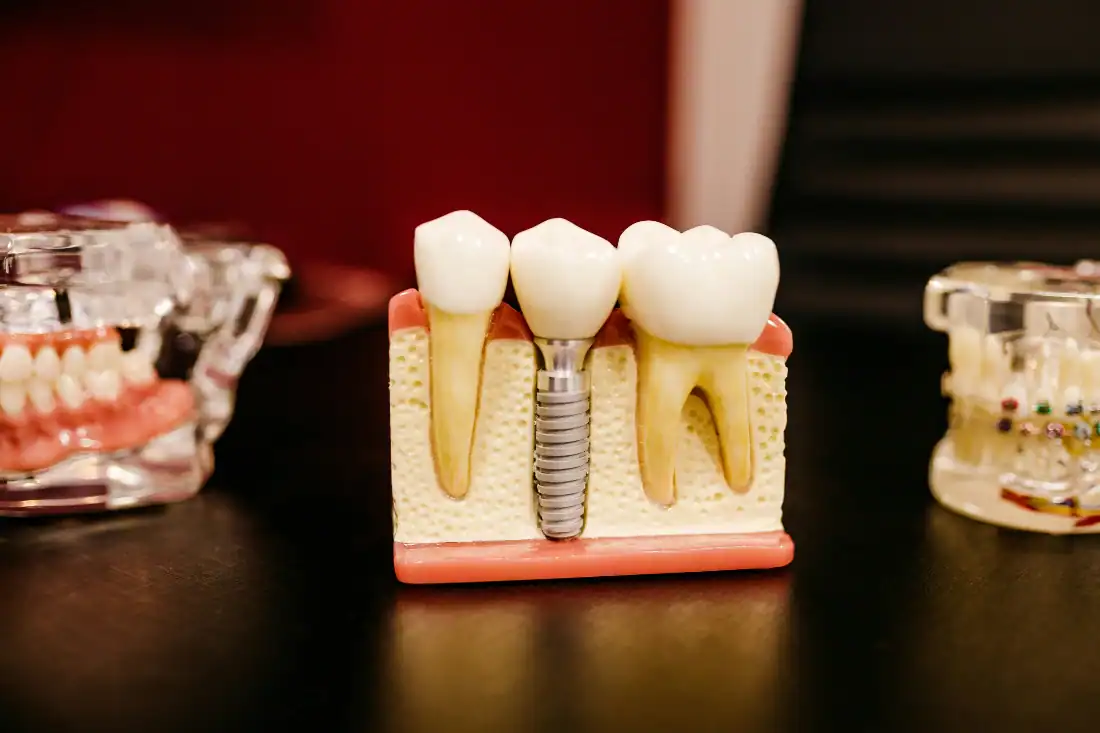
A dental bridge uses one or more artificial teeth to “bridge” the gap left by missing teeth. It relies on abutment teeth—natural teeth or implants—on either side of the gap for support. There are various types, including the traditional or cantilever bridge, which is commonly used when a single abutment tooth can stabilize the prosthetic.
While bridges are a less invasive option, you may wonder, Is a dental bridge painful? Mild discomfort may occur during preparation or after placement, but most patients find the process manageable. Bridges can also address gaps caused by tooth decay or damage but require healthy supporting teeth for long-term success.
Dental Implants
Implants replace missing teeth by anchoring a titanium post into the jawbone, which supports an artificial tooth. This option is often preferred for its durability and natural feel. Unlike a bridge, an implant doesn’t rely on nearby teeth, reducing stress on adjacent structures.
However, implants typically require a longer process involving surgery and healing time. Patients with limited bone density may need additional procedures before placement.
Which Is Right for You?
The decision between a dental bridge and an implant depends on factors like oral health, bone density, and personal preferences. Consulting your dentist will help determine whether a bridge or implant is the best solution for restoring your smile. Both options are effective ways to address tooth loss and regain confidence.
When to Get a Dental Bridge
Dental bridges are a versatile solution for replacing missing teeth, but how do you know when it’s the right time to consider one? Here are common situations where a bridge might be recommended:
Missing One or More Teeth

If you have a gap left by one or more missing teeth, a bridge can restore function and appearance while preventing the shifting of surrounding teeth.
Difficulty Chewing or Speaking
Missing teeth can affect your ability to chew certain foods or pronounce words clearly. A bridge helps restore proper oral function.
Preventing Tooth Shifting
Gaps in your smile can cause adjacent teeth to move out of alignment, leading to bite issues. A bridge keeps your teeth in place and maintains a balanced bite.
Tooth Decay or Damage
In cases where tooth decay or trauma results in the loss of a tooth, a bridge can replace the missing structure and restore your smile.
Protecting Jawbone Health
For those who cannot get an implant due to bone density concerns, a bridge offers a non-surgical way to address tooth loss and maintain a natural look.
When Dentures or Implants Aren’t Suitable
If you’re not a candidate for implants or prefer not to use removable dentures, a bridge provides a fixed and durable alternative.
Your dentist at Dental Innovations in Oklahoma City will evaluate your specific needs to determine if a dental bridge is the best solution for you.
Benefits of Dental Bridges
Dental bridges aren’t just about filling gaps—they’re about restoring your quality of life. With a well-crafted bridge, you can chew and speak more comfortably, maintain the shape of your face, and prevent your remaining teeth from shifting out of place. Whether you choose a traditional, cantilever, Maryland, or implant-supported bridge, the benefits extend far beyond aesthetics.
At Dental Innovations in Oklahoma City, we focus on personalized care to help you achieve the best results. Our team works closely with you to choose the right type of bridge and provides expert guidance every step of the way.
Replace Missing Teeth with a Customized Solution
Missing teeth can create challenges in your daily life, from difficulty eating to feeling self-conscious about your smile. Dental bridges are a time-tested solution designed to address these issues effectively. By filling gaps with artificial teeth supported by abutment teeth or implants, bridges restore balance to your bite and improve your overall dental health.
At Dental Innovations in Oklahoma City, we know every smile is unique. That’s why we take the time to understand your needs, recommend the most suitable bridge type, and provide care that prioritizes your comfort and satisfaction. Whether it’s a traditional bridge or an implant-supported option, replacing missing teeth with a tailored solution helps you regain your confidence and enjoy life to the fullest.
Bridge the Gap and Renew Your Smile

Missing teeth shouldn’t hold you back from living your best life. With options like dental bridges, you can restore your smile, enhance oral function, and protect your long-term dental health. At Dental Innovations in Oklahoma City, we specialize in creating personalized solutions to help you feel and look your best.
Don’t let missing teeth stand in your way—contact us to schedule an appointment today and let us guide you toward a brighter, healthier smile. Whether it’s choosing the perfect bridge or exploring additional restorative options, we’re here to bring your confidence back, one tooth at a time!





1 comment