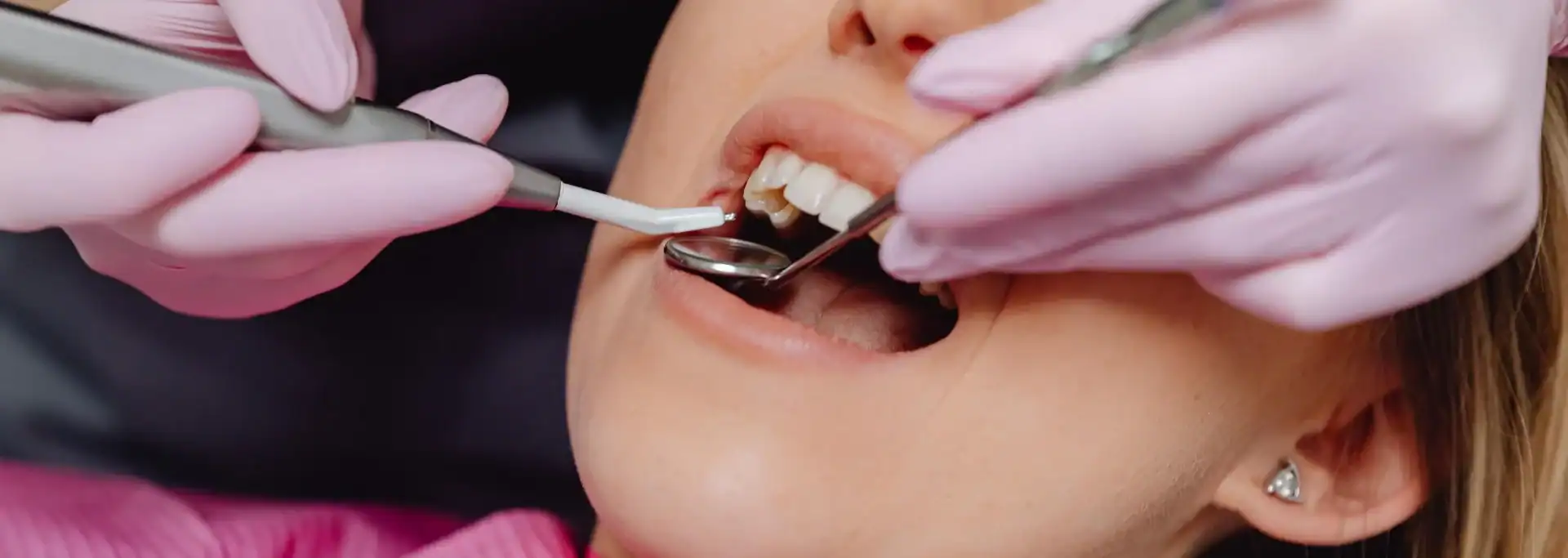
It usually starts with a dull ache at the back of your mouth. A few days later, the pain eases, and you think the problem has solved itself. Then… BOOM. Those sneaky suckers are back, pushing through your gums again and reminding you they haven’t gone anywhere. If that sounds familiar, you’re definitely not alone.
The good news is that wisdom tooth removal is one of the most common oral surgery procedures, and it doesn’t have to be as intimidating as you might think. Whether you’re dealing with pain, swelling, impacted wisdom teeth, or your dentist has recommended removing them before they create bigger dental problems, this guide will walk you through everything you need to know.
At Dental Innovations, we know that the thought of having wisdom teeth removed can be stressful. That’s why we’re here to explain what happens before, during, and after the procedure so you can feel informed and confident about your treatment.
What Are Wisdom Teeth and Why Do They Cause Problems?
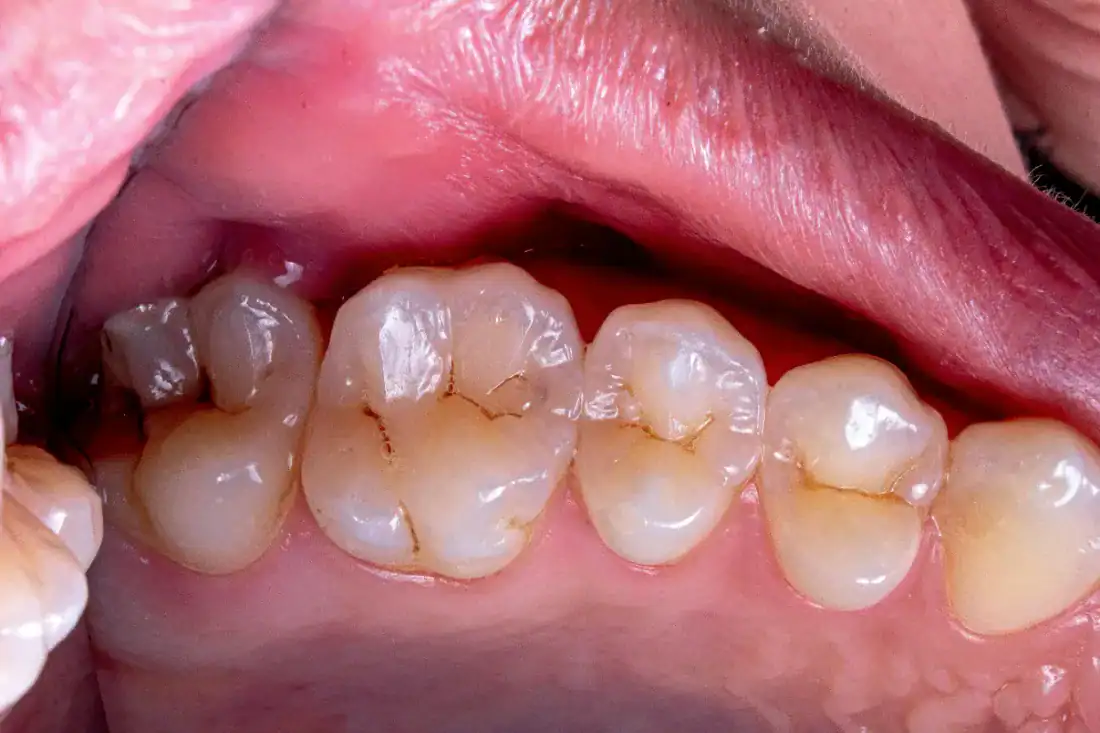
Wisdom teeth, also known as third molars, are the last teeth to develop. They typically begin to appear during the late teens or early twenties, usually between the ages of 17 and 25.
For some people, these last teeth come in without causing any issues. Not everyone is that lucky, though.
Because modern jaws are often smaller than those of our ancestors, there simply isn’t enough room for wisdom teeth to erupt properly. As they try to emerge, they may become trapped beneath the gums, grow at an angle, or press against other teeth, creating a variety of oral health concerns.
When this happens, a dentist may recommend teeth removal before more serious problems develop.
Signs It May Be Time for Wisdom Tooth Extraction
Not every wisdom tooth needs to be removed right away, but there are several warning signs worth paying attention to. Early evaluation often allows your dentist to treat the problem before it becomes more complicated.
Common symptoms include:
- Pain when chewing
- Persistent, severe pain at the back of the mouth
- Swollen or tender gum tissue
- Difficulty opening your mouth fully
- Jaw stiffness
- Bad breath that doesn’t improve with brushing
- Redness around the gum line
- Food becoming trapped around partially erupted wisdom teeth
Some impacted wisdom teeth only partially emerge, creating an opening where bacteria can collect beneath the gums. Over time, this raises the risk of gum disease, tooth decay, periodontal disease, and other dental problems affecting both the wisdom tooth and the nearby teeth.
Scheduling an early evaluation can help determine whether our wisdom tooth extraction is the best option before complications become harder to treat.
Why Are Some Wisdom Teeth Impacted?
An impacted wisdom tooth is one that can’t fully erupt into its proper position. Instead, it may remain trapped beneath the gums or lodged against another tooth. In fact, more than 85% of people experience impacted wisdom teeth, making it one of the most common reasons for oral surgery.
There are several types of impaction:
- Teeth growing sideways into neighboring teeth
- Teeth angled toward the back of the jaw
- Teeth trapped completely beneath the gums
- Teeth that only partially emerge through the surface
Besides being a painful condition, impacted teeth can lead to infections, damage surrounding structures, and even the development of a fluid filled sac around the tooth. Left untreated, this cyst can affect the surrounding bone and nearby tooth roots.
When Is Wisdom Teeth Removal Necessary?
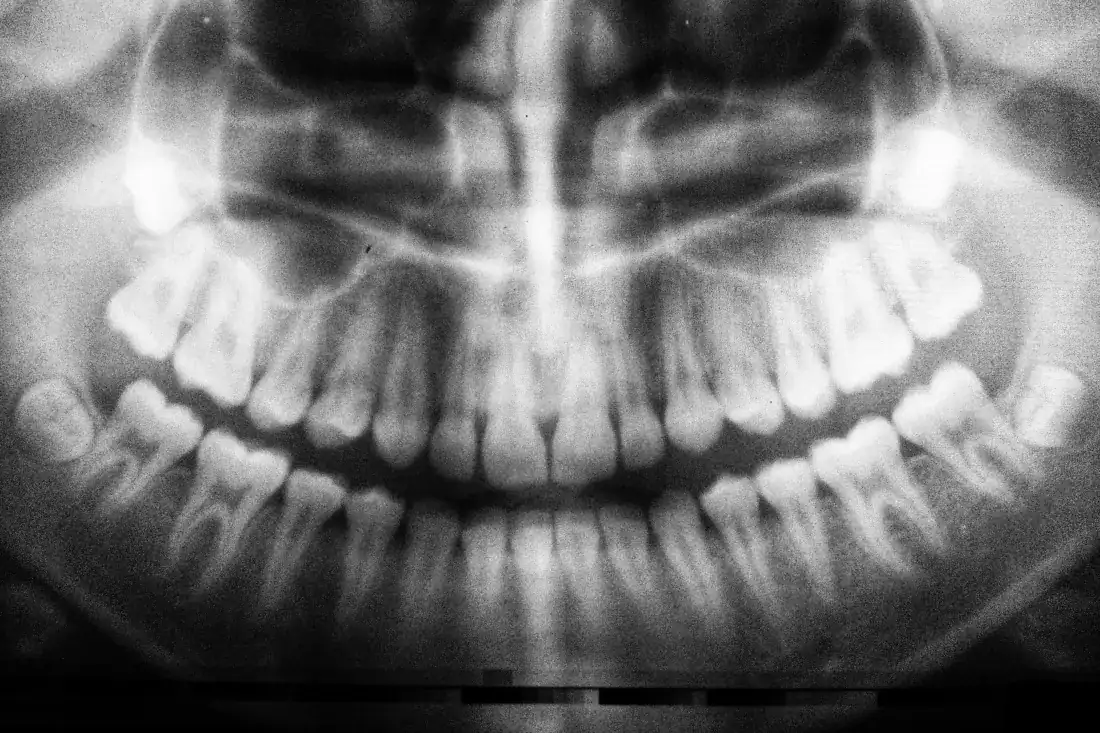
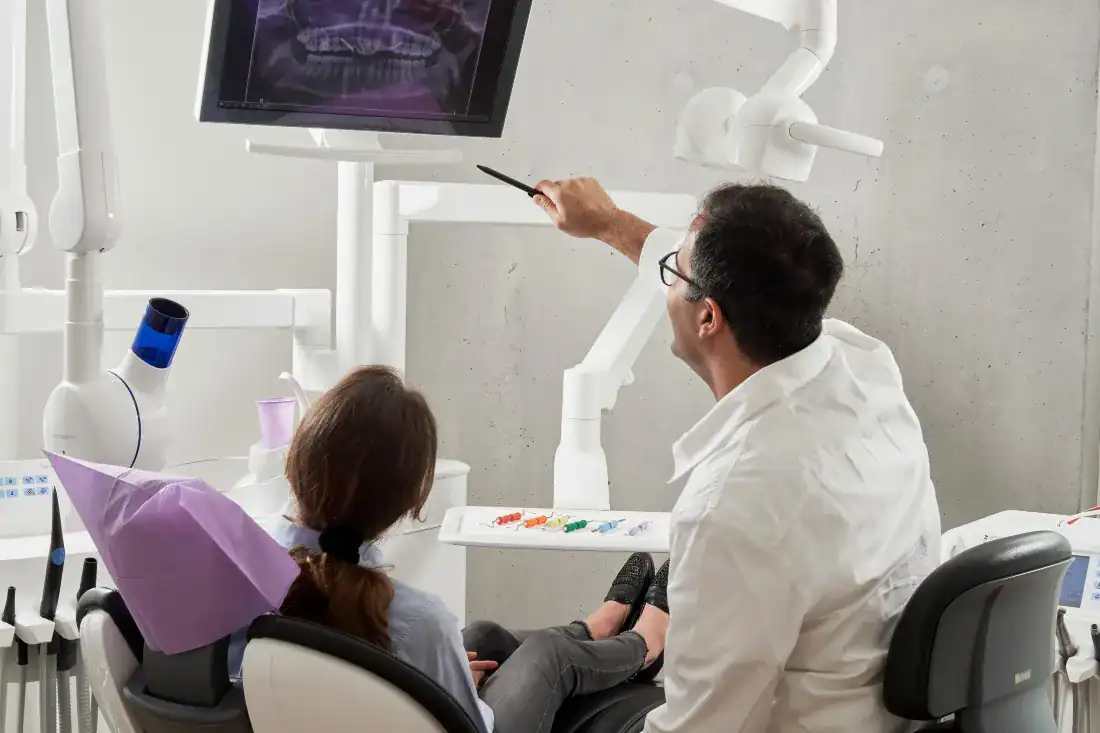
Your dentist won’t recommend removing your wisdom teeth simply because they’re there. The decision is based on your symptoms, X-rays, and whether the teeth are likely to cause future problems. Wisdom tooth removal is often recommended when teeth become impacted, repeatedly become infected, damage neighboring teeth, or are difficult to keep clean. In some cases, your dentist may even recommend removing healthy-looking wisdom teeth if imaging shows they’re likely to create problems later. Addressing the issue early often leads to a simpler procedure, a smoother recovery, and fewer long-term complications.
Who Performs Wisdom Tooth Extraction?
Simple wisdom tooth extractions can often be completed by a general dentist, but more complex cases are frequently referred to an oral surgeon. These specialists receive advanced training in oral and maxillofacial surgery and are experienced in removing deeply impacted teeth, treating teeth positioned close to major nerves, and performing more complex surgical extractions. They may also recommend advanced sedation or general anesthesia when appropriate.
Preparing for Your Wisdom Teeth Removal Appointment

A little preparation can make your procedure and recovery much easier. Before surgery, your dental team will review your medical history, discuss the procedure, walk through your anesthesia options, and provide detailed aftercare instructions.
Depending on the complexity of your case and your comfort level, anesthesia options may include:
- Local anesthesia, using a local anesthetic to numb the treatment area
- Laughing gas (nitrous oxide) to help you relax
- IV sedation for deeper relaxation while remaining comfortable
- General anesthesia for more complex surgical cases
The right choice depends on the position of your wisdom teeth, how many wisdom teeth need to come out, and your level of dental anxiety.
You’ll also receive instructions about eating before surgery, arranging transportation if sedation is used, and stocking up on soft foods, ice packs, and any prescribed medications for recovery.
What Happens During Wisdom Tooth Extraction?
Knowing what to expect can help make the procedure feel far less intimidating. Wisdom tooth extraction is a common procedure, and most patients return home the very same day.
The procedure typically takes between 45 minutes and an hour, depending on how many wisdom teeth need to be removed and whether they are impacted.
After your anesthesia has taken effect, your dentist or oral surgeon will:
- Make a small opening in the gum if the tooth is impacted
- Remove any bone blocking access to the tooth, if necessary
- Remove the tooth, sometimes in smaller sections
- Clean the tooth socket
- Place dissolvable stitches if needed
- Position gauze over the extraction site to control bleeding
Many patients are surprised that they don’t feel pain during the procedure. You may notice pressure or movement, but the anesthesia keeps the treatment area numb throughout your appointment.
Recovery After Wisdom Teeth Removal
Recovery looks a little different for everyone, but most patients begin feeling much better within about a week.
First 24 hours: Rest at home. Bite gently on the gauze to help the blood clot form. Apply an ice pack to reduce swelling. Avoid rinsing forcefully, smoking, or drinking through a straw.
Days 2 to 4: This is often when patients experience swelling and discomfort at its highest, with pain and swelling commonly peaking on the third or fourth day. Continue following your dentist’s instructions, stay hydrated, and focus on pain management.
After the first week: Most people can gradually return to normal activities and begin adding more foods back into their diet.
While the initial recovery usually lasts three to seven days, the full healing process, including healing gums and the underlying bone, continues for a few weeks.
What Can You Eat After Wisdom Teeth Removal?

Your mouth needs time to heal, so your diet plays an important role in recovery. A soft food diet is recommended for the first three to five days to help protect the extraction sites.
Good choices include:
- Yogurt
- Applesauce
- Mashed potatoes
- Smooth soups
- Scrambled eggs
- Oatmeal
- Cottage cheese
- Smoothies eaten with a spoon
As your comfort improves, you can slowly add more solid foods back into your diet. Avoid crunchy snacks, nuts, popcorn, chips, and anything that requires you to eat hard or chew aggressively until your dentist says it’s safe.
What Is Dry Socket?
One of the most well-known complications after wisdom teeth removal is dry socket.
After a tooth is removed, a protective blood clot naturally forms inside the extraction site. This clot shields the underlying bone and nerves while your mouth heals. If the clot comes away too early or is accidentally dislodged, the bone underneath is left exposed, resulting in the painful condition known as dry socket.
Symptoms may include:
- Severe, throbbing pain several days after surgery
- Pain that spreads toward the ear or jaw
- An empty-looking socket
- Bad breath or an unpleasant taste
Following your dentist’s instructions carefully and avoiding straws, smoking, and vigorous rinsing helps promote healing and lowers your risk of developing dry socket.
When Should You Call Your Dentist?
Some swelling, soreness, and mild bleeding are completely normal after oral surgery. Surgical complications are uncommon, but certain unusual symptoms should be evaluated promptly.
Contact your dentist if you experience:
- Heavy bleeding that doesn’t slow down
- Fever or chills
- Increasing swelling after several days
- Pus or other signs of a bacterial infection
- Severe pain that isn’t improving
- Difficulty swallowing or breathing
Early treatment helps prevent bigger problems and supports a smoother recovery. Your dental team may also recommend a follow up appointment to check your healing and answer any remaining questions.
How Much Does Wisdom Tooth Removal Cost?
The cost of wisdom tooth removal depends on several factors, including how difficult the extraction is and whether the teeth are impacted.
In general:
- Impacted wisdom teeth usually cost more to remove than fully erupted teeth.
- Most patients are charged on a per-tooth basis.
- Many dental insurance plans cover a portion of the procedure.
- Your consultation includes a personalized treatment plan and a detailed estimate of your expected costs and insurance benefits.
The best way to understand your treatment costs is to schedule an evaluation, where our dentist can review your X-rays and go over tooth extraction services.
Wisdom Teeth Removal FAQs
It’s normal to have questions before scheduling wisdom tooth removal. Here are answers to some of the concerns we hear most often from patients at Dental Innovations.
How long does it take to recover after wisdom teeth are extracted?
Most patients feel much better within 3 to 7 days, with many returning to work, school, or other normal activities after three to five days. The complete healing process, including the gums and underlying bone, usually takes one to two weeks from start to finish.
How can I manage pain after wisdom tooth removal?
Your dentist will give you personalized instructions for pain management. Taking medication as directed, applying an ice pack to reduce swelling, and sticking to soft foods during the first few days all help make recovery more comfortable.
What is the best way to care for the surgical site?
Follow your dentist’s aftercare instructions closely, skip smoking or drinking through a straw, and rinse gently only when advised. Protecting the blood clot lets the area heal properly and lowers the risk of complications.
Is temporary numbness normal after wisdom tooth removal?
It can be. When lower wisdom teeth sit close to major nerves, temporary numbness sometimes follows surgery. Permanent nerve damage is uncommon, and your dentist or oral surgeon will review your X-rays beforehand and talk through any risks specific to your case.
Will I be awake during wisdom tooth removal?
Not always. Many patients have their wisdom teeth removed under local anesthesia, while others choose IV sedation or laughing gas to help them relax. Your dentist will recommend the option that fits the procedure’s complexity and your comfort level.
Where can I learn more about wisdom tooth removal?
Your dentist is always the best source of information for your individual treatment plan. Organizations like the Oral Health Foundation also offer helpful patient education resources, but your dentist’s advice should come first since it’s based on your specific oral health needs.
Wisdom Teeth Removal in Oklahoma City

If your wisdom teeth are causing pain, swelling, or other dental concerns, you don’t have to wait for that dull ache to come roaring back. At Dental Innovations, we provide comfortable, patient-focused wisdom tooth removal for families throughout Oklahoma City. From your initial consultation to your final follow-up, our team is here to answer your questions, explain your treatment options, and help make the experience as smooth as possible.
If you’re ready to find out whether it’s time to have your wisdom teeth removed, contact Dental Innovations to schedule your consultation today.