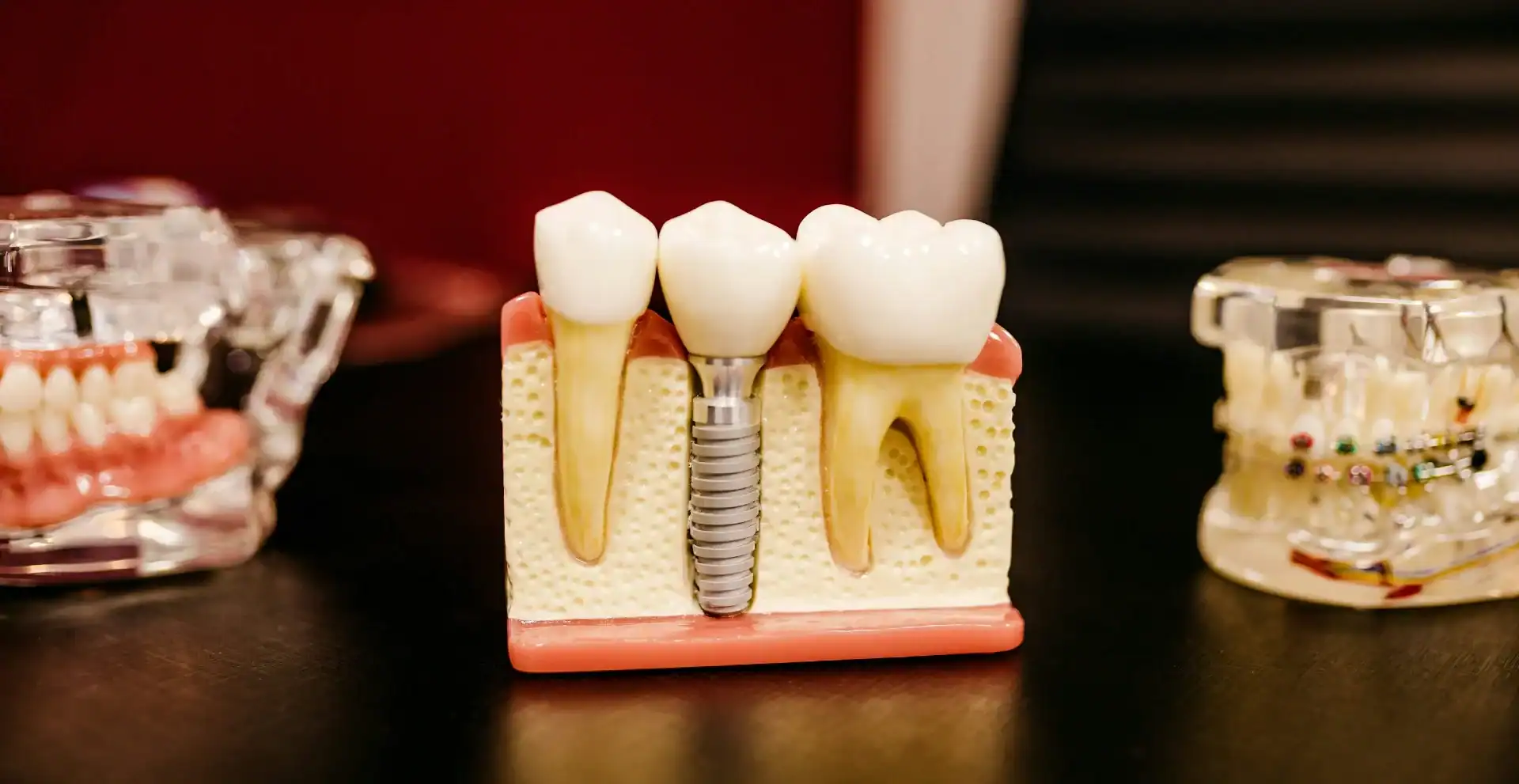
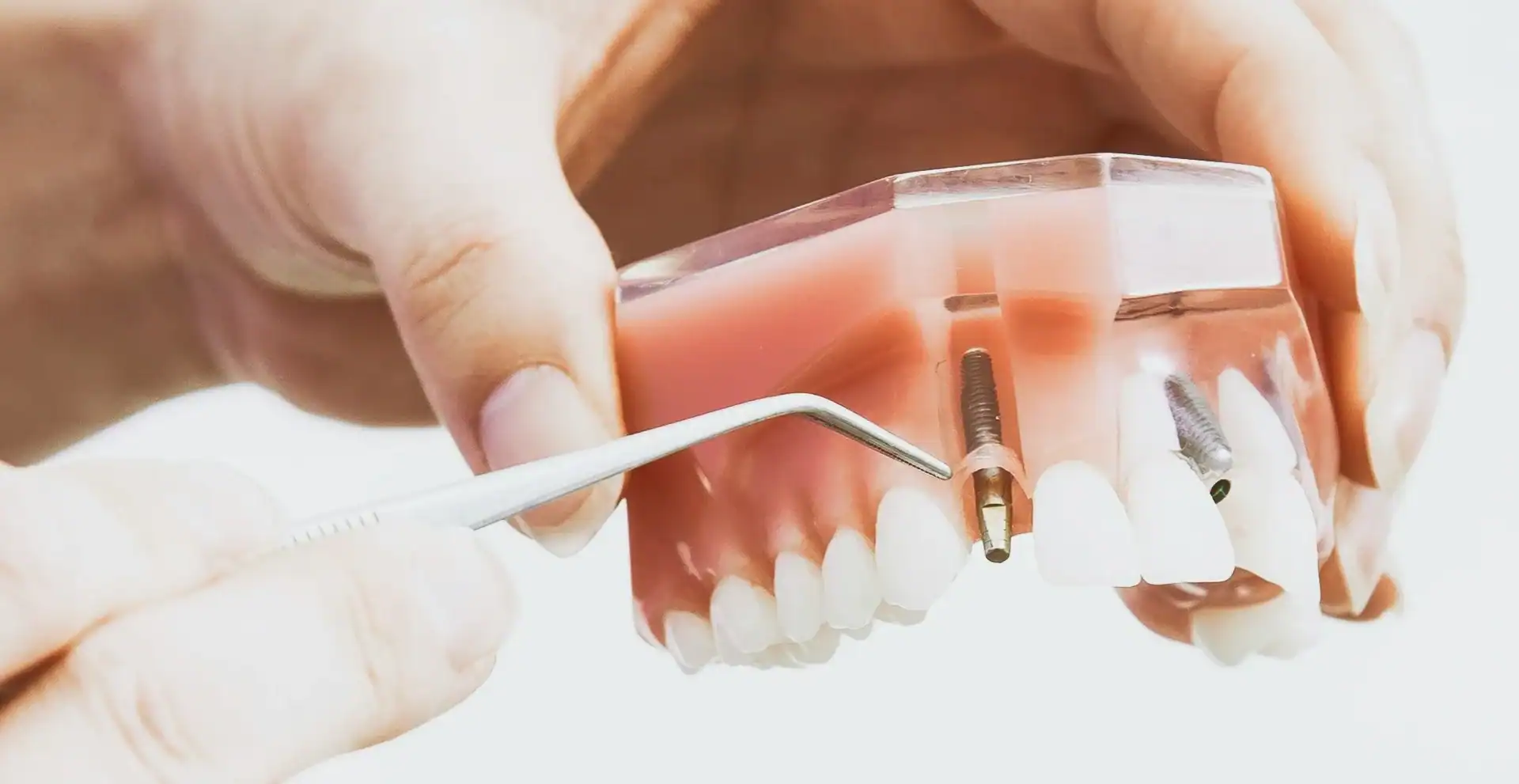
Thumb sucking and pacifier use are familiar parts of childhood. For babies, sucking is a natural reflex, and many infants use a thumb, fingers, or a baby’s pacifier for self-soothing or to fall asleep. In most cases, these habits are nothing to worry about early on. The concern comes when thumb sucking or prolonged pacifier use continues frequently and with strong pressure for a long period, because it can begin to affect a child’s teeth, bite, palate, and jaw growth.
Teeth damage from thumb sucking may include upper front teeth that begin to protrude, an anterior open bite, a posterior crossbite, or changes to the roof of the mouth. Similar changes linked to constant pacifier use are sometimes described as pacifier teeth. The risk depends largely on how often the child sucks, how intense the sucking habit is, and how long it continues as the baby teeth give way to permanent teeth.
Most children gradually stop these habits on their own and never develop significant dental problems. Still, when a child’s thumb sucking habit or pacifier use continues into the preschool years, it is worth paying closer attention to how the upper and lower teeth are developing.
At Dental Innovations, we help parents understand what is normal, which changes in a child’s mouth are worth watching, and when a dentist may need to step in. In this guide, we’ll explain what thumb sucking and pacifier use can do to the teeth and jaws, when these habits become more concerning, whether bite changes can improve after the habit stops, and how parents can help their child break the habit in a positive, practical way.
What Does Teeth Damage From Thumb Sucking Look Like?
A child may suck a thumb or use finger sucking to relax or fall asleep. In the early years, that alone usually is not a problem.
Concern grows when a child’s thumb sucking habit continues frequently. Repeated pressure can affect the upper and lower teeth and developing jaws. With oral habits, duration matters, along with how frequently and intensely a child sucks. The upper teeth may tip forward while the lower teeth tip inward. When the front teeth protrude excessively, dentists call this increased overjet. Many parents know the appearance as “buck teeth.”
Protruded front teeth are also more exposed to falls and bumps, which can increase their risk of injury or dental trauma. The American Association of Orthodontists notes that prolonged thumb sucking or constant pacifier use can increase the risk of trauma to the protruded front teeth.
Thumb sucking habits can also contribute to an anterior open bite, where the top teeth and lower teeth do not meet when the mouth closes, or a posterior crossbite. Changes to the roof of the mouth may occur as well. The American Academy of Pediatric Dentistry (AAPD) notes that oral habits of sufficient frequency, duration, and intensity are associated with increased overjet, open bite, posterior crossbite, and other dentoalveolar or skeletal changes. Prolonged sucking is more concerning than an occasional thumb in the mouth.
What Are Pacifier Teeth?

“Pacifier teeth” is an informal term parents sometimes use for dental changes associated with prolonged pacifier use. Because a pacifier sits between the upper and lower teeth, constant pacifier use can influence tooth position, the palate, and jaw growth over time.
Pacifier use that continues beyond the toddler years has been associated with dental characteristics such as an anterior open bite and posterior crossbite. Duration appears to make a meaningful difference. One older study found malocclusion in roughly 71% of children who continued pacifier use or digit sucking beyond 48 months, compared with about 14% of children who stopped before 24 months.
That does not mean every child who uses a pacifier after age 4 will develop misaligned bites. It does show why reducing prolonged pacifier use as a child gets older can be helpful.
Pacifier use after 12 months has also been associated with a higher risk of acute otitis media, or middle-ear infection. Depending on your child’s age and habits, your dentist, pediatrician, or family physician may recommend gradually reducing pacifier use.
When Should Thumb Sucking or Pacifier Use Stop?
There is no need to rush a baby away from a natural sucking reflex. Most children gradually stop thumb sucking or pacifier use as they get older.
For longer-lasting habits, current pediatric dental guidance encourages families to work toward discontinuing nonnutritive sucking by around 36 months of age. If thumb sucking continues after age 3, it is a good idea to bring it up with your child’s dentist. Persistent sucking around age 4 deserves even closer attention, particularly if the front teeth protrude or you can already see changes in the bite.
Pacifier use can begin affecting developing oral structures earlier, so reducing frequent use during the toddler years can be helpful. Parents might first lessen daytime use, then reserve the pacifier for naps or bedtime before eventually removing it altogether. How often the child sucks, how forceful the habit is, and how long it continues are all important.
Can these Dental Issues Correct Themselves?
Sometimes. If the sucking habit stops early enough, certain changes in the primary dentition may improve as the child grows and permanent teeth begin to erupt. Other dental characteristics can persist and eventually lead to orthodontic treatment. Also, some changes associated with sucking habits may remain even after the habit ends, which is one reason early monitoring is helpful.
A pediatric dentist can evaluate the child’s mouth, upper teeth, lower teeth, bite, palate, and jaws. At Dental Innovations, our early dental care includes monitoring tooth development and alignment as children grow.
If your child has crooked teeth, significant overjet, an open bite, or a crossbite, bring it up during an exam. Jaw pain, gingival recession, or other oral conditions should also be evaluated rather than assumed to come from the sucking habit.
Baby Teeth Still Need Daily Care
Baby teeth matter even though adult teeth eventually replace them. The primary dentition helps children chew and speak while guiding permanent teeth into position.
Thumb sucking itself is not tooth decay, and pacifiers do not automatically cause pediatric cavities. When it comes to cavities, sugar exposure is the bigger concern. Never dip a baby’s pacifier in honey, syrup, or other sweet substances. Repeated sugar exposure can encourage cavities, and honey should not be given to infants because of the risk of infant botulism.
Proper hygiene also limits plaque buildup. At Dental Innovations, early dental care includes exams, cleanings, fluoride treatments, dental sealants, and oral hygiene education to help prevent tooth decay and avoid dental problems as children grow.
Keep pacifiers clean, and replace them if they become cracked, torn, or worn. Do not share pacifiers or “clean” one with your own mouth, and replace a damaged pacifier instead of letting a child suck on a worn foreign object.
How Can You Help Your Child Break the Habit?
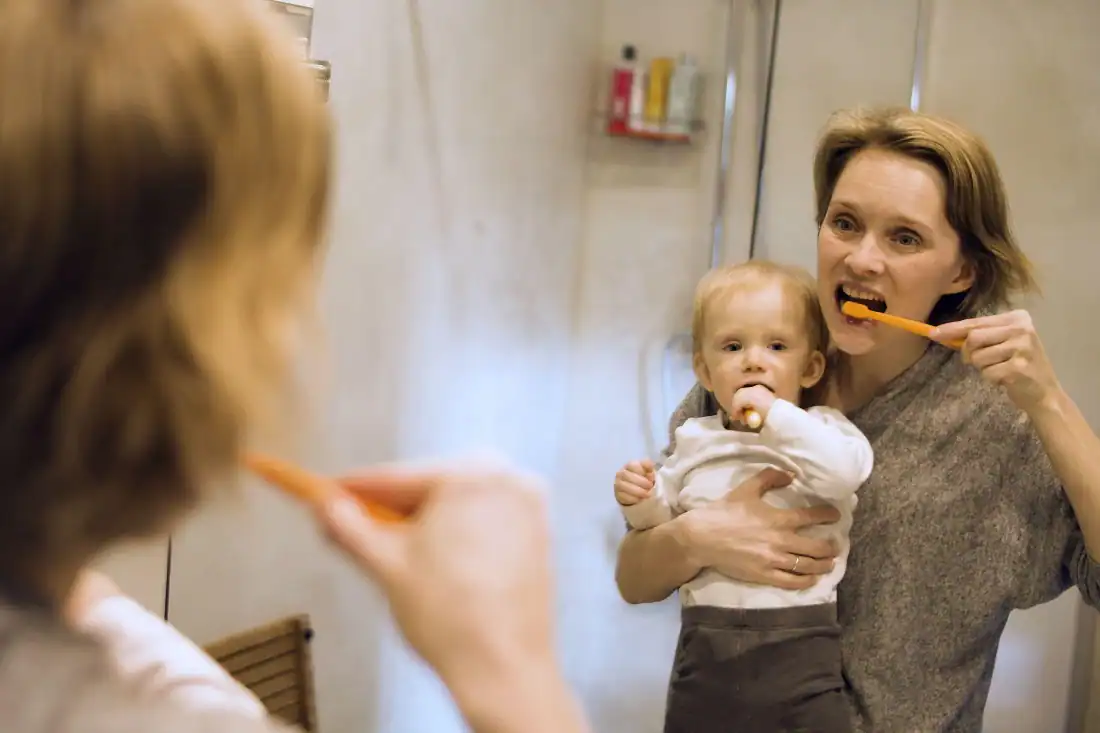
Most kids respond better to encouragement than pressure. Notice when your child sucks a thumb or asks for a pacifier. Knowing whether the trigger is boredom, stress, tiredness, or bedtime makes it easier to find a natural way to replace the comfort.
For thumb sucking, try gentle reminders and praise rather than punishment. For pacifier use, reduce how often it is available—perhaps keeping it out of playtime before limiting it to naps or bedtime.
If the habit is difficult to break, your child’s dentist can help. Sometimes a simple explanation motivates an older child. In other cases, treatment may include behavior guidance or an appliance. The goal is not to make the child feel bad about a natural habit but to help them move away from it before it creates more significant bite problems.
When Should You See a Dentist?

Schedule a dental visit if thumb sucking or prolonged pacifier use continues into the preschool years, or sooner if you notice teeth protrude, an open bite, crossbite, or other changes in your child’s mouth.
At Dental Innovations, our family dental team provides pediatric dentistry and early dental care for kids, including first visits, preventive care, fluoride treatments, dental sealants, oral hygiene education, and monitoring of developing teeth. These visits also give parents a chance to ask questions about sucking habits, tooth development, and anything else they notice as their child grows.
Frequently Asked Questions
Can Thumb Sucking Permanently Damage Teeth?
It can contribute to lasting bite changes when frequent, forceful sucking continues for years. Ending the habit earlier gives developing teeth and jaws more opportunity to adjust.
Do Pacifier Teeth Go Back to Normal?
Some changes can improve after pacifier use ends, especially while a child still has baby teeth. More established misaligned bites may require monitoring or treatment.
Is Thumb Sucking Worse Than Pacifier Use?
Both can affect teeth when prolonged. A pacifier is often easier for parents to remove, while a child’s thumb and fingers are always available.
At What Age Should I Worry About Thumb Sucking?
If thumb sucking continues after age 3, mention it to your child’s dentist. By around age 4, persistent and forceful thumb sucking deserves closer attention, particularly if you notice changes in the front teeth, an open bite, or other bite problems.
Helping Your Child’s Smile Grow Well
Thumb sucking and pacifier use are normal parts of infancy for many families. What matters most is how long and how often the habit continues.
If you are concerned about teeth damage from thumb sucking, prolonged pacifier use, or changes in your child’s bite, contact us at (405) 691-0877, and we can take a closer look and help you understand what, if anything, needs attention. Our goal is to help children grow into healthy smiles with comfortable, preventive care and guidance that makes sense for parents.