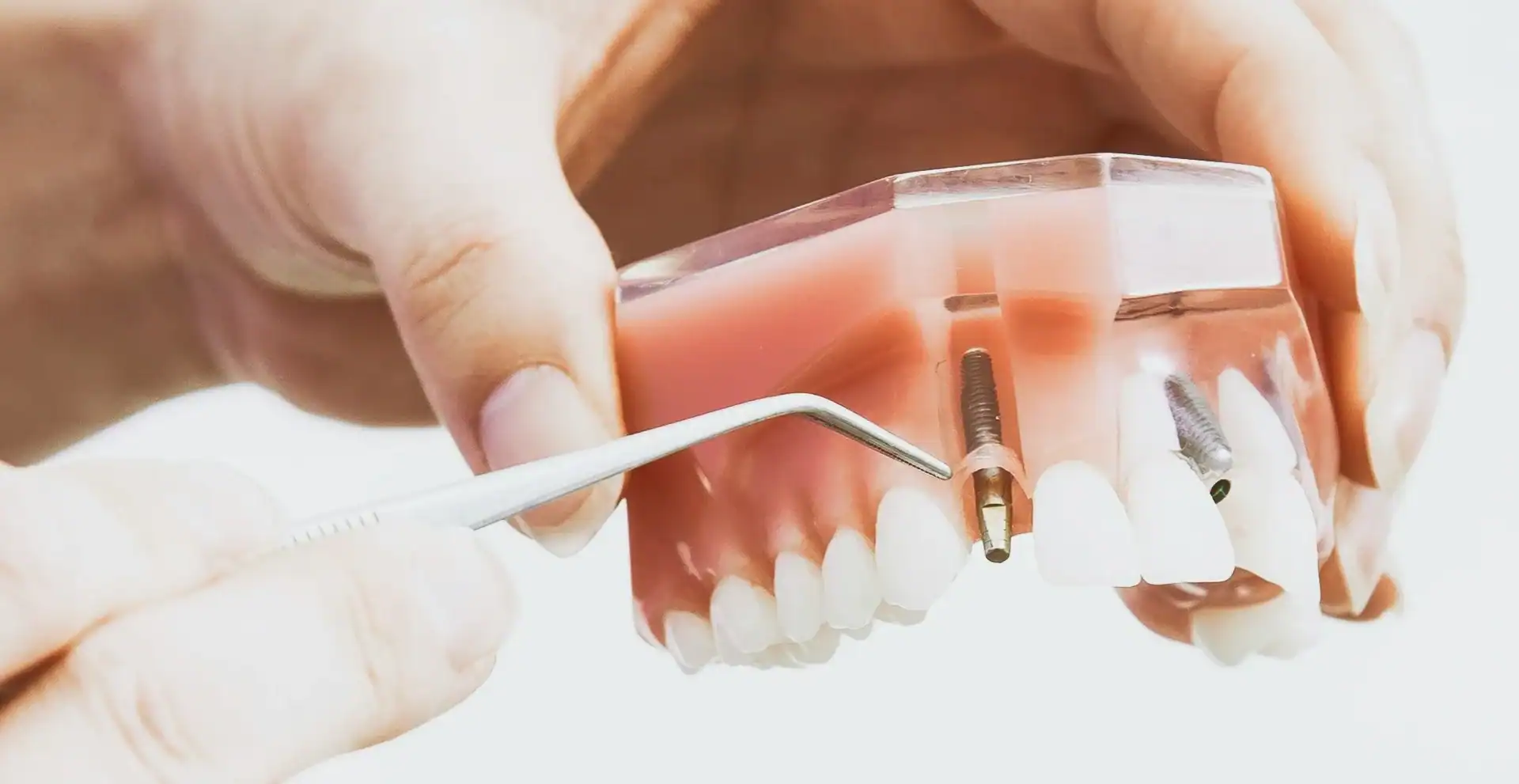
Finishing orthodontic treatment is one of the most exciting milestones in a patient’s smile journey. After months (or years) of braces or Invisalign treatment, your teeth are finally straight, your bite feels balanced, and you’re ready to show off your new smile with confidence. But at Dental Innovations, we always tell our patients that the day your braces come off isn’t the finish line. It’s actually the start of a new phase called retention, and wearing retainers after braces is what protects everything you and Dr. Shirley’s team worked so hard to achieve.
We know it can be tempting to think that once teeth are straight, they’ll stay that way forever. Unfortunately, that’s not how the mouth works. Teeth are not fixed permanently in the jawbone. They sit in a bed of ligament and bone that allows for constant, subtle movement throughout life. Without a retainer, teeth tend to drift back toward their original positions, sometimes within just weeks of finishing braces treatment. In fact, research shows that about 50% of patients experience some degree of orthodontic relapse within the first year if they stop wearing their retainer as directed. That first year is genuinely the highest-risk period, which is exactly why our team at Dental Innovations puts so much emphasis on retainer wear from day one.
Why Retainers Matter So Much After Orthodontic Treatment
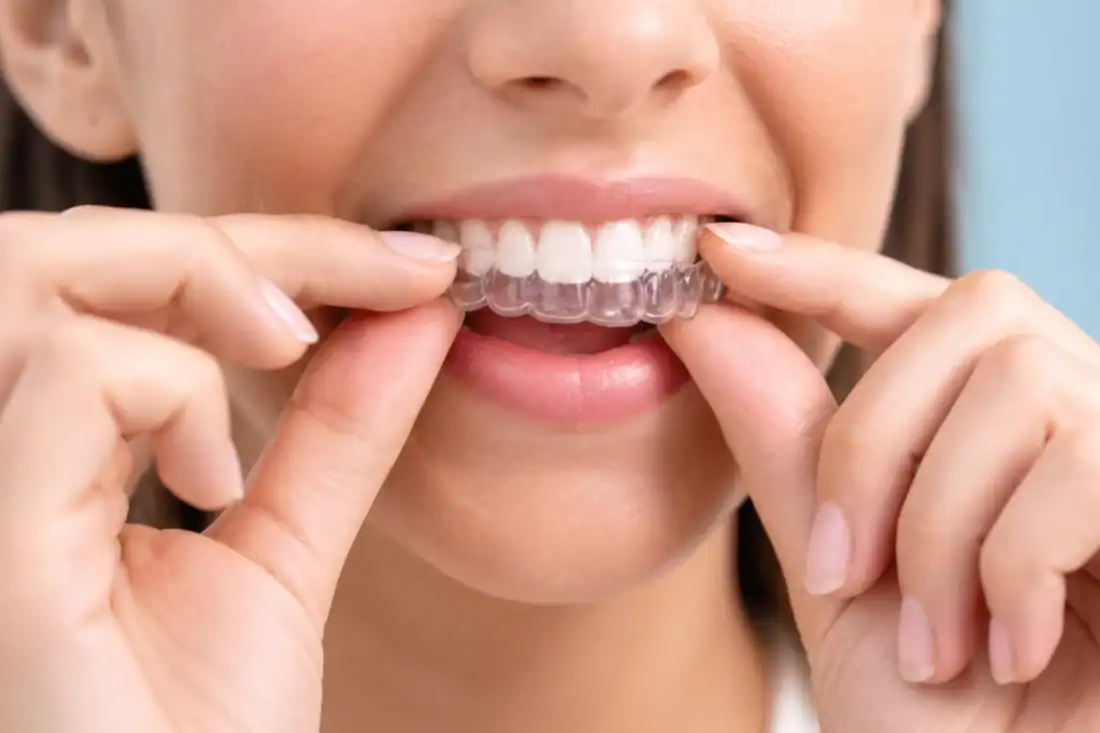
Orthodontic relapse is the term used to describe teeth shifting back toward their original positions after braces or clear aligners are removed. It happens because the gums, bone, and surrounding tissues need time to stabilize around your newly straightened teeth. Retainers hold your teeth in their new positions while that healing process takes place. Skip this step, and you risk undoing months or years of orthodontic care, sometimes requiring additional treatment like braces again to correct the unwanted movement.
This is one of the reasons our orthodontic patients hear us talk about retainers just as much as we talk about braces or Invisalign aligners. A beautiful, straight smile is only half the story. Holding teeth in their correct position for the long term is what actually makes the results last, and it’s a responsibility that continues well after your last orthodontic appointment.
Types of Retainers We Offer
Not all retainers are the same, and the right retainer depends on your treatment plan, your bite, and your lifestyle. Dr. Shirley and our team provide personalized guidance to help every patient choose the option that fits their needs. Generally speaking, there are three main types of retainers: removable retainers, fixed retainers, and clear plastic retainers, and many patients use a combination of two.
Hawley Retainers: Hawley retainers are one of the most recognizable types of retainers. They feature a metal wire that wraps around the front teeth, combined with an acrylic base that’s molded to fit the roof of your mouth or the inside of your lower teeth. One major advantage of Hawley retainers is that they can be adjusted by the orthodontist as needed, which is helpful if minor tweaks are required after braces treatment. They’re also durable and built to last for years with proper care.
Clear Retainers: Clear retainers, sometimes called clear plastic or Essix-style retainers, are made from a thin, flexible material that fits snugly over the entire arch of teeth, similar to Invisalign aligners. Many patients love clear retainers because they’re nearly invisible, making them a discreet way to protect their orthodontic results without drawing attention. Since they’re made of clear plastic, they can wear down over time and may need replacement every few years, especially with daily use.
Fixed or Bonded Retainers: A fixed retainer, also known as a permanent retainer or bonded retainer, is a thin wire that’s bonded directly to the back of the front teeth, usually the lower front teeth or upper teeth, and stays in place around the clock. Because fixed retainers provide constant support without relying on the patient to remember to wear it, they’re often used for lower teeth that are at higher risk of shifting. The trade-off is that bonded retainers require a bit more diligence when it comes to brushing, flossing, and preventing plaque buildup around the wire.
Whichever type of retainer you’re prescribed, most orthodontists agree on one thing: consistency is everything.
How Long Should You Wear Your Retainer?
One of the most common questions we hear at Dental Innovations is exactly how long patients need to wear retainers after braces or Invisalign treatment. The honest answer is that it depends on your individual case, but here’s the general pattern most orthodontic patients can expect.
In the first three to six months after treatment, most patients need to wear their retainer full time, roughly 20 to 22 hours a day, removing it only to eat, brush, and floss. This early period is when the surrounding bone and gum tissue are adapting to your teeth’s new positions, so consistent retainer wear is critical to prevent relapse.
After that initial phase, most patients transition to nighttime wear only, slipping their retainer in each evening to keep their smile straight while they sleep. For many patients, this nighttime wear continues indefinitely. Teeth can continue to shift throughout life due to natural aging, so long-term or even lifelong retainer use is often the best way to keep teeth stable for good. Your orthodontist will let you know exactly what schedule fits your needs, and it’s important never to stop wearing your retainer without checking in first, even if your teeth look and feel straight.
Caring for Your Retainer the Right Way
Proper care keeps your retainer working well and helps protect your oral health at the same time. Here’s what we recommend to our patients:
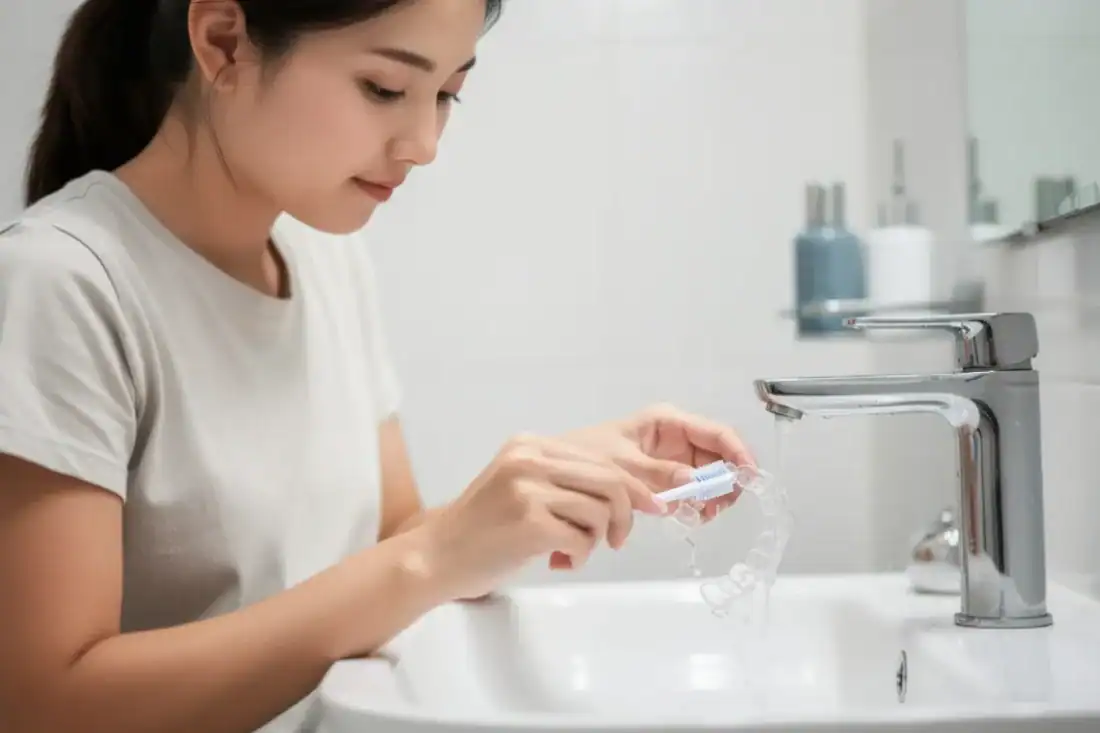
- Clean removable retainers daily with a soft toothbrush and mild soap, not toothpaste, which can be too abrasive for some retainer materials.
- Avoid hot water when cleaning or storing your retainer, since heat can warp clear plastic and acrylic, ruining the fit.
- Store your retainer in its protective case whenever it’s not in your mouth to avoid loss or damage.
- For fixed retainers, use a floss threader or orthodontic floss to clean around the wire and prevent food particles and plaque buildup, which can lead to gum disease if ignored.
- A little baking soda mixed with water can help remove stubborn buildup on removable retainers, but always check with our team before trying a new cleaning method.
If your retainer feels tight when you put it back in after a few missed days, that can be an early sign your teeth have already started to shift. Reach out to us right away rather than waiting, since catching movement early makes it much easier to correct.
When It’s Time for a New Retainer
Retainers don’t last forever. If yours becomes cracked, worn, or no longer fits snugly, it’s time for a new retainer rather than pushing through with a damaged one. Continuing to wear a broken retainer, or going without one entirely, puts your smile at risk of unwanted movement and can undo the results of your entire orthodontic journey.
Frequently Asked Questions
Do I really have to wear a retainer forever?
For many patients, some level of long-term retainer wear, even if it’s just a few nights a week, is the best way to prevent relapse permanently. Modern retainers are comfortable and easy to fit into a nightly routine, so most patients adjust quickly.
Can I switch between retainer types?
Sometimes. If your removable retainer is lost or damaged, our team can walk you through whether a Hawley retainer, a clear retainer, or a bonded option makes the most sense for your upper and lower teeth going forward.
What if I already stopped wearing my retainer years ago?
Come see us. Depending on how much movement has occurred, we may be able to fit you with a new retainer, or we may recommend a short round of Invisalign aligners to gently guide teeth back before fitting a fresh retainer.
At the end of the day, your retainer is one of the simplest, most affordable ways to protect the investment you made in your orthodontic care. Trust the team at Dental Innovations to provide personalized guidance every step of the way, so your smile stays as straight and healthy as the day your braces came off.
Trust Your Retention Plan to Dental Innovations
At Dental Innovations, protecting the results of your braces or Invisalign treatment is just as important to us as achieving proper alignment in the first place. Dr. Mark D. Shirley and our team are here to guide you through every stage of your orthodontic care, from your first consultation to years of retainer checkups down the road. We’ll help you choose the right retainer, make sure it fits comfortably, and answer any questions about wear time, insurance coverage, or replacement options along the way.
If your retainer needs an adjustment, if it’s lost or damaged, or if you simply have questions about keeping your teeth straight for life, give our Oklahoma City office a call. We’re proud to help patients throughout our community protect their smiles long after their braces come off. Contact us today!