A brighter smile can boost confidence, but for many, teeth whitening treatments come with an unwelcome side effect: tooth sensitivity. The process of having one’s teeth whitened often leads to symptoms like sensitivity and discomfort. If you’ve ever asked yourself, “Why do my teeth hurt after whitening strips?”—you’re not alone. Sensitivity and discomfort are common reactions to the whitening process, but understanding the reasons behind them can help you manage or even prevent the issue.
At Dental Innovations, we’re committed to providing expert dental care, including teeth cleaning in Oklahoma City, to keep your smile both beautiful and healthy. This blog will explore why whitening strips can cause tooth pain, how to prevent sensitivity, and when to consult a dental professional.
Related Article: How Long Does Teeth Whitening Last?
The Science Behind Whitening Strips

Whitening strips are a popular and convenient way to brighten your teeth. These products use bleaching agents like hydrogen peroxide or carbamide peroxide to break down surface stains on tooth enamel, offering the benefits of tooth whitening for achieving a brighter smile.
However, these powerful bleaching agents can also penetrate the enamel and irritate the dentin—the sensitive layer beneath. This is why many people experience tooth sensitivity or discomfort during or after using whitening products.
Causes of Tooth Sensitivity

Tooth sensitivity is a common side effect of teeth whitening treatments. The main causes of tooth sensitivity include:
- Over-Bleaching: Excessive use of whitening products can damage the tooth enamel, the protective outer layer of your teeth. When the enamel is compromised, it exposes the dentin, a softer layer beneath, leading to increased sensitivity.
- Increased Dentin Permeability: The whitening process can make the dentin more permeable, allowing hot or cold substances to reach the nerves more easily, causing discomfort.
- Bleaching Agents: Ingredients like hydrogen peroxide and carbamide peroxide, commonly found in teeth whitening products, can penetrate the tooth enamel and irritate the nerves, resulting in sensitivity.
- Gum Recession and Tooth Decay: Pre-existing conditions such as gum recession and tooth decay can also contribute to tooth sensitivity. When gums recede, they expose the tooth roots, which are more sensitive to temperature changes and whitening agents.
Symptoms of Sensitive Teeth

Sensitive teeth can manifest in various ways, making everyday activities uncomfortable. Common symptoms include:
- Sharp Pain or Discomfort: Experiencing sharp pain or discomfort when consuming hot or cold foods and drinks is a hallmark of sensitive teeth.
- Sensitivity to Sweet or Sour Tastes: Increased sensitivity to sweet or sour foods can also indicate tooth sensitivity.
- Pain During Brushing or Flossing: If you feel pain or discomfort while brushing or flossing, it may be a sign of sensitive teeth.
- Sensitivity to Pressure or Touch: Some people experience discomfort when their teeth are exposed to pressure or touch, such as during chewing.
Why Do Whitening Strips Cause Tooth Pain?
- Tooth Enamel Irritation: Whitening strips work by targeting surface stains, but in doing so, they may weaken or irritate the enamel. When the enamel thins, it exposes the dentin, leading to sensitivity. The bleaching agents can also cause temporary tooth sensitivity, especially for those with naturally sensitive teeth.
- Bleaching Agent Strength: The hydrogen peroxide or carbamide peroxide in whitening strips can be harsh, especially for those with naturally sensitive teeth. These chemicals can cause temporary inflammation of the dental nerves, leading to discomfort.
- Gum Irritation: Whitening strips that don’t fit properly can come into contact with your gums, causing irritation or even minor burns. Gum irritation can amplify tooth pain during and after the whitening process.
- Pre-existing Conditions: Issues like gum disease, exposed dentin, or micro-cracks in the enamel can make your teeth more vulnerable to pain from whitening treatments.
How to Prevent Tooth Sensitivity During Whitening Treatments

- Choose a Lower Concentration: If you’re experiencing tooth sensitivity, opt for whitening products with a lower concentration of bleaching agents. This can help prevent tooth pain during whitening treatments by reducing the likelihood of irritation.
- Use Desensitizing Toothpaste: A sensitive toothpaste containing potassium nitrate or fluoride can help block nerve signals and strengthen enamel. Start using it weeks prior to whitening treatments for better results.
- Consult a Dental Professional: Teeth whitening treatments at a dentist’s office are often safer and more effective than over-the-counter options. A dental professional can customize the treatment to minimize discomfort.
- Apply Fluoride Varnish: After whitening, your dentist can apply a fluoride varnish to your teeth. This reduces sensitivity and strengthens tooth enamel.
Treating Sensitive Teeth

Treating sensitive teeth requires a combination of at-home remedies and professional dental care. Here are some effective ways to manage and treat sensitive teeth:
- Use Desensitizing Toothpaste: A desensitizing toothpaste or mouthwash can help numb the nerves and reduce sensitivity. Look for products containing potassium nitrate or fluoride.
- Avoid Hot or Cold Foods and Drinks: Temporarily avoiding hot or cold foods and drinks can help reduce sensitivity and give your teeth time to recover.
- Schedule a Follow-Up Appointment: If sensitivity persists, schedule a follow-up appointment with your dentist for further guidance and treatment. They may recommend additional treatments or adjustments to your oral care routine.
- Practice Good Oral Hygiene: Maintaining good oral hygiene, including regular brushing and flossing, is essential to prevent further irritation and protect your teeth.
At-Home Remedies for Sensitive Teeth

Here are some at-home remedies that can help alleviate sensitive teeth:
- Rinse with Salt Water: Rinsing with salt water can soothe the nerves and reduce inflammation, providing temporary relief from sensitivity.
- Apply a Cold Compress: Applying a cold compress to the affected area can help reduce swelling and numb the nerves, alleviating discomfort.
- Use a Soft-Bristled Toothbrush: Switching to a soft-bristled toothbrush can help gently clean your teeth without causing further irritation.
- Avoid Acidic Foods and Beverages: Acidic foods and beverages can erode tooth enamel, worsening sensitivity. Avoiding these can help protect your teeth.
- Apply Coconut Oil: Coconut oil has anti-inflammatory properties and can help reduce inflammation and fight off bacteria in the mouth.
- Try Sensitivity Gel or Fluoride Varnish: Using a sensitivity gel or fluoride varnish can help numb the nerves and reduce sensitivity.
Note: These remedies are not a substitute for professional dental care. If your sensitivity persists or worsens, consult a dental professional for proper diagnosis and treatment.
Post-Whitening Care Tips
- Avoid Acidic Foods and Drinks: After whitening your teeth, it’s important to avoid acidic foods like citrus fruits, tomato sauce, and fruit juices to prevent exacerbating sensitivity. Stick to neutral or alkaline foods after whitening.
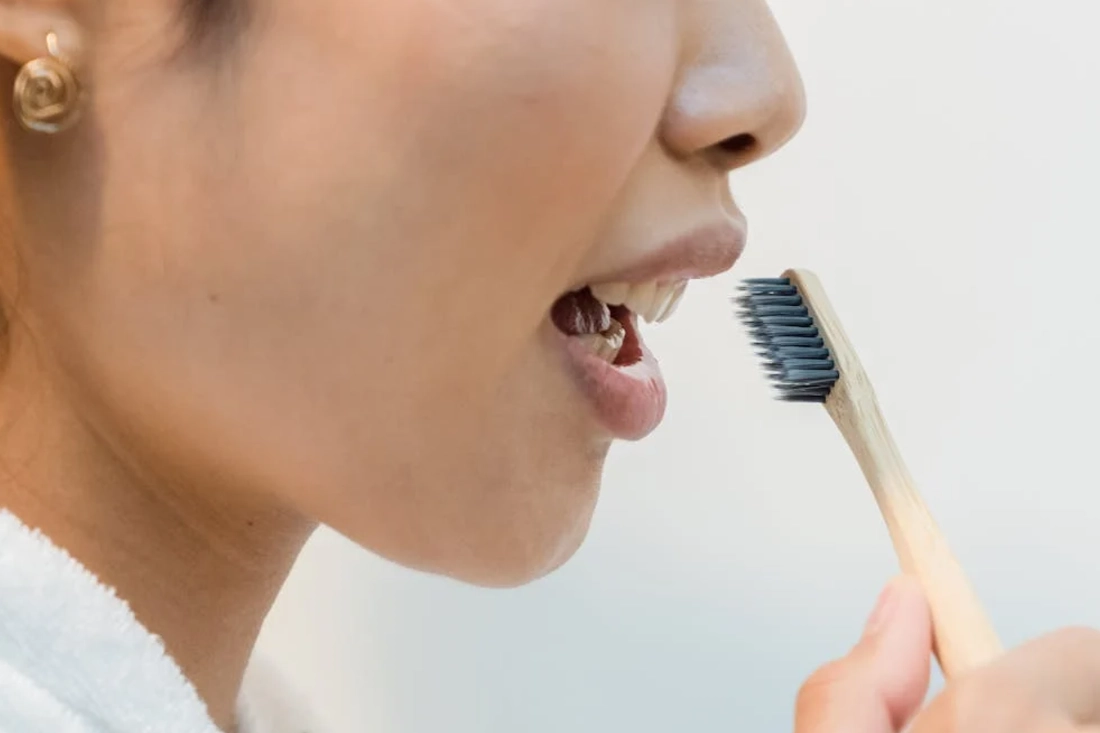
- Use a Soft-Bristled Toothbrush: Brushing with a soft-bristled toothbrush can help prevent further damage to sensitive teeth. Use warm water to make brushing more comfortable.
- Avoid Extreme Temperatures: Hot or cold foods and drinks can trigger discomfort. Stick to room-temperature items to reduce pain.
- Practice Good Oral Hygiene: Regularly brush and floss your teeth. Be gentle to avoid irritating your gums.
- Take Breaks Between Treatments: Overusing whitening products can worsen sensitivity. Follow the recommended frequency and give your teeth time to recover between treatments.
When to See a Dentist
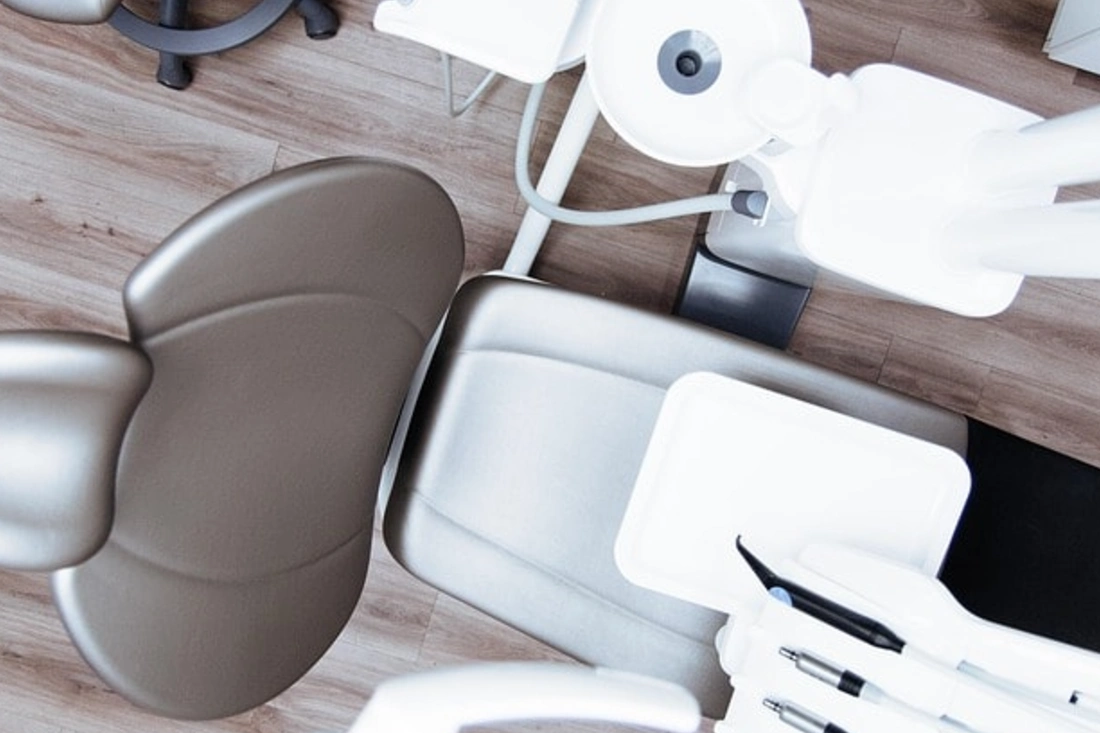
If you’re experiencing persistent tooth pain or extreme sensitivity after a whitening treatment, it’s time to consult a dentist. A professional evaluation can identify underlying issues like gum disease or exposed dentin that may be contributing to your discomfort.
At Dental Innovations, our team is here to provide expert care, from teeth whitening to routine teeth cleaning in Oklahoma City. We’ll help you achieve a brighter smile without compromising your oral health.
FAQs About Whitening Strips and Tooth Sensitivity
Can whitening strips damage my teeth?
When used correctly, whitening strips are safe. However, overuse or improper application can weaken enamel and cause sensitivity.
How long does tooth sensitivity last after whitening?
Tooth sensitivity after whitening is usually temporary and subsides within a few days. Using desensitizing toothpaste can help speed up recovery.
Are professional whitening treatments better than strips?
Professional treatments are more effective and safer for people with sensitive teeth. A dentist can tailor the procedure to your needs and minimize discomfort.
Can I use whitening strips if I have sensitive teeth?
Yes, but choose specially formulated whitening products for sensitive teeth and consult your dentist beforehand.
How can I maintain whitening results without causing sensitivity?
Practice good oral hygiene, avoid foods and drinks that stain teeth, and use whitening products sparingly.
What are teeth whitening trays?
Teeth whitening trays are custom trays created by dentists for at-home use. These trays are made based on your dental impressions and are filled with bleaching gel. This method is effective and tailored to your dental needs, providing a professional whitening experience at home.
Tooth Sensitivity from Whitening Strips
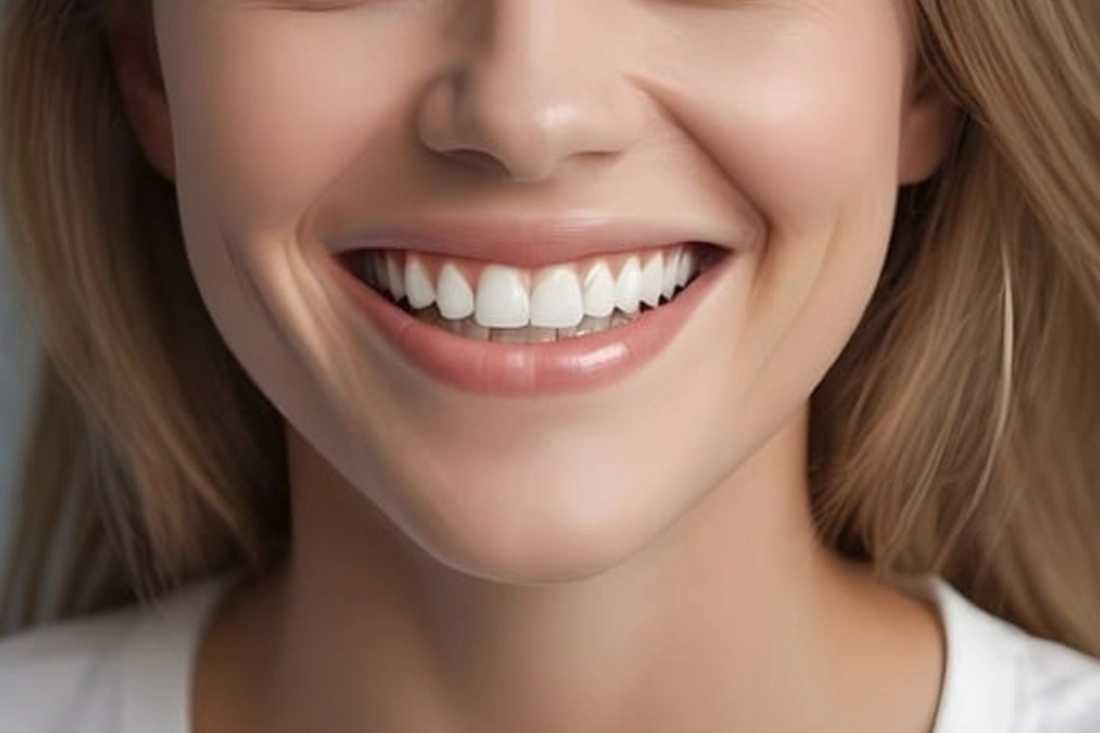
Teeth whitening treatments, including whitening strips, can lead to a brighter smile but may also cause temporary discomfort. Understanding why whitening strips cause sensitivity and how to manage it is key to enjoying the benefits without the pain.
At Dental Innovations, we’re dedicated to helping you achieve a beautiful smile through safe and effective dental care. Whether you need advice on whitening products or professional cleaning, our team is here to support your oral health journey. For expert teeth cleaning in Oklahoma City, contact us today and experience the difference quality dental care can make.