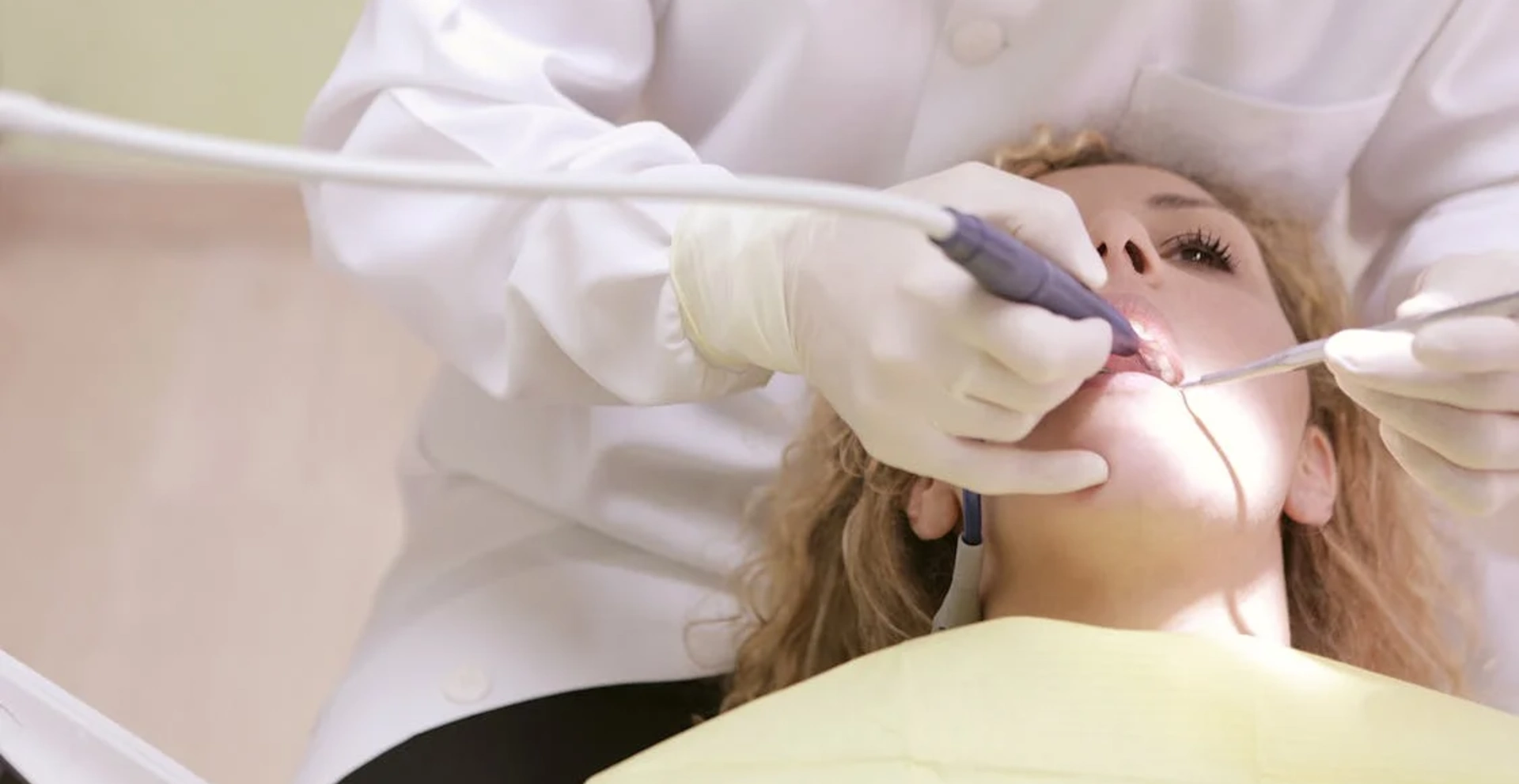
You’ve seen the ads. Maybe your dental hygienist mentioned it. Perhaps a friend swears by their Waterpik. But do water flossers actually work, or are they just expensive gadgets collecting dust on your bathroom counter?
At Dental Innovations, we get asked about water flossing constantly. The short answer? Yes, they work. But like most things in dentistry, the real story is more interesting than a simple yes or no.
Let’s dig into what research actually shows, who benefits most, and whether you should ditch your dental floss for good.
What Is a Water Flosser and How Does It Work?

A water flosser is a device that sprays a pulsating stream of water in between your teeth and along the gums. Instead of scraping away plaque like string floss does, it uses water pressure to flush out food particles and bacteria.
Most models have a water reservoir or water tank that you fill with only water, plus multiple tips and pressure settings so you can customize your clean. Some sit on your countertop, while cordless water flosser models are portable enough for travel or even use in the shower.
Think of it this way: dental floss is like using a scrub brush, while water flossing is more like power washing. Different methods, same goal: removing plaque and keeping your gums healthy.
How Water Pressure Cleans Between Teeth
The water jet from an oral irrigator works by disrupting plaque colonies and flushing bacteria from areas your toothbrush can’t reach. The pulsating water pressure helps break up mouth plaque and whole mouth plaque, especially in tight teeth and around the gum line where buildup often begins.
Understanding the Water Reservoir and Water Tank
A proper flossing session requires enough water to clean thoroughly without constant refilling. Most water tanks hold enough for one to two minutes of continuous use, which is ideal for a complete clean. Larger water reservoir models mean fewer interruptions, while smaller tanks on cordless models offer portability.
Do Water Flossers Work as Well as Dental Floss?
This is the million-dollar question. Let’s look at what makes each method effective and when each works best.

Dental Floss: Still the Gold Standard?
Traditional floss (whether it’s regular string floss, waxed dental floss, waxed floss, or super floss) physically removes plaque by scraping along each tooth surface. When used correctly, it’s highly effective at preventing proximal caries (cavities between teeth) and periodontal disease.
But here’s the problem: most people don’t use it correctly. Or consistently. Or at all.
How Water Flossing Compares to Traditional Floss
Water flossers work through a different mechanism. Instead of scraping, they flush. For many patients, this difference makes water flossing easier and more comfortable, which leads to better daily flossing habits.
The effectiveness comes down to consistent use. A tool you use every day beats a “perfect” tool sitting in your drawer.
The Real Difference Between Methods
Traditional floss excels at physical plaque removal through direct contact. Water flossers excel at flushing debris and reaching areas that are hard to access. Some situations still call for string floss, particularly for very tight teeth where water can’t penetrate as well, or when you need that scraping action for stubborn plaque buildup.
What the American Dental Association Says About Water Flossers
The American Dental Association has given its seal of acceptance to certain water flossers, which means they’ve met rigorous American dental standards for safety and effectiveness in plaque removal.
Research and Clinical Studies on Oral Irrigators
Multiple studies, including randomized controlled trials, have compared traditional floss to water flossers. One study published in a major dental journal found that people using a water flosser had significantly less bleeding gums and better gum health compared to those using regular flossing methods alone.
The research suggests that water flossing can be just as effective, and sometimes more effective, at reducing gingivitis and improving overall gum health. Another randomized controlled trial showed reduced whole mouth plaque levels in patients who added water flossing to their routine.
Water Flossing for Oral Health and Gum Disease Prevention
Maintaining good oral health requires consistent plaque removal. When plaque remains along the gum line, it leads to inflammation, gingivitis, and eventually periodontal disease.
How Water Flossers Support Gum Health
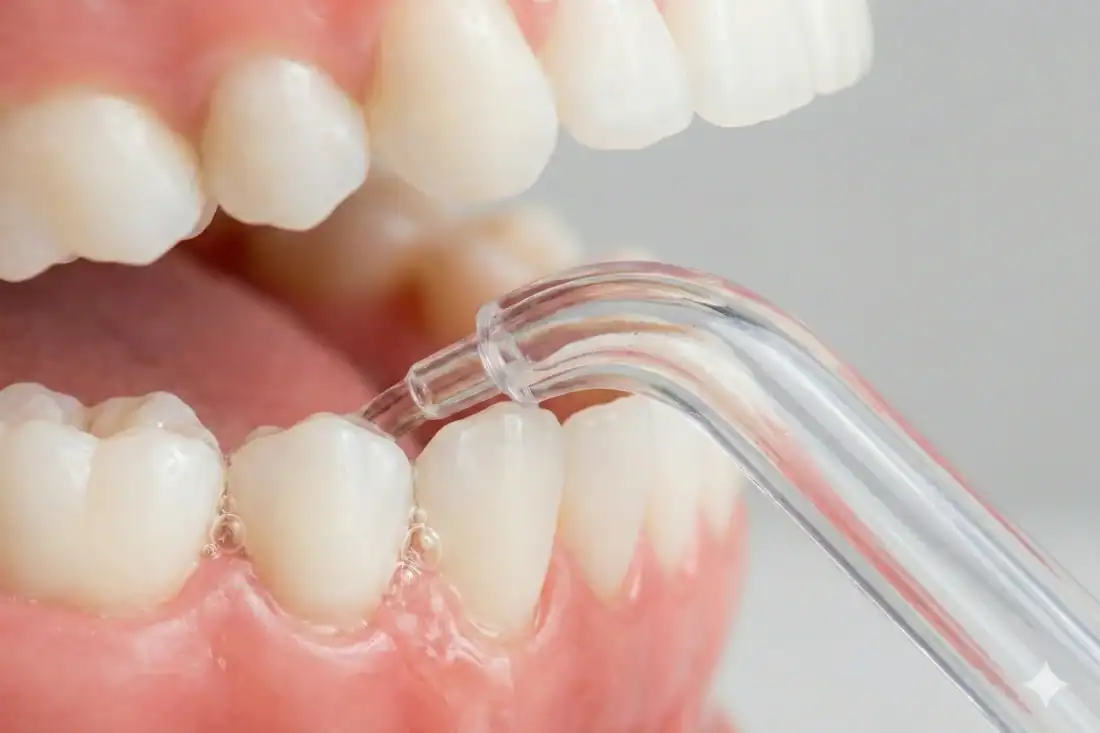
Water flossers clean along the gum line without irritating sensitive tissue. The water jet reaches shallow pockets and helps flush harmful bacteria from areas where inflammation often begins. This gentle approach makes water flossing ideal for patients with sensitive gums or those prone to bleeding during regular flossing.
Preventing Gum Disease and Periodontal Disease
Gum disease starts with plaque buildup that irritates gums, causing gingivitis. If left untreated, it progresses to periodontal disease, which can lead to tooth loss. Daily flossing, whether with traditional floss or a water flosser, is essential for gum disease prevention.
Reducing Mouth Plaque and Whole Mouth Plaque
Water flossing effectively reduces mouth plaque throughout your entire mouth. The combination of water pressure and consistent use helps maintain lower plaque levels, which directly supports better gum health and good oral health overall.
Water Flossers for Patients Undergoing Orthodontic Treatment
If you wear braces, you know the nightmare of trying to thread regular string floss around wires and brackets. Water flossers make orthodontic treatment so much easier.

Why People Who Wear Braces Need Better Flossing Solutions
Braces create dozens of new spaces where food and plaque accumulate. Traditional floss becomes frustrating and time-consuming. Patients undergoing orthodontic treatment who use water flossers consistently have noticeably healthier gums at their adjustment appointments.
Easy Process for Cleaning Around Braces
Just aim the water jet around the brackets and along the gum line. The water pressure flushes out trapped food particles that would be nearly impossible to remove with string floss. This easy process means patients actually maintain their oral hygiene instead of giving up in frustration.
Who Else Benefits From Using a Water Flosser?
While anyone can benefit from water flossing, certain patients see dramatic improvements in their oral health.
Adults With Trouble Flossing
Arthritis, carpal tunnel, or limited hand mobility can make traditional floss nearly impossible to use. Adults with dexterity issues find that a water flosser offers an easy process that doesn’t require the same finger gymnastics needed for regular string floss.
Patients With Dental Devices and Tight Teeth
Crowns, bridges, implants, and other dental devices create nooks where food and plaque love to hide. The water pressure from a flosser reaches areas that string floss often misses. Similarly, people with tight teeth or hard-to-reach posterior teeth benefit from the ability to flush between spaces that are difficult to access with traditional floss.
Managing Bad Breath Through Better Oral Hygiene
Bad breath often comes from bacteria and trapped food particles hiding between teeth and below the gum line. Your toothbrush can’t reach these spots, and if you’re not flossing regularly, that debris just sits there fermenting.
Water flossing flushes out food and bacteria, creating a cleaner mouth environment. Many patients notice fresher breath within days of adding daily flossing to their routine.
Understanding Interdental Cleaning Devices
Interdental cleaning devices are tools designed to clean between teeth where your toothbrush can’t reach. This category includes water flossers, dental floss, interdental brushes, and dental picks.
Interdental Brushes and Dental Picks
Interdental brushes work well for wider spaces between teeth, especially when gums have receded. Dental picks can help remove food particles but are less effective at plaque removal along the gum line compared to floss or water flossers.
Why Interdental Cleaning Matters for Good Oral Health
Your toothbrush only cleans about 60% of tooth surfaces. The spaces between teeth are where cavities and gum disease often begin. Effective interdental cleaning is essential for preventing proximal caries (cavities between teeth) and maintaining healthy gums.
Pairing Your Water Flosser With Other Tools for a Deep Clean
For optimal oral health, think of your routine as a complete system that targets plaque from every angle.
Combining Water Flossers With Electric Toothbrushes
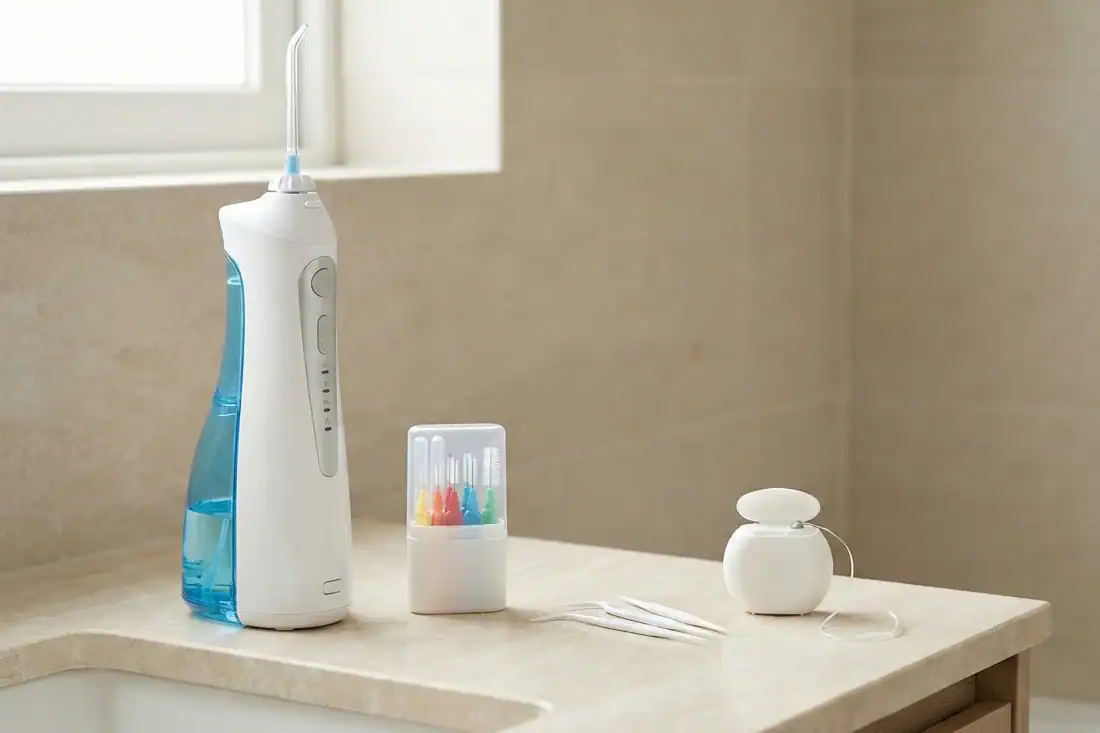
Electric toothbrushes are more effective than manual brushing for most people. Use fluoride toothpaste to strengthen enamel while you brush. This loosens plaque and cleans tooth surfaces. Then use your water flosser to flush away what brushing leaves behind. Together, they provide a deep clean that improves overall oral hygiene.
When to Use Both Traditional Floss and Water Flossing
Some patients benefit from combining methods. Use dental floss or interdental brushes for thorough scraping of stubborn plaque, then follow with a water flosser to flush everything away. Patients prone to cavities or gum disease often see the best results with this comprehensive approach.
Choosing the Right Cordless Water Flosser or Countertop Model
Not all water flossers are created equal. Understanding the difference between models helps you choose the right device for your needs.
Cordless Water Flosser vs. Countertop Models
Cordless water flosser devices are portable and great for travel or shower use. Countertop models typically have larger water tanks and stronger pressure settings. Both can deliver effective plaque removal if used correctly.
Pressure Settings and Water Pressure Considerations
Start low and work your way up. More pressure isn’t always better. Too much water pressure can actually irritate gums or cause discomfort. Find the setting that feels comfortable but still provides effective cleaning. Most quality models offer adjustable pressure settings for customization.
Multiple Tips for Different Oral Health Needs
Look for models that include multiple tips for various needs. Some tips are designed specifically for orthodontic treatment, while others target the gum line or clean around dental devices. Having options ensures your water flosser remains suitable as your oral health needs change.
Water Pik and Brand Considerations
Waterpik (sometimes spelled Water Pik) remains the most recognized name, and for good reason. They’ve invested in research and have American Dental Association acceptance on several models. That said, other brands offer good value if they meet safety standards and include essential features like adequate water reservoir capacity and adjustable pressure.
Using Your Water Flosser: Tips for Maximum Effectiveness
Proper technique ensures you get the full benefits of water flossing.
How to Floss Teeth With an Oral Irrigator
Aim the water jet at a 90-degree angle to your gum line. Start with the back teeth (posterior teeth) and work your way around your entire mouth. Pause briefly between each tooth, targeting both sides of every space. A complete flossing session should take one to two minutes.
Using Only Water vs. Adding Mouthwash
Most dentists recommend using only water in your water flosser. Plain water is effective and won’t damage the device. While some people add mouthwash, this isn’t necessary for effectiveness and may void your warranty or cause buildup in the machine.
Can You Use a Water Flosser in the Shower?
Yes! Many patients prefer using a water flosser in the shower. Cordless models designed for water resistance make this convenient and less messy, encouraging daily flossing habits. Just ensure your device is rated for wet environments.
Are Water Flossers Suitable for Kids?
Water flossers can be suitable for children when used correctly and under adult supervision.

At What Age Can Kids Start Water Flossing
Most children can start using a water flosser between the ages of 6 and 8, depending on their coordination. Parents should supervise flossing sessions and start with the lowest pressure settings. Let them practice over the sink (it will be messy at first).
When Water Flossers Help Children Most
Water flossers are especially suitable for kids who wear braces, have tight teeth, or simply refuse to use traditional floss. Making oral hygiene easier increases the chance they’ll actually do it, which matters more than using the “perfect” technique.
The Good Value Question: Are Water Flossers Worth It?
Let’s talk about good value and return on investment for your oral health.
Cost vs. Benefits of Water Flossing
A quality water flosser costs anywhere from $40 to $100+, while a pack of dental floss costs a few dollars. But here’s the real math: if a water flosser helps you avoid even one cavity or prevents the early stages of gum disease, it’s already paid for itself many times over. A single filling can cost $150-300. Gum disease treatment? Even more.
Long-Term Investment in Oral Health
Most water flossers last for years with proper care. Replace the tips every few months (or as recommended), keep the water reservoir clean, and your device should provide reliable service for a long time. The effectiveness comes down to consistent use. If spending money on a device motivates you to floss daily when you wouldn’t otherwise, that’s worth every penny.
Should You Replace Traditional Floss With Water Flossing?
This is the question we hear at every checkup, and the answer depends on your specific situation.
When Water Flossers Can Replace Regular Flossing
For some patients, yes. If you’re using a water flosser daily, targeting all tooth surfaces and the gum line properly, and your dentist sees good results at your cleanings (healthy gums, low plaque levels, no new cavities), you might not need traditional floss at all.
When You Need Both Methods
Patients prone to cavities, those with a history of gum disease, or anyone with specific trouble spots often benefit from using both traditional floss and a water flosser. The combination provides both the scraping action of floss and the flushing power of water pressure.
Talk to Your Dentist About Your Oral Hygiene Routine
At Dental Innovations, we believe in personalized oral health plans. What works for one patient might not work for another.
Getting Professional Guidance on Plaque Removal
Your dentist can evaluate your specific needs, gum health, plaque patterns, and lifestyle before making recommendations. We consider factors such as tight teeth, dental devices, gingivitis, and orthodontic treatment to determine the best approach.
Clean Teeth and Healthy Gums Start With the Right Tools
We’ll help you build a routine that fits your life and keeps your teeth and gums healthy for the long term. Whether that includes a water flosser, traditional floss, interdental brushes, or a combination of tools, we’ll create a plan that works for you.
The Bottom Line: Water Flossers and Your Oral Health
Yes. When used correctly and consistently, water flossers absolutely work for plaque removal, improving gum health, and maintaining good oral hygiene.
Are they better than dental floss? Not necessarily “better,” just different. They work through a different mechanism (flushing versus scraping), and for many patients, they’re easier to use consistently.
The best oral hygiene routine is the one you’ll actually follow. If a water flosser gets you to clean teeth between every day when you weren’t before, it’s the right choice. If you’re already excellent with regular flossing techniques and traditional floss, keep doing what works.
The key is removing plaque daily from all surfaces of your teeth, especially along the gum line where gingivitis and periodontal disease begin. Whether you use a water flosser, traditional floss, or both, consistency matters most.
Schedule Your Visit With Dental Innovations

Curious whether a water flosser would benefit you or your child? Have questions about interdental cleaning, pressure settings, or other dental devices? Book an appointment with our team and get personalized guidance that actually fits your routine.
During your visit, we will walk through the differences between flossing tools, demonstrate proper technique, and recommend options that match your mouth, lifestyle, and comfort level. If you would rather start with questions first, feel free to contact our team, and we will point you in the right direction.
At the end of the day, the best oral hygiene tool is the one you will use consistently. We are here to help you find exactly what works so you can maintain clean teeth, healthy gums, and long-term oral health.