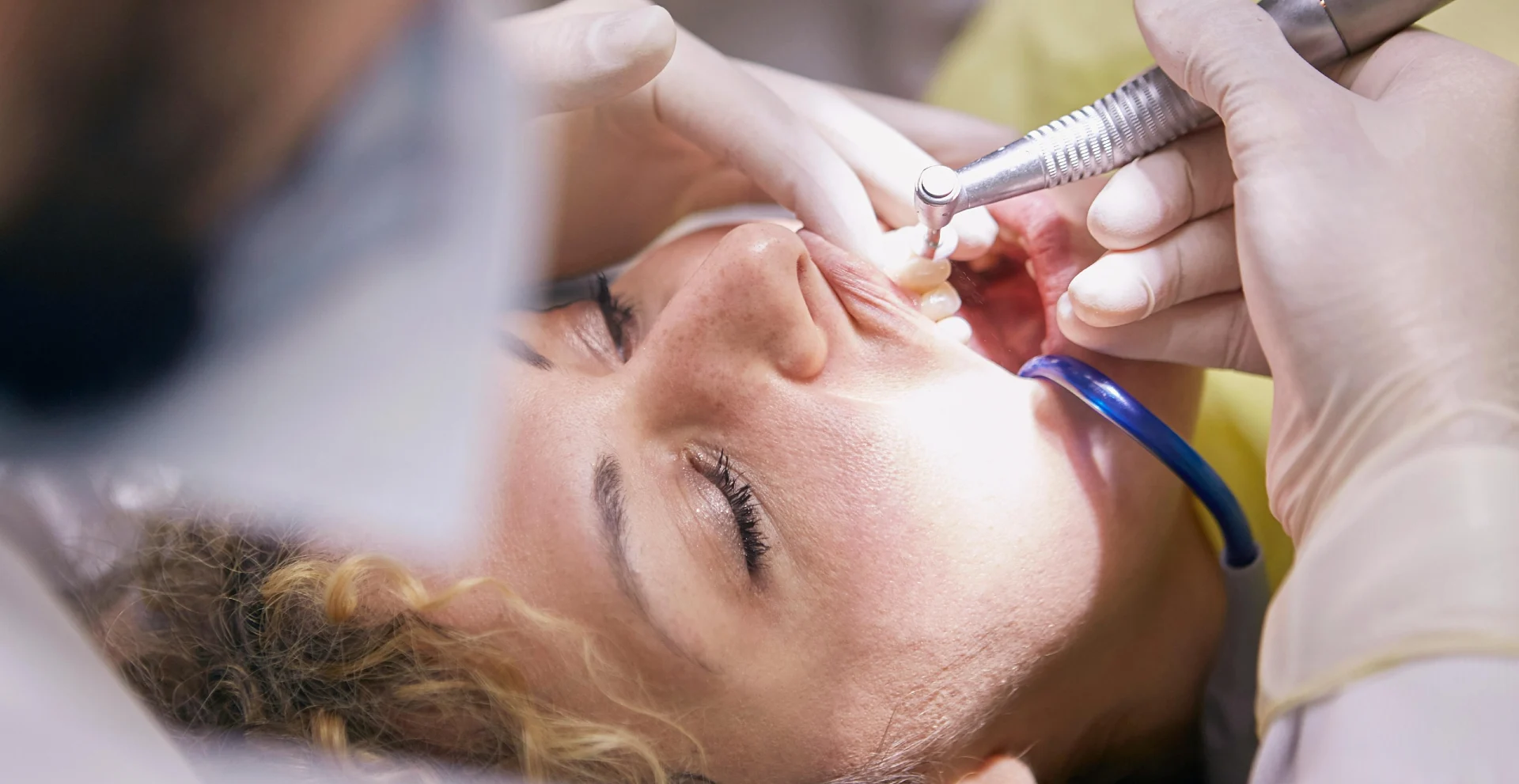
Let’s be honest—traditional dental tools can be, well, a little intimidating. The whirring, the poking, the scraping… It’s no wonder people put off their dental visits. But here’s the exciting part: laser dentistry is changing the game, and it’s not science fiction—it’s the future of dental care happening right now at Dental Innovations. This advanced technology is revolutionizing dental treatment by improving patient outcomes, treatment precision, and recovery processes.
If you’ve ever wished for faster healing, less discomfort, and fewer sharp tools in your mouth, then buckle up because laser technology is making that dream a reality.
Related Article: The Benefits of Laser Dentistry for Pain-Free Treatments
So, What Is Laser Dentistry?

Laser dentistry uses highly focused light beams (lasers) to perform a wide variety of dental procedures—everything from cavity preparation and gum disease treatment to teeth whitening and root canal therapy. Laser technologies have evolved significantly since the 1960s, enhancing precision and reducing patient discomfort in various dental procedures. It’s a major shift from traditional dental procedures, where drills, scalpels, and sutures were the stars of the show.
Now, diode lasers, erbium lasers, and other forms of dentistry laser technology are leading the charge for minimally invasive treatments with minimal discomfort, minimal bleeding, and faster healing.
The Many Benefits of Laser Dentistry
Okay, let’s talk about perks. Laser treatment in dentistry offers a bunch of them, making your dental visits smoother and way less nerve-wracking:
- Less pain during and after treatment
- Minimal bleeding (especially in soft tissue work)
- Reduced need for stitches in soft tissue procedures
- Lower risk of infection—lasers sterilize as they go
- Faster healing and tissue recovery
- Often no anesthesia is required (yes, really!)
Since laser procedures are so precise, they target only the affected areas, leaving healthy tissue untouched. That means better oral health outcomes and fewer complications. Pretty cool, right?
What Can Laser Dentistry Treat?

You might be surprised at how many dental treatments can now be done with lasers. Here’s a quick look at the common procedures:
- Tooth decay: Lasers can remove decay and prep the tooth for a dental restoration
- Gum disease: Used for soft tissue surgery and gum disease treatment
- Periodontal disease: Lasers remove bacteria and promote tissue regeneration
- Teeth whitening: Accelerates whitening agents for quicker results
- Root canal treatment: Disinfects canals and reduces infection risk
- Oral surgery: Especially useful in precise soft and hard tissue work
- Dental caries: Early cavity detection and treatment
- Cosmetic dentistry: Reshaping gums, removing lesions, and performing tooth whitening with precision
Traditional vs. Laser: A Look at the Differences
Let’s break it down. Traditional methods often involve more cutting, more noise, and a longer healing process. Traditional dental instruments remain essential for specific procedures, particularly for deep cavities or certain restorative materials that lasers cannot effectively treat. With laser treatments, we’re talking about:
| Traditional Procedures | Laser Dentistry |
|---|---|
| Loud drills | Quiet beams |
| Scalpel and sutures | No-contact light |
| Bleeding and swelling | Minimal discomfort |
| Longer healing | Faster recovery |
| Anesthesia required | Often no anesthesia |
That’s why more dental professionals are embracing lasers and upgrading their dental practice with this innovative dental technology.
Why Laser Dentistry Is a Big Deal for Gum Disease Treatment
Gum disease and periodontal disease are nothing to mess with. They can lead to tooth loss, oral health issues, and even connections to heart disease and other health problems. The great news? Lasers are incredibly effective for gum disease treatment and tissue regeneration.
Because lasers are so precise, they can remove infected tissue while preserving healthy gum tissue. They also help stimulate bone growth and reduce inflammatory response—two major bonuses for anyone battling periodontal disease.
A Closer Look at How Laser Dentistry Works

Here’s a quick peek into the magic behind the light:
- Low-level laser therapy: Used for pain relief and healing stimulation
- Laser-assisted procedures: Great for precise cuts in oral soft tissue
- Diode laser: Often used for soft tissue work and cosmetic procedures
- Erbium lasers: Used on hard tissues like enamel and bone
Lasers work by focusing energy into a beam that can remove or reshape dental tissues, sterilize areas, and even promote tissue healing. It’s high-tech with real results.
Cosmetic Dentistry with Laser Technology
Laser technology has revolutionized the field of cosmetic dentistry, offering patients a range of minimally invasive and precise treatment options. Whether you’re looking to brighten your smile or reshape your gums, laser dentistry provides effective solutions with minimal discomfort and downtime.
Laser Dentistry for Dental Implants
Laser dentistry has become an integral part of dental implant procedures, offering patients a more precise and minimally invasive treatment option. From implant placement to bone grafting and soft tissue management, lasers enhance the accuracy and effectiveness of these procedures.
What About Safety?
Is laser dentistry safe? Absolutely. In the hands of trained professionals like the team at Dental Innovations, lasers are safe, effective, and approved by the FDA for many dental procedures. Plus, because they target specific areas, they lower the chance of damage to surrounding tissues.
And let’s not forget the bonus for patients with dental anxiety—fewer shots, less drilling, and a calmer experience all around.
Will You Still Need a Drill?
Sometimes, yes. Not all procedures can skip the drill, especially when working with metal fillings or very deep decay. But for many modern dental procedures, lasers have taken center stage.
And even when a drill is needed, lasers can reduce the amount of drilling time or the areas where it’s used. It’s like upgrading from a flip phone to a smartphone—you’re still calling, but with way more features.
The Future of Laser Dentistry (Spoiler: It’s Bright)
Let’s talk future. The future of laser dentistry is only getting better as technological advancements improve the precision, power, and versatility of laser technology in dental care.
Researchers and engineers are already exploring:
- Better lasers for bone and enamel
- Combining lasers with AI diagnostics
- Faster treatments with even less downtime
- New techniques in oral surgery, cosmetic dentistry, and tissue regeneration
In other words, the future of dental is laser-focused—literally.
So, Should You Try Laser Dentistry?
If you’re looking for effective dental treatments, faster healing, and a gentler experience, laser therapy could be exactly what you need. Whether you’re dealing with tooth decay, dental caries, soft tissue concerns, or just want a better experience during your next cleaning, lasers offer a smart, modern solution.
Ready to Try Laser Dentistry?
At Dental Innovations, we’re not just riding the wave of modern dentistry—we’re leading it. Our practice is proud to offer laser-assisted procedures using some of the best tools in the industry. Whether you’re looking to fix a cavity, treat gum disease, or simply want to make your dental visits less stressful, we’re here to help.
Contact us today to schedule your visit and see the difference for yourself. The future of dental care is already here—and it’s shining bright.