Inlay and onlay dentistry offers a durable and aesthetically pleasing solution for restoring damaged teeth. Unlike traditional fillings or crowns, dental inlays and onlays provide a middle ground that preserves more of the natural tooth structure while offering robust protection and functionality. This blog will delve into what dental inlays and onlays are, their benefits, the procedure, and why they might be the right choice for your dental health needs.
Related Article: How Do Invisible Aligners Work?
Understanding Inlays and Onlays

What Are Inlays and Onlays?
Dental inlay and onlay dentistry is a type of dental restoration used to repair teeth with moderate decay or damage that is too extensive for a basic filling but not severe enough to require a full crown. These restorations are custom-made in a dental laboratory and are bonded to the damaged area of the tooth.
Main Difference Between Inlays and Onlays
The main difference between inlays and onlays lies in the area of the tooth they restore. An inlay fits within the grooves of the tooth’s biting surface, primarily covering the space between the cusps (the raised points on the tooth). A dental onlay, on the other hand, extends over one or more of these cusps, covering a larger area and providing additional support to the tooth structure.
Benefits of Inlays and Onlays
- Durability: Inlays and onlays are made from robust materials like porcelain, composite material, or gold, making them more durable than traditional fillings.
- Aesthetic Appeal: These restorations can be matched to the color of your natural teeth, providing a seamless look.
- Preservation of Tooth Structure: Unlike crowns, which require significant removal of the tooth structure, inlays and onlays preserve more of your natural tooth.
- Strength: They can strengthen a tooth by up to 75%, helping maintain dental health and functionality.
The Materials Used for Inlays and Onlays

These materials are chosen for their durability, aesthetic appeal, and ability to restore the function of damaged teeth. They are particularly effective in addressing dental decay, which often necessitates treatments such as fillings, crowns, dental inlays, and onlays.
Porcelain
Porcelain inlays and onlays are highly favored for their natural appearance and strength. These types of porcelain can be matched to the natural color of your teeth, making them ideal for teeth that are most visible in your mouth, like the front teeth.
Composite Resin
Composite resin is another popular choice due to its ability to blend seamlessly with natural teeth. These materials are less durable than porcelain but offer good strength and aesthetics for minor tooth decay and smaller cavities.
Gold
Gold inlays and onlays are incredibly durable and biocompatible, making them a long-lasting option. While not as aesthetically pleasing as tooth-colored materials, gold restorations are often used for back teeth where chewing force is greatest.
The Procedure for Inlay and Onlay Placement

First Appointment
During your first appointment, the dentist will prepare the affected tooth by removing any decay or old filling material. Afterward, the dentist takes an impression of your tooth or teeth. This is sent to the laboratory, where the inlay or onlay will be made to fit snugly into the cavity. A temporary filling is placed to protect the tooth in the meantime.
Second Appointment
Once the custom inlay or onlay is ready, you will return to the dental office for placement. The temporary filling is removed, and the dentist will check the fit of the new restoration. If it fits perfectly, it will be bonded to the tooth using a strong dental adhesive. The dentist will then polish the restoration to ensure it blends seamlessly with your natural teeth.
When to Consider Inlays and Onlays

Minor to Moderate Decay
Inlays and onlays are ideal for teeth with minor to moderate decay that cannot be effectively treated with traditional fillings. They provide a stronger and more durable solution while preserving more of the natural tooth structure.
Large Cavities
For larger cavities that a filling cannot adequately restore, inlays and onlays offer a more robust alternative. They can withstand greater chewing forces and are less likely to fail over time.
Damaged or Fractured Teeth
If you have a tooth that is damaged or fractured but does not require a full crown, an onlay can cover the affected area, providing support and restoring functionality.
Inlays and Onlays vs. Traditional Fillings and Crowns

Traditional Fillings
Traditional fillings are suitable for small cavities and minor tooth decay. They are made from materials like amalgam or composite resin. However, they may not provide the necessary strength for larger restorations and can weaken the tooth structure over time.
Crowns
Crowns cover the entire tooth and are used for extensive damage or decay. They require significant removal of the tooth structure and can be more invasive. While crowns are very durable, they are often reserved for cases where inlays or onlays are insufficient.
Inlays and Onlays
Inlays and onlays serve as a middle ground between fillings and crowns. They preserve more of the natural tooth structure than crowns and are stronger and more durable than traditional fillings. They are ideal for restoring the chewing surface and maintaining oral health.
The Importance of Choosing the Right Dental Professional

Selecting a skilled dental professional for inlay and onlay placement is crucial. Many dental professionals use inlays and onlays to treat tooth decay, damage, or erosion that is too advanced for a basic filling but not severe enough to warrant a crown. It is essential to choose one with experience and expertise in inlay and onlay dentistry. A well-placed inlay or onlay can significantly enhance your dental health and prevent future issues.
Maintaining Your Inlays and Onlays

Good Oral Hygiene
Maintaining good oral hygiene is crucial for the longevity of your inlays and onlays. Regular brushing and flossing will help keep your teeth and gums healthy and prevent decay around the restoration. It is especially important to clean around the gum line to prevent decay and maintain the health of the inlays and onlays.
Regular Dental Check-Ups
Regular visits to the dentist for expert dental treatments will ensure that your inlays and onlays are in good condition. The dentist can check for any signs of wear or damage and address any issues promptly.
Avoid Hard Foods
Avoid chewing on hard foods or objects that could damage your inlays or onlays. Although these restorations are durable, they can still be damaged by excessive force.
The Role of Inlays and Onlays in Dental Restoration

Dental Health Benefits
Inlays and onlays help maintain the overall health of your teeth. By providing a tight seal over the damaged area, they prevent bacteria from entering and causing further decay. This protective barrier is crucial for maintaining oral health and preventing more severe dental problems.
Chewing Surface Restoration
The restoration of the chewing surface is vital for the overall functionality of your teeth. Inlays and onlays restore the biting surface, allowing you to chew food properly without discomfort or further damaging the tooth. This restoration is essential for maintaining a balanced diet and proper nutrition.
Aesthetic Benefits
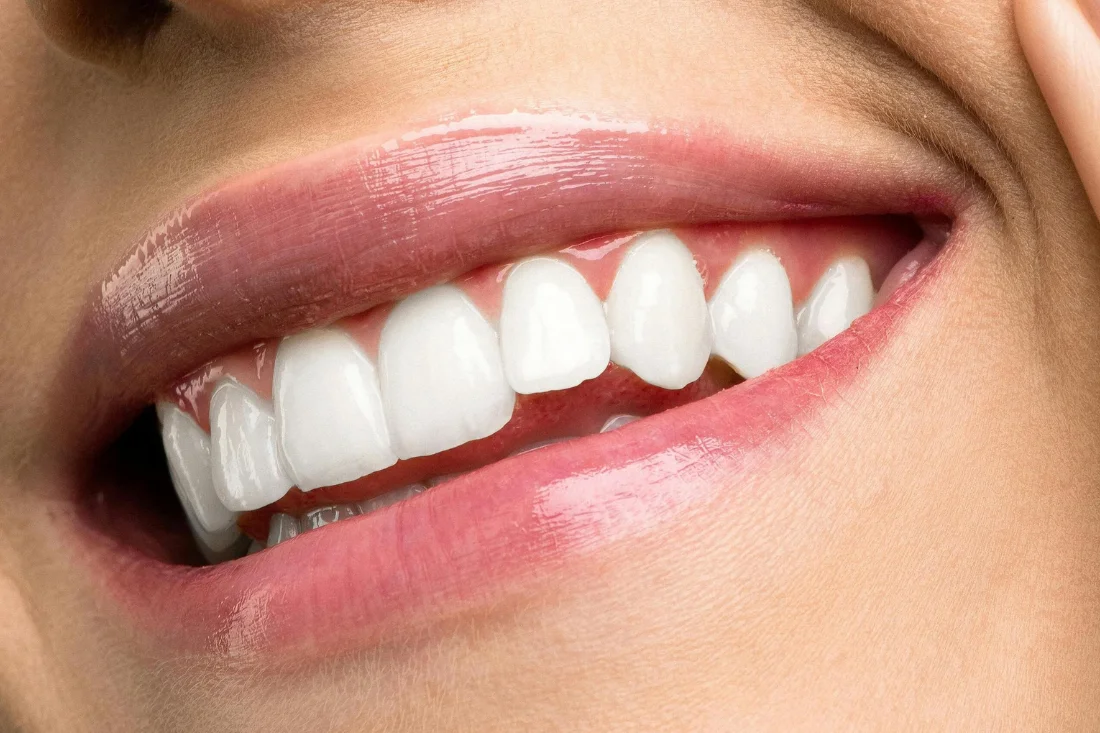
Inlays and onlays offer significant aesthetic benefits, especially when made from materials that closely match the color of your natural teeth. Tooth-colored inlays and onlays blend seamlessly with your existing teeth, making them virtually indistinguishable. This quality is particularly beneficial for visible teeth, enhancing your smile and boosting your confidence.
Comparing Inlays and Onlays to Other Restorative Options
Inlays and Onlays vs. Fillings
While fillings are suitable for small cavities and minor decay, they may not provide the necessary strength for larger restorations. Inlays and onlays offer a more durable solution, preserving more of the natural tooth structure and providing a tighter seal against bacteria.
Inlays and Onlays vs. Crowns
Crowns cover the entire tooth, providing robust protection and strength for teeth that are severely damaged or decayed. However, crowns require significant removal of the natural tooth structure, which can be more invasive. Inlays and onlays, on the other hand, preserve more of the natural tooth while still offering substantial strength and durability. They are ideal for situations where the damage is too extensive for a filling but does not warrant a full crown.
The Versatility of Inlays and Onlays

Suitable for Various Dental Issues
Inlays and onlays can be used to address a variety of dental issues, including:
- Small to Large Cavities: They are suitable for treating cavities that are too large for a traditional filling but not severe enough to require a crown.
- Cracked or Fractured Teeth: Inlays and onlays can restore teeth that have been cracked or fractured, providing strength and preventing further damage.
- Worn Teeth: They can also be used to restore teeth that have been worn down by grinding or other factors.
Applicable to Different Teeth
Inlays and onlays can be used on both back and front teeth, although they are most commonly applied to molars and premolars due to their chewing function. Their versatility makes them an excellent option for a wide range of dental restoration needs.
The Importance of Choosing the Right Material

Matching Aesthetic Needs
Choosing the right material for your inlay or onlay is crucial for achieving the best aesthetic result. Porcelain and composite resins are ideal for visible teeth because they can be closely matched to the color of your natural teeth. Gold, while less aesthetically pleasing, offers exceptional durability and is often used for back teeth where the chewing force is greatest.
Considering Durability
Different materials offer varying levels of durability. Porcelain and gold inlays and onlays are known for their strength and longevity, often lasting longer than composite resin restorations. Your dentist can help you choose the best material based on your specific needs and the location of the restoration.
The Role of Technology in Inlay and Onlay Dentistry
Digital Impressions
Advancements in dental technology have made the process of creating inlays and onlays more precise and efficient. Digital impressions, taken using 3D scanning technology, provide a highly accurate model of your tooth, ensuring a perfect fit for your restoration.
CAD/CAM Technology
Computer-Aided Design and Computer-Aided Manufacturing (CAD/CAM) technology are used to create precise inlays and onlays. This technology can often produce the restoration on the same day as your initial appointment, significantly reducing the time you need to wait for your custom restoration.
Cost Considerations and Insurance

Cost of Inlays and Onlays
The cost of inlays and onlays can vary based on the material used and the complexity of the procedure. While they are generally more expensive than traditional fillings, they can be more cost-effective in the long run due to their durability and the protection they offer to your tooth structure.
Insurance Coverage
Many dental insurance plans cover inlays and onlays, especially if they are deemed necessary for the health and function of your tooth. It’s important to check with your insurance provider to understand your coverage and any potential out-of-pocket costs.
Maintaining Oral Health with Inlays and Onlays
Routine Dental Visits
Visiting dental clinics like Dental Innovations in Oklahoma City is crucial for maintaining the health of your inlays and onlays. Your dentist will check the condition of the restorations during your routine check-ups and address any issues that may arise.
Good Oral Hygiene Practices
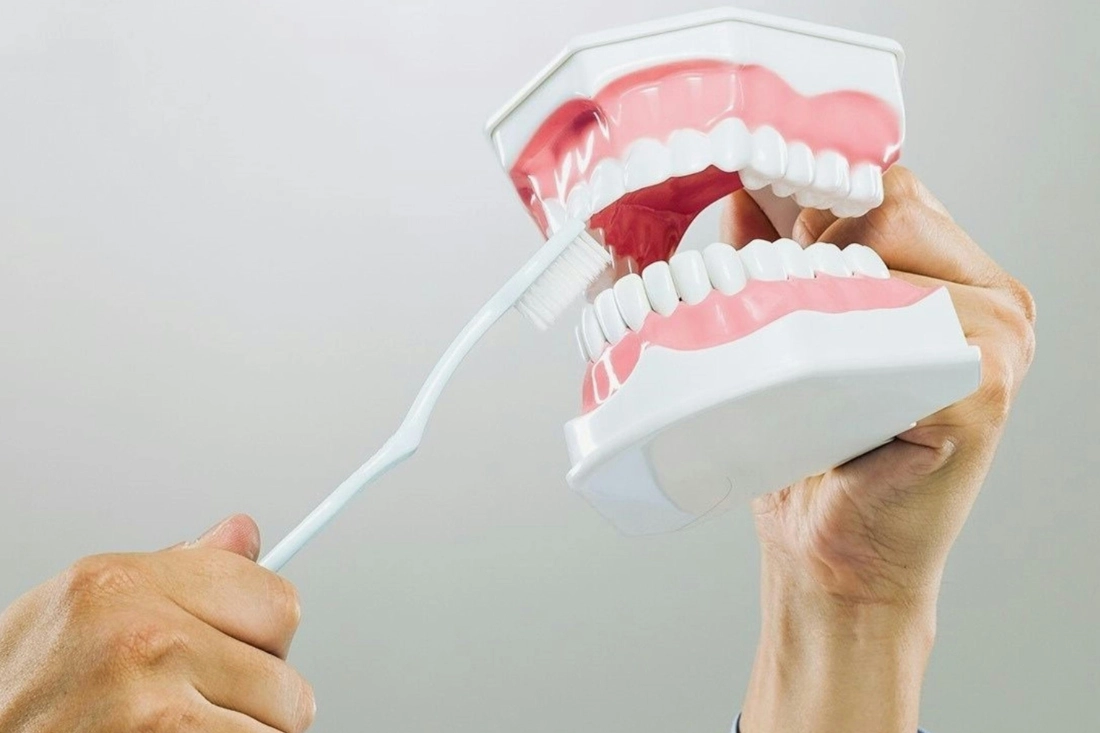
Maintaining good oral hygiene is essential for the longevity of your inlays and onlays. You can do this by brushing your teeth at least twice a day (make each brushing session last for at least two minutes), flossing every day, and gargling with mouthwash to eliminate bacteria in your mouth.
Avoiding Damaging Habits
To ensure the longevity of your inlays and onlays, avoid habits that can damage them, such as chewing on ice, hard candies, or other hard objects. If you grind your teeth at night, consider using a night guard to protect your restorations.
By understanding the benefits and procedures associated with inlays and onlays, you can make an informed decision about the best dental restoration options for your needs. These restorations not only improve the functionality of your teeth but also enhance their appearance, providing you with a healthy, confident smile.
FAQs About Inlays and Onlays
What are inlays and onlays?
Inlays and onlays are forms of dental restorations that aim to repair teeth suffering from moderate damage. Inlays fit within the grooves of the tooth, while onlays cover one or more cusps.
How long do inlays and onlays last?
With proper care, inlays and onlays can last many years, often longer than traditional fillings. Porcelain and gold inlays and onlays are particularly durable.
Are inlays and onlays expensive?
The cost of inlays and onlays varies depending on the material used and the complexity of the procedure. They are generally more expensive than traditional fillings but can be more cost-effective in the long run due to their durability.
Can inlays and onlays fall out?
While inlays and onlays are securely bonded to the tooth, improper care or trauma can cause them to loosen or fall out. Regular dental check-ups can help ensure they remain in place.
Do inlays and onlays require special care?
Inlays and onlays do not require special care beyond regular oral hygiene practices. However, avoiding hard foods and maintaining regular dental visits will help extend their lifespan.
This article is for educational purposes only and does not replace a dental exam or diagnosis. If you have pain, swelling, or other concerns, please contact a dentist or doctor.