Maintaining good oral health is essential for overall health, and regular teeth cleanings play a crucial role in this. An experienced dental team efficiently and safely performs teeth cleanings, ensuring a quicker and safer process. One common question many people have is, “How long does a teeth cleaning take?” In this blog, we’ll explore the typical duration of a dental cleaning, what the procedure involves, and why it’s important for maintaining healthy teeth and gums.
Related Article: How to Relieve Pain After Teeth Cleaning
Understanding the Teeth Cleaning Process
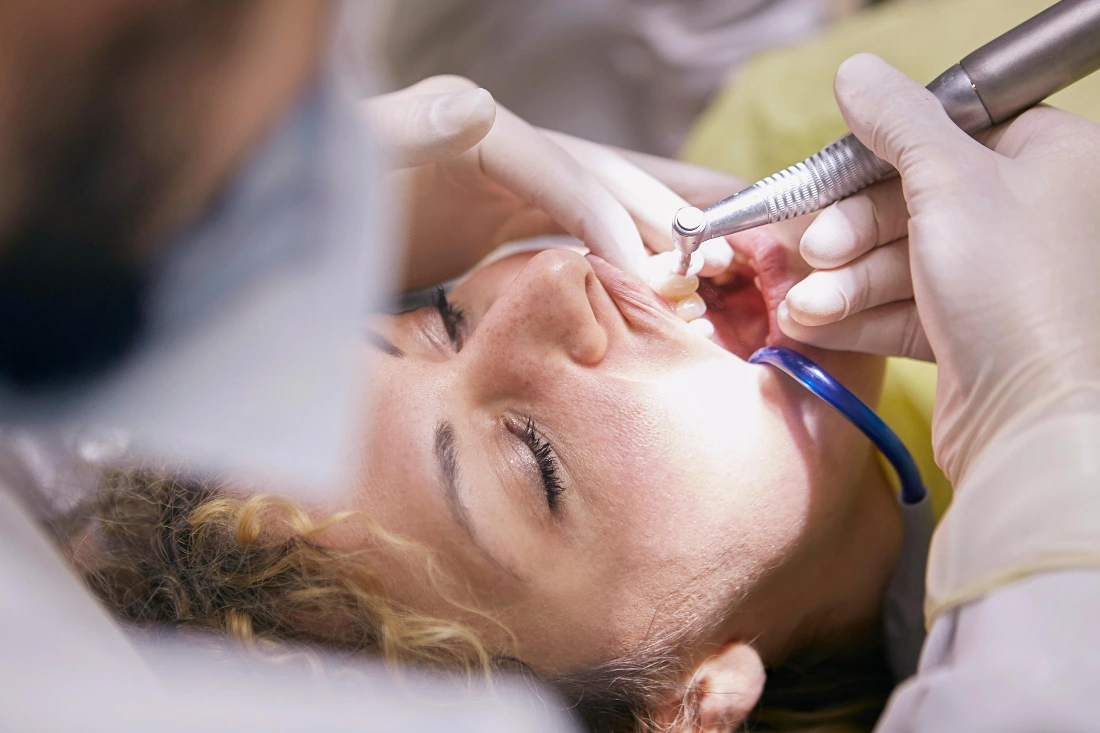
A professional teeth cleaning is more than just brushing and flossing. It’s a comprehensive procedure performed by a dental hygienist or dentist to remove plaque and tartar buildup, which are not always easy to eliminate with regular brushing and flossing alone. Here, we’ll break down the typical steps involved in dental cleaning.
Step-by-Step Dental Cleaning Procedure
- Initial Examination
Duration: 5-10 minutes
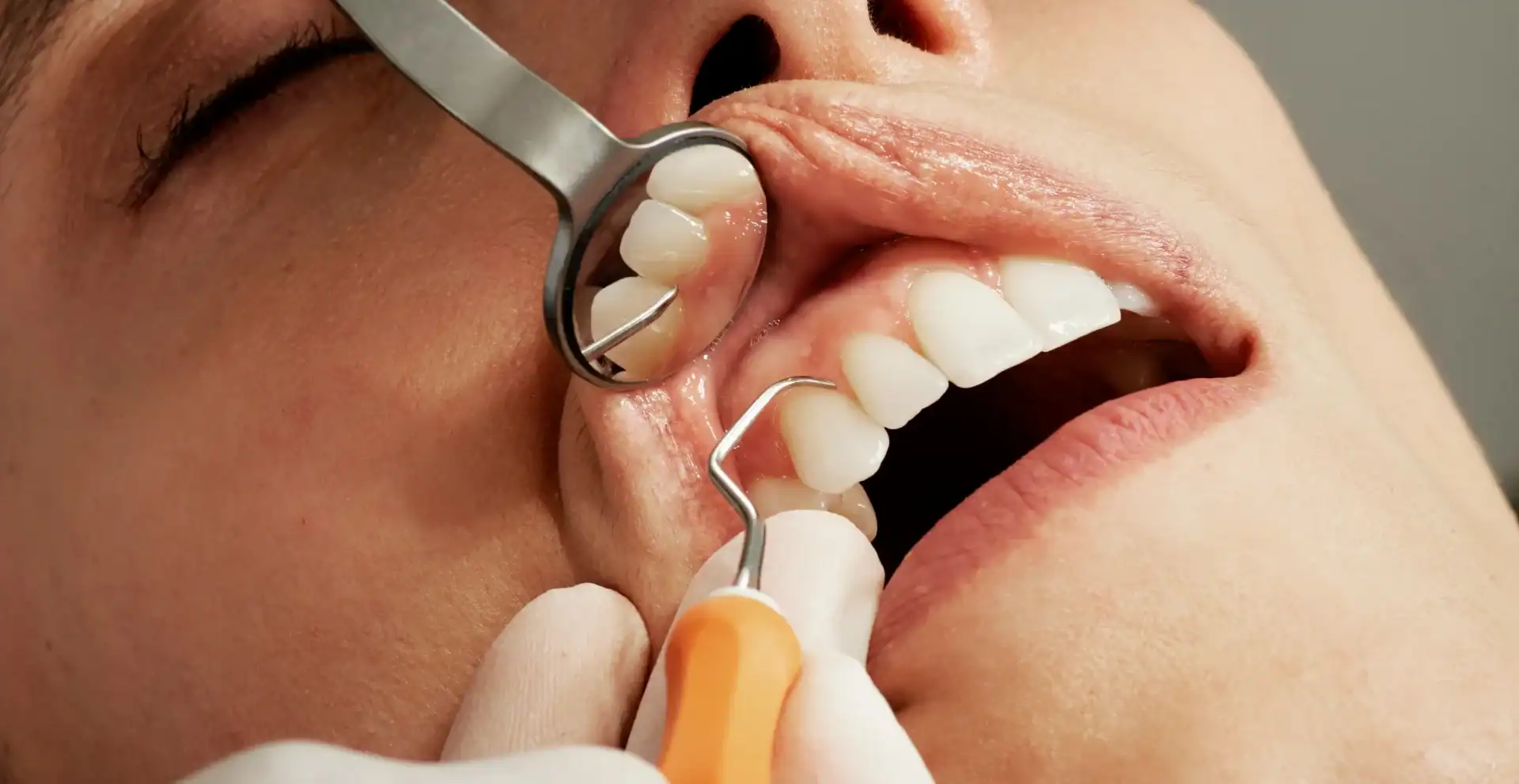
The dental hygienist uses a small mirror to examine your teeth and gums for any signs of gum disease, inflamed gums, tooth decay, or other oral health issues. This initial assessment helps determine the extent of cleaning required.
- Removal of Plaque and Tartar
Duration: 15-20 minutes
Using a tool called an ultrasonic scaler and manual scalers, the hygienist removes plaque and tartar buildup from the surface of your teeth and along the gum line. This step is crucial as tartar (hardened plaque) can lead to serious oral health issues if not removed.
- Gritty Toothpaste Cleaning
Duration: 5-10 minutes
After removing the plaque and tartar, the hygienist uses a high-powered electric brush and gritty toothpaste to scrub your teeth. This helps remove any remaining plaque and polish your tooth enamel, making it smooth and shiny.
- Expert Flossing
Duration: 5-10 minutes
The hygienist will floss your teeth to remove any debris or plaque left between your teeth. This step ensures a thorough cleaning and helps maintain good oral health.
- Rinsing
Duration: 2-3 minutes
A rinse containing liquid fluoride is used to wash away any residual debris from your mouth.
- Fluoride Treatment
Duration: 1-5 minutes
A fluoride treatment helps strengthen tooth enamel and prevent tooth decay. This treatment involves wearing a mouthpiece filled with a fluoride gel for about one minute. The process is comfortable and available in pleasant flavors, making it easy to keep your tooth enamel strong and reduce the risk of cavities.
- Final Check-Up
Duration: 2-3 minutes
The dentist may come in for a final check-up to ensure everything looks good and to address any additional dental issues that may require attention.
Total Time for a Typical Dental Cleaning
So, how long does a professional teeth cleaning take? On average, a typical dental cleaning appointment lasts between 30 minutes to an hour. The exact time can vary based on factors such as the condition of your teeth and gums, the amount of plaque and tartar buildup, and whether any additional treatments are needed.
Types of Dental Cleanings
Not all dental cleanings are the same. The type of professional teeth cleaning you need depends on your oral health. Here are the common types of dental cleanings:
Prophylaxis Cleaning
- Duration: 30-60 minutes
- This is a routine professional teeth cleaning performed on patients with good oral health. It focuses on removing plaque and tartar from the surface of the teeth and above the gum line.
Gross Debridement
- Duration: 45-90 minutes
- A more intensive professional teeth cleaning is used for patients with excessive plaque and tartar buildup. This procedure helps to remove hardened plaque and tartar that has accumulated over time.
Scaling and Root Planing (Deep Cleaning)
- Duration: 1-2 hours
- This is a thorough professional teeth cleaning used to treat gum disease. It involves removing plaque and tartar from the surface of the teeth and below the gum line, as well as smoothing the roots of the teeth to help the gums reattach.
Why Regular Dental Cleanings Are Important

Regular dental cleanings are essential for preventing gum disease, tooth decay, and other serious oral health issues. Here’s why you should not skip your routine cleanings:
Removes Tartar Buildup
An experienced dental team can efficiently and safely remove tartar, ensuring a quicker and safer cleaning process.
Prevents Gum Disease and Tooth Decay
Plaque buildup can lead to gum disease and tooth decay. Regular cleanings remove plaque and tartar, preventing these common oral health issues. Fluoride treatments can also help prevent tooth decay and strengthen enamel.
Maintains Good Oral Health
Professional teeth cleaning helps maintain good oral health by removing plaque and tartar that regular brushing and flossing cannot.
Early Detection of Oral Health Issues
During a dental cleaning, the dental team, including the hygienist and dentist, can identify early signs of oral health problems, such as cavities, gum disease, and oral cancer, allowing for early intervention and treatment.
Prevents Tooth Loss
By preventing gum disease and tooth decay, regular cleanings help to prevent tooth loss, which can result from serious oral health issues.
Fluoride treatments can also help prevent tooth decay and, consequently, tooth loss by strengthening enamel and reducing the risk of cavities.
Enhances Overall Health
Professional teeth cleaning is linked to overall health. Poor oral hygiene can contribute to various health issues, including heart disease and diabetes. Regular dental cleanings help to maintain your overall health by ensuring your mouth is healthy.
Fresher Breath and Brighter Smile
Professional teeth cleaning removes surface stains from your teeth, leaving you with a brighter smile and fresher breath.
How Often Should You Get Your Teeth Cleaned?
The American Dental Association recommends visiting your dentist for a professional dental cleaning at least twice a year. However, the frequency of cleanings can vary based on individual needs. Some people may need more frequent cleanings due to factors such as gum disease, plaque buildup, or other oral health issues. An experienced dental team can efficiently and safely remove tartar, contributing to a quicker and safer cleaning process.
Tips for Maintaining Oral Health Between Dental Cleanings
To maintain good oral health between your regular dental cleanings, follow these tips:
- Brush your teeth at least twice a day with fluoride toothpaste.
- Floss daily to remove plaque and food particles between teeth.
- Limit sugary snacks and drinks to reduce the risk of cavities.
- Drink plenty of water to help wash away food particles and bacteria.
- Consider fluoride treatments to strengthen enamel and prevent tooth decay. Fluoride treatments involve wearing a mouthpiece filled with a fluoride gel for about one minute. This comfortable process is available in pleasant flavors and helps keep tooth enamel strong.
Brush and Floss Regularly
- Make sure to brush your teeth at least twice a day with fluoride toothpaste.
- Floss daily to remove plaque and food particles between your teeth.
Use Mouthwash
Using an antiseptic mouthwash can help reduce plaque and prevent gum disease.
Maintain a Healthy Diet
A balanced diet low in sugary foods and drinks can help prevent tooth decay and maintain good oral health.
Stay Hydrated
Drinking plenty of water helps wash away food particles and bacteria in your mouth.
Avoid Tobacco Products
Tobacco use can contribute to gum disease and oral cancer. Avoiding tobacco products helps maintain your oral and overall health.
When to Visit the Dentist
In addition to regular cleanings, visit the dentist if you experience any of the following symptoms:
- Persistent bad breath
- Bleeding gums
- Loose teeth
- Tooth pain or sensitivity
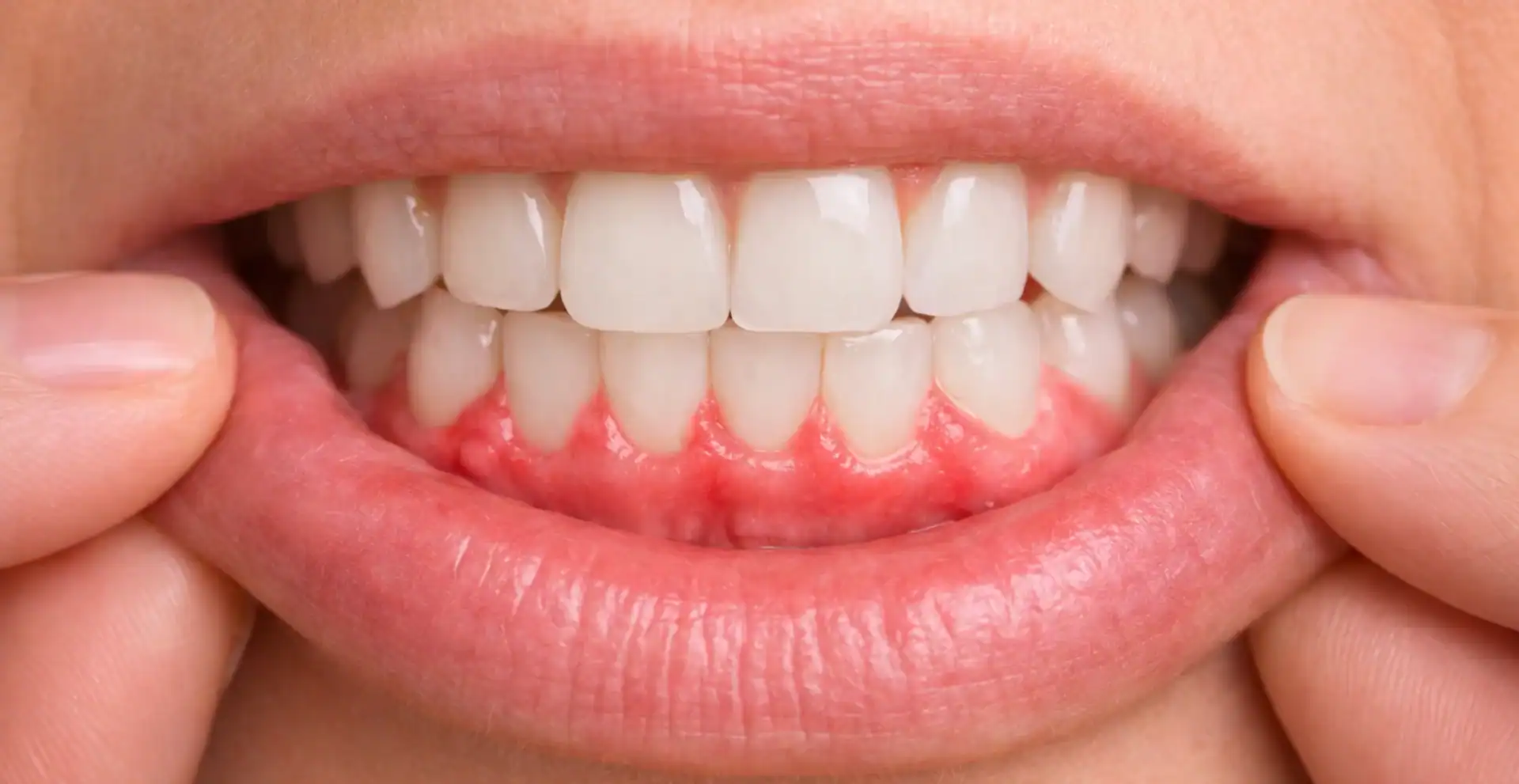
- Swollen or inflamed gums
- Visible plaque or tartar buildup
If you experience any of these symptoms, it is important to consult your dental team to address any potential issues promptly.
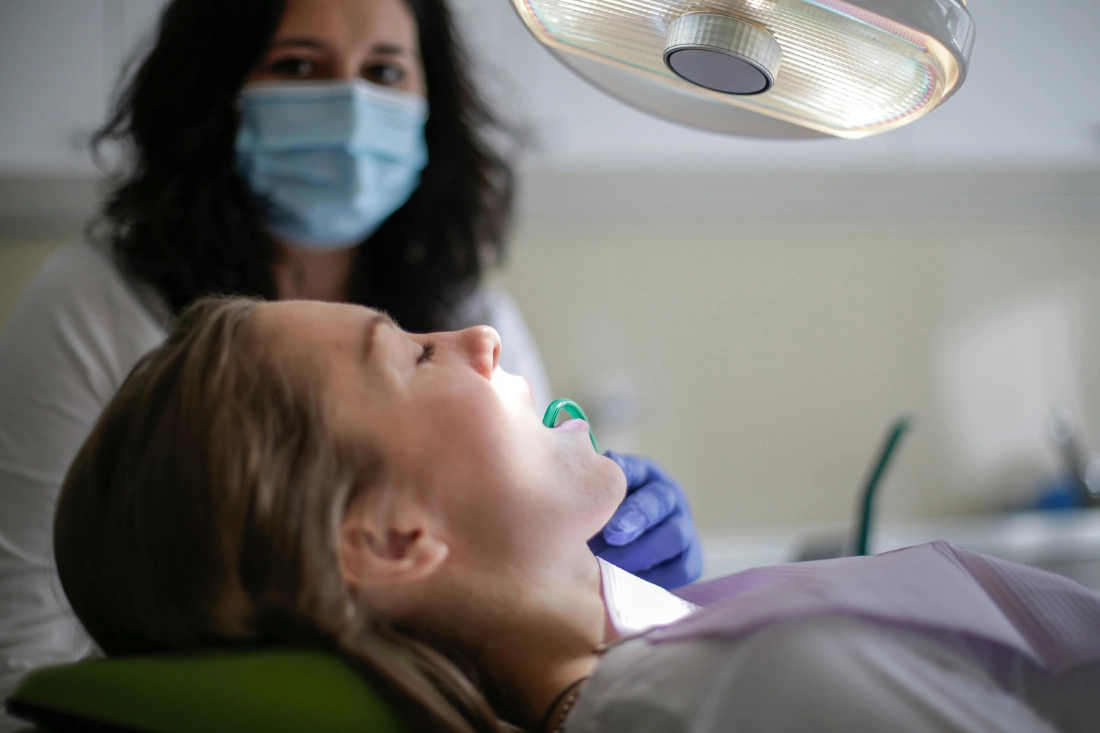
Regular dental cleanings are a vital part of maintaining good oral health. By understanding the teeth cleaning process and how long a dental cleaning takes, you can better appreciate the importance of routine cleanings and their role in preventing serious oral health issues. Remember to schedule regular cleanings with a dental professional like Dental Innovations in Oklahoma City and maintain good oral hygiene habits at home to keep your teeth and gums healthy.
Whether it’s your first time or your routine visit, professional dental cleanings are essential for a healthy smile and overall well-being. Don’t hesitate to visit the dentist and keep your oral health in check!