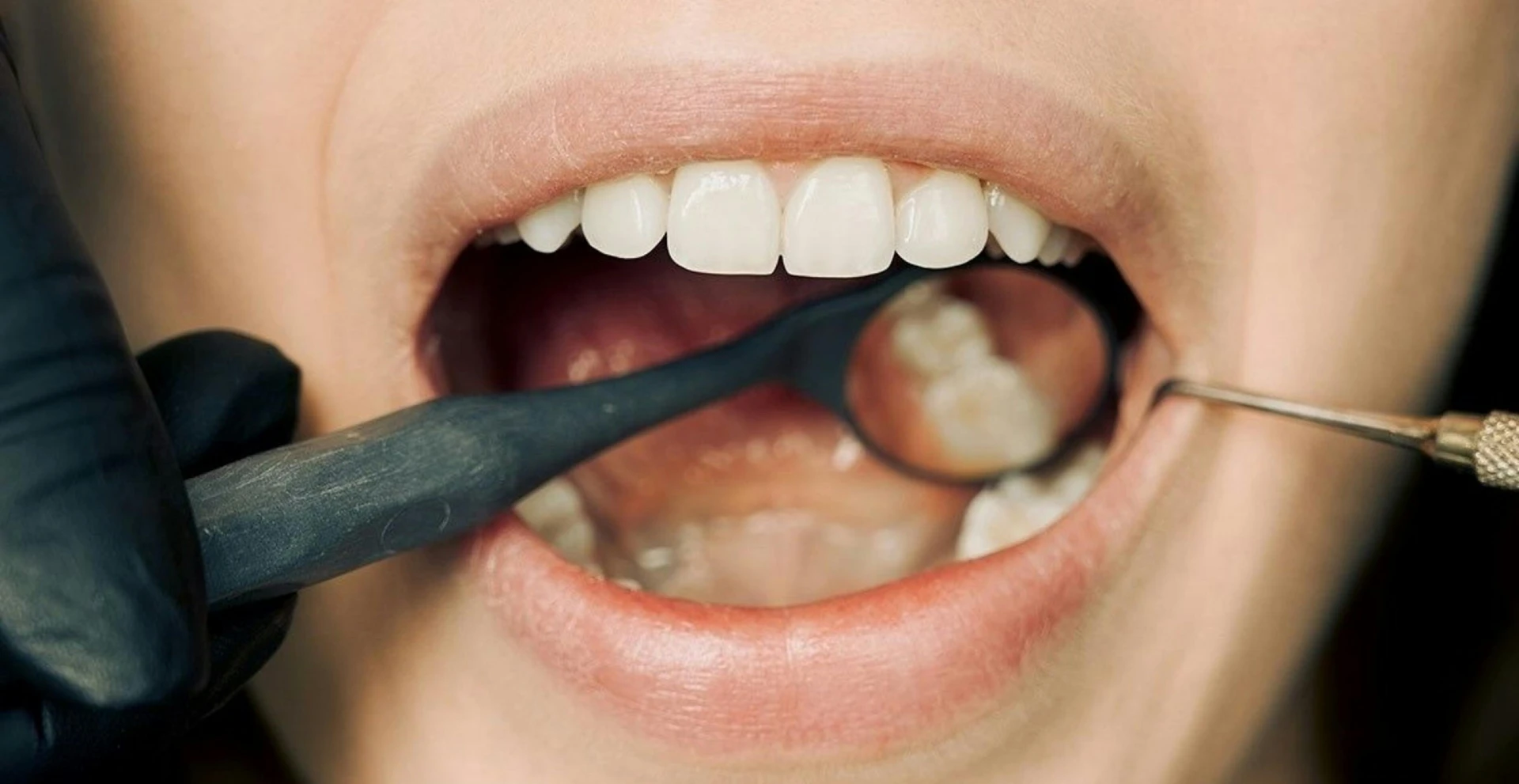
When most people hear the word fluoride, they picture a child’s routine visit to the pediatrician’s office or a school dental screening. At Dental Innovations, we hear this assumption from patients all the time, and it is one of the most common myths in dentistry. The truth is that fluoride treatment for adults is just as valuable, and in many cases even more important, than it is for children. As part of the general dental treatment we provide to families throughout our community, we make professional fluoride treatment available to patients of every age, because healthy teeth are not something you outgrow the need for.
In this article, we will walk through why fluoride matters for adults, who benefits most from it, what a professional fluoride treatment actually involves, and how our team at Dental Innovations incorporates it into your regular dental visits.
What Is Fluoride, and Why Does It Matter?
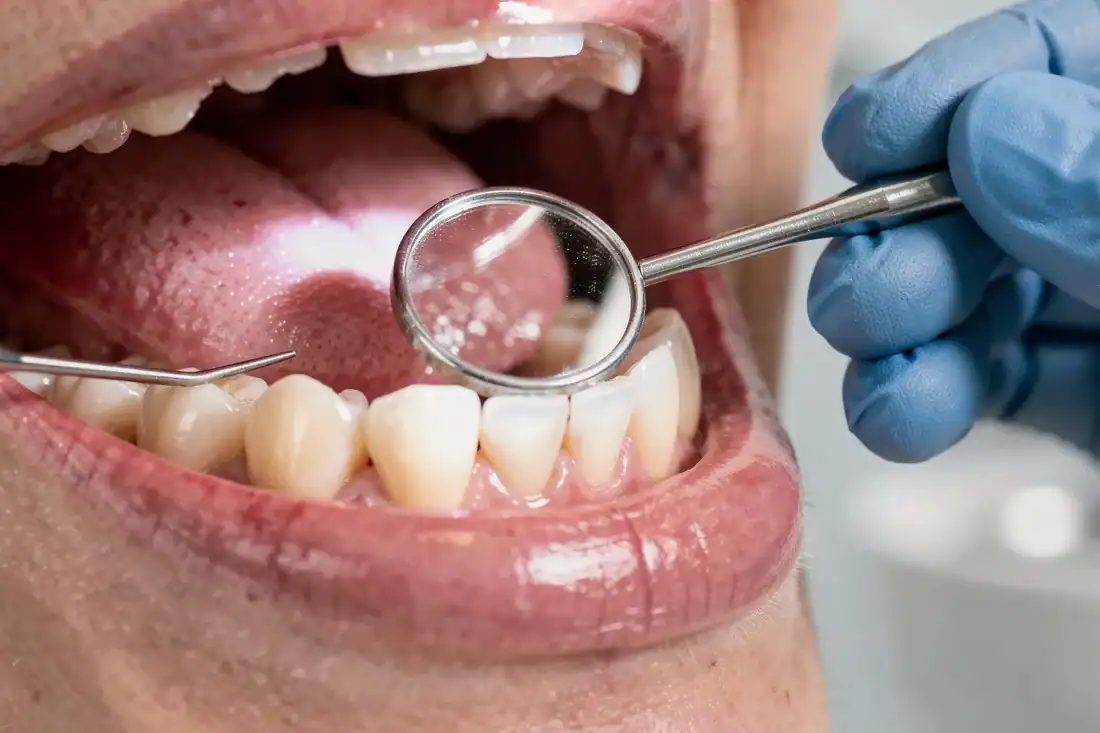
Fluoride is a natural mineral found in soil, water, and many foods. It has been studied for decades and is widely recognized by the American Dental Association and the Centers for Disease Control and Prevention (part of the U.S. Department of Health and Human Services) as one of the most effective tools we have to prevent tooth decay. Fluoride works by strengthening tooth enamel, the hard outer layer that protects your teeth from the acid produced by acid-producing bacteria in the mouth.
Every time you eat, especially foods high in sugar or acidic foods, bacteria in your mouth produce acid that attacks the minerals in your enamel. Over time, this process can wear down tooth surfaces and lead to dental caries, more commonly known as cavities. Fluoride helps by remineralizing weak spots in the enamel before they become full-blown cavities, essentially repairing the damage before it becomes a bigger problem. This is true whether the fluoride comes from fluoridated water, fluoride toothpaste, or a professional fluoride treatment applied at the dentist’s office.
There are two main categories of fluoride exposure: systemic fluorides, which are ingested through drinking fluoridated water or taking dietary supplements, and topical fluoride, which is applied directly to the tooth surfaces. Both children and adults benefit from a combination of the two, but as we get older, topical fluoride treatment becomes an increasingly important part of maintaining good oral health.
Why Adults Benefit From Fluoride Treatment
It is a common misconception that once permanent teeth have fully developed, fluoride no longer serves a purpose. In reality, adults face a unique set of risk factors that make fluoride treatment for adults just as relevant as it is for children, sometimes more so.
Gum recession and exposed root surfaces. As we age, gum recession becomes more common, whether from gum disease, aggressive brushing, or simply years of wear. When the gum line recedes, it exposes root surfaces that were never designed to be exposed to the elements. Unlike the enamel that covers the crown of your tooth, root surfaces do not have that same protective layer, which makes them far more vulnerable to decay. Fluoride helps strengthen these exposed tooth roots, reducing the risk of root caries in older adults.
Dry mouth. Saliva plays a critical role in washing away food particles and acid producing bacteria, as well as delivering natural minerals to the teeth. Many adults experience dry mouth as a side effect of medications, certain medical conditions, or age-related changes. Patients with Sjögren’s syndrome, in particular, often struggle with chronic dry mouth, which significantly increases their risk of cavities. Because there is less saliva to naturally protect the teeth, additional fluoride becomes an important part of managing that risk.
Orthodontic brackets. Adults who choose orthodontic treatment later in life, whether traditional braces or other appliances, often find it more difficult to clean around orthodontic brackets and wires. Food particles and plaque can build up in hard-to-reach areas, raising the risk of cavities during treatment. A professional fluoride treatment can help protect enamel throughout the orthodontic process.
History of tooth decay. If you have had frequent cavities in the past, your dentist may consider you a high-risk patient going forward. Fluoride treatment can be an important preventive step for adult patients with a history of early decay or ongoing cavity risk.
Dietary habits and other risk factors. Frequent consumption of acidic foods and sugary drinks, tobacco use, and inconsistent oral hygiene all contribute to a higher risk of cavities. Combined with any of the other risk factors above, these habits make a strong case for adding fluoride treatment to your regular dental visits.
How Professional Fluoride Treatment Works

At Dental Innovations, professional fluoride treatment is a simple, comfortable part of your appointment. Unlike the fluoride found in toothpaste or tap water, the fluoride used in a dental office is much more concentrated, which is why it needs to be applied by a trained dental hygienist or dentist rather than used at home without guidance.
There are a few different forms professional fluoride treatment can take:
- Fluoride varnish. This is one of the most common methods used today. Fluoride varnish is a sticky coating that is painted directly onto the tooth surfaces with a small brush. It hardens almost instantly upon contact with saliva, allowing the fluoride to stay in close contact with the enamel for several hours after your appointment. Studies have shown that fluoride varnish application can reduce caries by as much as 43 percent, and formulations such as 2.26 percent fluoride varnish have been shown to help prevent root caries in adults, making it especially useful for exposed root surfaces.
- Fluoride gel or foam. Gel and foam fluoride products are typically placed in a tray or mouthguard that fits over the teeth. The patient bites down gently and the gel foam stays in place for just a few minutes while the fluoride is absorbed into the enamel.
- Fluoride rinse. Similar to a mouthwash, a fluoride rinse is used after brushing and gives an additional boost of topical fluoride to the tooth surfaces.
Whichever method our dental hygienist applies during your visit, the process is quick, painless, and typically takes just a few minutes as part of your regular cleaning or exam. Most professional fluoride treatments require patients to avoid eating or drinking for about 30 minutes afterward, giving the fluoride time to fully absorb into the enamel and produce the best results.
How Often Should Adults Get Fluoride Treatment?
The frequency of fluoride treatment depends largely on your individual cavity risk. For adults considered low risk, with strong oral hygiene habits and no significant risk factors, fluoride varnish applied once or twice a year alongside regular dental visits may be sufficient. For adults at higher risk, whether due to dry mouth, gum disease, a history of frequent cavities, or other risk factors, we generally recommend fluoride treatment every three to six months, with fluoride varnish applied two to four times a year.
Research suggests that regular fluoride treatment can decrease tooth decay by 20 to 40 percent, and reduce the risk of cavities by roughly 25 percent overall, when combined with good oral hygiene and consistent dental visits. For older adults especially, who may be managing exposed root surfaces, medication-related dry mouth, or long-term restorations, staying on a fluoride schedule is one of the simplest ways to protect the investment you have already made in your smile.
What to Expect During Your Visit
If your dentist or dental hygienist recommends a fluoride treatment as part of your visit, there is nothing to be nervous about. After your cleaning, the hygienist applies the fluoride varnish, gel, or foam directly to your teeth by using a small brush or tray. You may notice a slightly gritty texture or mild taste, but the process itself is fast and comfortable. Many patients are surprised at how quick and easy it is, often not realizing the treatment is complete until they are told.
Afterward, we will let you know how long to wait before eating or drinking, since giving the fluoride time to work helps maximize its benefits. This is also a great time to ask your dentist any questions about your specific cavity risk, whether prescription-strength toothpaste or additional fluoride products might be right for you, and how often you should schedule follow-up treatments.
Fluoride at Home vs. Fluoride at the Dentist’s Office
While professional fluoride treatment offers a higher concentration and more immediate benefit, at-home fluoride care remains an essential part of good oral health. Brushing twice a day with a fluoride toothpaste that carries the ADA Seal of Acceptance is one of the simplest habits you can maintain. Many communities also provide fluoridated water, which offers a steady, low-level source of fluoride throughout the day for both children and adults.
For patients who need fluoride beyond what toothpaste and tap water provide, we may recommend a prescription-strength toothpaste or a fluoride rinse for daily use at home. These options are especially helpful for adults managing dry mouth, gum recession, or a higher-than-average risk of cavities. As always, our team is happy to talk through which combination of professional and at-home fluoride care makes the most sense for your particular needs.
The Cost of Fluoride Treatment
One of the questions we hear often is about cost. Professional fluoride treatment is typically an affordable addition to a routine visit, generally ranging from about $30 to $70 depending on the type of fluoride used and your location. Many dental insurance plans cover fluoride treatment for adult patients who have documented risk factors, such as dry mouth, gum disease, or a history of frequent cavities, so it is worth checking your benefits or asking our front desk team for help understanding your coverage. Considering that a single filling or crown often costs significantly more than a fluoride treatment, this simple preventive step is one of the most cost-effective ways to protect your dental health over time.
Frequently Asked Questions
Do adults really need fluoride treatment, or is it just for children and adults with severe problems?
Fluoride is beneficial for children and adults alike. While every patient’s needs are different, most adults can benefit from at least an annual fluoride treatment, and those with elevated cavity risk often benefit from more frequent visits.
How is sodium fluoride different from the fluoride in toothpaste? Sodium fluoride is one of the most
common forms of fluoride used in both toothpaste and professional treatments. The main difference is concentration. The sodium fluoride used in a professional fluoride treatment at our dental office is far more concentrated than what you would find in an over-the-counter toothpaste, which is why it is applied by a dental hygienist rather than used unsupervised.
Can fluoride treatment help with tooth sensitivity? Yes. Many adult patients come to us specifically
because of tooth sensitivity, often related to gum recession or exposed root surfaces. Fluoride helps rebuild weakened enamel and can meaningfully reduce sensitivity over time.
Is fluoride treatment safe?
Fluoride has been studied extensively for decades, and organizations including the American Dental Association and the Centers for Disease Control and Prevention consider it a safe, effective way to prevent tooth decay when used appropriately. Our team follows established guidelines for every fluoride treatment we provide, whether it is a fluoride varnish, gel, or foam application.
Signs You May Be a Good Candidate for Fluoride Treatment
Not every patient needs the same level of fluoride care, which is why we evaluate each person individually rather than applying a one-size-fits-all approach. You may be a good candidate for more frequent professional fluoride treatment if you experience any of the following:
- Frequent cavities or a recent diagnosis of early decay
- Ongoing dry mouth, whether from medication, age, or a condition like Sjögren’s syndrome
- Visible gum recession or newly exposed root surfaces
- Active orthodontic treatment with brackets or wires
- A diet that includes frequent acidic foods or sugary snacks and drinks
- A personal or family history of gum disease
- Existing dental work such as crowns, bridges, or fillings that you want to protect
If any of these apply to you, it is worth bringing up during your next visit. Our dentist and dental hygienists are always happy to walk through your specific risk factors and explain how fluoride can help.
Why Choose Dental Innovations for Fluoride Treatment

At Dental Innovations, we believe that prevention is always better than treatment after the fact. Fluoride treatment is a small part of your visit, but it plays a meaningful role in protecting your enamel, reducing tooth sensitivity, and lowering your overall cavity risk. Our team takes the time to evaluate your individual risk factors, from gum recession and dry mouth to your history of tooth decay, so we can recommend the right frequency and type of fluoride treatment for you.
Whether you are due for a routine cleaning, managing tooth sensitivity, or simply want to make sure your smile stays strong for years to come, our dental hygienists are ready to help. Fluoride treatment for adults is a simple, evidence-based way to keep your teeth strong, and it fits easily into the general dental treatment we already provide at every visit.
If it has been a while since your last cleaning, or if you are curious whether fluoride treatment is right for you, we invite you to schedule an appointment with our team. We look forward to helping you protect your smile, one visit at a time. Contact us today to schedule your appointment!