If you’ve ever experienced sharp pain while flossing, you’re not alone. Many people wonder why their teeth hurt when flossing and whether this pain signals a serious problem. Understanding the common causes of flossing-related discomfort can help you address the issue and maintain better oral health.
At Dental Innovations, we frequently hear patients express concern about tooth sensitivity during flossing. While minor discomfort can be normal when starting a flossing routine, persistent pain often signals underlying issues like gum disease, tooth decay, or nerve sensitivity.
Related Article: How to Relieve Pain After Teeth Cleaning
- Understanding Tooth Sensitivity
- Common Reasons Your Teeth Hurt When Flossing
- When Pain Requires a Dentist Visit
- Proper Flossing Techniques
- Alternative Tools for Sensitive Teeth
- How Dental Innovations Can Help
- Prevention Through Good Oral Hygiene
- FAQ About Flossing Pain
- Take Control of Your Dental Health
- Sources
Understanding Tooth Sensitivity
Each tooth contains layers: hard outer enamel, softer dentin beneath, and an inner pulp chamber housing nerves and blood vessels. Tooth nerves are incredibly sensitive and react to temperature, pressure, and exposure. The enamel acts as a protective layer, but when it wears down, the underlying dentin becomes exposed. Dentin contains tiny tubules connecting to nerves, causing dentin hypersensitivity and intense discomfort during flossing.
Healthy gums form a protective seal around teeth, but when compromised, sensitive areas become exposed—where many flossing problems begin.

Common Reasons Your Teeth Hurt When Flossing
1. Gum Disease and Inflammation
Gum disease is one of the most common causes of pain when flossing. When plaque and bacteria accumulate along the gumline, infections develop. You may notice swollen gums appearing red and puffy. Bleeding gums are common symptoms of gum disease, and flossing inflamed areas feels painful. Additional symptoms include bad breath and redness around the gumline.
Gingivitis is the earliest gum disease stage and reversible with care. Untreated gingivitis can progress to periodontitis, causing tooth damage. The solution? Regular flossing removes bacteria and plaque causing swollen gums, inflammation, and bad breath. Most patients get relief within two weeks of consistent flossing. If bleeding gums don’t improve, schedule an appointment with Dental Innovations for gum disease treatment.
2. Improper Flossing Technique
Snapping dental floss forcefully between teeth or pushing too hard damages gum tissue, irritates nerves, and causes pain. Proper flossing requires gentle, controlled movements. Dental floss should curve around each tooth in a C-shape. Water flossers offer a gentler alternative, using pulsating water to remove plaque and food particles while protecting sensitive teeth.
3. Gum Recession and Exposed Roots
Gum recession occurs when tissue pulls away, exposing tooth roots and creating sensitive areas. Unlike enamel-covered crowns, roots have only thin cementum. Exposed roots are sensitive to touch, temperature, cold air, and flossing. You’ll notice tooth sensitivity when breathing through your mouth, in cold air, or eating hot foods.
Exposure makes flossing uncomfortable because nerve endings in exposed dentin lack protection. These areas become prone to decay. Recession results from aggressive brushing and flossing, periodontal disease, genetics, orthodontic treatment, or aging. A desensitizing toothpaste with potassium nitrate or stannous fluoride can help calm sensitive roots over a few weeks. See our guide to the best toothpaste for gum disease and sensitivity.
4. Tooth Decay and Cavities
Cavities expose dentin or reach nerves. When dental floss contacts decayed areas, it triggers sharp pain or toothache—your body’s alert system. Tooth decay occurs when bacteria produce acids eating away enamel. As decay reaches dentin, sensitivity increases. Pain in one specific tooth, especially with sensitivity to sweet or acidic foods, can indicate a cavity needing treatment.
Untreated cavities and tooth decay worsen, leading to infections requiring extensive care. Decay spreads to pulp where nerves are located, causing severe tooth pain. Limiting acidic foods prevents enamel erosion and reduces tooth reactivity.
5. Other Common Causes
Recent dental work causes temporary tenderness as teeth and gums heal. Infrequent flossing leads to initial bleeding and soreness from gunk build-up. Bacteria trapped between teeth cause inflammation making flossing painful. Cracked teeth allow dental floss to irritate inner layers, causing pain. Cracks trap bacteria and food, leading to decay and infections requiring a dentist.
When Pain Requires a Dentist Visit
Normal discomfort: Mild tenderness when starting a routine, slight sensitivity with inflammation, brief soreness, and minor bleeding that decreases with regular flossing.
Concerning symptoms: Sharp pain persisting after flossing, bleeding that hasn’t improved after two weeks, swelling or signs of infection, pain in one specific tooth, sensitivity that lingers for more than a few seconds, visible recession, pain getting worse, or a persistent toothache.

Schedule an appointment at Dental Innovations if you’re experiencing concerning symptoms. A dental professional can diagnose causes and recommend treatment to restore oral health and help you find relief.
Proper Flossing Techniques
The American Dental Association recommends cleaning between your teeth daily to maintain your gums and teeth. Proper flossing technique prevents nerve sensitivity and gum pain. Use 18 inches of dental floss, hold taut, slide gently between teeth without snapping. Curve floss in C-shape at gumline, slide up and down tooth surfaces removing plaque and food particles. Clean both tooth surfaces per gap. Floss regularly before bedtime for consistency and gum health.
Visit our brushing and flossing guide for detailed technique and oral hygiene tips.
Alternative Tools for Sensitive Teeth
Water flossers clean gently with pulsating water, perfect for delicate gums, braces, or bridges. Floss picks provide better control. Waxed dental floss glides smoothly, reducing irritation for sensitive teeth. Interdental brushes work for larger gaps.
How Dental Innovations Can Help
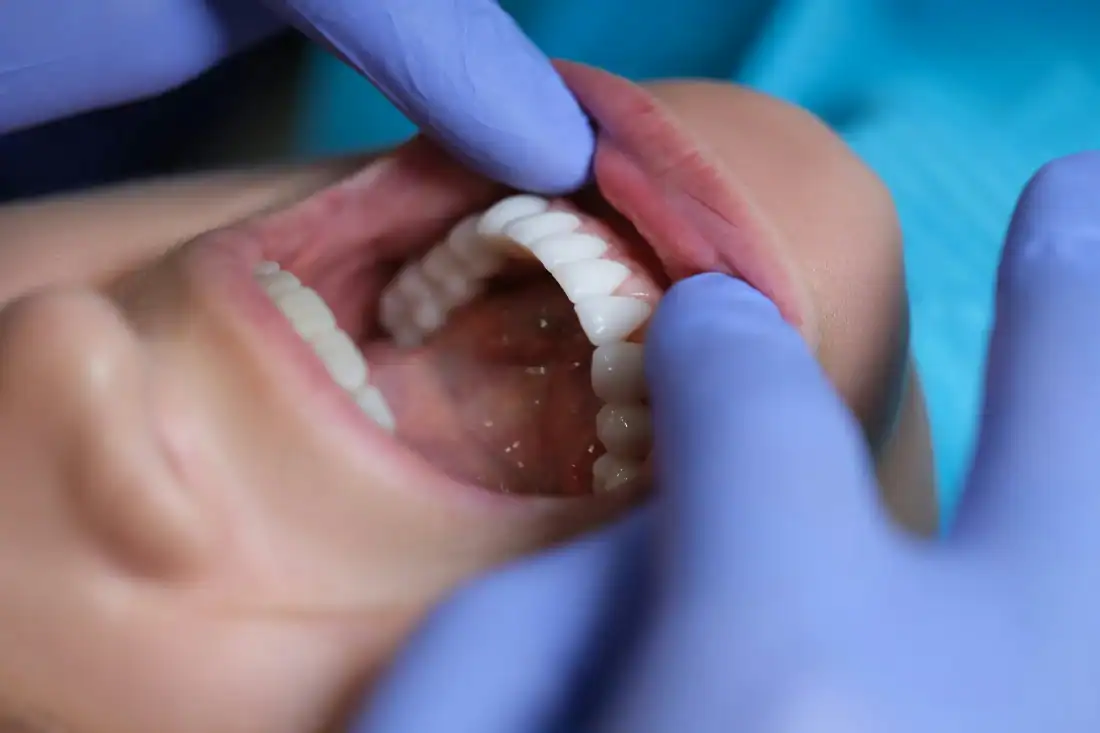
At Dental Innovations, we understand experiencing pain discourages this crucial oral health habit. Our Oklahoma City team provides thorough examinations identifying pain sources, demonstrations of proper technique, and treatment for cavities, gum disease, tooth decay, and tooth sensitivity. We recommend the best tools for your needs and create personalized oral care plans. Our dental hygienist helps with professional cleanings removing plaque and tartar.
Don’t let pain prevent good dental health. Many patients with sensitive teeth find relief once underlying causes are treated—whether gingivitis, tooth decay, dentin hypersensitivity, or technique issues.
Prevention Through Good Oral Hygiene
Prevent tooth pain through excellent oral cleanliness and regular visits. Floss regularly for healthy, resilient gums—daily flossing removes plaque before hardening into tartar. Practice brushing twice daily with soft-bristled toothbrush and fluoride toothpaste. Proper brushing removes plaque preventing cavities. Schedule cleanings every six months—your dental hygienist removes build-up you can’t. Address problems early—don’t ignore symptoms. Early care for gingivitis, cavities, or sensitivity is less invasive. Maintain balanced diets limiting sugary foods contributing to decay and bacteria. Stay hydrated maintaining saliva production protecting against decay.
FAQ About Flossing Pain
Should I stop flossing if teeth hurt?
No—don’t stop flossing despite initial discomfort. Continue flossing properly. If pain persists two weeks or worsens, contact us.
Can flossing damage teeth or gums?
With proper technique, flossing is safe. Aggressive flossing or improper technique can cut gum tissue and contribute to gum recession over time.
Take Control of Your Dental Health
Understanding why teeth hurt when flossing is the first step toward better oral health and a healthier mouth. Whether dealing with gum disease, sensitive teeth, tooth decay, or needing technique refinement, solutions exist. Don’t let tooth pain prevent regular brushing and flossing.
At Dental Innovations in Oklahoma City, we help you achieve comfortable oral hygiene. If flossing causes pain, don’t suffer or abandon this habit. Our dentist diagnoses problems and provides treatment. Many patients experiencing pain discover treatable causes—gingivitis, cavities, sensitivity, recession, or technique. Once we treat underlying issues, flossing becomes comfortable and routine.
Ready to stop letting tooth pain control your care? Contact Dental Innovations today. We’ll examine for gum disease, tooth decay, or sensitivity problems and develop pain-free routines ensuring healthy teeth and gums for years. Don’t let another day pass with painful flossing—let us help you find relief and achieve the healthy mouth you deserve.
This article is for educational purposes only and does not replace a dental exam or diagnosis. If you have pain, swelling, or other concerns, please contact a dentist or doctor.
Sources
- American Dental Association – Floss/Interdental Cleaners (Oral Health Topics)
- American Dental Association – Tooth Sensitivity (MouthHealthy)
- American Academy of Periodontology – Gum Recession
- National Institute of Dental and Craniofacial Research – Gum Disease


