Do you find yourself hiding your smile due to stained, crooked, chipped, or cracked teeth? If so, it might be time to consider dental veneers as an option to transform your grin and boost your confidence. Dental veneers are among the most popular dental procedures available today, providing a swift and effective way to transform smiles for all.
At Dental Innovations in Oklahoma City, our skilled cosmetic dentists can use both porcelain and composite veneers for a variety of cosmetic corrections. During your initial consultation, we’ll discuss your individual goals and create a personalized treatment plan that aligns with your unique vision for your smile.
Related Article: What Do Teeth Look Like Under Veneers?
What Are Dental Veneers?
Dental veneers are thin shells bonded to the front surface of your teeth, designed to conceal imperfections and provide a radiant smile. You can choose between two primary types of dental veneers: porcelain or composite veneers, each offering its own set of benefits.

Comparing Porcelain and Composite Veneers
Porcelain veneers and composite veneers are both popular types of dental veneers used in cosmetic dentistry to improve the appearance of your pearly whites. Porcelain veneers, often referred to as porcelain laminate veneers, are crafted from a stronger material and known for their durability and natural-looking results, thanks to their translucent quality.
They require a bit of enamel removal for placement, and with proper care, they can serve as permanent veneers for 10 to 15 years or longer. On the other hand, direct composite veneers are made from composite material and can be shaped directly onto your teeth in a single visit. While composite veneers are less expensive and can be a quicker option, they may need replacements sooner due to their susceptibility to staining and wear.
Porcelain Veneers
Porcelain veneers are crafted from high-quality porcelain and are known for their natural appearance and durability. These extremely thin strips are custom-made to match the natural color of your surrounding teeth, effectively masking imperfections. Once applied, porcelain veneers can often go undetected, achieving a flawless finish that lasts.
How long do porcelain veneers last? One of the biggest advantages of porcelain veneers is their stain resistance; you don’t have to worry about daily habits like drinking coffee or red wine dulling your smile. With proper dental care, porcelain veneers typically last between 10-15 years, making them a worthwhile investment for a long-lasting, beautiful smile.

Who Should Get Porcelain Veneers?
Porcelain veneers are an excellent choice for anyone dissatisfied with their smile due to various reasons, such as:
- Chipped or Damaged Teeth: Veneers can cover up imperfections to restore your smile.
- Discolored Teeth: For those who have stubbornly stained teeth that do not respond to whitening treatments, veneers can be an ideal solution.
- Gaps Between Teeth: Veneers can easily close gaps, providing a more uniform appearance without the need for orthodontics.
- Crooked Teeth: While veneers are not a replacement for orthodontic treatment, they can significantly improve the appearance of teeth that are slightly misaligned.
However, to be a good candidate for veneers, you need to have sufficient enamel for proper adhesion. If enamel is insufficient due to tooth decay or wear, we may discuss alternative solutions tailored to your needs.
Composite Veneers
Composite veneers are made of a composite resin material that can be shaped and colored to match your natural teeth. These veneers can be applied directly in the dental office during a single appointment, making them a more convenient choice for many patients. The process is less invasive than traditional veneers because it often requires minimal removal of tooth enamel.
The primary advantage of composite veneers is their affordability. They usually cost less than porcelain veneers and are a suitable option for patients seeking a cost-effective solution to beautify their smiles. However, it’s important to note that composite veneers typically have a shorter lifespan, lasting around 4 to 8 years. Due to their porous nature, they are susceptible to staining and may require more frequent repairs compared to their porcelain counterparts.

Who Should Get Composite Veneers?
Composite veneers are a fantastic option for individuals seeking a quick and affordable solution to better their smile. Here are some specific scenarios where composite veneers are particularly beneficial:
- Minor Imperfections: If you have slight chips or uneven edges in your teeth, composite veneers can be applied to cover these imperfections, providing a more polished look.
- Discolored Teeth: For a patient with stained teeth that don’t respond to whitening treatments, composite veneers can effectively mask discoloration, giving your smile a bright and refreshed appearance.
- Quick Fix for Gaps: Composite veneers can close small gaps between teeth, offering a more uniform smile without the need for orthodontic treatments. Their chairside application means you can achieve results in a single visit.
- Patients Seeking Affordability: If you’re looking for an aesthetic enhancement that fits your budget, composite veneers are generally a more affordable option compared to porcelain veneers.
- Revisable Options: For those who prefer a reversible procedure, composite veneers allow flexibility. They can be removed or adjusted more easily than porcelain veneers, making them a great choice for individuals who are uncertain about a permanent change.
However, it’s important to note that composite veneers may have a shorter lifespan (typically lasting around 4 to 8 years) compared to porcelain options. Proper oral hygiene and regular dental visits are crucial for maintaining the appearance and longevity of composite veneers. If you have significant existing dental issues, such as tooth decay or loss of enamel, your cosmetic dentist will evaluate your situation and discuss the best treatment options available for your needs.
Minimal Prep Veneers: A Modern Solution
For those concerned about enamel removal, we also offer no-prep veneers. Unlike traditional porcelain veneers, which require some tooth enamel reduction, no-prep veneers require minimal or even no enamel removal. These ultra-thin porcelain shells are similar in thickness to a contact lens, making them a quick and reversible option for many patients.
Benefits of No Prep Veneers
- Reversible Procedure: Many patients appreciate that no-prep veneers can be reversible, meaning you can potentially have them removed without significant impact on your natural tooth structure.
- Minimal Enamel Loss: Since they require very little to no enamel removal, your natural teeth remain largely intact.
- Less Chair Time: The quicker application process often means fewer dental visits and less time in the dental chair.
With proper care, minimal prep-work veneers can last as long as 20 years, providing a durable and aesthetically pleasing solution for your smile makeover.
Making the Choice: Composite vs. Porcelain Veneers
Deciding between composite and porcelain veneers largely depends on your personal needs, lifestyle, and budget. Here are a few factors to consider:
Cost
If you’re looking for a budget-friendly option, composite veneers present a great solution without sacrificing the ability to improve your smile.
Longevity
If you’re willing to invest in a longer-lasting option, porcelain veneers are generally viewed as the superior choice due to their durability and resistance to stains.
Aesthetic Goals
For those who prioritize a natural look and feel, porcelain veneers are designed to blend seamlessly with existing teeth, thanks to their translucency and natural appearance.
Maintenance
After application, porcelain veneers typically require less maintenance compared to composite veneers, which may need repairs or resurfacing over time.
Can Dental Veneers Fix a Broken Tooth?
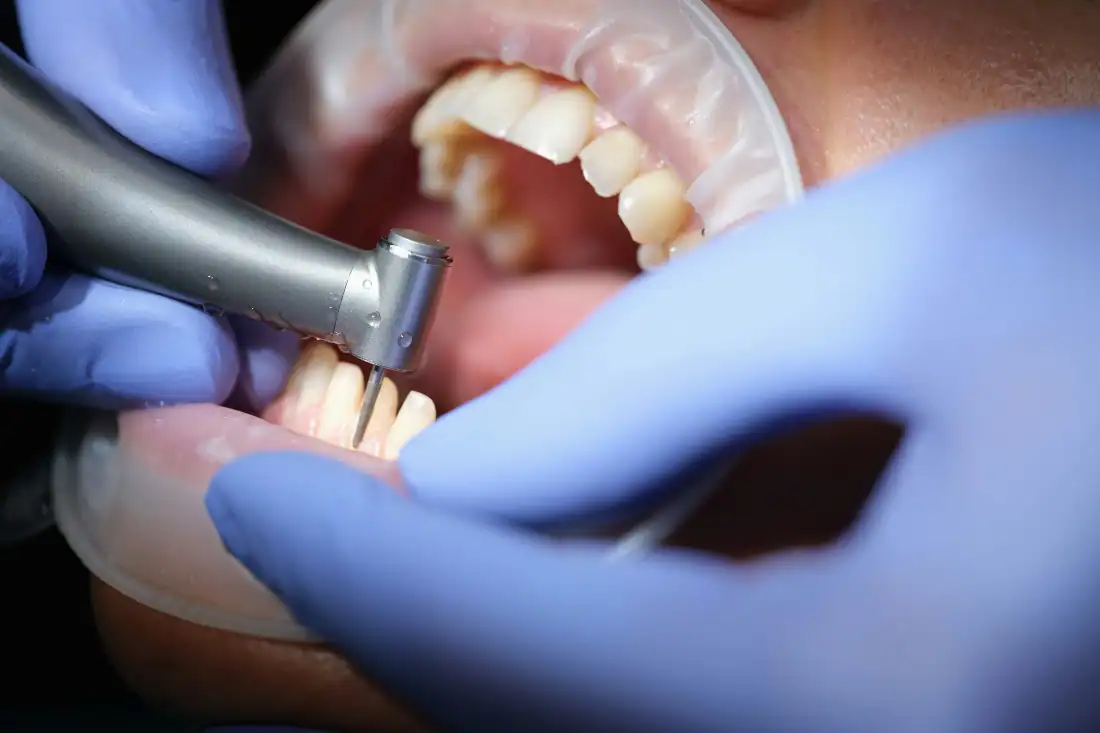
Yes, a dental veneer can be an effective solution for a broken tooth. A porcelain veneer can cover the damaged tooth, restoring both the function and appearance of the tooth. The process involves applying a custom-crafted veneer that perfectly matches the color and shape of your other teeth, providing a natural look. If you’re looking for a less invasive option, a composite veneer can also be applied as a direct composite veneer, allowing for immediate treatment in a single appointment. Temporary veneers may be used if further adjustments are needed before the permanent veneer is placed.
The Importance of Consulting with a Cosmetic Dentist
The journey to achieving your ideal smile through veneers begins with a comprehensive consultation with one of our experienced cosmetic dentists. We will evaluate your dental health, discuss your aesthetic goals, and develop a personalized plan that suits your needs. As part of our commitment to providing exceptional general dentistry services in Oklahoma City, it’s important to work together to make sure your chosen veneers fit seamlessly with your existing teeth and support your overall oral health.
The Battle Between Composite and Porcelain Veneers: Which Veneer Is Better?
Whether you’re considering traditional porcelain veneers, composite resin veneers, or no prep options, Dental Innovations in Oklahoma City is here to help you navigate the options that work best for you. Understanding the longevity of both composite and porcelain veneers, along with their distinct advantages, can help you make an informed decision that aligns with your smile goals. Ready to explore dental veneers and uncover the perfect smile hiding underneath?
Contact us today to schedule a consultation with one of our fantastic dentists, and let’s get you on your journey to a brighter, more confident smile together! Give us a call at 405-691-0877 or send an email to info@dentalinnovationsokc.com.