So, the dreaded moment has arrived: you’re officially making that root canal appointment. The pain is so excruciating you feel like you’re going to rupture a blood vessel every time you sip coffee or try to chew on that side. But before your mind spirals into full panic mode—let’s slow down and talk about what actually happens during root canal therapy. Spoiler: it’s not as terrifying as it sounds, and it doesn’t take all day either. At Dental Innovations in Oklahoma City, we make this common dental procedure faster, easier, and way less stressful than you’d think.
Related Article: How Do I Know if I Need a Root Canal or a Filling?
What Is a Root Canal?
Root canal therapy is a dental procedure performed to address infection or inflammation within a tooth’s pulp chamber. The goal? To clean, disinfect, and seal the inside of the affected tooth so you can keep your natural tooth and stop the pain.
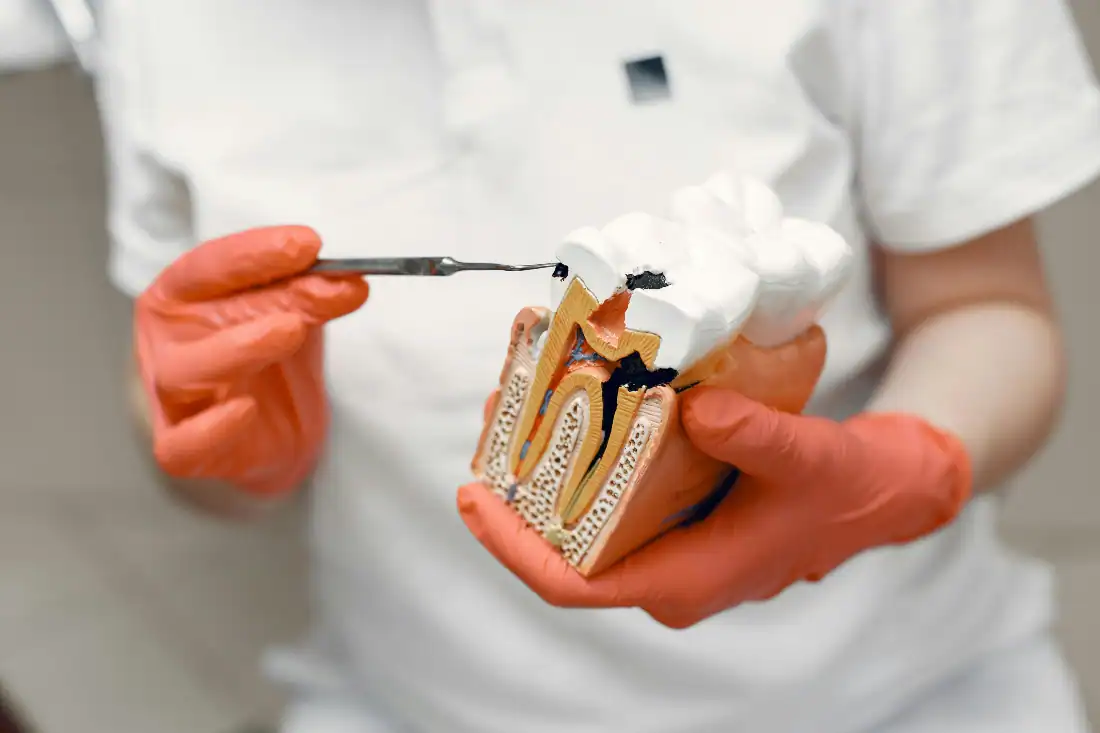
Why You Might Need a Root Canal
Here’s when a root canal treatment becomes necessary:
- Deep decay or a tooth infection
- A cracked tooth or damaged tooth
- Trauma to the face
- Tooth pain that lingers
Left untreated, these issues can spread to other teeth or even your bloodstream. Not ideal.
How Long Does a Root Canal Take?
On average, a standard root canal procedure takes 60 to 90 minutes. Complex cases can take longer, especially if you have a molar with up to four canals or if there’s severe infection or unusual anatomy.
Here’s a breakdown:
- Front teeth (anterior teeth) with only one root: 45–60 minutes
- Canine teeth or premolars: 60–75 minutes
- Molars (one or two roots): 90+ minutes, sometimes requiring multiple visits
Step-by-Step: What Happens During a Root Canal Procedure?
Step 1: Local Anesthesia
A local anesthetic is used to numb the entire area, so you won’t feel pain—just mild pressure.
Step 2: Dental Dam Placement
We place a dental dam to isolate the tooth and keep it clean.
Step 3: Accessing the Pulp Chamber
Your dentist drills a small hole to reach the infected pulp and blood vessels.
Step 4: Removing Infected Pulp
The dentist removes the inflamed pulp, connective tissue, and remaining bacteria inside the canal.
Step 5: Cleaning & Shaping
Each canal is cleaned with files and shaped to receive the filling. In complex cases, this may take extra time.
Step 6: Temporary Filling
A temporary filling is used to seal the treated area if you’re returning for a permanent restoration later.
Step 7: Final Restoration
Once healed, a permanent filling or dental crown is added to protect the treated tooth and restore function.
How Many Appointments Does It Take?
Most root canals performed at Dental Innovations are completed in one visit, but some teeth—especially molars or teeth with previous failed treatments—may require two or more appointments.
Your dentist will review your case and explain the expected timeline based on several factors:
- Tooth location and anatomy
- Presence of infection or inflamed pulp
- If a crown is needed right away
- Whether it’s a retreatment case
At Dental Innovations, we tailor every Oklahoma City, OK, root canal treatment to the tooth—and the person behind it. Whether you’re in and out in one visit or need a couple of appointments to fully resolve the issue, your comfort and long-term dental health are always the priority. If you’re unsure what to expect, our team is here to walk you through each step and answer any questions.
Does a Root Canal Hurt?
Let’s bust a myth: Root canals don’t hurt—tooth infections do. Thanks to local anesthesia and advanced tools, you’ll feel little to no pain during the root canal procedure.
You may feel some mild discomfort for a few days afterward, especially when chewing, but this is easily managed with over-the-counter pain relievers.
What If the Root Canal Fails?
Sometimes, a root canal fails due to hidden canals, missed bacteria, or damage to the treated tooth. If that happens, you may need endodontic treatment called retreatment—or in some cases, an apicoectomy.
How to Recover After a Root Canal Treatment
Post-treatment care matters. Here’s what we recommend:
- Stick to soft foods for a few days
- Avoid chewing on the treated area
- Practice good oral hygiene
- Don’t skip your follow-up appointment for your permanent crown or filling
How Long Does a Root Canal Last?
With proper care, your root canal treatment can last a lifetime. A permanent crown helps protect the tooth and prevent reinfection.

When to Call Your Dentist
After a root canal, call us if you notice:
- Persistent pain or swelling
- Signs of a tooth infection
- A loose temporary filling
- Any unusual discomfort beyond the first few days
More to Know: Root Canal Materials & Symptoms to Watch
A successful root canal relies on more than technique—it also comes down to materials and timing. During treatment, your dentist removes the infected pulp and fills the space with gutta percha, a biocompatible material designed to seal the canal and prevent reinfection. This material bonds well with the inner tooth structure and supports long-term success.
If your tooth has a single root, the process can be quicker. But no matter the complexity, identifying visible signs like swelling, lingering pain, or sensitivity can help prevent root canal infections from spreading to soft tissue.
If left untreated, an infected tooth can cause serious health problems. That’s why early intervention matters. At Dental Innovations, we focus on keeping your teeth healthy, reducing dental anxiety, and helping you get back to life (and being able to cut food) without worry.
Save Your Natural Tooth (and Your Sanity)

Root canal therapy might sound intense, but it’s one of the most effective ways to stop tooth pain and save your natural tooth. At Dental Innovations in Oklahoma City, we use modern techniques and numbing medication to make the process quick, smooth, and surprisingly easy.
If you’re dealing with severe pain, a cracked tooth, or suspect you might need a root canal, don’t wait.
Call 405-691-0877 or email info@dentalinnovationsokc.com to schedule your root canal appointment today.