Solving Common Orthodontic Problems: A Guide to a Healthier Smile
Aligned, straight teeth offer more than just a beautiful smile. It enhances your bite for improved speech and functionality for eating, makes your teeth easier to clean which helps maintain good oral health, and prevents dental issues such as gum disease, tooth decay, loose teeth, and improper jaw development. Whether you’re a child or an adult, seeking orthodontic treatment to address your specific needs can be one of the most important investments in your life.
Today’s technology has opened up endless possibilities when it comes to solving common orthodontic problems. Treating misaligned teeth has never been more efficient than it is now thanks to various advancements in the dental industry. So, if you’re looking for solutions to your orthodontic challenges, rest assured that modern dentistry offers a range of options tailored to your needs.
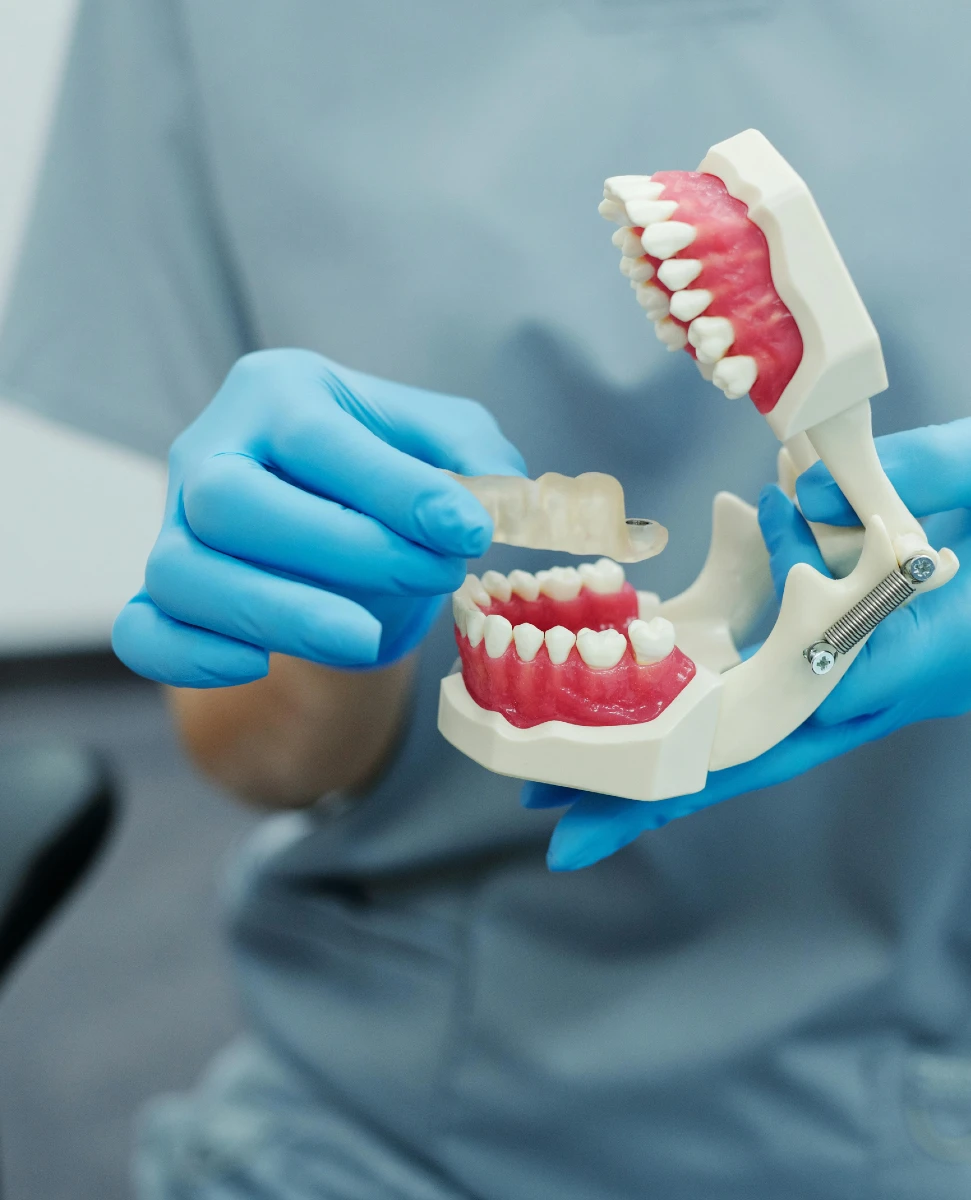
At Dental Innovations, we understand the value of treating various orthodontic problems early to prevent oral health issues and enhance the overall quality of life for our patients. We want to help you achieve the best version of yourself by providing the best orthodontic care in Oklahoma City. Whatever you’re dealing with—from crooked teeth to a severe overbite—we’ve got the expertise and latest technology to efficiently solve any orthodontic issues.
Overview of Orthodontic Treatments
Orthodontic treatments are designed to move, align, and straighten your teeth for the best appearance and functionality. Common treatments include retainers, traditional metal braces, aligners, palate expanders, and surgical procedures. Your orthodontist will consider factors like age, personal preferences, goals, and the severity of the problem to decide on the most suitable treatment for you.
Phases of Orthodontic Treatment
If you’re looking to improve your overall dental health, it’s best to be aware of the following phases of orthodontic treatment to help you prepare for the process:
Phase 1:
Consultation and Planning
For your first orthodontic consultation, your orthodontist will conduct a physical examination of your mouth, teeth, jaw, and overall dental structure. During this phase, you and your orthodontist will discuss your treatment goal and options. Let your orthodontist know what your expectations are so your orthodontist can keep them in mind as they plan out a custom treatment plan.
Phase 2:
Diagnostic Phase
Your orthodontist may take X-rays and pictures, or make a plaster model of your teeth for a more accurate understanding of your orthodontic problems. This will help them further develop your treatment plan and identify possible challenges you may encounter along the way. Diagnostic records also serve as reference points that your orthodontist can use to track your teeth’s improvements and progress over time.
Phase 3:
Preparation
Some treatment plans may require procedures before the actual treatment is carried out, such as extractions and teeth cleaning. Only after these have been completed can you proceed to the next phase.
Phase 4:
Treatmenttitis
This is the phase where the patient starts using orthodontic appliances (e.g. braces, aligners, headgear, and space maintainers) to gradually correct the positioning of their teeth. Depending on the treatment, this phase can take one to two years, with regular orthodontist visits and adjustments in between.
Phase 5:
Maintenance or Retention
When your teeth are finally properly aligned, your orthodontist will provide you with orthodontic devices such as retainers to maintain your teeth’s position. Typically, you’ll have to wear retainers for several months to a couple of years to prevent relapse. After your treatment, you’ll also have regular check-ups and follow-up appointments with your orthodontist to ensure that everything is going well.

Occlusion and Malocclusion
In dentistry, the alignment of your upper and lower teeth when the jaw is closed is called “occlusion.” The proper alignment of teeth (ideal occlusion) is characterized by the upper front teeth slightly overlapping the lower teeth. Teeth should be evenly spaced and the midlines of the upper and lower teeth should align. Additionally, the back teeth or the molars and premolars should line up and fit together when the jaws are closed.
Any observed misalignments and deviations from the ideal occlusion can be considered “malocclusions.” This includes dental issues such as crowded teeth, spacing, underbite, overbite, crossbite, or open bite (we’ll get into these in a bit).
Different Classes of Malocclusion
Depending on the misalignment of the upper and lower teeth, as well as the positioning of the upper jaw and lower jaw, malocclusions can be categorized as one of the following classes:
Class I Malocclusion:
In Class I malocclusion, the upper teeth and lower teeth are generally properly aligned, but the teeth may be misaligned, overcrowded, or rotated. This is the mildest and most common type of malocclusion that often occurs in adult teeth and baby teeth alike.
Class II Malocclusion:
This class of malocclusion involves an overbite where the upper teeth excessively overlap the lower teeth. This can happen when the upper jaw juts out forward too much, or the lower jaw is positioned excessively to the back.
Class III Malocclusion:
In Class III malocclusion (also known as mesiocclusion), the lower jaw and lower front teeth protrude forward and misalign with the upper jaw and upper teeth.
Orthodontic Treatment Options
Here are some of the common orthodontic treatment options for malocclusions in children and adults:

Braces
Braces are a common way to effectively straighten teeth. Brackets are bonded to each tooth’s surface, followed by an archwire (a thin metal wire) threaded through the brackets. Elastic bands secure the archwire in place while also applying additional pressure. Over time, the pressure on the teeth moves the teeth into their correct positions.
There are different kinds of braces:
- Traditional Braces or Fixed Braces: These braces use metal brackets and wires.
- Ceramic Braces: Ceramic braces are similar to traditional ones, but rather than metal brackets, they use tooth-colored ceramic.
- Lingual Braces: Lingual braces are applied to the back of the teeth instead of the front.
Clear Aligners
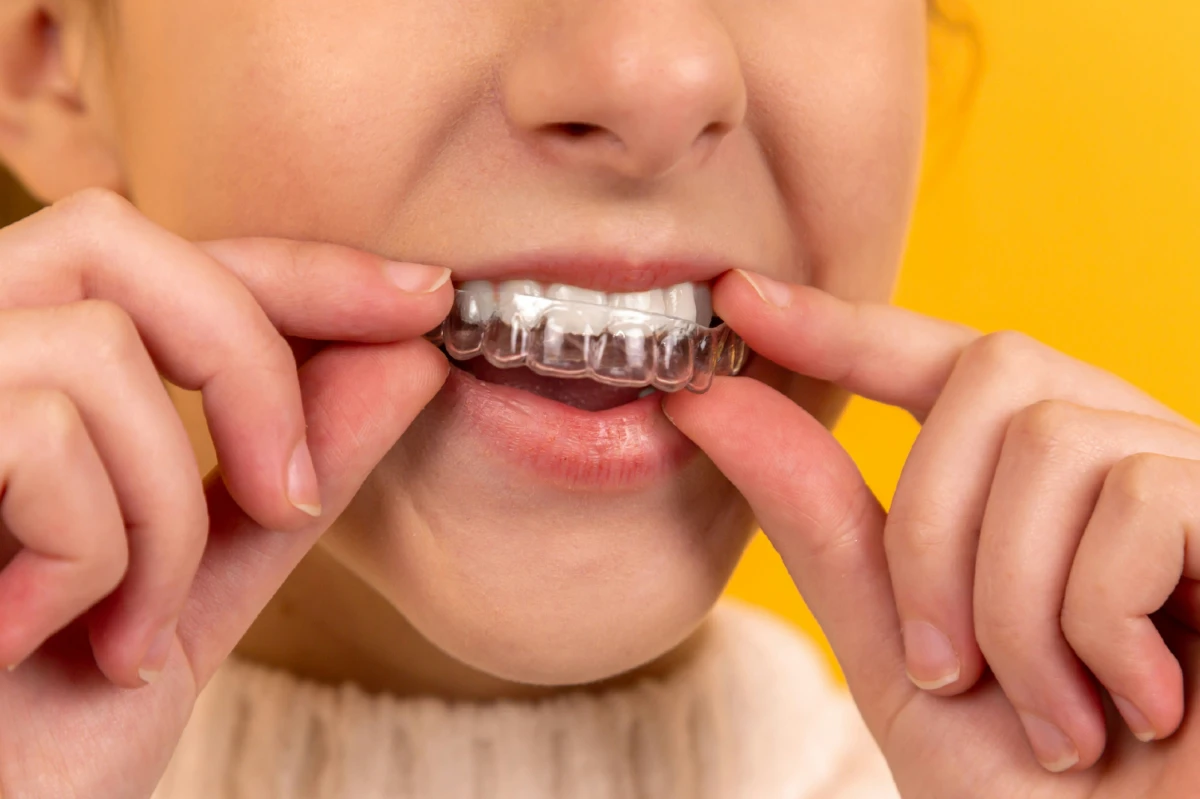
Another way to ensure proper alignment and straightness of teeth is to use clear aligners. Unlike traditional braces, clear aligners are made of transparent material and are less noticeable. The plastic trays fit over the teeth and gradually move the teeth into their correct positions. Read more about the Invisalign technology we offer.

Headgear
An orthodontic headgear is often worn around the lower half of the face. With pressure, it gradually moves the upper jaw or teeth.

Palatal Expanders
These are used to widen narrow dental arches which can help fix a bad bite and can help with crowding.

Surgical Orthodontics
For more complex and extreme cases of malocclusion and skeletal issues, procedures such as jaw surgery may be required to correct the discrepancies.
Common Orthodontic Problems
While the malocclusion classes cover a portion of orthodontic issues, there still exists additional subcategories of malocclusion or teeth and jaw misalignments:
Overbite
An overbite is when the upper teeth protrude or extend beyond the lower teeth vertically. This malocclusion can lead to excessive wear on teeth, especially on the lower teeth. An overbite can also cause jaw pain because it puts pressure on the lower jaw bone. An extremely excessive overlap is called a deep bite, which is a type of overbite.
Underbite
It’s called an underbite when the lower teeth stick out excessively and overlap the upper front teeth. This can lead to compromised speech and difficulty chewing.
Crossbite
A crossbite is when the upper teeth bite inside the lower teeth instead of outside. Like underbites, a crossbite refers to when the lower teeth protrude excessively and overlap the upper front teeth.
Crossbites can fall under these two categories:
- Posterior Crossbite: This refers to the upper teeth fitting inside the lower teeth at the back of the mouth. When the jaws are closed, the upper teeth are positioned too far in, causing the back teeth to misalign.
- Anterior Crossbite: When the mouth is closed, the upper front teeth are hidden behind the lower ones.
Open Bite
Open bite occurs when the upper and lower teeth don’t properly align when the mouth is closed. There’s a gap between them that makes it hard to chew and speak properly.
Crowding
Crowding refers to twisting or overlapping teeth due to insufficient space or irregular spacing between each tooth.
Impacted Teeth
Impacted teeth refer to instances when teeth grow improperly and fail to fully emerge through the gums. This often happens with wisdom teeth due to insufficient space in the dental arch. Impacted teeth can cause bleeding gums, swelling, and infection.
Spacing
The opposite of crowding is called spacing. Due to factors like tooth loss and tooth size, there’s excessive space in the dental arch, leading to gaps and spaces between the teeth.
Upper- and Lower Teeth Midline Misalignment
This is characterized by the upper and lower front teeth’s center line misaligning. This often causes an asymmetrical smile.
Overjet
Also known as horizontal overlap or teeth protrusion, an overjet occurs when the upper front teeth stick out horizontally or to the side. As a result, the upper and lower teeth don’t meet when the mouth is closed.
Missing Tooth (Hypodontia)
Missing teeth refers to the condition where one or more teeth fail to develop during childhood. This often happens with permanent teeth, though it’s also possible with baby teeth.
Crooked Teeth
Crooked teeth refer to teeth that are misaligned and aren’t straight. Crowding can cause crooked teeth.
Orthodontic Treatments at Dental Innovations
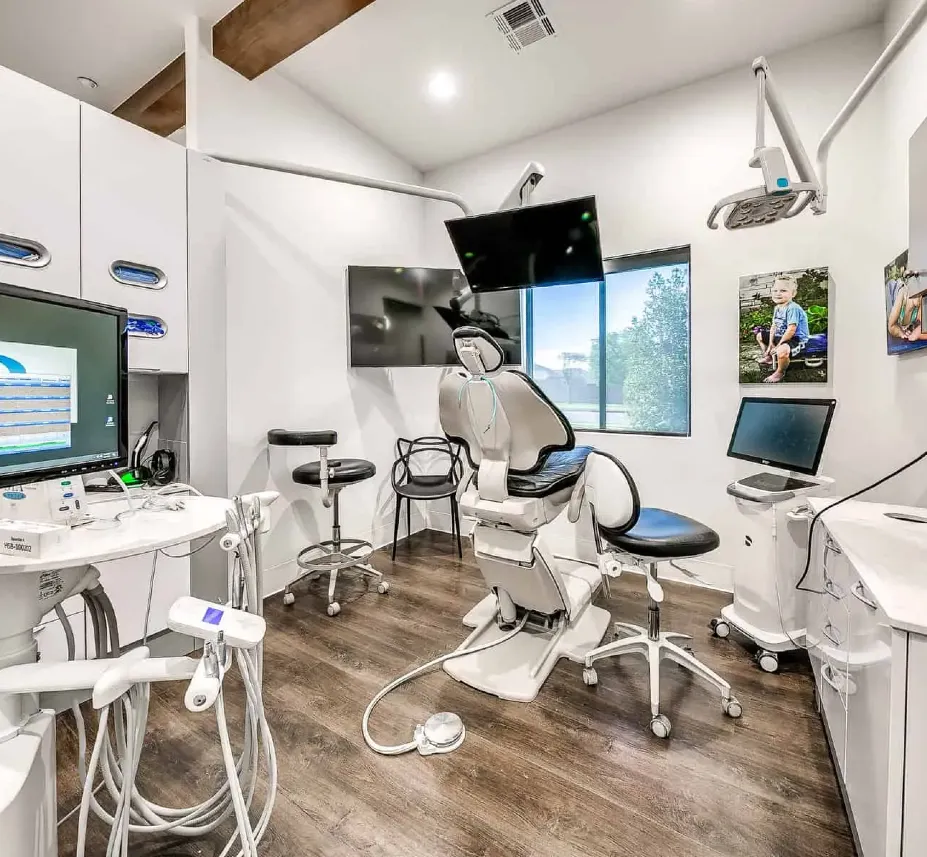
If you’re dealing with orthodontic problems or malocclusions, our qualified dental staff at Dental Innovations is always available to listen to your concerns. As the leading dental practice in Oklahoma City, you can rely on us to help you achieve the smile you’ve always dreamed of.
Contact us today for an appointment!