Teeth cleanings are essential for maintaining oral health, as they help prevent issues like gum disease and cavities. However, it’s not uncommon to experience discomfort afterward. Whether it’s mild discomfort, tooth pain or sensitivity, or gum inflammation, understanding how to relieve pain after dental cleanings can help you recover faster and continue maintaining proper oral hygiene.
At Dental Innovations in Oklahoma City, our skilled team, led by Dr. Mark D. Shirley, ensures that every dental cleaning is thorough and performed with care. If you’re experiencing post-cleaning discomfort, follow these tips to alleviate the pain and maintain your healthy smile.
Related Article: How Long After Teeth Cleaning Can I Eat? Tips for Patients
Why Does Pain Occur After Teeth Cleaning?
Dental cleanings, particularly deep cleanings, can sometimes lead to temporary sensitivity and mild pain. Here are a few reasons why pain might occur after your dental cleaning appointment:
- Tartar Buildup Removal: A thorough dental cleaning removes plaque and tartar buildup, which may have been sitting along the gum line. The process of scraping tartar with dental instruments can irritate the gum tissue, leading to inflammation and pain after teeth cleaning.
- Teeth Sensitivity: Teeth sensitivity is a common issue after dental cleanings. The removal of tartar can expose areas of the teeth that were previously covered, making them more sensitive to hot and cold foods and beverages. This sensitivity can cause discomfort and may require the use of specialized toothpaste and dietary adjustments to manage.
- Deep Cleaning Procedure: A deep dental cleaning, which includes root planing and scaling, goes deeper beneath the gum line to address gum disease and tartar buildup. This more invasive procedure often leads to temporary discomfort as the gum tissue heals.
Understanding Dental Cleaning and Pain
Dental cleaning, also known as dental prophylaxis, is a routine procedure that involves the removal of plaque and tartar buildup on teeth and gums. While dental cleaning is generally a painless process, some individuals may experience discomfort or sensitivity afterward. This is usually due to the removal of plaque and tartar, which can cause temporary inflammation of the gums and exposure of dentin. Understanding the causes of pain after dental cleaning can help individuals take steps to relieve discomfort and maintain good oral health.
When plaque and tartar are removed, the gum tissue may become irritated, leading to inflammation and soreness. Additionally, areas of the teeth that were previously covered by tartar may now be exposed, resulting in increased sensitivity to hot and cold stimuli. This temporary discomfort is a normal part of the healing process and typically subsides within a few days. By being aware of these potential causes, you can take proactive measures to alleviate pain and ensure a smooth recovery after your dental cleaning appointment.
How to Relieve Pain After Teeth Cleaning

While pain after a dental cleaning is usually temporary, there are several methods to relieve pain and discomfort:
1. Use a Soft-Bristled Toothbrush
Switch to a soft-bristled toothbrush to avoid aggravating the sensitive gum tissue after your dental cleaning procedure. Soft bristles help maintain proper oral hygiene without causing further discomfort. Using gentle strokes when brushing can prevent additional irritation while keeping your teeth clean.
2. Rinse with Warm Salt Water
A simple, effective remedy to relieve gum pain is rinsing with warm salt water. This mixture helps reduce inflammation and promotes healing in the gum tissue. Combine half a teaspoon of salt with warm water and rinse your mouth gently. Doing this twice daily can reduce gum irritation and speed up recovery after dental cleanings.
3. Avoid Extremely Hot or Cold Foods
Teeth sensitivity often worsens with exposure to hot and cold foods. Avoid consuming extremely hot or cold foods after your dental cleaning to manage teeth sensitivity and prevent further discomfort. Instead, opt for lukewarm meals and drinks until the sensitivity subsides.
4. Use a Cold Compress
If you’re experiencing gum pain or swelling after your dental cleaning, apply a cold compress to the affected area. The cold will help reduce inflammation and numb the area, providing temporary pain relief. Hold the compress against your cheek for 10-15 minutes to alleviate discomfort.
5. Take Over-the-Counter Pain Relievers
If the pain persists, over-the-counter pain relievers like ibuprofen or acetaminophen can help manage discomfort. Remember to follow the recommended dosage. If you have any medical conditions that could be affected by these medications, be sure to consult your healthcare provider.
6. Maintain Proper Oral Hygiene Practices
Maintaining good oral hygiene practices is crucial for preventing pain after future cleanings. Brush twice a day, floss daily, and use mouthwash to keep plaque and tartar buildup at bay. Proper oral hygiene ensures that your gums stay healthy and minimizes the likelihood of pain after dental visits.
7. Consider a Fluoride Treatment
If your teeth are particularly sensitive, ask your dentist about a fluoride treatment during your dental cleaning appointment. Fluoride treatments help strengthen tooth enamel and reduce sensitivity, offering additional protection for those prone to discomfort after cleanings.
Managing Sensitive Teeth
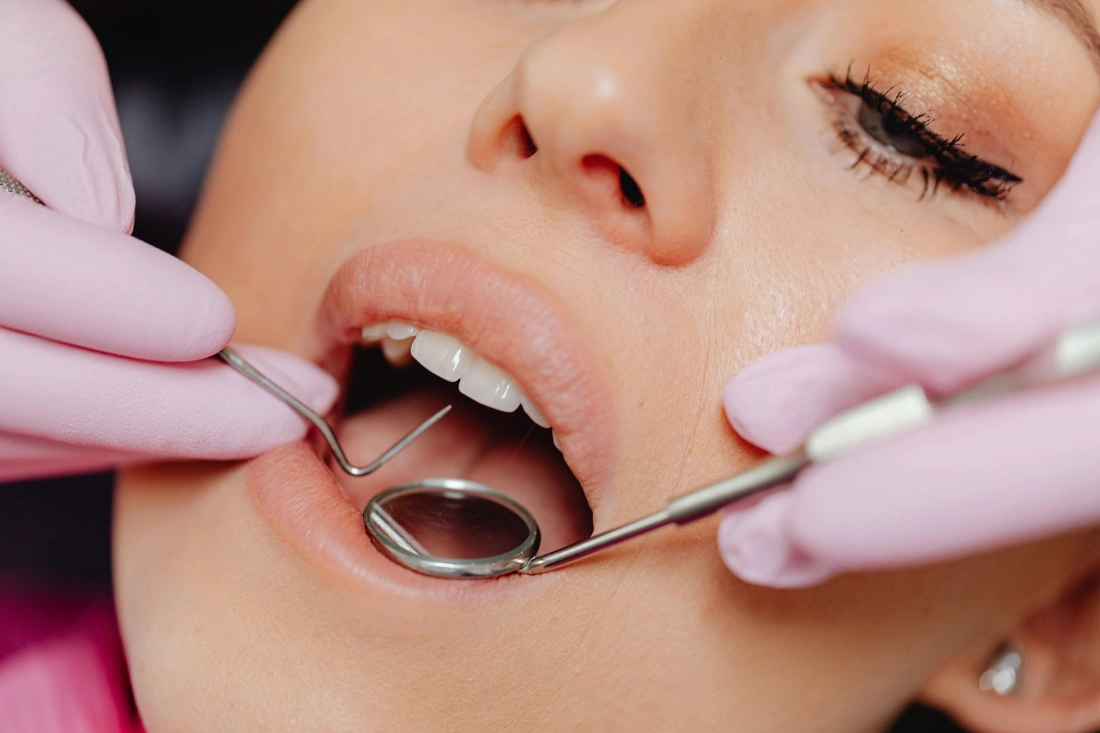
Sensitive teeth can be a common issue after dental cleaning, but there are several ways to manage and alleviate discomfort.
1. Identify Triggers of Sensitivity
Identifying the triggers of sensitivity is crucial in managing sensitive teeth. Common triggers include hot or cold foods and beverages, sugary or acidic foods, and brushing or flossing. By avoiding these triggers, individuals can reduce the frequency and severity of sensitivity. Additionally, using a soft-bristled toothbrush and gentle toothpaste can help minimize irritation and discomfort. Opt for lukewarm foods and drinks, and be mindful of your brushing technique to avoid aggravating sensitive areas.
2. Use Desensitizing Toothpaste
Using desensitizing toothpaste can be an effective way to alleviate tooth sensitivity. These kinds of toothpaste contain ingredients such as potassium nitrate or strontium chloride that help block pain sensations and reduce sensitivity. Brushing twice daily with desensitizing toothpaste can help decrease sensitivity over time. It is essential to follow the instructions on the packaging and consult with a dentist or healthcare provider if you have any concerns. Incorporating this type of toothpaste into your daily oral hygiene routine can provide significant relief from sensitivity.
3. Limit Acidic and Sugary Foods
Limiting acidic and sugary foods can help reduce tooth sensitivity. Acidic foods and drinks can erode tooth enamel, making teeth more sensitive, while sugary foods can contribute to tooth decay and gum disease. By opting for a balanced diet and avoiding sugary and acidic foods, individuals can promote good oral health and reduce the risk of sensitivity. Choose foods that are gentle on your teeth and support overall oral health, such as dairy products, leafy greens, and lean proteins.
By following these tips and maintaining proper oral hygiene practices, individuals can effectively manage sensitive teeth and alleviate discomfort after dental cleaning. Regular dental cleanings and check-ups can also help prevent gum disease and tooth decay, promoting overall oral health and well-being.
Addressing Pain After a Deep Cleaning

A deep cleaning, also known as scaling and root planing, is often required for individuals with gum disease or significant tartar buildup. The process is more invasive than routine cleaning and can lead to more intense discomfort, particularly in the gum tissue. Maintaining oral health through regular dental cleanings can reduce the likelihood of needing deep cleanings in the future. Here’s how to manage pain after a deep cleaning procedure:
1. Follow Your Dentist’s Aftercare Instructions
Your dental professional will provide specific aftercare instructions following a deep cleaning procedure. Follow these carefully to ensure proper healing and reduce pain. This might include avoiding certain foods, using prescribed mouth rinses, and attending follow-up appointments to monitor healing.
2. Avoid Acidic Foods
After a deep cleaning, it’s best to avoid acidic foods such as citrus fruits, tomatoes, and vinegar. Acidic foods can irritate already sensitive gum tissue and prolong discomfort. Stick to a diet of bland, non-irritating foods until the gum tissue heals.
3. Keep Up with Regular Dental Checkups
Regular dental checkups are important for maintaining good oral health and preventing the need for deep cleanings. Routine dental visits allow your dentist to monitor your oral health, detect potential issues early, and reduce the severity of cleanings needed.
When to Contact Your Dentist

While mild discomfort after a dental cleaning is normal, pain that persists or worsens may indicate a more serious issue. Contact your dental professional if you experience any of the following:
- Prolonged Gum Pain: If your gums remain inflamed or sore for more than a week after your cleaning, it may indicate an underlying issue like gum disease.
- Severe Tooth Sensitivity: Excessive tooth sensitivity to hot and cold foods that doesn’t improve with time could be a sign of enamel erosion or other dental problems.
- Signs of Infection: Swelling, redness, or discharge from your gums are all signs of infection that require immediate attention from your dentist.
At Dental Innovations, we prioritize your comfort and oral health. If you experience pain after a dental cleaning that doesn’t resolve, don’t hesitate to reach out to us for professional care and advice. We can assess the situation and provide solutions to ensure your healing process goes smoothly.
Dental Innovations: Your Partner In Oral Health
Located in Oklahoma City, Dental Innovations offers comprehensive dental services, including routine cleanings, deep cleanings, and cosmetic dentistry procedures. Our team uses state-of-the-art dental technology to deliver personalized, high-quality care in a comfortable environment.
We understand that dental cleanings are a crucial part of maintaining good oral health, and we strive to make your experience as painless as possible. If you’re due for a dental cleaning or need relief from post-cleaning discomfort, contact Dental Innovations today to schedule an appointment. Call us at 405-691-0877 or email us at info@dentalinnovationsokc.com to learn more about our services.
Prioritize Good Oral Hygiene

Maintaining good oral hygiene is key to preventing pain after teeth cleanings and ensuring long-term oral health. Regular brushing, flossing, and dental visits will keep your teeth and gums healthy, reducing the need for extensive cleanings in the future, and helping you enjoy consistently clean teeth.
By following proper oral hygiene practices, using soft-bristled toothbrushes, and taking steps to relieve discomfort after cleanings, you can minimize pain and maintain a healthy, beautiful smile for years to come.
If you’re looking for expert dental care in Oklahoma City, trust Dental Innovations to provide the personalized, professional service you deserve. Contact us and schedule an appointment today for a healthier, pain-free, and clean smile!