Let’s face it—nobody likes losing teeth. But it happens. Whether from age, injury, gum disease, or that popcorn kernel that showed up at the wrong time, tooth loss is more common than you think. The good news? At Dental Innovations, we’re here to help you get your smile (and confidence) back with the magic of dental implants. And no, it’s not science fiction. Dental implants really do work—and we’re going to walk you through exactly how. Dental implant surgery is a multi-step process that involves placing a metal post into your jawbone and attaching a new artificial tooth on top.
So, how do dental implants work? Glad you asked.
Related Article: What Are Dental Implants Made Of?
The Basics: What Are Dental Implants?
Dental implants are a long-term tooth replacement option that mimics your original teeth in appearance, feel, and functionality.. Think of them as high-tech artificial roots made of titanium (a very friendly metal to your body). Through a procedure known as osseointegration, these tiny posts are surgically inserted into your jawbone and eventually fuse with it.
One common type of dental implant is the endosteal implant, which is placed directly into the jawbone and acts like a natural tooth root.
Once the metal implant post is nice and secure, we attach a permanent crown—aka your new artificial tooth—on top. Boom! You’ve got a tooth that won’t fall out during dinner.
Types of Dental Implants

Dental implants come in various types, each designed to address specific needs and preferences. The most common types include endosteal implants, subperiosteal implants, zygomatic implants, and All-on-4 dental implants.
- Endosteal Implants: These are the most frequently used and are placed directly into the jawbone. They act like natural tooth roots and provide a sturdy base for artificial teeth.
- Subperiosteal Implants: Placed above the jawbone but under the gum, these are often recommended for patients with limited jawbone density who cannot undergo bone grafting.
- Zygomatic Implants: These are surgically placed in the cheekbone rather than the jawbone, making them ideal for patients with insufficient jawbone to support traditional implants.
- All-on-4 Dental Implants: This innovative solution uses four implants to support a full set of artificial teeth, providing a more permanent and stable option for those with significant tooth loss.
Understanding the different types of dental implants is crucial in determining the best option for replacing missing teeth and restoring oral health.
The Step-by-Step Dental Implant Procedure
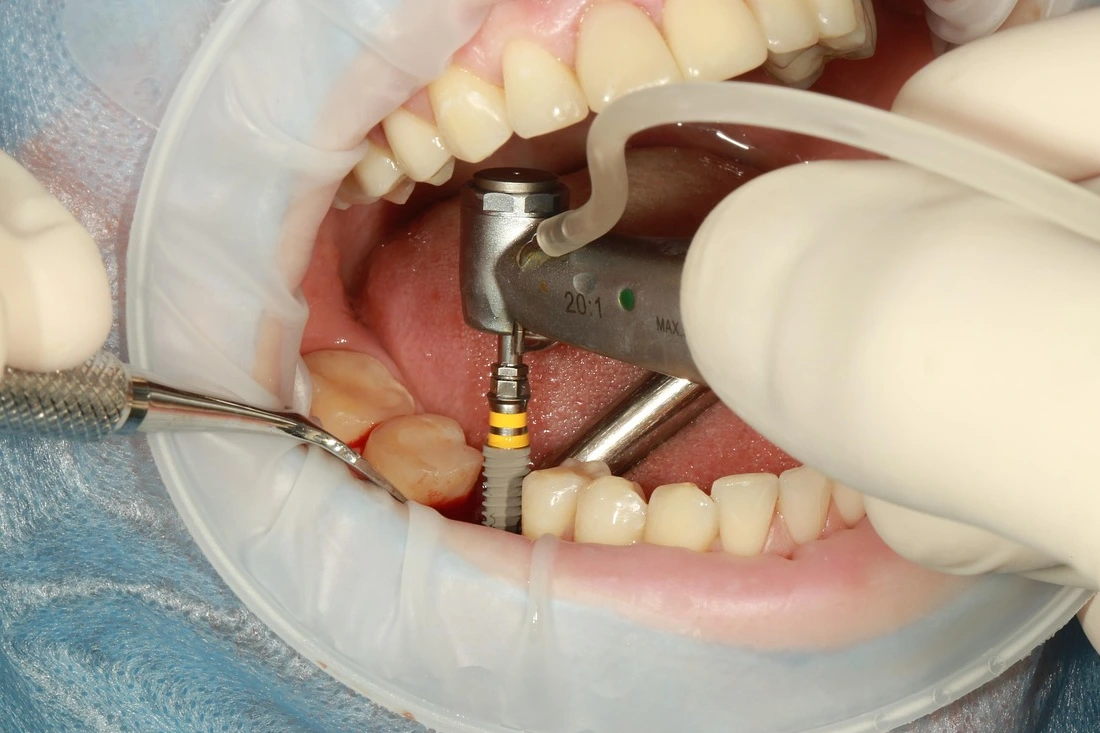
Let’s break it down like your favorite playlist:
Some folks may need general anesthesia, depending on their case and comfort. There are various anesthesia options available, including local anesthesia, IV sedation, and general anesthesia, which should be discussed with your dental professional to determine the best choice for you.
1. Consultation and Planning
First things first, a dental professional will assess your overall health, review your medical history, and check out your teeth and gums. Dental x-rays (and sometimes 3D imaging) help us evaluate the bone structure and determine if there’s enough healthy bone for implant placement.
If you’re dealing with bone loss from long-term missing teeth, you might need bone grafting to support the implant.
2. Tooth Extraction (if needed)
Got a damaged tooth that needs to go before we can make space for the implant? No problem. This is often a quick outpatient surgery with local anesthesia. Some folks may need general anesthesia, depending on their case and comfort.
3. Implant Surgery
Next up is the actual dental implant placement. Using precise techniques from implant dentistry and, when needed, oral and maxillofacial surgery, we place the titanium post into the jawbone. This involves making an incision in the gum tissue to access the jawbone and place the implant. This counts as a minor surgery, and most dental implants are placed under local anesthesia.
Don’t worry, it sounds scarier than it is. Most patients are surprised at how smooth it goes!
4. Healing Process & Bone Growth
After the implant surgery, we give your body time to heal and for the bone to grow around the implant. This is the part where osseointegration happens. It usually takes a few months, and it’s crucial for the long-term success of the implant. The healing time can vary based on individual health conditions and lifestyle choices, but proper healing is essential for successful osseointegration. Think of it as Mother Nature doing her thing.
5. Abutment & Final Restoration
Once the implant is secure and the surrounding tissues are ready, we add the abutment (a connector) and top it off with a permanent crown, giving you a new tooth that looks and functions like a natural one.
You can eat, talk, and laugh without worrying about slippage or awkward moments. No need for removable dentures!
Artificial Teeth Options
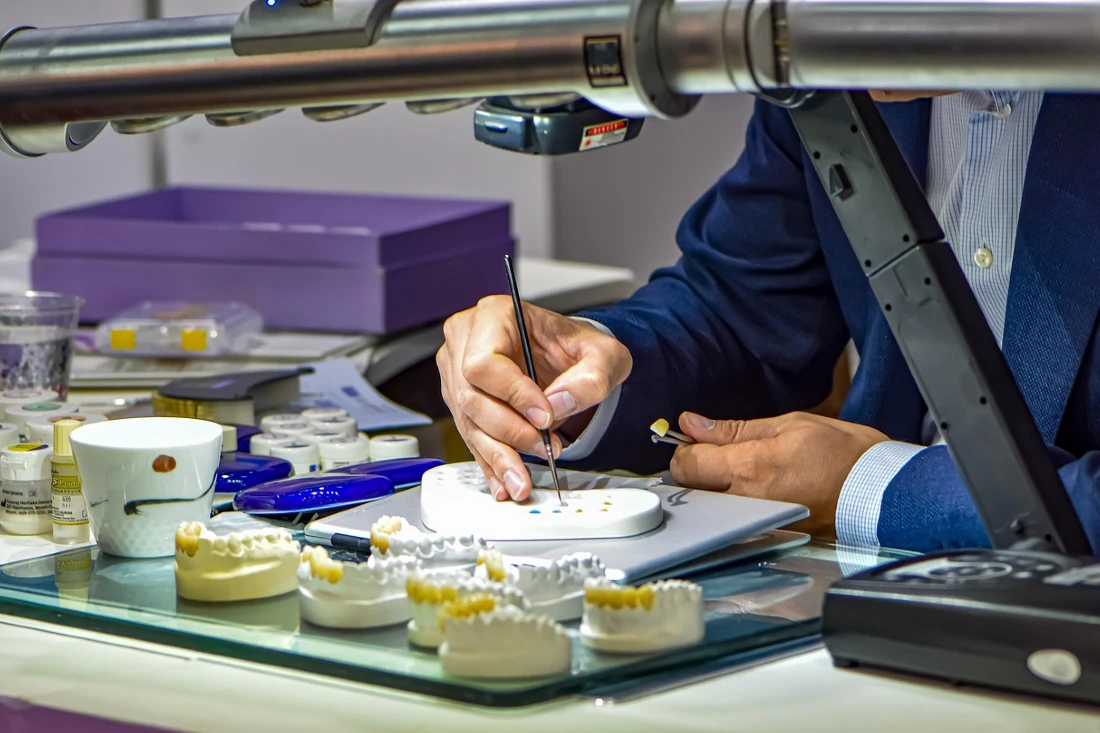
Artificial teeth, also known as crowns, are designed to mimic the appearance and function of natural teeth. They are attached to the dental implant via an abutment and come in various materials, including ceramic, porcelain, and composite resin.
- Ceramic and Porcelain Crowns: These are popular for their durability and natural appearance, making them an excellent choice for visible teeth.
- Composite Resin Crowns: More affordable and often used for temporary solutions, these crowns can be a good option for those on a budget.
The choice of artificial tooth material depends on individual preferences, budget, and the location of the implant in the mouth. Dental implants work in conjunction with artificial teeth to provide a stable and secure tooth replacement option, significantly improving oral health and overall quality of life.
The Role of Bone Grafting
Bone grafting plays a vital role in the dental implant procedure, particularly for patients with insufficient jawbone density. This surgical procedure involves transplanting healthy bone tissue to the affected area, creating a more solid base for the implant.
Bone grafting can be performed using natural bone from the patient’s body or synthetic materials. The goal is to promote bone growth around the implant, ensuring a stable and long-lasting bond between the implant and the surrounding bone. This process, known as osseointegration, is essential for the success of dental implants.
By addressing bone loss and promoting healthy bone growth, bone grafting helps to prevent implant failure and ensures the longevity of the dental implant.
But Wait—How Do Implants Compare to Other Options?
We get this question a lot. Here’s the deal:
- Dental Bridge: Great option, but it often requires shaving down neighboring teeth. Implants leave those adjacent teeth alone.
- Removable Denture: Many people who wear dentures find them bulky or prone to slipping while eating or talking. Implants stay put.
- Doing Nothing: Trust us, not the best plan. Missing teeth can cause bone loss, shifting of remaining teeth, and changes in your facial structure.
If you’re looking for solid, long-term tooth replacement, dental implants are the real MVP.
Benefits of Dental Implants
Compared to more conventional tooth replacement solutions like dentures and dental bridges, dental implants have many advantages. The following are a few of the biggest benefits:
- Prevents Bone Loss: Unlike dentures, which can lead to bone resorption over time, dental implants stimulate the surrounding bone, preserving facial structure and overall oral health.
- Stable and Secure Fit: Dental implants provide a stable and secure fit, eliminating the need for adhesives or adjustments.
- Natural Functionality: They allow for natural chewing and speaking, significantly improving quality of life.
- Longevity: Dental implants are a wise investment for anyone looking for a long-term solution to missing teeth because they can last a lifetime with the right care and upkeep.
By choosing dental implants, patients can enjoy improved oral health, enhanced facial appearance, and increased confidence in their smile.
Who Makes a Good Candidate for Dental Implants?
Generally speaking, if you’re in decent overall health and have enough healthy bone in your jaw, you’re probably a good fit. Certain health conditions, such as diabetes or heart disease, may affect your eligibility for dental implants, so it’s important to discuss these with your dental professional. You might need a bit of bone grafting or oral surgery prep, but that’s totally manageable.
Ideal candidates:
- Have one tooth or several teeth missing
- Want to avoid the hassle of dentures
- Practice good oral hygiene
- Don’t have uncontrolled gum disease
- Don’t smoke (or are willing to quit for better results)
Got a complicated case? Our dental professionals and oral and maxillofacial surgery partners can handle it.
Risks? Let’s Talk About ‘Em

Like any surgical procedure, there are some risks to be aware of:
- Implant failure (rare, but possible if the bone doesn’t bond well)
- Allergic reaction to titanium (super rare)
- Nerve damage or tingling
- Infection around the implant if oral hygiene is poor
But don’t stress. We minimize risks by reviewing your medical history, crafting a detailed treatment plan, and providing personalized follow-up dental services. Certain medical conditions, such as cancer or autoimmune diseases, can impact the success of dental implants and should be thoroughly evaluated before proceeding.
Curious About Dental Implants Oklahoma in City?
If you’re searching for reliable, high-quality dental implants in Oklahoma City, Dental Innovations has you covered. We’re proud to offer personalized, tech-forward solutions that fit your smile and your lifestyle. Whether you’re replacing one tooth, several teeth, or even your full set, we’ve got the tools and experience to help.
And yes—you can get all of this without leaving your hometown. No long road trips or waiting lists. We’re right here in your community.
How Long Do Dental Implants Last?
With good care, implants can last decades—maybe even a lifetime. Proper maintenance can significantly improve the lifespan and functionality of your dental implants, ensuring they remain a reliable solution for years to come. You just need to:
- Brush and floss daily
- Keep up with regular dental visits
- Avoid chewing ice or using your teeth as tools (you know who you are)
Also, if you grind your teeth at night, we may recommend a custom nightguard to protect your new teeth.
Let’s Make It Happen
If you’re ready to replace missing teeth and get back to smiling confidently, Dental Innovations is the place to start. We’ll answer your questions, help build your custom treatment plan, and support you from implant placement to final crown.
Contact us today, or book your consultation online. Let’s rebuild that smile, one tooth at a time—with comfort, confidence, and a touch of fun.