Effective Canker Sores Treatment to Relieve Pain and Discomfort
When you get canker sores, it can be painful to eat and talk. While it’s a fairly common condition that eventually goes away, you can still try out various treatments to help speed up healing and ease discomfort. We’ve put together everything you need to know about canker sores—from their causes and symptoms to the medical and home treatments you can look into.
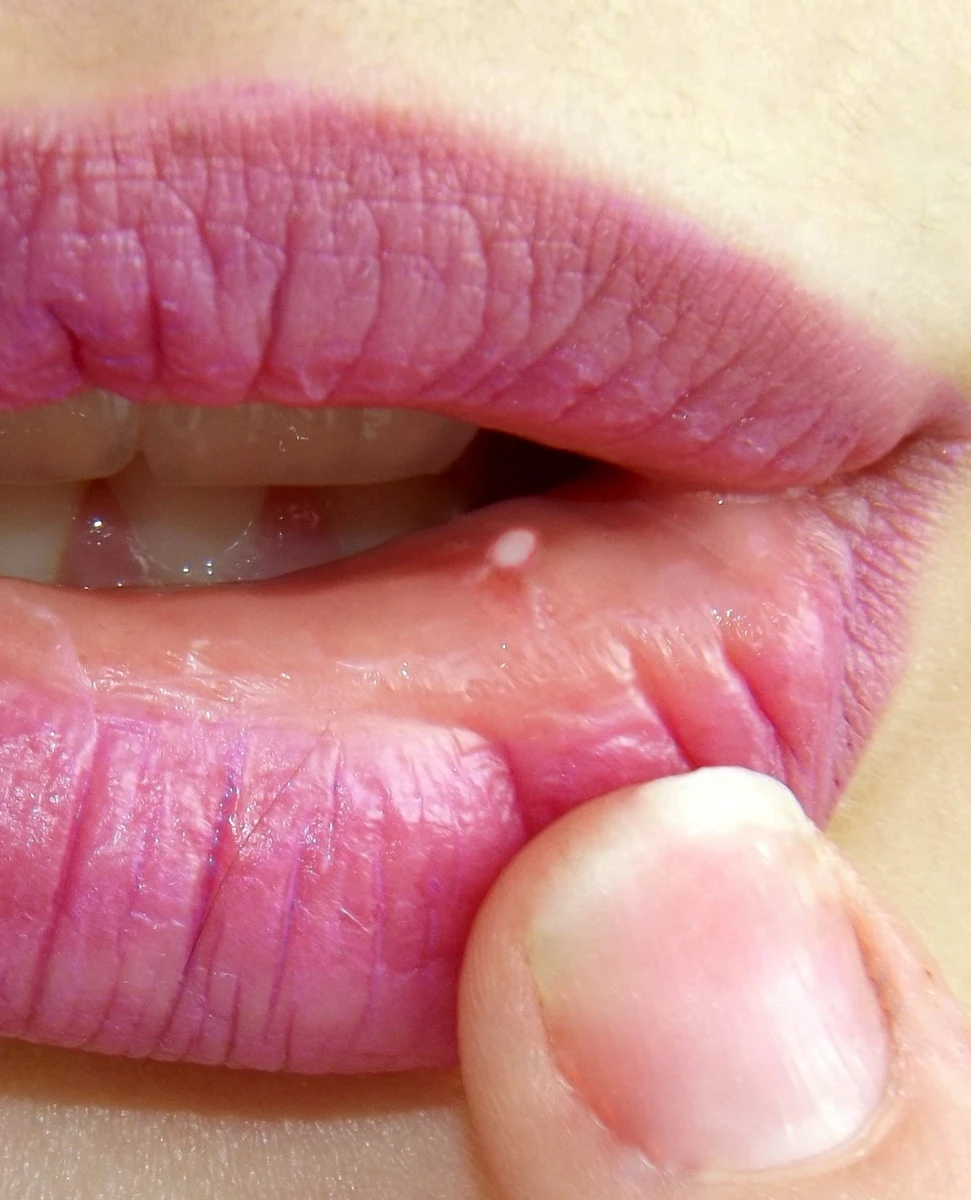
What Are Canker Sores (Aphthous Ulcers)?
A canker sore, also known as an aphthous ulcer or aphthous stomatitis, is a small, open wound inside the mouth. They appear in areas such as the gums, inner cheek, inner lip, the roof of your mouth, or tongue (above and beneath). Appearing as white or yellowish spots, canker sores typically cause burning and tingling pain sensations, especially when they come into contact with specific foods or other parts of your mouth.
Are Canker Sores and Cold Sores the Same?
While both canker sores and cold sores are types of mouth sores, they’re not exactly the same.
Canker Sores
A canker sore can be found on the mucous membranes inside your mouth (e.g. inner cheeks, tongue, gums, and the roof of the mouth).
Cold Sores
On the other hand, a cold sore refers to mouth ulcers occurring on the outer edge of the lips or around the mouth. They cause itching and burning sensations before the blisters appear. Cold sores are also known as oral herpes as they are caused by the herpes simplex virus (HSV) and, unlike canker sores, are highly contagious.
Are Canker Sores Contagious?
No, canker sores are not contagious and cannot spread from one person to another.
Can a Canker Sore Heal on Its Own?
A canker sore can generally heal by itself without intervention or treatment, especially the minor type of canker sores. After a few days or weeks, the canker sore usually shrinks in size and disappears by itself. Medical treatments and home remedies are available to help reduce pain and discomfort while speeding up the healing process.
However, if your canker sore doesn’t heal itself in two weeks and continues to grow in size, cause fevers, and lead to swollen lymph nodes, it’s best to consult a doctor or dentist for professional assistance.
Causes and Risk Factors of Canker Sores
While more research is required to fully understand the causes of canker sores, there’s a list of common causes and triggers that can lead to these ulcers:

Injury
A mouth injury and trauma from dental appliances can lead to the appearance of a canker sore. This includes accidentally biting the inside of your cheek with a sharp tooth, using a toothbrush or dental floss too aggressively, injury from dental appliances like braces and dentures, and various forms of dental work.

Vitamin Deficiencies
Vitamin deficiency causes canker sores, particularly deficiencies in vitamin B and B12, zinc, and iron. If you’re not getting enough of these nutrients, you’re more likely to get canker sores. Consider purchasing some over-the-counter vitamins and supplements to prevent canker sore from developing.

Hormonal Changes
Hormonal fluctuations (e.g. hormonal changes linked to menstruation) make people prone to developing new sores in their mouth.

Reaction to Certain Foods
Gum disease can lead to tooth loss as the infection becomes more severe. When the infection spreads below
Canker sores may be triggered by foods due to people’s sensitivities or allergic reactions. These are some of the common food triggers:
-
Tomatoes
-
Chocolates
-
Coffee
-
Citrus fruits
-
Nuts
-
Acidic or spicy foods
the gum line and damages the connective tissue and bone supporting the teeth, the teeth may fall out due to lack of support.

Underlying Health Conditions
In some cases, canker sores can be a result of a health condition or issues with the body’s immune system. The following medical conditions are commonly linked to severe canker sores:
- Crohn’s disease
- Celiac disease
- Autoimmune disorders
- Lupus
- AIDS
- Behcet’s disease
Diagnosing Canker Sores
Your doctor or dentist will conduct a visual examination to determine where you’ve got a canker sore or aphthous stomatitis. They will look for symptoms and signs of canker sores by inspecting the inside of your mouth, including the tongue, throat, gums, inner cheeks, and inner lips. They will also identify the severity of your canker sore and recommend the best approach to address it.
Be prepared to answer any questions about your medical history, allergies, and underlying conditions for an accurate diagnosis.
Different Types of Canker Sores
Depending on the severity, size, number, and frequency of appearance, canker sores may fall under one of these specific types:
Minor Canker Sores
Most canker sores are minor types, common among children and adults. These typically come in small sizes with a diameter of less than one centimeter. They also have a relatively quick healing process, ranging from one to two weeks. Upon healing, these small sores leave no scars or marks.
Major Canker Sores
Major canker sores refer to the more severe cases of canker sores. Bigger in size, these large canker sores heal slowly and take up to several weeks to completely go away. The wound is also deeper and tends to be more painful than the minor types.
Herpetiform Canker Sores
More complex canker sores are known as herpetiform canker sores. This is the rarest type of canker sores which usually appear during adulthood and are more painful. Unlike the two previous types, herpetiform canker sores usually come in clusters of several ulcers, similar in appearance to herpes lesions (hence the name). However, it’s important to note that they are not caused by the herpes virus.

Lifestyle Changes to Prevent Canker Sores
Getting a canker sore is common, but it’s still best to take a proactive approach to prevent it and avoid pain and discomfort. Here are some changes you can consider making to prevent canker sores:
Manage Stress
Stress can also cause canker sores. The following techniques may help with stress management:
- Practice activities such as meditation or yoga
- Make sure you get enough sleep every night
- Engage in regular physical activity such as jogging, walking, or cycling
Dietary Changes
Consider making the following dietary changes to lessen the likeliness of developing canker sores:
- Avoid trigger foods like spicy, abrasive, salty, and acidic foods
- Stick to a balanced diet including fruits, vegetables, healthy fats, lean proteins, and whole grains to avoid nutritional deficiencies.
- Eat foods like honey and yogurt to complement oral health
- Stay hydrated
- Take some over-the-counter vitamin and mineral supplements
Maintain Good Dental Hygiene
We can’t overstate the importance of maintaining good dental hygiene not only to help prevent canker sores but also to ensure your overall oral health. Here are some tips to keep in mind:
- Brush your teeth at least twice a day (two minutes per session) with a soft-bristled toothbrush
- Floss daily and rinse with mouthwash for a cleaner mouth
- Avoid toothpaste with sodium lauryl sulfate (SLS) as it can trigger canker sores
- Avoid smoking and using other tobacco products
- Schedule a professional cleaning with your dentist at least once every six months
How to Treat Canker Sores
Canker sore pain can range from mild discomfort to severe pain. Whether you’re dealing with a minor, major, or herpetiform canker sore, you can seek out treatments to speed up healing and pain relief. Here are some of the treatment options for canker sores you can consider, from over-the-counter medication to easy and simple home remedies:
Medical Treatment Options
Mouth Rinses
Using mouth rinses is a quick and easy way to ease pain and reduce inflammation. Look for prescription mouth rinses with chlorhexidine or dexamethasone, antimicrobial mouthwashes, and antiseptic mouth sore rinse to treat your canker sore.
Oral Medications
Your doctor can prescribe you oral medications such as corticosteroids for severe canker sores. This also helps with pain and inflammation. Other options include colchicine (Mitigare) for anti-inflammation and sucralfate (Carafate) to prevent irritation and speed up healing.
Steroids
Steroids can suppress the immune system response which helps reduce pain and inflammation in the affected area. Steroids also prompt accelerated healing.
Topical Medications
Topical medications are a common and effective canker sore treatment. This may include both prescribed medications containing steroids to lessen inflammation and over-the-counter gels, creams, and ointments that you can apply directly on the canker sore.
Nutritional Supplements
The appearance of a canker sore can be caused by vitamin deficiency. In such cases, you can take supplements like vitamin B, zinc, folate (folic acid), or iron.
Cauterization
If you’re looking for a quick solution, consider cauterization. It utilizes heat or chemicals like silver nitrate to destroy the canker sore’s affected tissue, helping with pain relief and healing.

Home Remedies for Canker Sores
Salt Water Rinse
Rinse your mouth with a solution of salt (one teaspoon) and warm water to get rid of bacteria in the canker sore and lessen inflammation. Rinse with salt water after every meal for the best results.
Baking Soda Rinse
One of the effective home remedies for a canker sore is a baking soda rinse. A teaspoon of banking soda mixed with warm water can help restore pH balance in your mouth and promote pain relief.
Honey
Applying honey to your canker sore is a great way to relieve pain due to its antibacterial and anti-inflammatory properties.
Milk of Magnesia or Magnesium Hydroxide
Dabbing a small amount of milk of magnesia on each canker sore is a great way to protect the wounds from irritation. You may do this several times a day.
Hydrogen Peroxide
A solution of equal parts hydrogen peroxide and water can keep your canker sores clean and safe from infection. Apply the solution directly to your canker sore with a cotton swab.
Chamomile Tea
Due to its anti-inflammatory and soothing properties, chamomile tea can help calm the sore. To start, soak the tea bag in warm water and press it to your canker sores. Afterward, rinse your mouth with lukewarm chamomile tea.

Common Symptoms and Signs of Canker Sores
Look for these signs if you think you’re about to develop canker sores:
Minor Canker Sores
- Visible white or yellowish wounds inside your mouth surrounded by swelling or redness
- Pain (a burning sensation) that makes eating or talking uncomfortable
- Sensitivity to salty, acidic, and spicy foods
Major or Herpetiform Canker Sores
- Mild or high fever
- Fatigue
- Swollen lymph nodes in the neck
Dental Innovations: Your Partner for All Your Oral Care Needs
If you’re looking for expert treatments for canker sores in Oklahoma City, our staff at Dental Innovations will be happy to assist you! Contact us to set an appointment today!